

Australian Muslim community reports spike in hate crimes since Bondi terror attack
Watchdogs say number of incidents has multiplied since deadly shooting at Hanukkah event; mosques, other institutions targeted with graffiti and abuse
 Add ToI as a Preferred Source on Google
Stuart Winer is a breaking news editor at The Times of Israel.
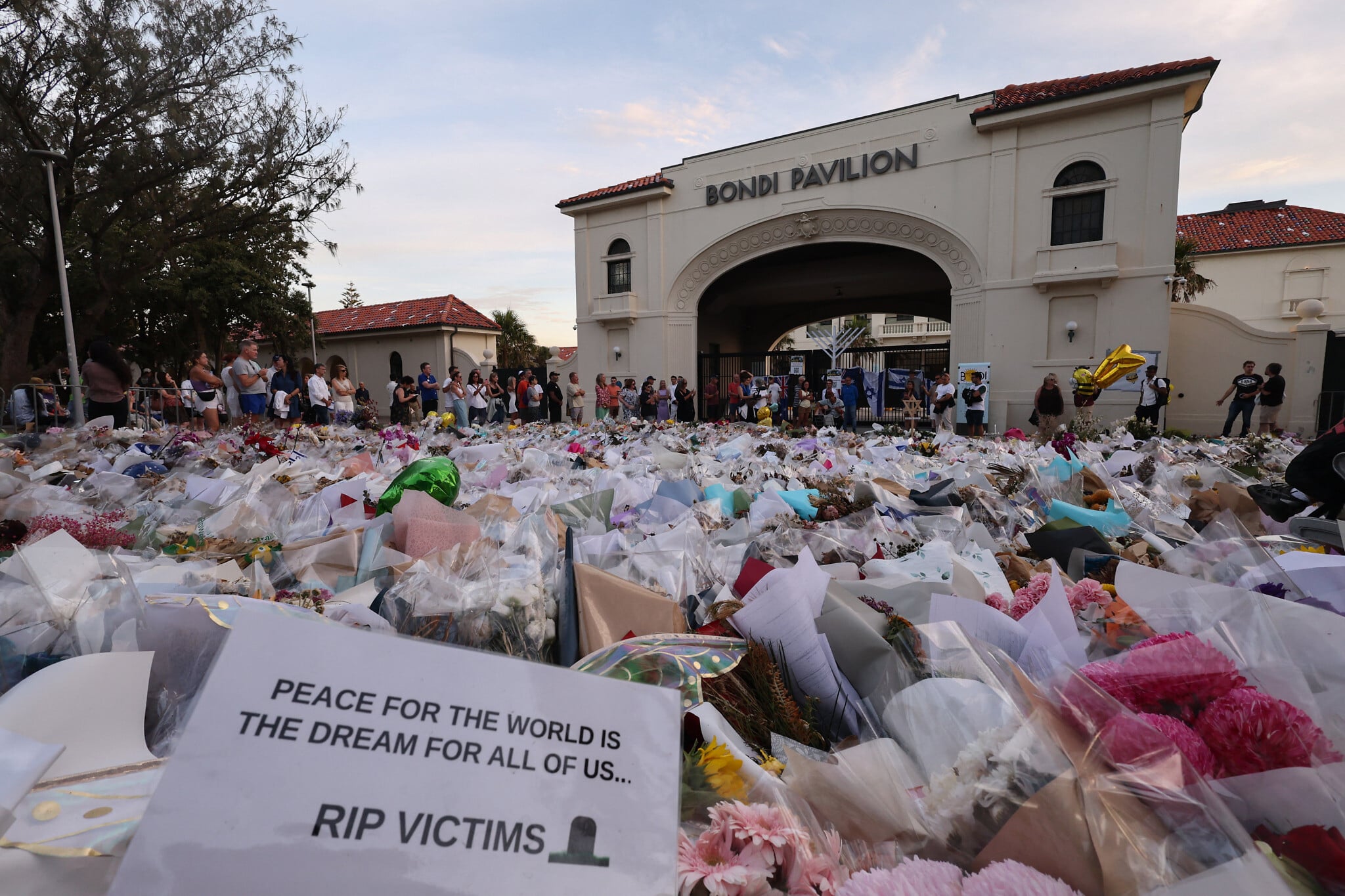
Australia’s Muslim community said it is facing a sharp spike in Islamophobic hate crimes since the Bondi Beach terror attack on a Hanukkah festival earlier in the month, which police say was carried out by two Islamic extremists.
Sajid Akram and his son Naveed killed 15 people in the Islamic State-inspired attack on December 14.
The Australian National Imams Council (ANIC) said it has recorded an almost 200 percent increase in hate incidents since then.
Meanwhile, the Islamophobia Register Australia, an independent watchdog, said reports of hate crimes against the community have jumped from one or two a day to about 18 daily since the Bondi attack.
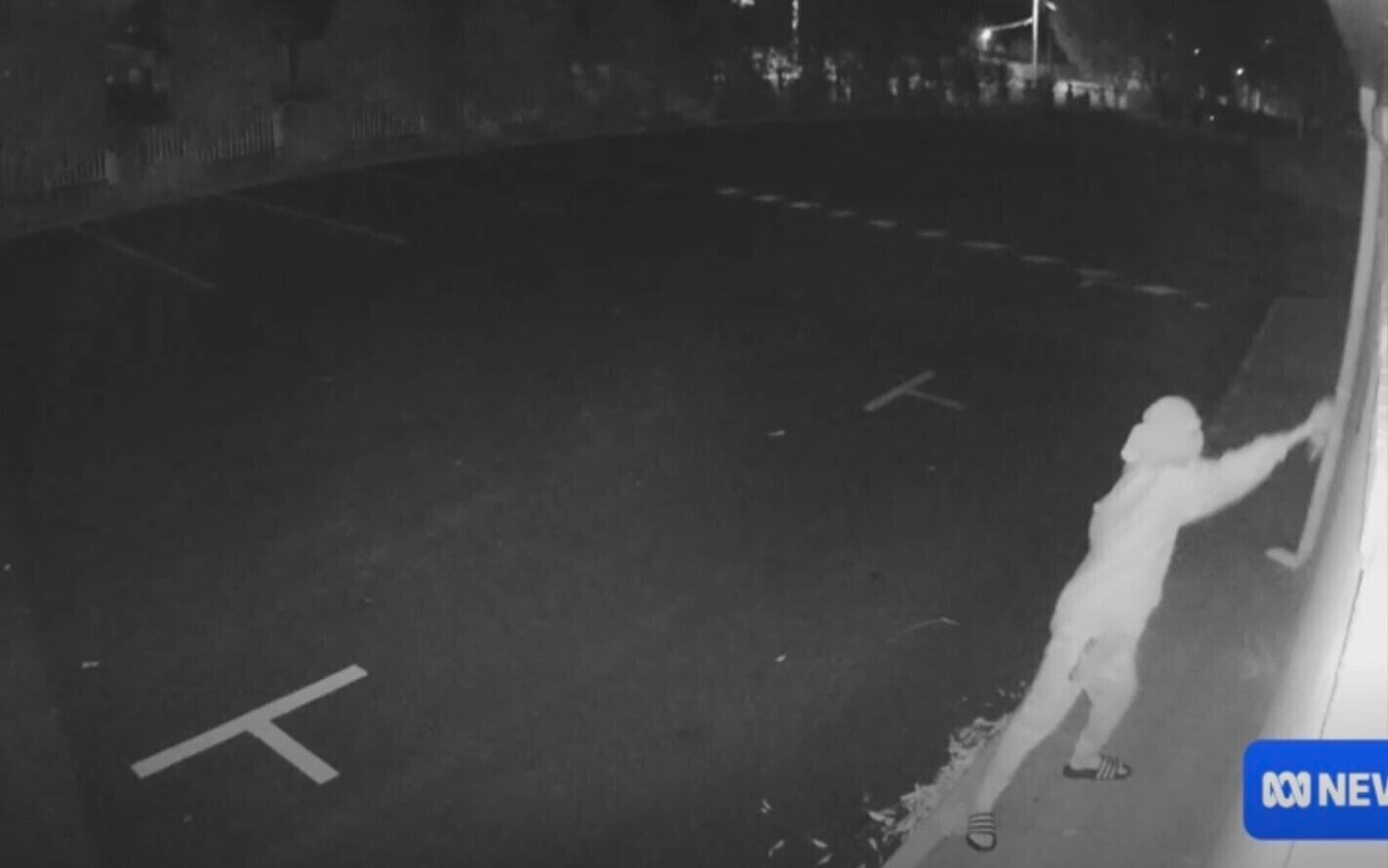
They range from offensive graffiti to vandalism at an Islamic college in Melbourne.
Islamic Council of Victoria president Mohamed Mohideen told the Australian Broadcasting Corporation in a Wednesday report that the council has received dozens of phone threats. A wave of hateful comments and emails forced the organization to turn off comments on its social media channels.
A mosque in Brisbane’s Bald Hills in Australia has been vandalised with a Nazi hate symbol in the aftermath of the Bondi terror attack, prompting Muslim leaders to raise concerns about a growing rise in threats against mosques across the country.
Fund honest independent Muslim… pic.twitter.com/a7lMqiYHQT
— Islam Channel (@Islamchannel) December 19, 2025
Australian Federal Police said Tuesday that the Bondi attackers appeared to have acted alone.
In a statement, the ANIC said Monday it is “deeply concerned by the real-world consequences unfolding in the wake of the Bondi attack, particularly the way Muslim communities are being unfairly scrutinized and implicitly linked to acts of violence they categorically reject.”
“The support line has received distressing calls from victims, parents, and employers of Muslim staff,” it said. “Callers have reported escalating abuse, threatening online commentary, increased fear for personal safety, and growing anxiety that conditions will worsen in the coming days and weeks.”
It has recorded 62 incidents in December, compared to 19 in November, the Sydney Morning Herald reported Wednesday.
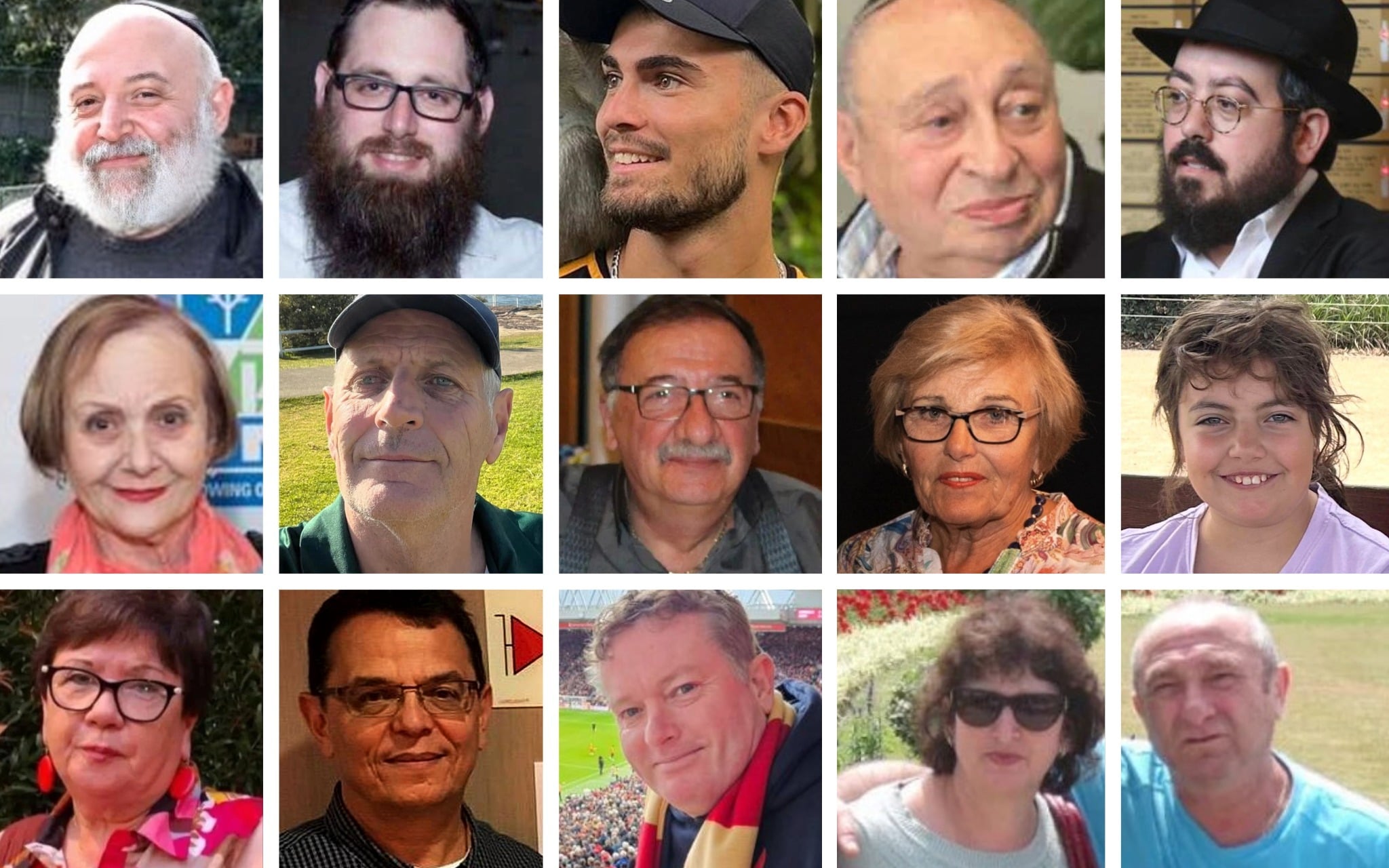
On Tuesday, New South Wales Premier Chris Minns denounced the “horrifying rise in racist sentiment and attacks on members of the Islamic community” and vowed that it would not be tolerated.
Home Affairs Minister Tony Burke, in a statement to the ABC, said, “Good Australians should never be blamed for the actions of others simply because of their background or faith.”
The president of the Albanian Australian Islamic Society Women’s Committee, Selima Ymer, called for an education program, similar to a recently announced project against antisemitism, the ABC reported.
On December 18, Australian Prime Minister Anthony Albanese announced the formation of a 12-month Antisemitism Education Taskforce, which will “consider actions to help the Australian education system prevent, tackle and properly respond to antisemitism,” according to Australia’s Department of Education.
Sajid Akram, 50, was shot and killed by police during the Bondi attack. An Indian national, he entered Australia on a visa in 1998.
His 24-year-old son Naveed, an Australian-born citizen, remains in custody, charged with 15 murders and a litany of other serious offenses.
Times of Israel staff and agencies contributed to this report.





The Times of Israel Community.