

Board of Peace won’t hold Israel to truce terms if Hamas doesn’t okay disarmament offer
In letter obtained by ToI, US-led body indicates Israel not adhering to key parts of ceasefire’s 1st phase, but says it won’t have to if Hamas doesn’t accept decommissioning framework

 Add ToI as a Preferred Source on Google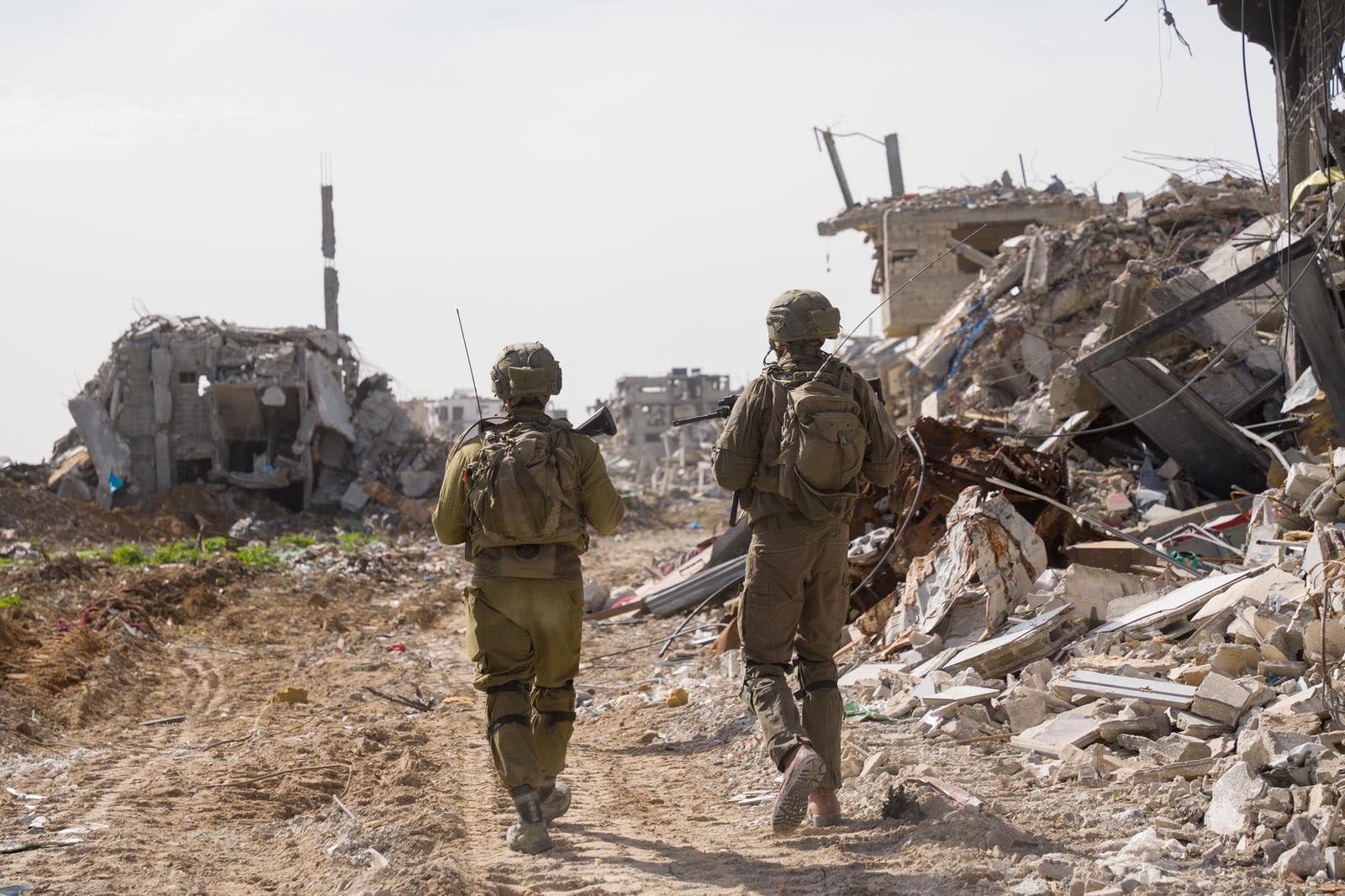
The US-led Board of Peace tasked with overseeing the postwar management of Gaza does not intend to hold Israel to the terms of the October 2025 Gaza ceasefire if Hamas does not accept the international panel’s framework for the terror group’s disarmament, a document obtained by The Times of Israel shows.
While the Board of Peace’s High Representative for Gaza Nickolay Mladenov has warned that refusal from Hamas to disarm could lead to the resumption of the war, he goes much further in the document, saying that Israel will not be expected to halt attacks in Gaza or ensure humanitarian aid enters the Strip.
“Failure by Hamas to accept the framework within a reasonable timeframe, as determined by the Board of Peace and after consultation with the parties, shall render such commitments null and void,” Mladenov writes in the document — a letter that he and senior US official Aryeh Lightstone sent to the head of the Palestinian technocratic government that is meant to replace Hamas in Gaza.
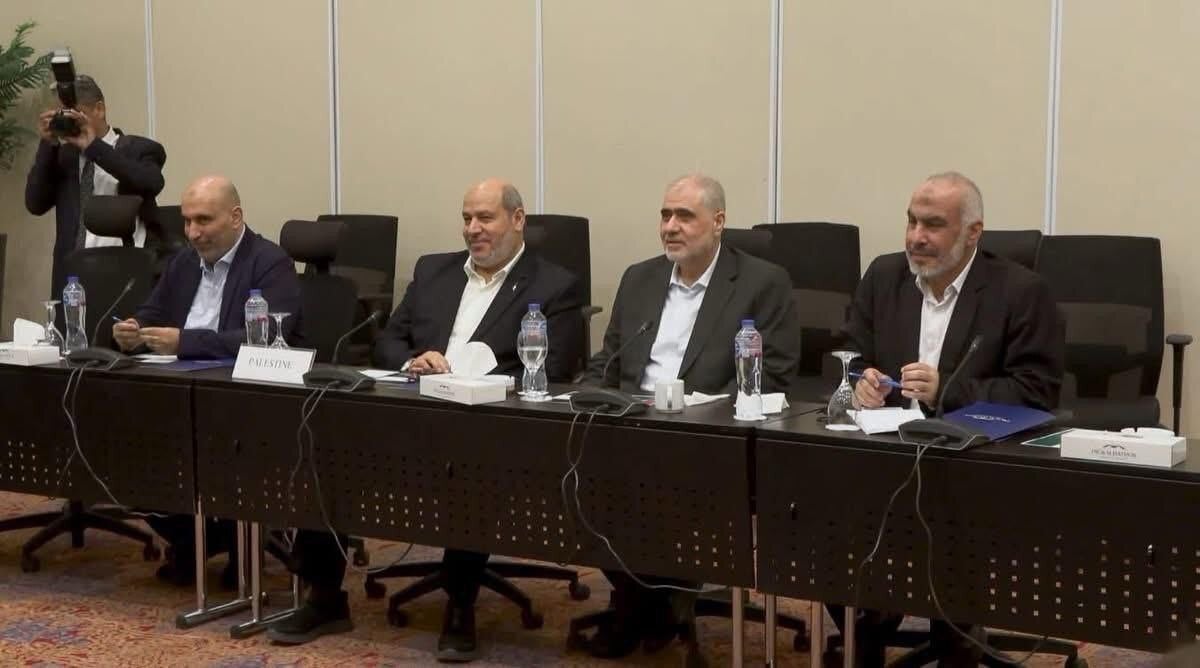
The Board of Peace has been engaged in negotiations with Hamas for several months, conditioning major reconstruction projects for the war-flattened Gaza on the decommissioning of the group’s weapons.
Hamas has refused to comply, arguing that Israel must first adhere to the terms of the ceasefire’s first phase, which included a hostage-prisoner exchange along with the scale-up of humanitarian aid into the Strip and the partial withdrawal of Israeli forces.
In an apparent effort to meet Hamas halfway, Mladenov and Lighstone state in the letter that they approached Israel in early April to secure guarantees that it would fully implement US President Donald Trump’s 20-point plan for ending the war.

While the Board of Peace has preferred using the 20-point plan as the foundation of its work, the ceasefire document that Israel and Hamas actually signed last year only focused on the first phase.
Hamas has argued that progressing to the second phase’s defining issue of disarmament cannot take place before phase one is fully implemented.
The letter doesn’t explicitly state that Israel has been violating the terms of phase one, but it does go through eight key terms largely from a previously unpublished humanitarian annex of the October ceasefire deal, and states that Israel has again agreed to adhere to each of them.
For example, it quotes the October deal’s clause stating that “All military operations, including aerial and artillery bombardment and targeting operations, will be suspended.”
It then says Israel has recommitted to “suspend all military operations.”
For its part, Israel has continued carrying out near-daily strikes throughout Gaza since the ceasefire, justifying them by saying it is striking “imminent” threats to its forces.
Other terms of the ceasefire, the Board of Peace envoys say in the letter, that Israel has recommitted to following, including allowing in 4,200 trucks of humanitarian aid into Gaza each week, fully reopening the Rafah Crossing between Gaza and Egypt, withdrawing IDF troops to the originally-agreed-to Yellow Line in Gaza, allowing in shelter items and medical supplies and repairing critical infrastructure in the Strip.
Aid numbers dropped significantly below required benchmarks following the outbreak of the US-Israeli war against Iran, though those numbers have come back up in recent weeks following Board of Peace pressure on Israel. Similar pressure was needed to resume the operation of the Rafah Crossing, while it has apparently been less successful in coaxing Israel to halt its gradual pushing of the Yellow Line closer to the Gaza coast.
While Trump’s 20-point plan envisioned Israel’s gradual withdrawal from the Strip in line with Hamas’s disarmament, recent months have instead seen the IDF unilaterally expand the half of the Strip that was supposed to only remain under its control temporarily.
The Board of Peace envoys’ decision to first request Israeli assurances on specific issues raised by Hamas and then lay them out in the letter appeared to be an implicit acknowledgement that those key phase one terms had been violated by Israel. But Mladenov and Lightstone appeared to have been satisfied by the guarantees they secured from Israel and wrote in the letter that the ball was in Hamas’s court.
Writing to National Committee for the Administration of Gaza (NCAG) chief commissioner Ali Shaath on the week of April 5, the pair informed him that the mediators had submitted to Hamas a “framework for weapons decommissioning and IDF withdrawal” on April 3.
“We expect to finalize negotiations on the implementation of the decommissioning framework this week,” wrote Mladenov and Lighstone, a State Department official who has also been appointed as a senior adviser to the Board of Peace.
The pair appeared to be referencing the April 11 deadline they had given Hamas to accept the framework for the gradual handover of all weapons over an eight-month period as a basis for negotiations.
With Hamas pushing back on the effort, the Board of Peace envoys decided to swallow their deadline, rather than blow up the talks completely.
Hamas on Saturday finally submitted its response to the disarmament framework it received roughly one month earlier, but largely bucked demands to give up all of its weapons, according to two Arab diplomats familiar with the matter.
The terror group’s counteroffer instead argued that the handover of its weapons can only be done as part of a framework culminating in the establishment of a Palestinian state, the diplomats said.
Israel is reportedly preparing to resume intensive military operations in Gaza, though disarming Hamas proved elusive over two years of war. Supporters of a renewed military operation claim soldiers will have an easier time operating, given that there are no longer any Israeli hostages in Gaza.
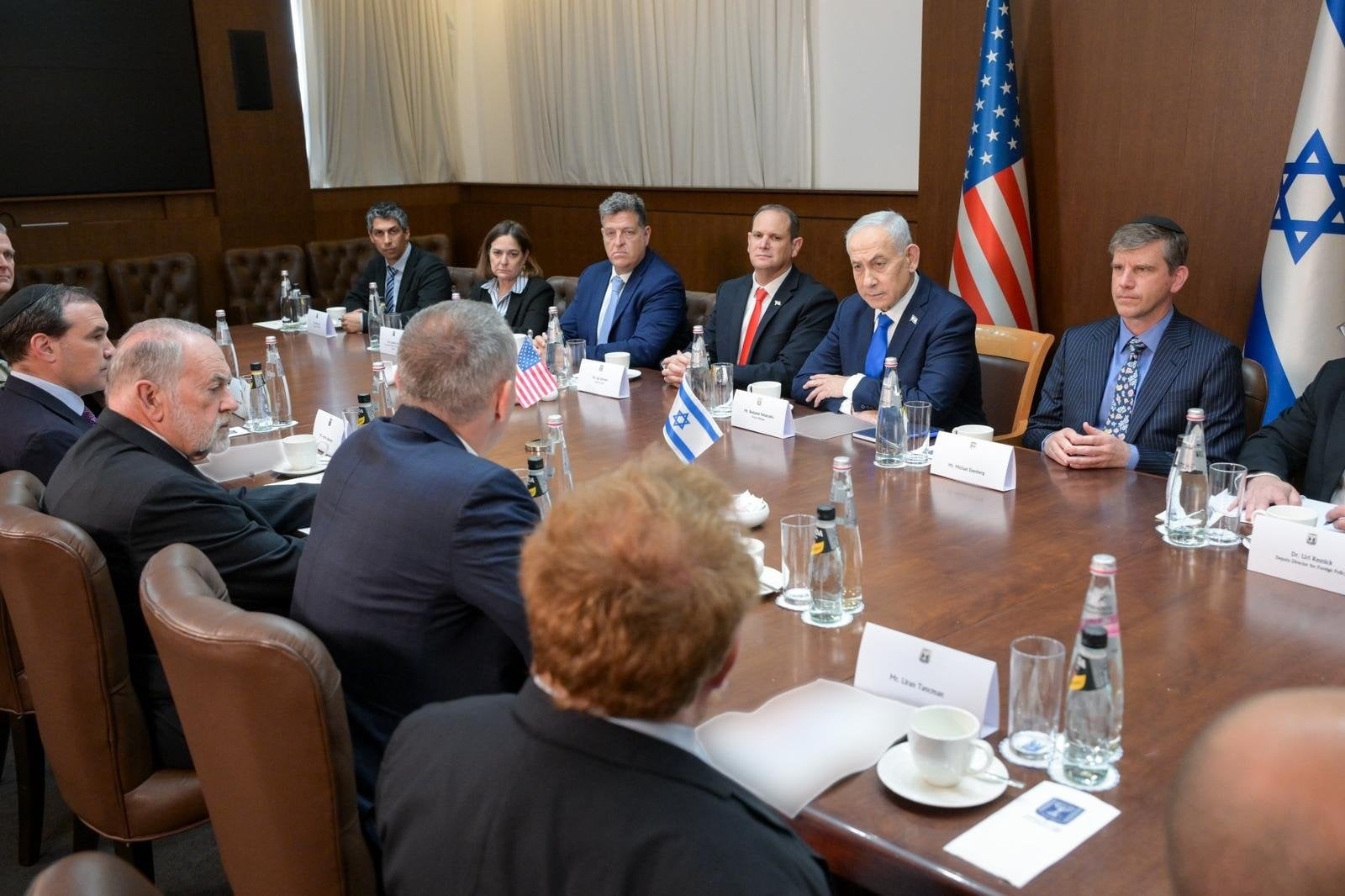
Mladenov — whose office declined to comment on the record about this story — met with Prime Minister Benjamin Netanyahu in Jerusalem on Tuesday and tweeted afterward that it was a “positive and substantive discussion.”
“We all reaffirmed our commitment to the full implementation of Trump’s 20-Point Comprehensive Plan,” he wrote. “Working with all sides to turn commitment into concrete actions. This will require decisions for progress. We keep moving forward in the interest of a better future for Israelis and Palestinians.”







The Times of Israel Community.