

Colombians head to the polls, with 2 pro-Israel candidates challenging anti-Israel leftist
Frontrunner Cepeda has vowed to continue path of incumbent Petro who cut ties with Jewish state; right-wingers De La Espriella and Valencia want to restore alliance
 Add ToI as a Preferred Source on Google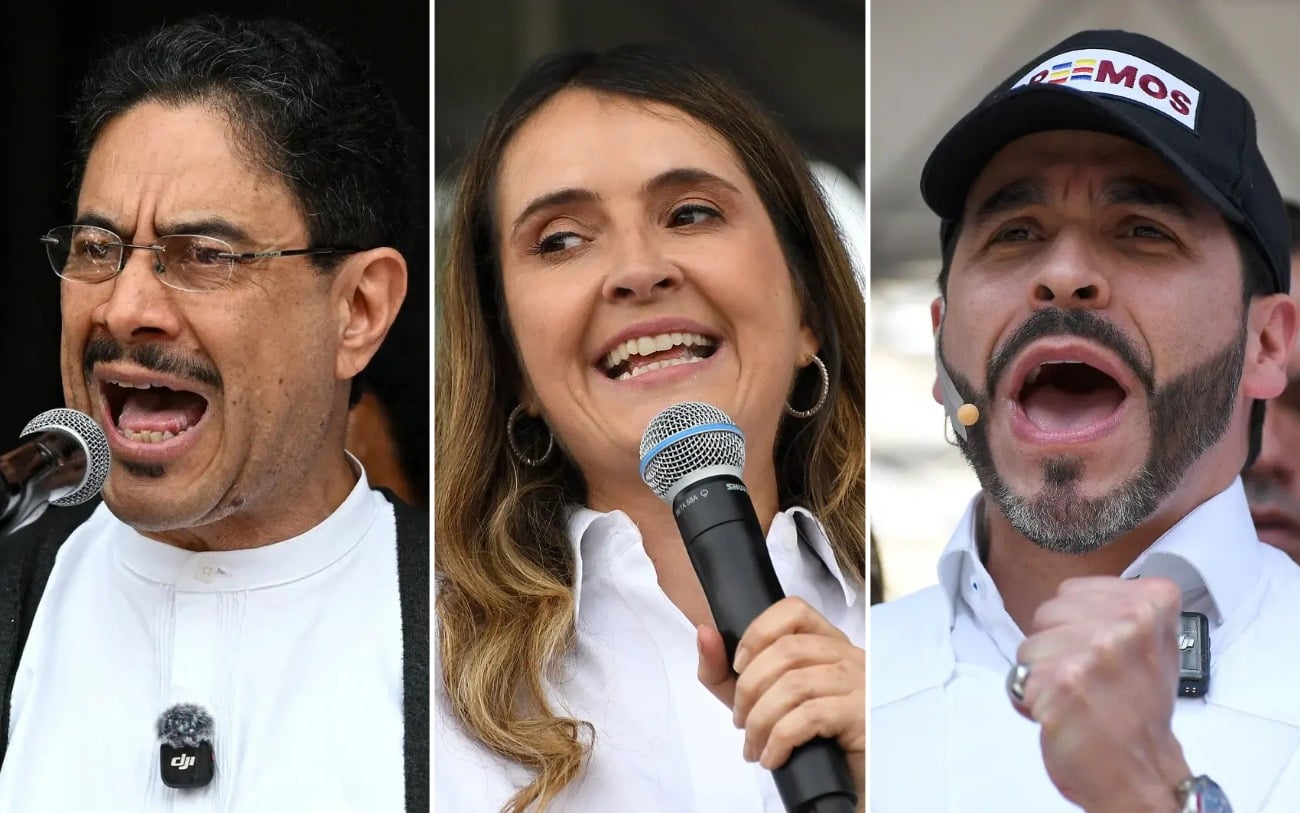
BOGOTA — Colombians are set to vote on Sunday in what is likely the first round of a presidential election, amid deep polarization between those seeking continuity with the leftist government — including its severing of ties with Israel — and those pushing for a shift to restore security, economic growth and relations with the Jewish state.
Ivan Cepeda, the candidate for the leftist Historic Pact coalition, has led in polling on his pledges to expand President Gustavo Petro’s social programs and pursue peace with illegal armed groups to end a six-decade internal conflict, though he is expected to face an uphill battle in an eventual second round.
He has promised to stick to Petro’s stance on Israel, with which the current president severed ties in 2024 over the war in Gaza, which he cast as a genocide — a charge vehemently denied by Israel. Petro’s four-year term ends on August 7; the constitution prohibits a second successive presidential term.
Last year, Cepeda filed a police complaint against former president Ivan Duque for “apology of genocide” over Duque’s trip to Israel and meeting with Prime Minister Benjamin Netanyahu.
Cepeda, a 63-year-old philosopher and congressman since 2010, has proposed tax reforms to broaden the tax base, levy wealth taxes and reduce exemptions for large companies to fund social spending. He has said he is open to proposals from the left to rewrite the constitution.
Cepeda, whose communist leader father was killed in a 1994 paramilitary attack, faces a divided right led by independent businessman Abelardo De La Espriella and Senator Paloma Valencia, who former president Alvaro Uribe backs. Both candidates are pro-Israel and have strong ties with the local Jewish community.
Pledge to open Jerusalem embassy
De La Espriella, a 47-year-old political outsider whose supporters call him “The Tiger,” has centered his campaign on security, shrinking the state and reviving the economy. His proposals include an aggressive response to crime, drug trafficking and illegal armed groups, strengthening the armed forces and building mega-prisons. He plans to cut taxes and revive the mining and oil sectors.
Last month, he promised to “renew a strategic alliance with the State of Israel” and “defend the Judeo-Christian principles that form the foundation of Western civilization.”
In a post on X hailing the Jewish community, De La Espriella added: “In my government, Colombia will take a clear step in its foreign policy: we will establish our embassy in Jerusalem and strengthen a direct, firm and strategic relationship with Israel.”

Valencia, 48, a lawyer and candidate for the right-wing Democratic Center party, has similarly emphasized security and economic recovery. She has vowed to combat illegal armed groups, end Petro’s efforts to negotiate peace deals, cut corporate taxes to boost employment and pursue reforms to healthcare, justice and pensions.
She chairs a congressional caucus advocating strong political, economic and cultural ties with Israel, has spearheaded condemnations of Petro’s remarks and steps taken against Israel, has called the severing of ties “irresponsibility and fanaticism,” and has stressed the “need to work with Israel in cooperation on security, defense and trade.” She has also fostered close ties with Colombian Jews.
However, her running mate Juan Daniel Oviedo takes a different view and has accused Israel of genocide in the war in Gaza, which began with Hamas’s terror onslaught of October 7, 2023.
Centrist candidates in Sunday’s election, including former Antioquia Governor Sergio Fajardo and former Bogota Mayor Claudia Lopez, have lagged in the polls compared to previous elections.
Surveys suggest it is unlikely any candidate will secure more than 50 percent of the vote on Sunday, meaning the top two finishers would advance to a runoff on June 21.
Whoever wins will face major challenges, including stabilizing public finances in Latin America’s fourth-largest economy, reducing poverty, curbing violence linked to the internal conflict, and addressing social needs.
More than 41 million Colombians are eligible to vote in polls that open at 8 a.m. local time (1300 GMT) and close eight hours later.







The Times of Israel Community.