

Columbia’s interim president steps down amid fallout over response to anti-Israel activity
University gives no reason for Katrina Armstrong’s decision to step aside and return to her previous post, says board of trustees co-chair Claire Shipman to take over for now
 Add ToI as a Preferred Source on Google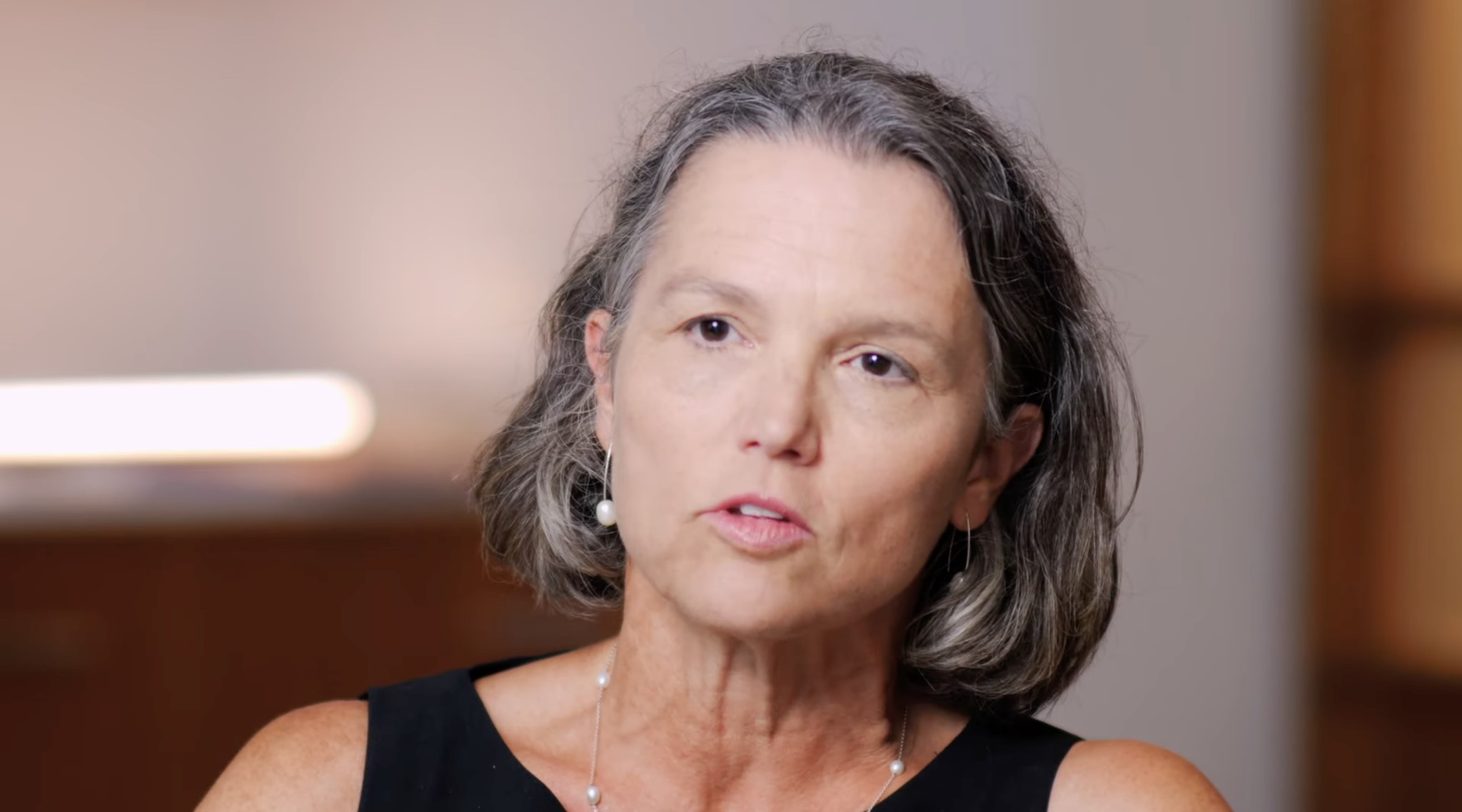
Columbia University’s interim president, Katrina Armstrong, has stepped down, the college said, at a time when the New York-based institution is facing intense pressure from both the government and rights advocates over how it responds to last year’s pro-Palestinian protests against Israel.
Armstrong is returning to lead the university’s Irving Medical Center, Columbia University said in a statement on Friday. It did not give a reason for the change.
“Board of Trustees Co-Chair Claire Shipman has been appointed Acting President, effective immediately, and will serve until the Board completes its presidential search,” it said.
The administration of US President Donald Trump canceled $400 million in federal funding for Columbia, saying the university did not do enough to combat antisemitism and student safety amid last year’s campus protests against Israel over the war with Hamas in Gaza.
The move created what many considered an existential crisis and the university quickly capitulated, agreeing to a list of administration demands.
In a campus-wide email at the time, Armstrong wrote that her priorities were “to advance our mission, ensure uninterrupted academic activities, and make every student, faculty, and staff member safe and welcome on our campus.”
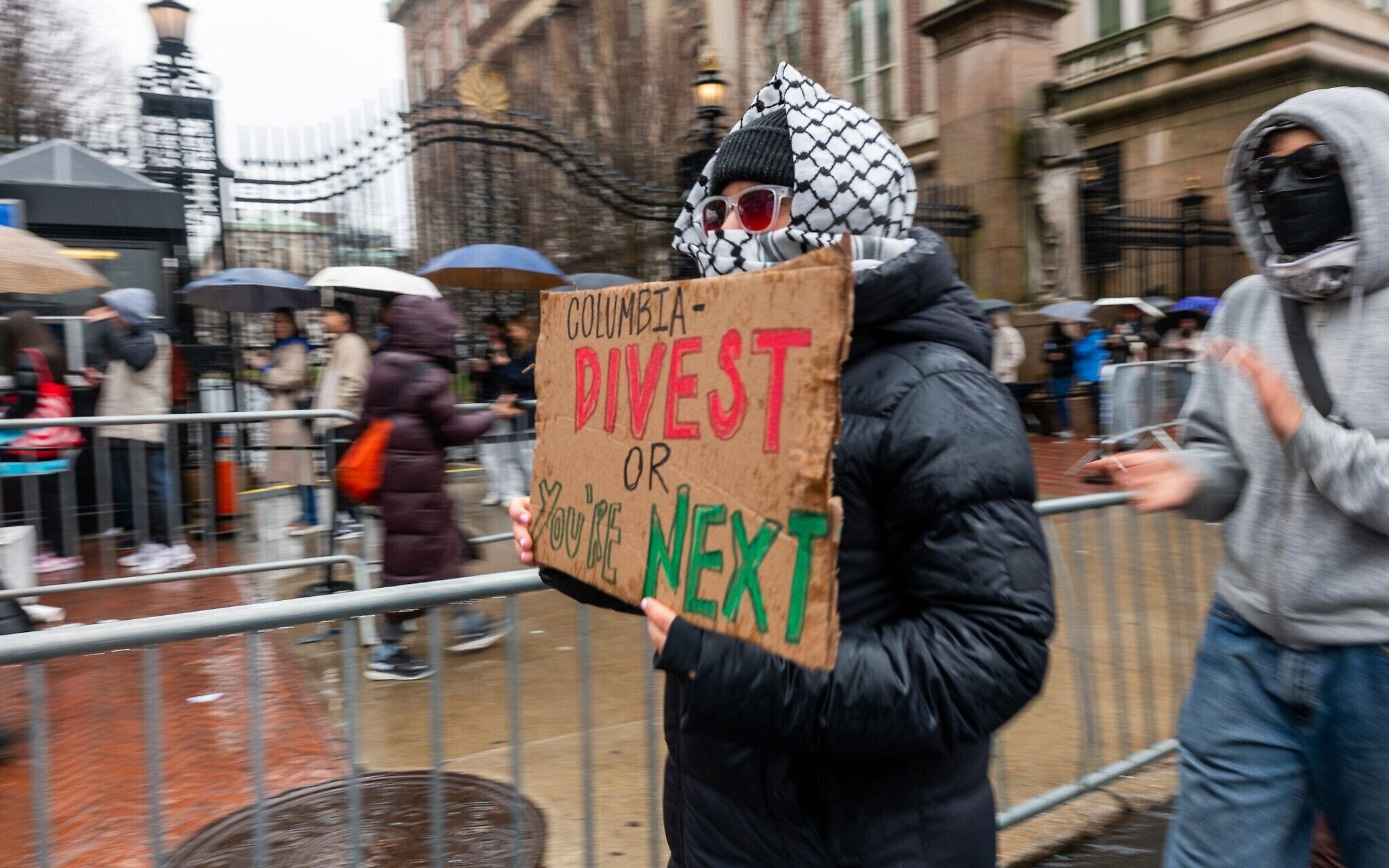
Among the new changes, Columbia agreed to review its admissions policies, require protesters wearing masks to identify themselves, bar demonstrations from academic buildings and to put its Middle East studies department under the supervision of a new senior provost with a mandate to review its leadership and curriculum.
The school’s acquiescence was condemned by some faculty members and free speech advocates, with Donna Lieberman, the executive director of the New York Civil Liberties Union, claiming it “endangers academic freedom and campus expression nationwide.”
In recent weeks, the Trump administration has also moved to deport several Columbia students who participated in demonstrations as it cracks down on noncitizens involved in pro-Palestinian activism against Israel on campuses.
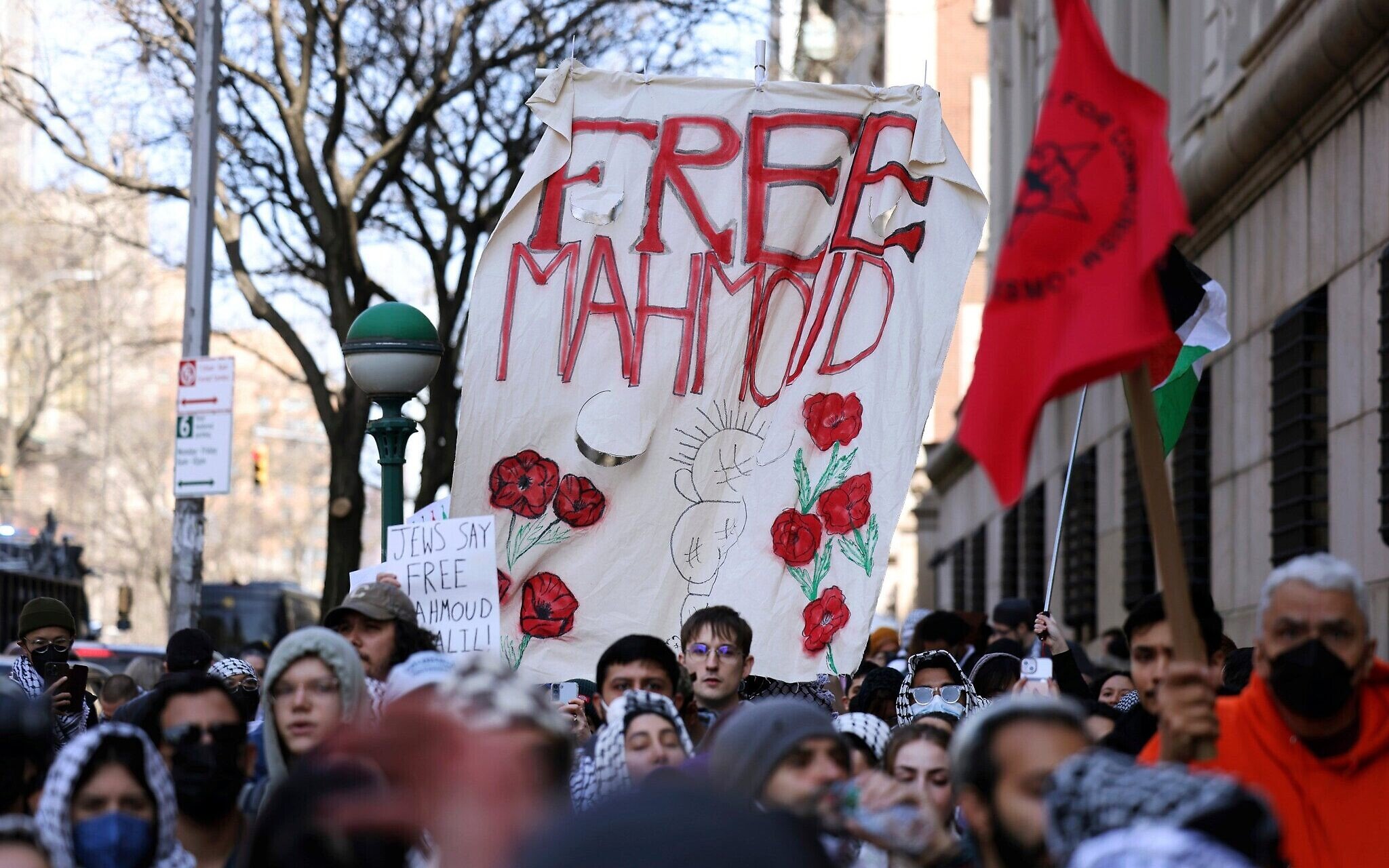
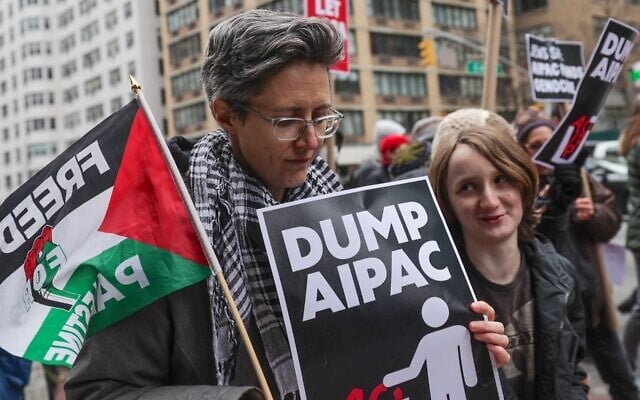
Columbia was at the center of Gaza encampment protests in the summer of 2024 that spread around the United States. Protesters demanded an end to the Gaza war, which was sparked by the Hamas terror group’s October 2023 atrocities in southern Israel, and urged their colleges to divest from companies with ties to Israel.
Armstrong had stepped into the role after the previous president, Minouche Shafik, resigned in August following scrutiny of her handling of the protests and corresponding campus divisions.
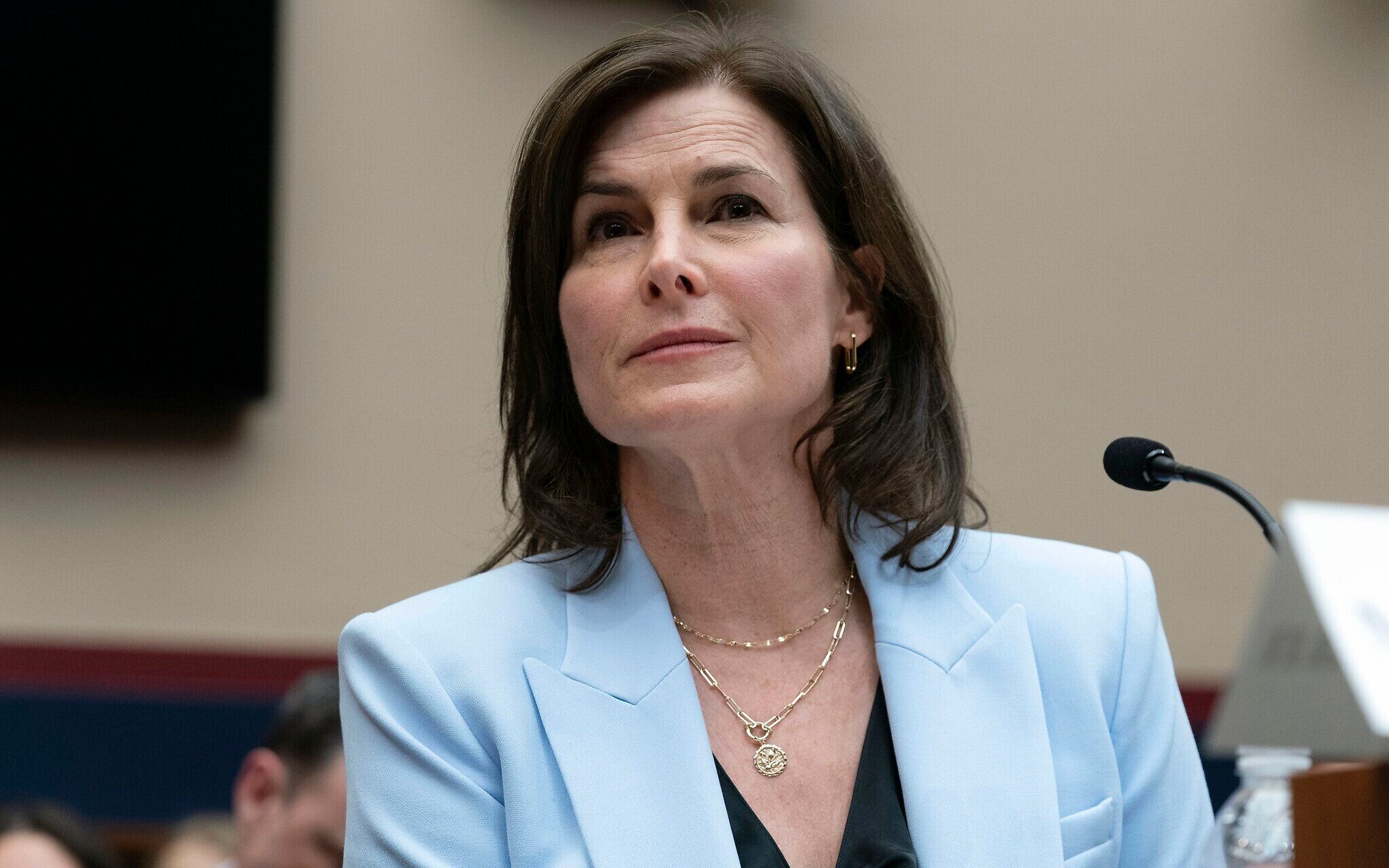
The new acting president, Shipman, was a correspondent for ABC News, NBC News and CNN over a long career in journalism, covering the White House and Russia, among other beats. She has written several books on women’s leadership.
Shipman said in a statement she is assuming the role “with a clear understanding of the serious challenges before us and a steadfast commitment to act with urgency, integrity, and work with our faculty to advance our mission, implement needed reforms, protect our students, and uphold academic freedom and open inquiry.”
She added that when a permanent president is chosen, that person will “conduct an appropriate review of the University’s leadership team and structure to ensure we are best positioned for the future.”
Whoever accepts the role permanently will have to navigate between the demands of the Trump administration and ongoing protests from students over the Gaza war and emerging restrictions.








The Times of Israel Community.