

Comptroller pans government for failing to plan for air travel turbulence during war
Report finds consumers paid high ticket prices when service was disrupted by fighting, calls for conditioning aid to industry on prioritizing national interest over profits
 Add ToI as a Preferred Source on Google
Sharon Wrobel is a tech reporter for The Times of Israel
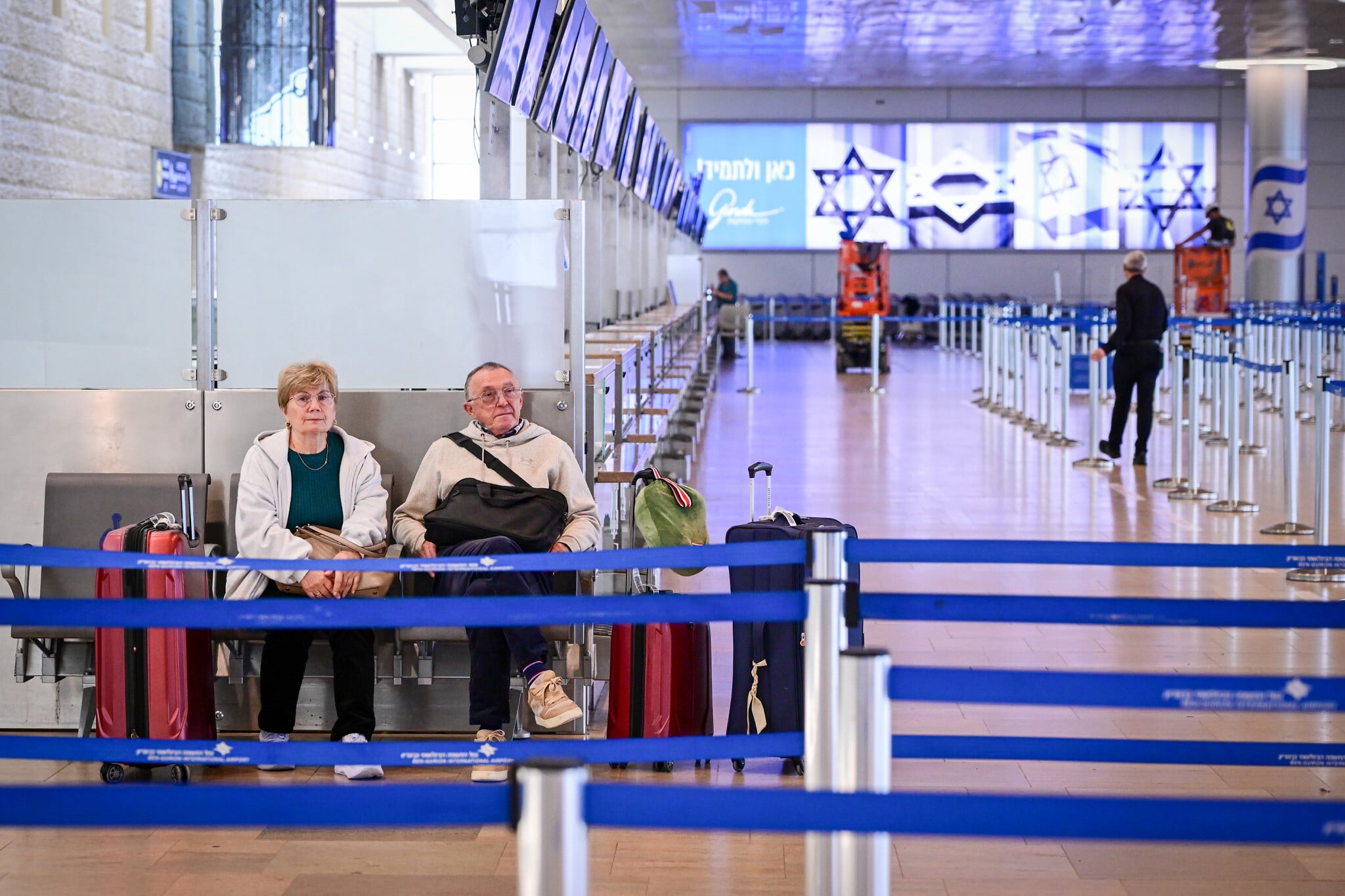
The government failed to plan ahead for mass air travel disruptions that could occur during wartime, resulting in repeated crises in recent years in which tens of thousands of Israelis have been stranded abroad, including reservists attempting to return to join the fight, the state auditor charged in a damning report published Wednesday.
Issued just as civil air traffic in Israel is starting to recover from the latest round of fighting, the state comptroller’s report found systematic shortcomings in the government’s handling of civil air traffic disruptions during prolonged emergency periods since the October 7, 2023, Hamas terror onslaught, which plunged the region into war.
Civilian air traffic was largely curtailed following the attack, and many foreign carriers have repeatedly suspended or canceled their Tel Aviv routes in response to the evolving security situation, which has included ballistic missile fire targeting the airport. During the 12-day war with Iran in June and in the latest war with Iran launched on February 28, Israel also severely restricted use of its airspace.
The extended disruptions since 2023 have left hundreds of thousands of people stranded abroad or unable to leave, and have also repeatedly forced travelers to rely only on carriers based in Israel: El Al, Israir, Arkia, and Air Haifa.
According to the report, Israelis, including soldiers and reservists, whose flights were canceled after October 7 and the June war with Iran struggled with air travel options and bore high financial burdens as ticket prices soared. During both conflicts, “it became clear that aspects of civil aviation were not adequately prepared for a protracted war,” State Comptroller Matanyahu Englman charged in pre-recorded comments accompanying the report.
When war broke out on October 7, “the Transportation Ministry, the Civil Aviation Authority, and the National Security Council had no procedure in place to prioritize the return of Israeli passengers abroad during an emergency based on their essentiality and national importance to the economy,” Englman said.

“Even soldiers and reservists who received call-up orders were forced to search for flights and pay high prices to return urgently to Israel,” said Englman.
During the June war, the closure of Israel’s airspace left between 100,000 and 150,000 people scrambling for a way to return to Israel. Due to limited flight availability, many had to pay for unplanned stays abroad and those who managed to find a way back often paid double or triple their original ticket price to do so.
“As a result, those who returned first were primarily individuals with the financial means to afford high ticket prices,” the report found.

The state comptroller criticized the Transportation Ministry, Israel Competition Authority, and Consumer Protection Authority for failing to act to help moderate price hikes and provide assistance to affected passengers despite the powers granted to them. In addition, government authorities did not provide clear guidance to passengers regarding return options.
“Given Israel’s geographic characteristics and its reliance on air transport as its primary gateway to the world, the functioning and continuity of aviation services is of critical national importance,” the report said.
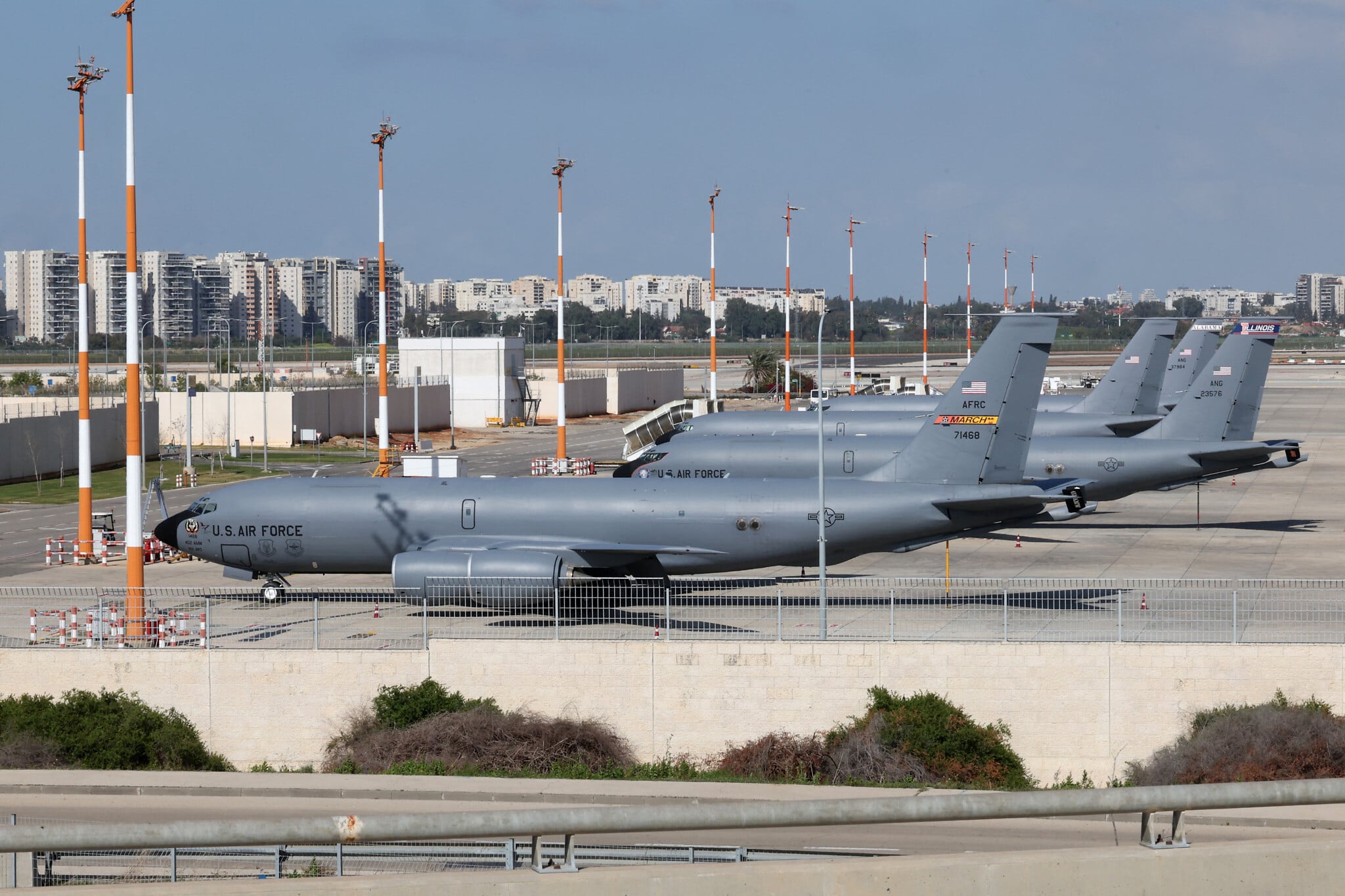
The persisting lack of preparedness was hammered home during the latest war with Iran, which led to air travel being curtailed again, though the report was compiled before Israel and the US began attacking Iran on February 28.
“The [recent] missile attacks from Iran and Lebanon during Operation Roaring Lion further underscore the need for state authorities to ensure that the aviation system functions properly even during an emergency,” said Englman.
In response, the Transportation Ministry, which was given the opportunity to study the report in advance of its publication, said that it had already implemented some of the report’s recommendations and was in advanced stages of deploying others, pushing back on criticism of its handling of air traffic during the latest round of fighting.
“Israel successfully managed emergency aviation operations during Operation Roaring Lion, where the Israeli aviation sector proved its operational capabilities and resilience, even under complex and prolonged emergency conditions, while active fighting was ongoing and under missile fire,” the ministry said in emailed comments. “This experience illustrates that some of the issues and scenarios mentioned in the report have already received an actual response in practice.”
According to the comptroller, the government lacks effective tools to impact strategic decisions of Israeli airlines during emergencies. As a result, in times of crisis, local airlines continued to prioritize their economic interests over national needs.
The report called on the government to reach binding agreements with Israeli airlines, conditioning government support on commitments from the airlines to serve the national interest during emergencies rather than their bottom lines.
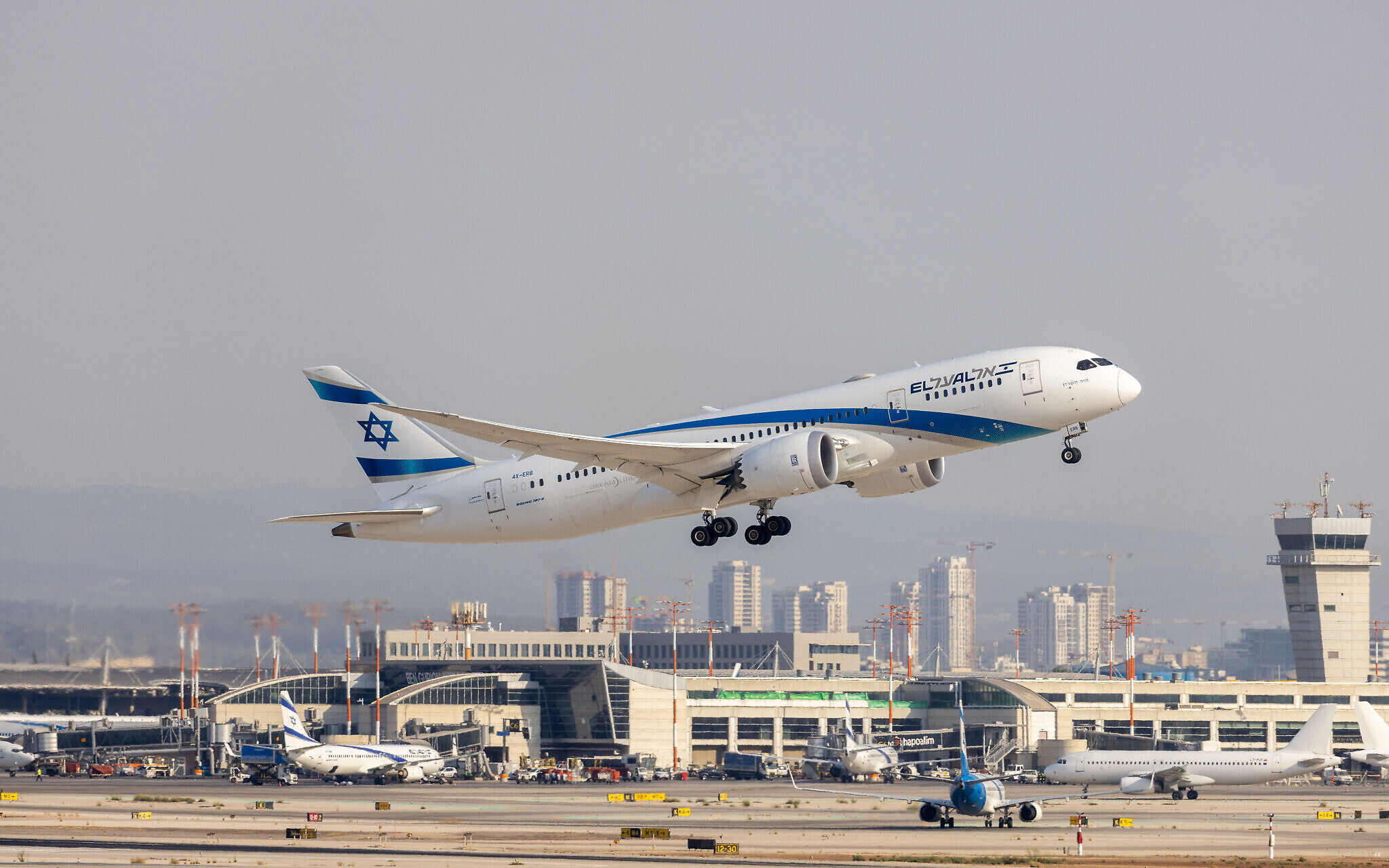
“Although the government backed Israeli airlines from the start of the COVID-19 pandemic through the end of Operation Rising Lion, it did not require them in return to agree to arrangements that would enable oversight over their operations in future emergencies,” the report said. “Additionally, there was no attempt by the government to invoke vital interests orders for the operation of flights during the war period.”
While Israeli airlines are subject to extra security costs, the government subsidizes the majority of security-related expenses. In addition, Jerusalem provides billions of dollars in state-backed guarantees to local carriers for insurance coverage against war risks.
In response, the Transportation Ministry said that the issues of flight prices and insurance mentioned in the report were not within the ministry’s “area of responsibility, but fall under the responsibility of the competent economic and regulatory authorities.”
Though flag carrier El Al has been privatized, the state holds a so-called golden share intended to ensure the airline’s activities meet national interests. However, the comptroller found that the arrangement did not provide meaningful control over the airline’s operations.
According to the state, the share does not allow the state to order El Al to operate additional flights during an emergency, determine flight destinations, expand its schedule to include Shabbat flights, or intervene in setting ticket prices.

The comptroller called on the Transportation and Finance ministries to draft a comprehensive national aviation policy governing the state’s relationship with Israeli airlines. The legislative policy should spell out in advance what financial support airlines can expect during emergencies, set clear operational standards, and establish agreed-upon principles for compensating carriers and consumers when service is disrupted — while ensuring that airlines, in turn, commit to maintaining operations without passing along increased costs to passengers.
The Transportation Ministry said it agrees with the comptroller’s recommendation that a “permanent and regulated legislative arrangement needs to be advanced, one that would allow the necessary flexibility and adjustments during future emergency periods.”
Englman also urged Prime Minister Benjamin Netanyahu to fast-track decades-old plans for another major international airport, which he called a strategic necessity.
“The recent wars highlighted the need for a secondary airport,” said Englman. “The government’s foot-dragging and delays in deciding where and when to build the airport have been going on for years, and the airport has still not been built.”
“This must be viewed with grave concern,” he cautioned.
The government recently moved ahead with plans for two new airports, one at the current site of the Ramat David air force base in northern Israel and another at a controversial site in the northern Negev. However, neither project is expected to be operational for years and both still face significant hurdles.









The Times of Israel Community.