

Eisenkot calls for defense chiefs to resign ‘the moment there’s a break in fighting’
‘Great mistake’ to delay hostages’ return until agreement reached regarding Gaza-Egypt border, says MK, adding he alone supported extending November truce to get out elderly men
 Add ToI as a Preferred Source on Google
MK Gadi Eisenkot of the opposition’s National Unity party said Thursday that Israel’s defense brass should resign “the moment there’s a break in the fighting,” while calling on the government to not wait to approve a hostage-for-ceasefire deal until it receives satisfactory guarantees regarding the Gaza-Egypt border.
Eisenkot also accused the government of missing out on a chance to release elderly male hostages during the week-long November ceasefire with Hamas. He said the cabinet had caved to pressure from far-right National Security Minister Itamar Ben Gvir to resume fighting. Eisenkot said he was the only cabinet member who supported extending the truce at the time.
National Unity, led by MK Benny Gantz, joined the emergency coalition government when war broke out, and Gantz and Eisenkot were members of the high-level war cabinet steering the conflict before departing the coalition in June.
Himself a former IDF chief of staff, Eisenkot hailed Israel’s top security brass as “excellent people who are committed” to the country, “but they are responsible for the State of Israel’s greatest failure since the country was founded.
“Therefore everyone, from the division commander to the prime minister, needs to leave their roles — to take responsibility and resign,” he told Army Radio, calling on them to follow former military intelligence chief Maj. Gen. Aharon Haliva in resigning.
Turning to the current round of hostage talks and Prime Minister Benjamin Netanyahu’s insistence that Israel controls the so-called Philadelphi Corridor along the border between the Gaza Strip and Egypt, Eisenkot said that while sealing that frontier “is a worthy and correct aim,” it was not among the goals that the government approved for the war.
Eisenkot, who was an observer in the war cabinet until National Unity leader Benny Gantz pulled the party out of the government in June to protest Netanyahu’s management of the war, said returning the hostages seized during the Hamas-led October 7 attack that started the war in Gaza “is a national duty.”
“It would be a great mistake to delay the return of the hostages until we reach an arrangement with Gaza and Egypt on the Philadelphi Corridor,” he said.
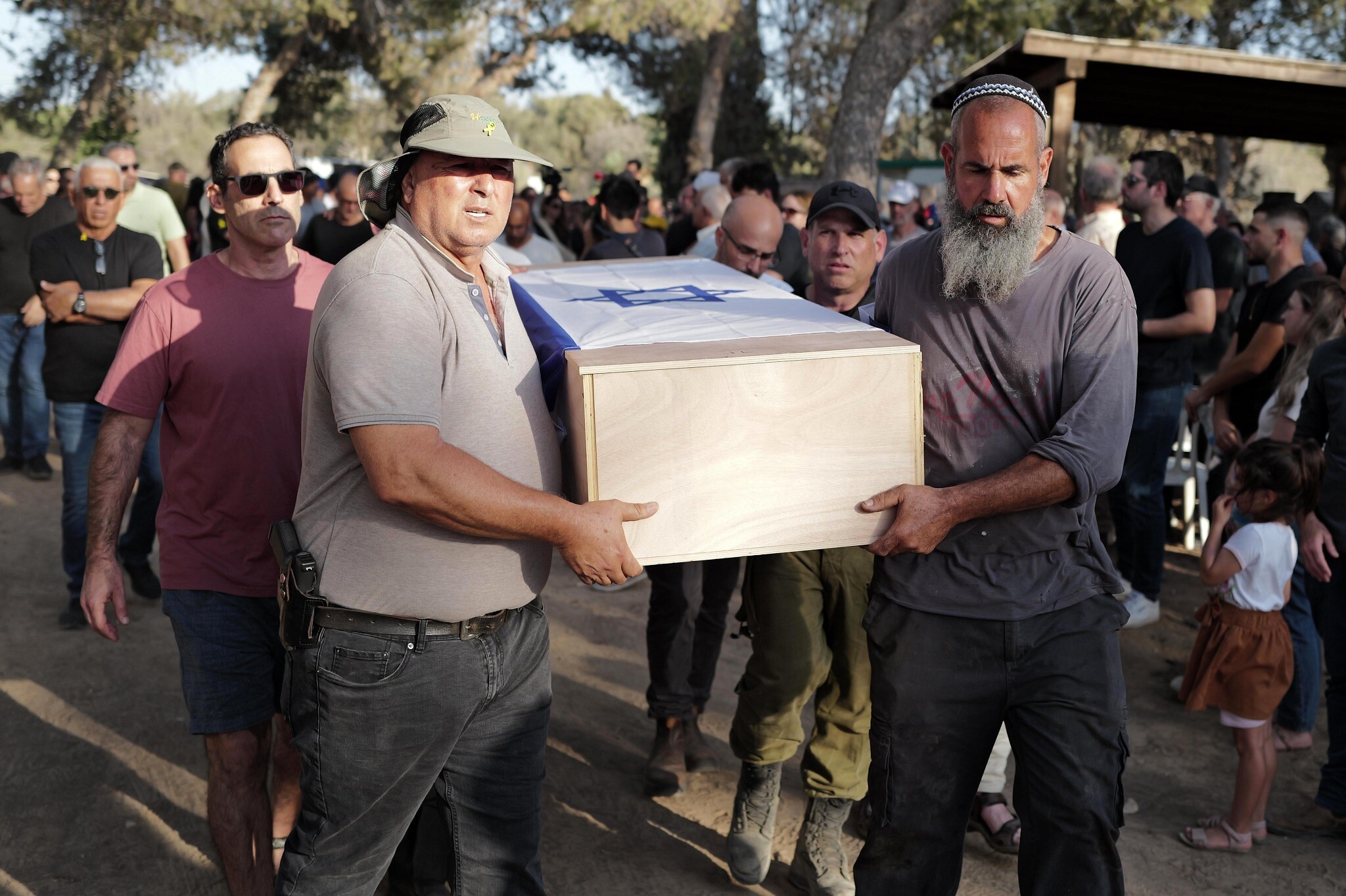
“The hostages don’t have time, every day that passes there are fewer hostages to bring back,” he continued, noting the six captives whose remains were recovered from Gaza this week. Initial autopsy findings released Thursday found that all the bodies had gunshot wounds, likely indicating they were killed by their captors.
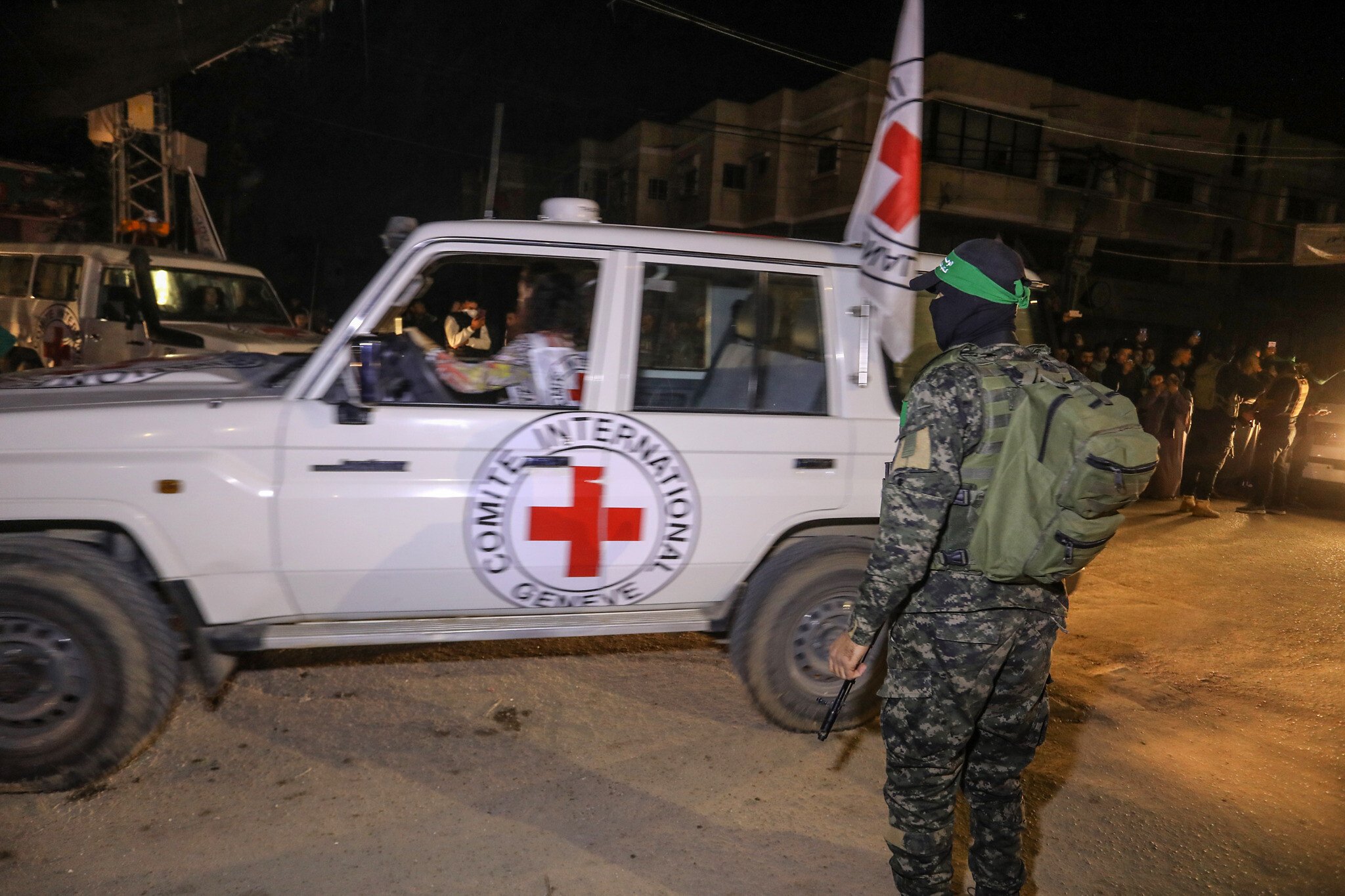
During a weeklong ceasefire in November, Hamas released 105 women and children from captivity in exchange for 240 Palestinian prisoners. It broke down when Hamas failed to produce a list of further women to be released on the eighth day and fired rockets at Israel.
Eisenkot said Israel could have gained the release of some elderly men if the government hadn’t resumed fighting in response to Hamas’s breaches of the deal, but “then Ben Gvir put out a statement that he would topple the government” if the truce continued.
The “threats from extremists in the government,” said Eisenkot, are a “cloud that hangs over all decision-making.”
Israel was right to insist on releasing women, he said, “but I didn’t think it was right to insist toward the end.”
“I was in favor of actualizing the agreement in any way, even if we moved on to the category of elderly men and then returned to women,” he said, adding that he was alone in the war cabinet in this opinion.
It is believed that 105 of the 251 hostages abducted by Hamas on October 7 remain in Gaza, including the bodies of 34 confirmed dead by the IDF.
Hamas released 105 civilians in the November truce, and four hostages were released before that. Seven hostages have been rescued by troops alive, and the bodies of 30 hostages have also been recovered, including three mistakenly killed by the military as they tried to escape their captors.
Hamas is also holding two Israeli civilians who entered the Strip in 2014 and 2015, as well as the bodies of two IDF soldiers who were killed in 2014.






The Times of Israel Community.