

Ex-officer sentenced for spreading fake conspiracy against IDF chief
Boaz Harpaz gets 220 community service hours; prosecutors note his lost job prospects and nine years of legal proceedings in justifying leniency
 Add ToI as a Preferred Source on Google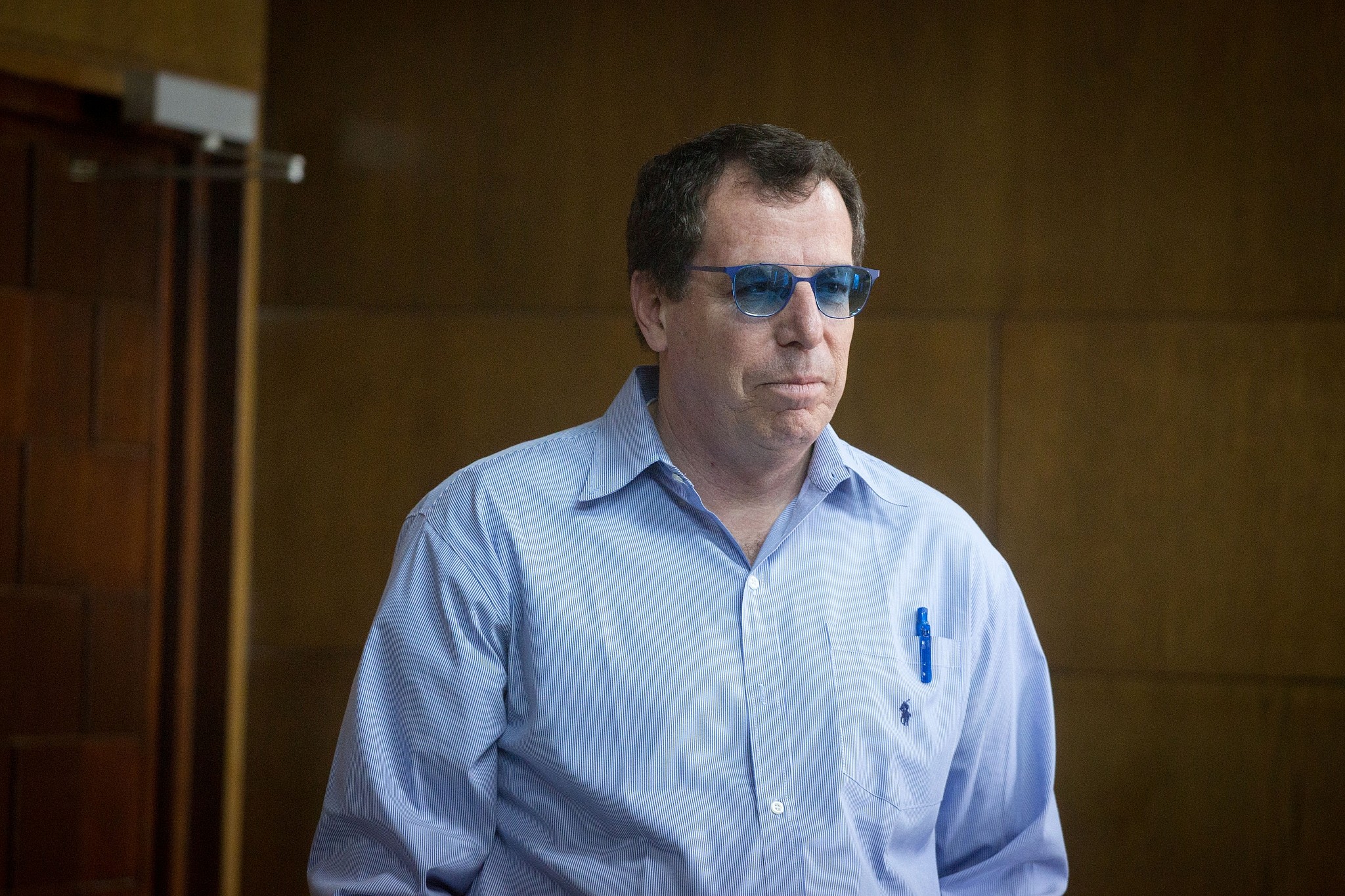
A former IDF officer embroiled in a forgery scandal linked to infighting among IDF generals nine years ago was sentenced on Wednesday, when the Tel Aviv Magistrate’s Court accepted a plea bargain that will see him serve 220 hours of community service.
Boaz Harpaz, a former close confidant of IDF ex-chief of staff Gabi Ashkenazi, came under investigation on suspicions of forgery, fraud and obstruction of justice beginning in 2010, but was only indicted in 2016 because investigators and state comptroller officials kept discovering new suspicions and identifying new suspects in the case.
Harpaz was finally convicted in November 2018 in a plea deal that saw him admit to forgery and other charges in exchange for avoiding jail time.
Wednesday’s sentencing saw the Tel Aviv Magistrate’s Court, which pushed for the plea deal, give final approval to the agreement.
Under the deal, Harpaz admitted to forging and then leaking to the press a document that pretended to be a strategic plan developed for then-IDF southern command chief Yoav Gallant (now a Likud MK) to smear then-IDF chief of staff Gabi Ashkenazi (now a Blue and White MK) as part of a purported Gallant campaign to replace Ashkenazi as army chief.
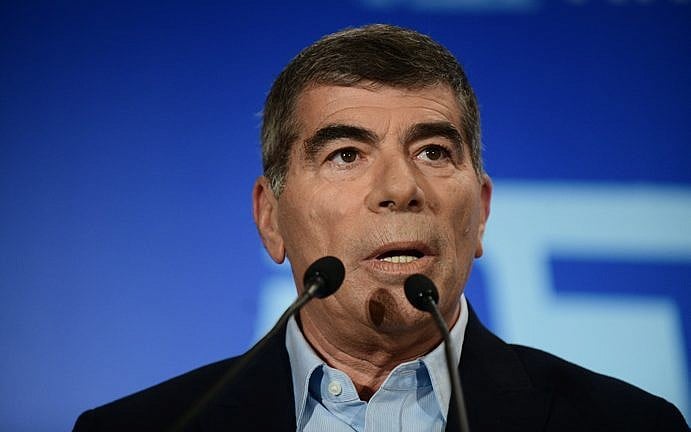
Ashkenazi and Gallant despised each other at the time, and Ashkenazi sought ways to prevent Gallant from becoming chief of staff.
Then-defense minister Ehud Barak described the affair as an attempted “putsch” by Ashkenazi, but Ashkenazi was cleared of wrongdoing by investigators and had the case against him closed in 2016 due to a lack of evidence that he knew the document was faked.
Ashkenazi’s aide-de-camp, Col. Erez Weiner, and then-IDF spokesman Avi Benayahu were also implicated in the affair. Weiner resigned from the army over the affair in 2013.
Two weeks after the Harpaz document first became public in 2010, police identified its author, damaging both Harpaz and Ashkenazi and catapulting Gallant to the front of the running for chief of staff.

Gallant’s candidacy was in the end stymied by a State Comptroller report into alleged false reporting by the general of unapproved construction works around his home in the northern village of Amikam.
The plea deal also stipulates that in one year, Harpaz’s defense team will be allowed to file a pardon request that will expunge his criminal record. That had been the main bone of contention in negotiating the deal, since Harpaz works in defense exports, and won’t be allowed to return to the business until he is granted a pardon.
In a statement linked to the November signing of the plea deal, prosecutors in the case said the deal was “an extremely unusual framework… that takes into account unique circumstances, especially the delay of over four years [between 2011 and 2016] in filing the indictment, for reasons beyond the control of the defendant, and with the realization that the defendant suffered during those years from the damages inflicted by the investigation and the long delays, which were equal to those he would have suffered had he been convicted.”
In oral statements ahead of the sentencing on Wednesday, the prosecution reiterated its view that Harpaz had suffered enough, including public disgrace and the blow to his ability to work caused by the case, which led Defense Ministry officials at one point to revoke his weapons export license, among other sanctions.










The Times of Israel Community.