

French FM says Lebanese army must be given ‘means’ to disarm Hezbollah
Barrot says Lebanese army should replace UN peacekeepers; French source sees window for progress with ‘weakening of Iranian regime’; Hezbollah’s senior security chief resigns
 Add ToI as a Preferred Source on Google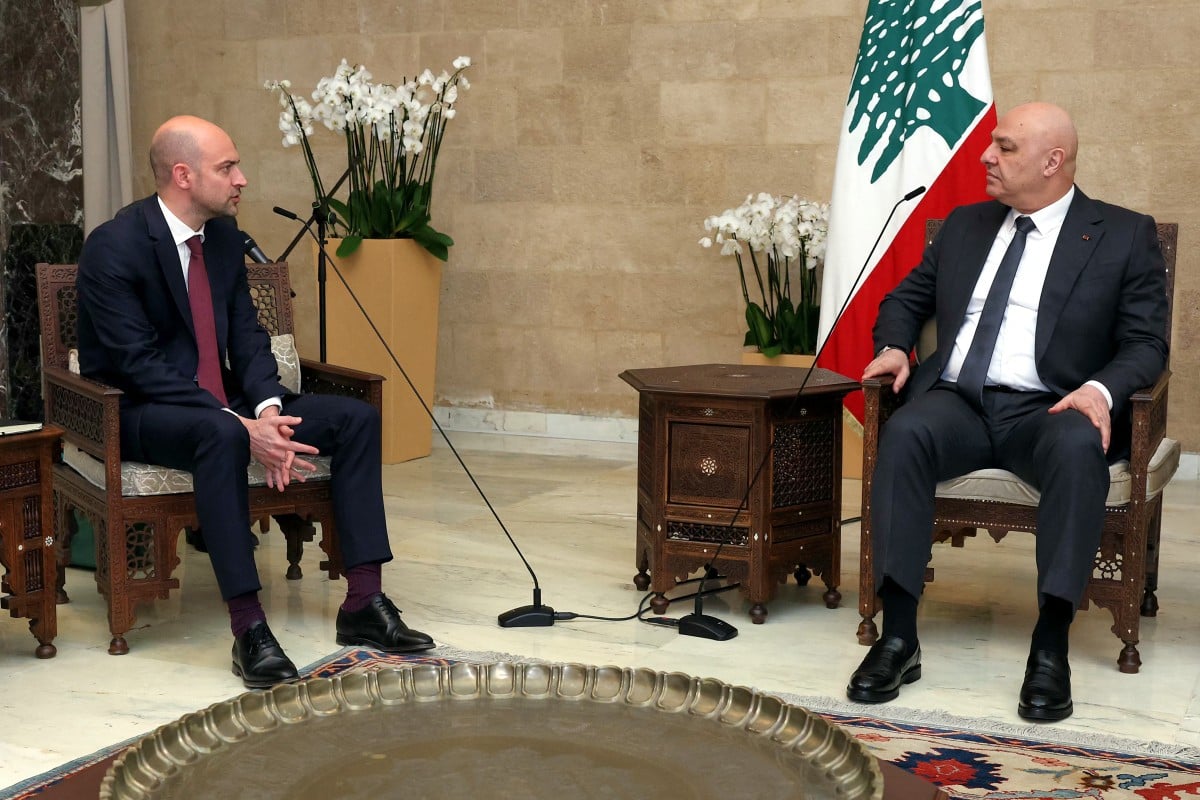
French Foreign Minister Jean-Noel Barrot said Friday that Lebanon’s army must be given the means to disarm the terror group Hezbollah and replace a United Nations peacekeeping force after its mandate ends this year.
On the final stop of a regional tour that has taken him to Syria and Iraq, Barrot was meeting senior officials in Beirut, with discussions expected to address preparations for a March conference in Paris in support of the Lebanese army.
“France’s vision for Lebanon is that of a strong, sovereign state holding a monopoly on arms,” Barrot told AFP.
“The first step to fulfill this mission is to give the Lebanese Armed Forces the means to continue the work of disarming Hezbollah,” he said.
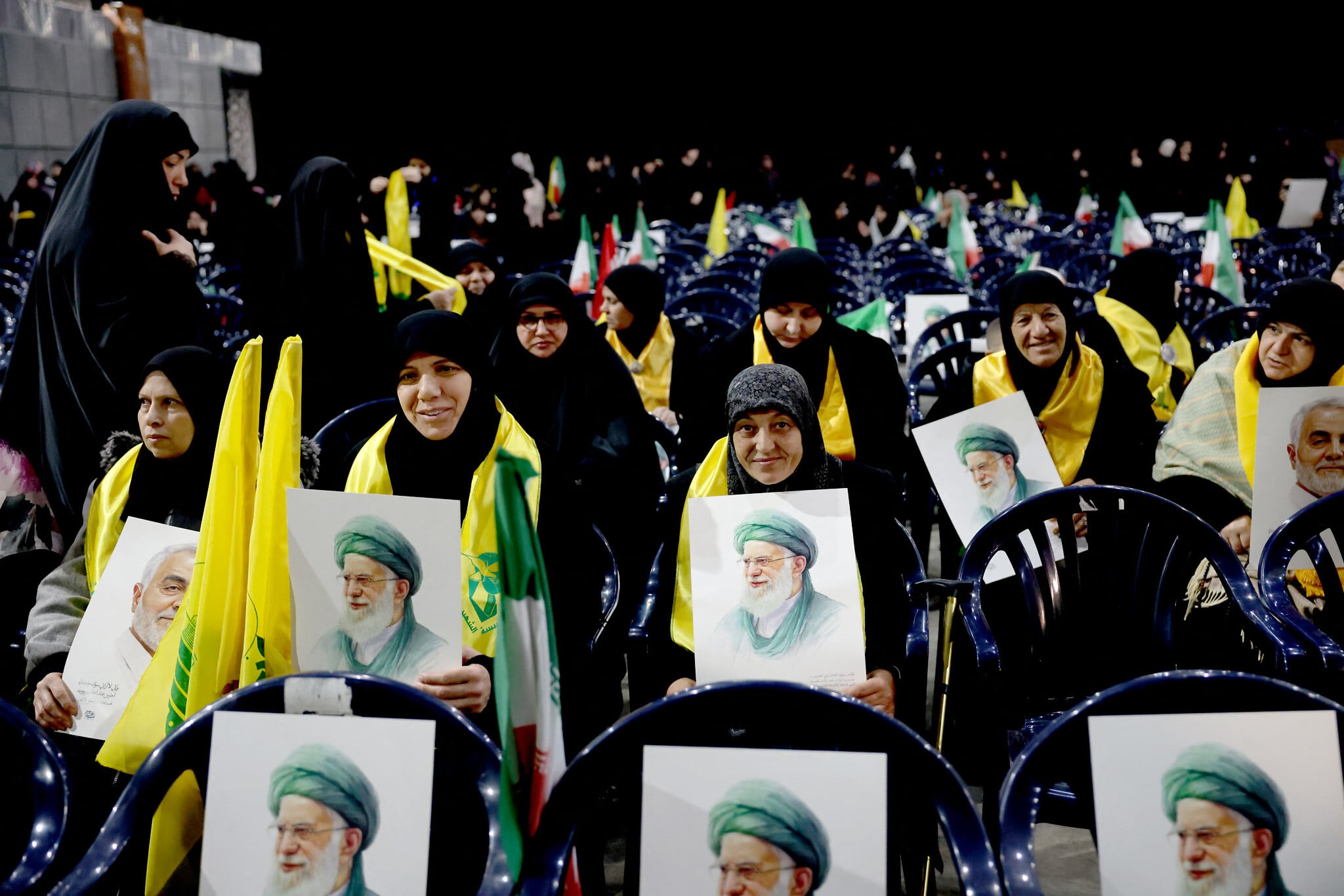
The Iran-backed terror group emerged weakened from its latest war with Israel, which ended in a November 2024 ceasefire agreement.
A French diplomatic source said “the regional context makes the issue of Hezbollah’s disarmament particularly sensitive,” adding that “there is a window for progress on this matter” given the “weakening of the Iranian regime.”
Iran and the United States held talks in Oman on Friday that were seen as a critical chance to avert any new escalation between the foes.
Iran had insisted the talks would be centered solely on its nuclear program, although the United States wanted to discuss issues including Tehran’s backing for terror groups in the region.
Barrot said Lebanon’s army should “replace” the United Nations Interim Force in Lebanon (UNIFIL) “when the time comes for the withdrawal” of the peacekeepers.
“We must now prepare for the post-UNIFIL” stage, he said.
Last year, the UN Security Council decided to conclude the mandate of the force — which has been mandated to act as a buffer between Israel and Lebanon for decades — at the end of this year, after the US and Israel sought its departure.
Army plan
In line with the 2024 truce, the Lebanese army announced in January that it had completed the first phase of a government plan to disarm Hezbollah, covering the area between the Litani River and the Israeli border about 30 kilometers (20 miles) further south.
“The Lebanese government has shouldered its responsibilities by launching and carrying through to completion the first phase of this disarmament plan,” Barrot said.
“The second phase must now begin, and the plan associated with this phase is to be presented in the coming days, and in any case before the conference is held,” he continued, referring to the March 5 meeting in Paris.
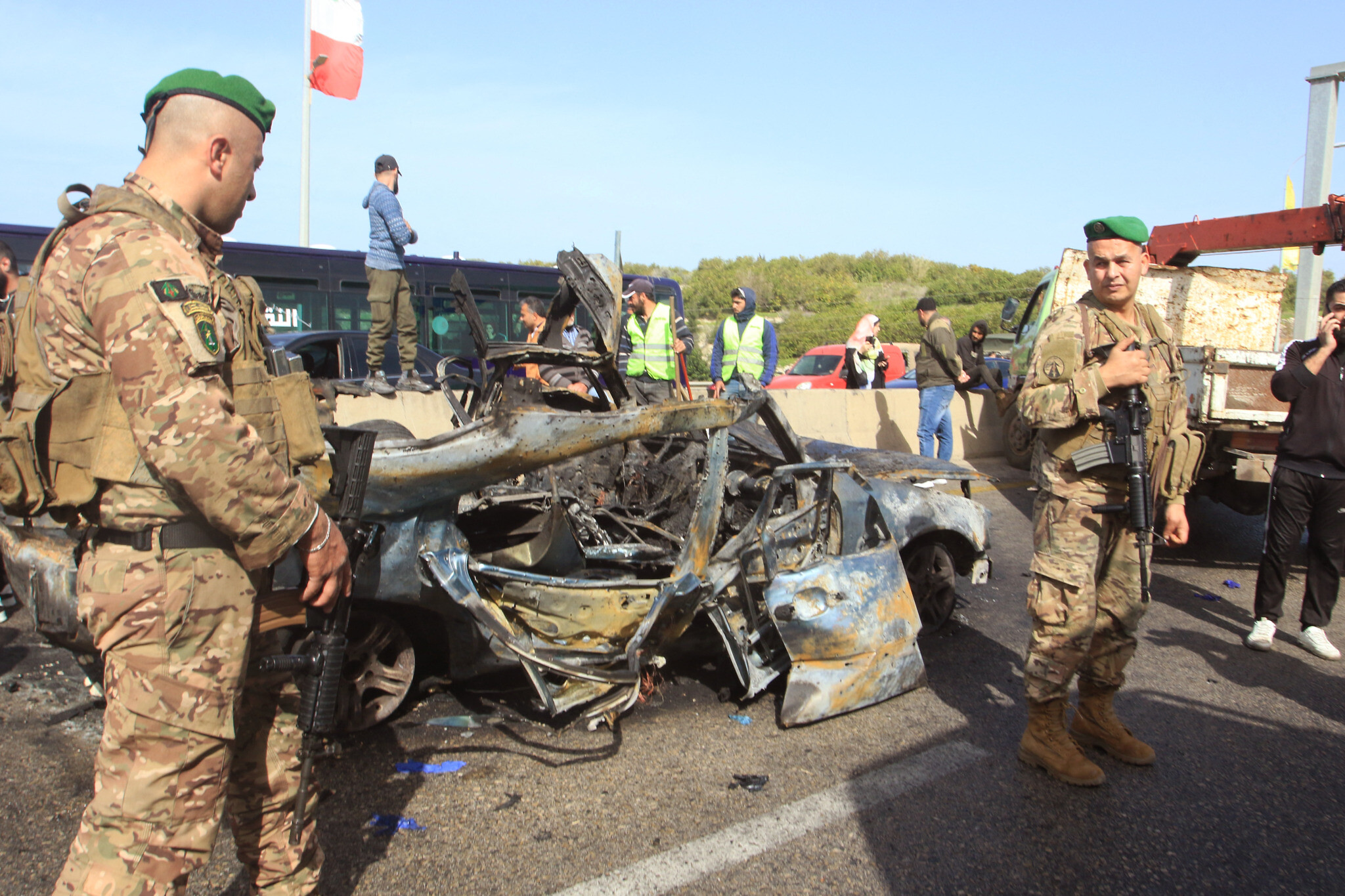
The second phase concerns the area between the Litani and the Awali rivers, around 40 kilometers south of Beirut.
Hezbollah has so far refused to hand over its weapons north of the Litani.
The Israel-Hezbollah war began when the terror group began firing missiles across the border on October 8, 2023 — a day after the Hamas-led attack on southern Israel.
The November 2024 ceasefire between Hezbollah and Israel followed an Israeli ground invasion and concurrent air assault that severely degraded the group and killed much of its leadership.
Israel has been skeptical of claims of the terror group’s disarmament and has continued to carry out strikes, which it says are against Hezbollah violations of the ceasefire.

Barrot is also set to meet Lebanese army chief Rodolphe Haykal, who this week held meetings with officials in Washington.
The United States is applying intense pressure on Lebanon to speedily disarm Hezbollah.
On Thursday, influential Republican Senator Lindsey Graham said he cut his meeting with Haykal short after asking him whether the Lebanese military considered Hezbollah to be a “terrorist” organization.
Graham said that Haykal replied, “No, not in the context of Lebanon.”
Hezbollah also accepted the resignation of senior security official Wafiq Safa on Friday, the first time an official of his rank has stepped down, sources familiar with the group’s thinking told Reuters.
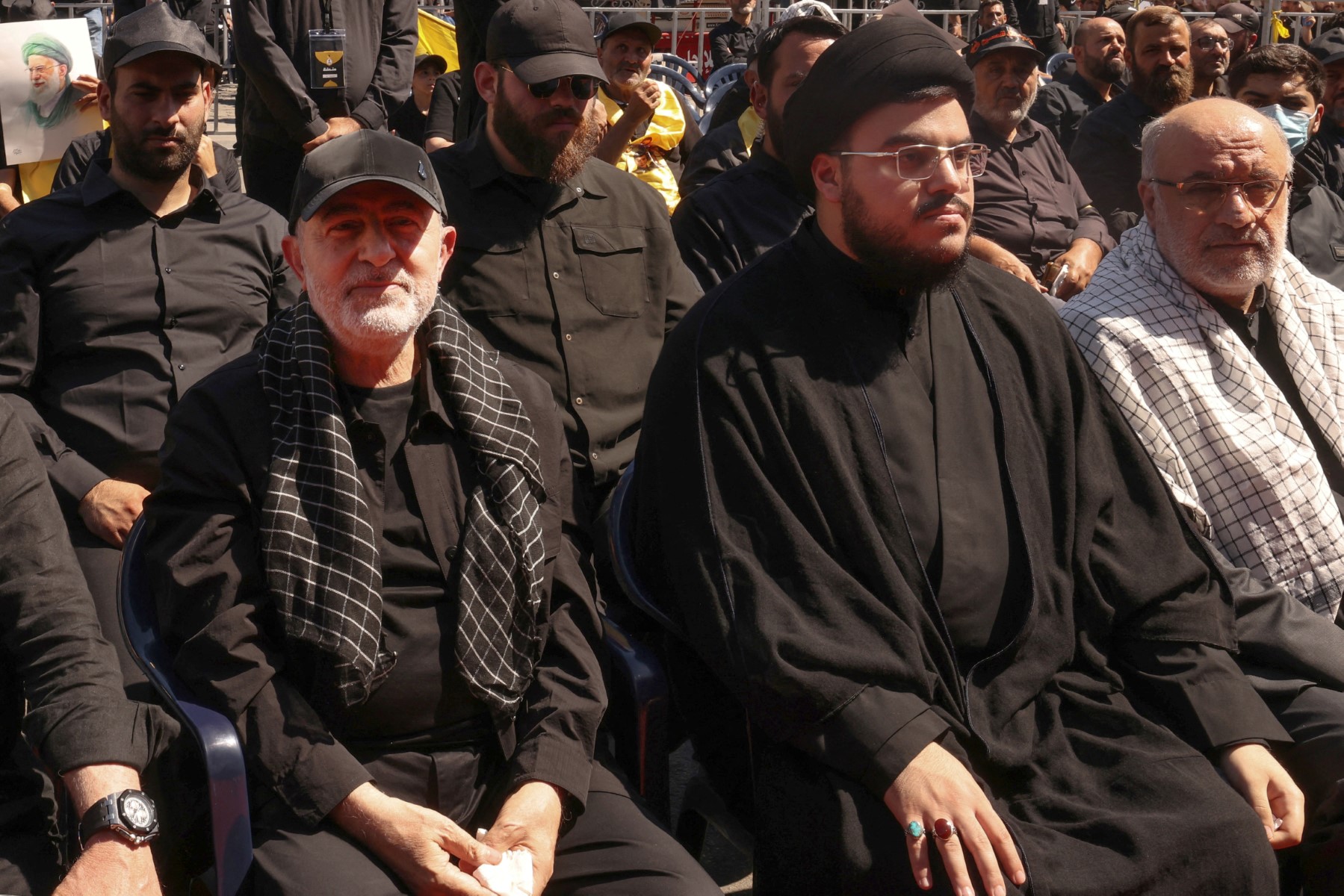
Safa, who heads Hezbollah’s liaison and coordination unit responsible for working with Lebanese security agencies, survived an Israeli assassination attempt in October 2024.
A source said “the resignation and its acceptance were part of an internal restructuring move” following losses Hezbollah sustained in last year’s war with Israel, adding that southern commander Hussein Abdullah was appointed to replace Safa.
Safa, whom Middle East media reports said was born in 1960, was sanctioned in 2019 by the US Treasury Department, which described him as Hezbollah’s interlocutor to the Lebanese security forces.








The Times of Israel Community.