

German Jewish leader raises alarm as far-right AfD surges in eastern states
After polls show anti-migrant party could take unprecedented power in two states next year, council president Josef Schuster warns prospect would be ‘real danger to Jewish life’
 Add ToI as a Preferred Source on Google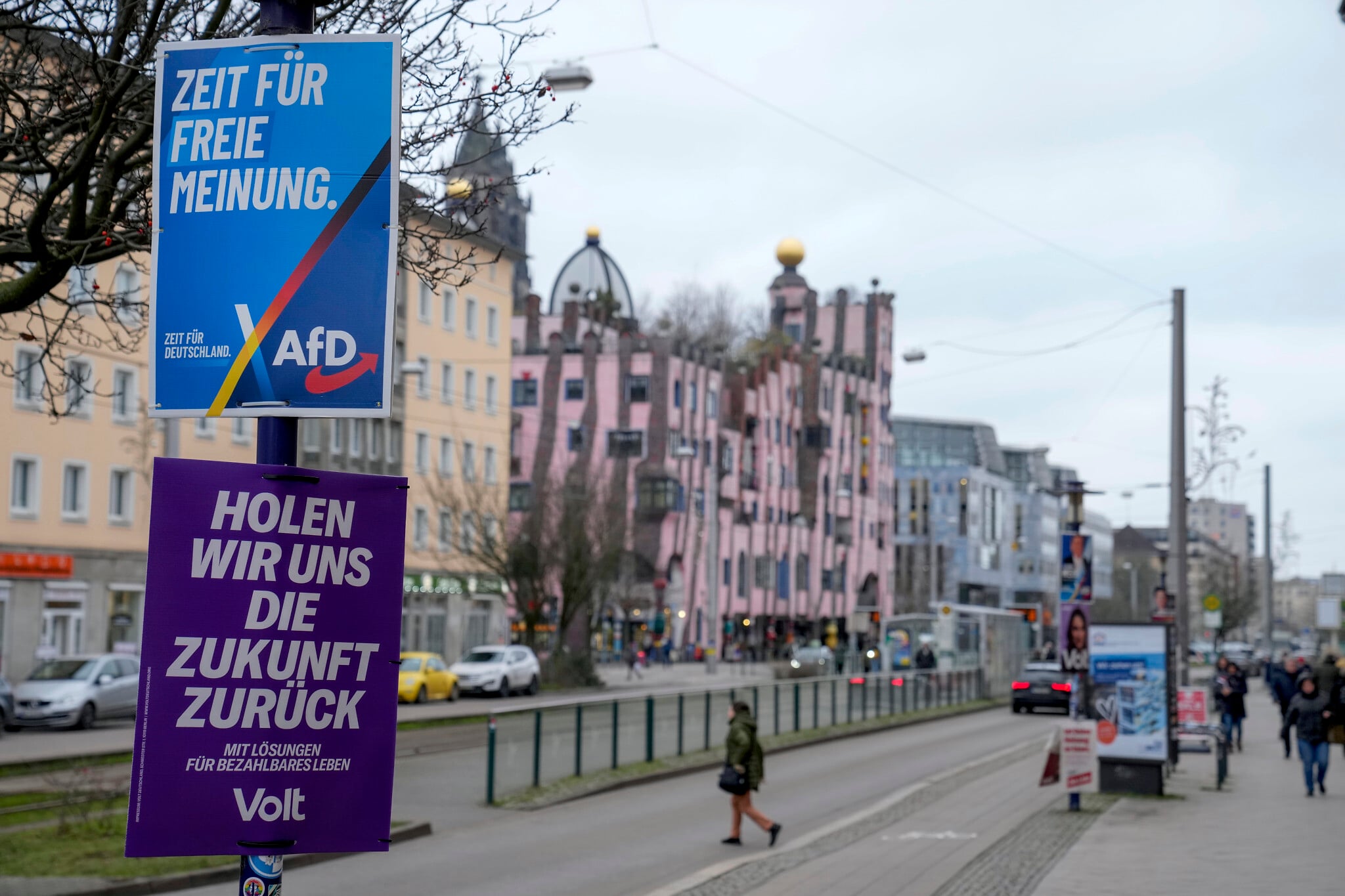
The head of Germany’s Jewish community is voicing alarm over indications of escalating support for the far-right Alternative for Germany party in the country’s eastern states, saying the faction’s rise could threaten Jewish life.
Recent surveys in both Mecklenburg-Vorpommern and Saxony-Anhalt show the anti-migrant party positioned well ahead of the center-left Social Democrats, or SPD, as well as Chancellor Friedrich Merz’s conservative Christian Democrats, or CDU.
Elections are still nearly a year away, but if the numbers hold, the party could take control of the states’ governments, giving it power over education, law enforcement and more.
“AfD participation in government, perhaps even leading the government, would be a real danger to Jewish life,” said Josef Schuster, president of the Central Council of Jews in Germany, using a German acronym for Alternative for Germany.
According to a mid-October survey by the renowned German polling institute INSA, the AfD is poised to win 40 percent of the vote in Saxony-Anhalt. Separately, Infratest Dimap, which conducts polling for the German public broadcaster, put the AfD at 38 percent in Mecklenburg-Vorpommern at the end of September.
These results “must be a wake-up call for every democrat,” Schuster told The Times of Israel on Tuesday.
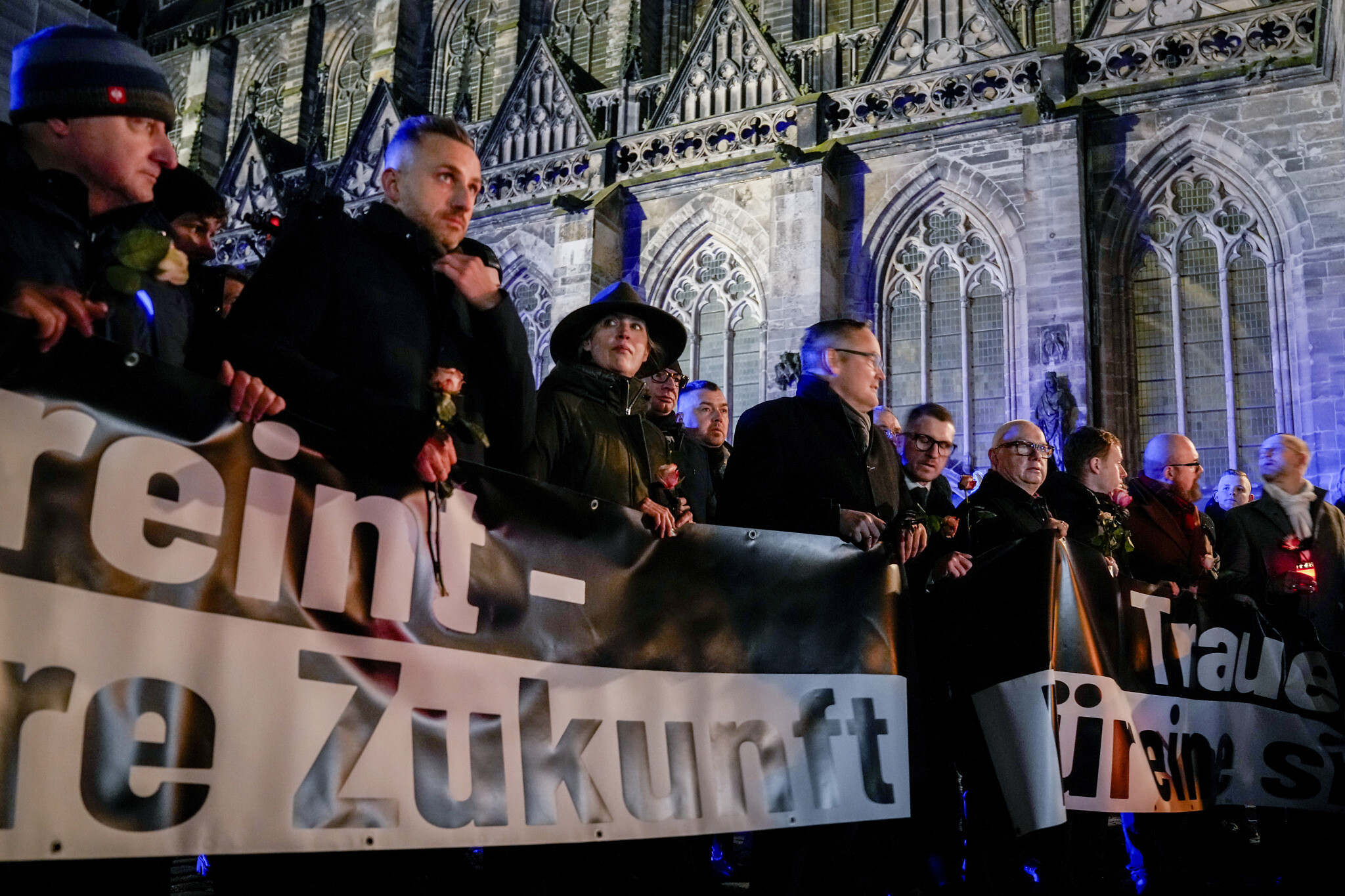
The outcome of the state elections, held every five years, is particularly significant because education, the justice system, and the police are primarily controlled by the state governments in Germany, meaning AfD could use its power to change the school curriculum or appoint loyalists to important positions in the courts.
Wins would also give the party seats in the second chamber of Germany’s parliament, the Bundesrat, which has a significant say in the country’s finances.
Since the AfD lacks viable coalition partners, the party is aiming for an absolute majority as the most straightforward path to power. To achieve this, it would need to secure around 45 percent of the vote when Germans go to the polls in September.
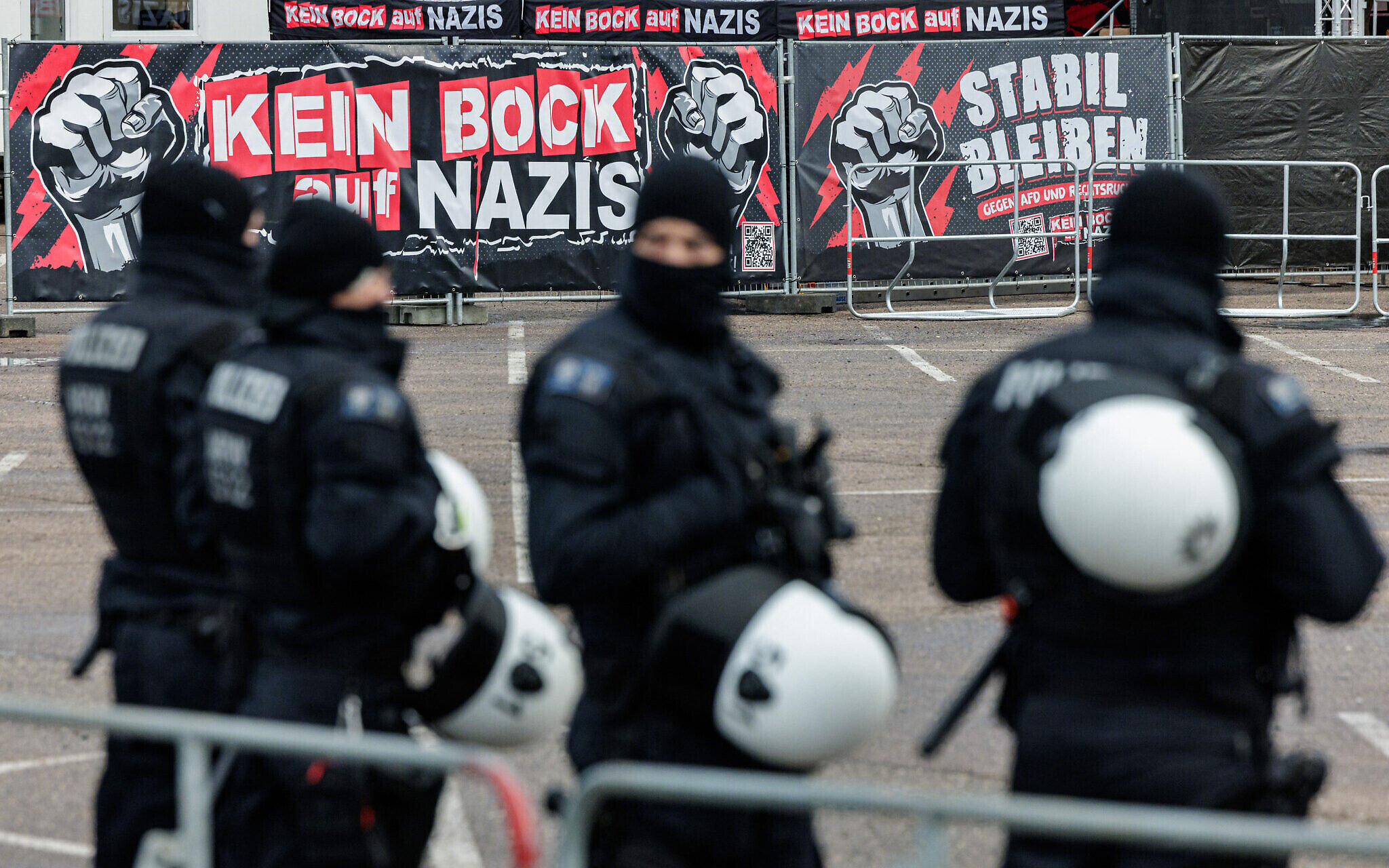
So far, the AfD does not rule anywhere above the municipal level, though the party finished second in national elections in February and nationwide polls in recent months put it neck-and-neck with CDU, which currently shares power with the more liberal SPD in Berlin.
Should AfD take control of a state government, it would be a watershed moment in the country’s post-Nazi history.
Schuster called on more moderate parties “from the Christian Democrats to the Greens” to end infighting and work together to address issues that have helped fuel AfD’s rise.
“Only if they find concrete answers to the pressing societal problems… can they succeed in sustainably reducing its appeal,” he said, accusing them of instead “constantly talking about the AfD.”
The Jewish leader accused the AfD of providing “a home for antisemites and right-wing extremists.”
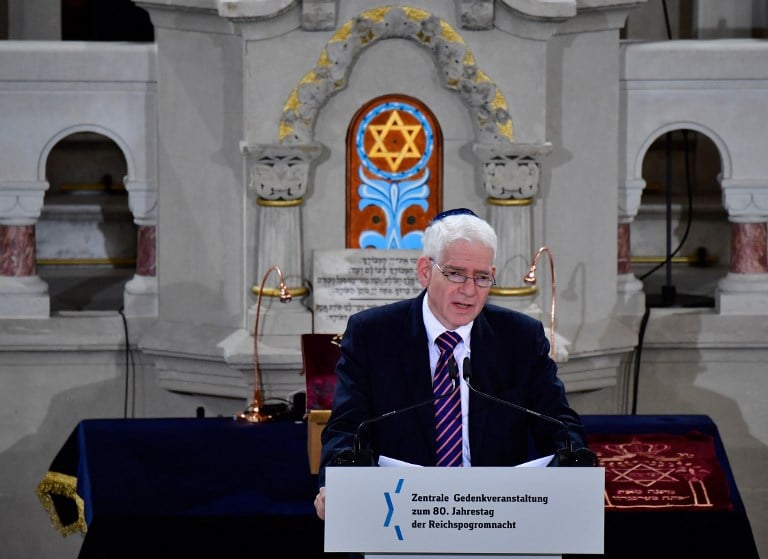
In May, the party was designated as “proven right-wing extremist” by the intelligence service, giving authorities enhanced capabilities for monitoring and surveillance, and renewing debate about a possible AfD ban. Lawmakers, however, have not moved to outlaw the party and its extremist classification is being challenged in court.
Leading AfD candidates told The Times of Israel they rejected accusations of antisemitism.
Ulrich Siegmund, the AfD’s top candidate in Saxony-Anhalt, said the allegation was “completely absurd.”
He claimed his party approaches Jews “with respect and appreciation.”
Leif-Erik Holm, the AfD’s top candidate in Mecklenburg-Vorpommern, positioned his party as “defenders of Jewish life in Germany,” and attributed anti-Jewish sentiment to “imported antisemitism” caused by Muslim immigrants. The AfD’s restrictive stance on migration would help resolve it, he argued.
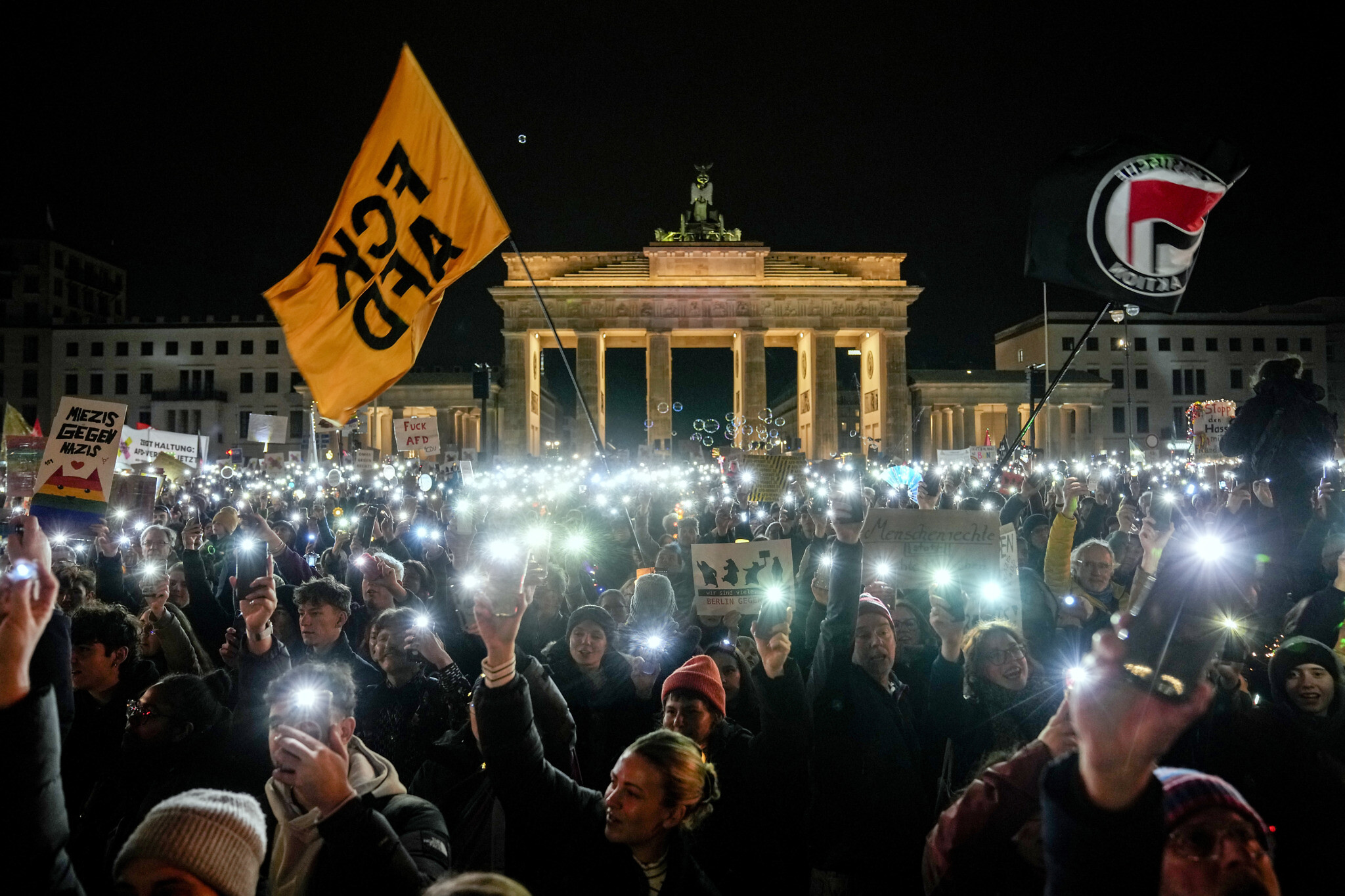
Schuster contended that the party’s statements regarding the protection of Jewish life are merely a rhetorical tool, used “exclusively to express their own resentments against Muslims, to morally legitimize Islamophobic positions.”
The Central Council and other Jewish organizations have repeatedly spoken out against AfD since the party was founded over a decade ago.
In a 2018 joint statement, the AfD was described as a party “in which Jew-hatred and the relativization up to the denial of the Shoah have a home.”
Examples include AfD honorary chairman Alexander Gauland referring to the Nazi era as a “speck of bird droppings” in history, and Thuringia AfD chairman Björn Höcke calling for a “180-degree turn in remembrance policy” in Germany.
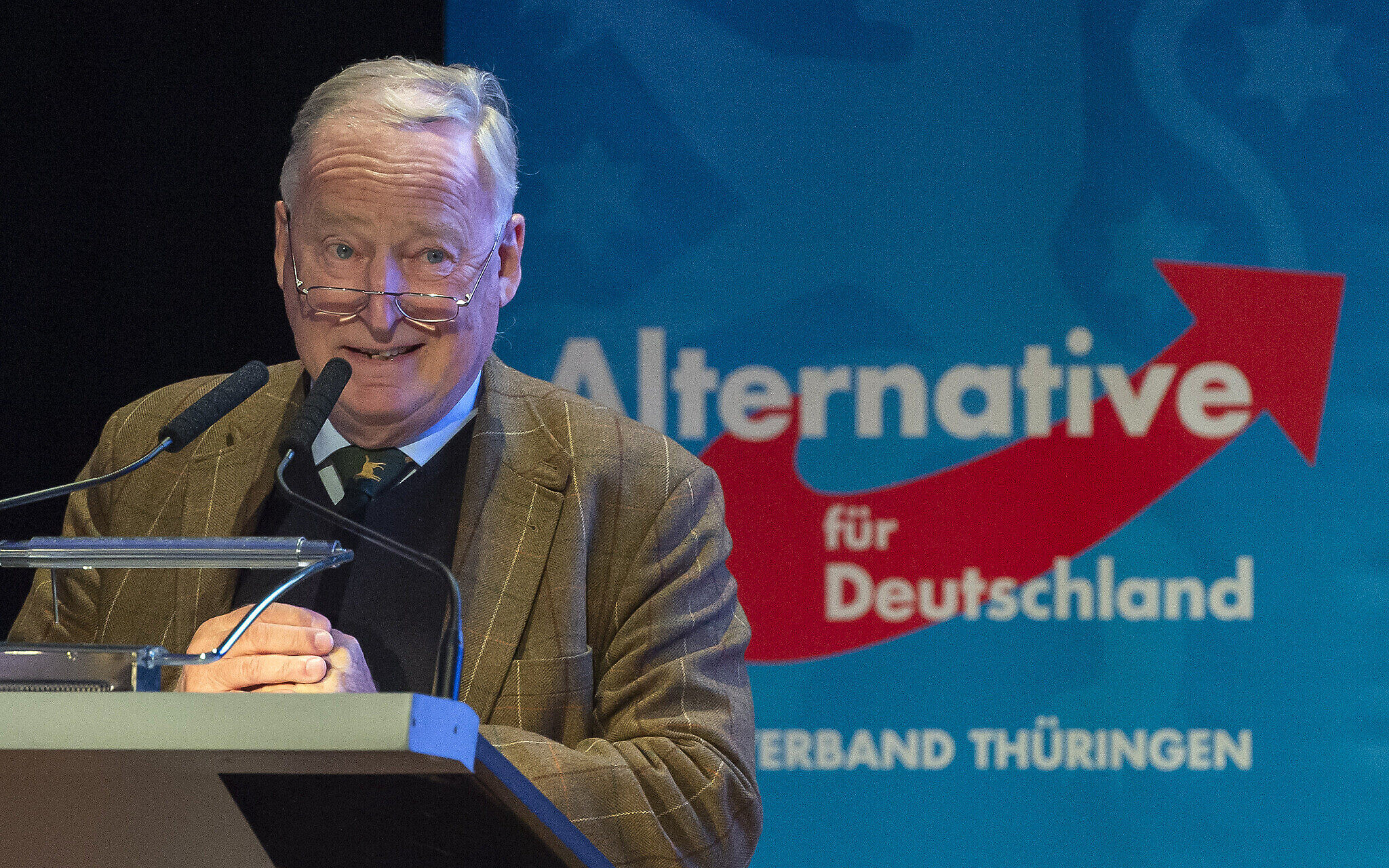
In 2019, then-Israeli ambassador to Berlin Jeremy Issacharoff described comments from AfD officials downplaying Nazi crimes as “highly offensive to Jews and to Israel.”
The signatories of the 2018 statement also criticized the party’s skeptical stance toward ritual circumcision and kosher slaughter, seeing these as a challenge to Jewish life in the country.
Following the Hamas attack on Israel on October 7, 2023, the AfD also notably opposed German arms deliveries to Israel.
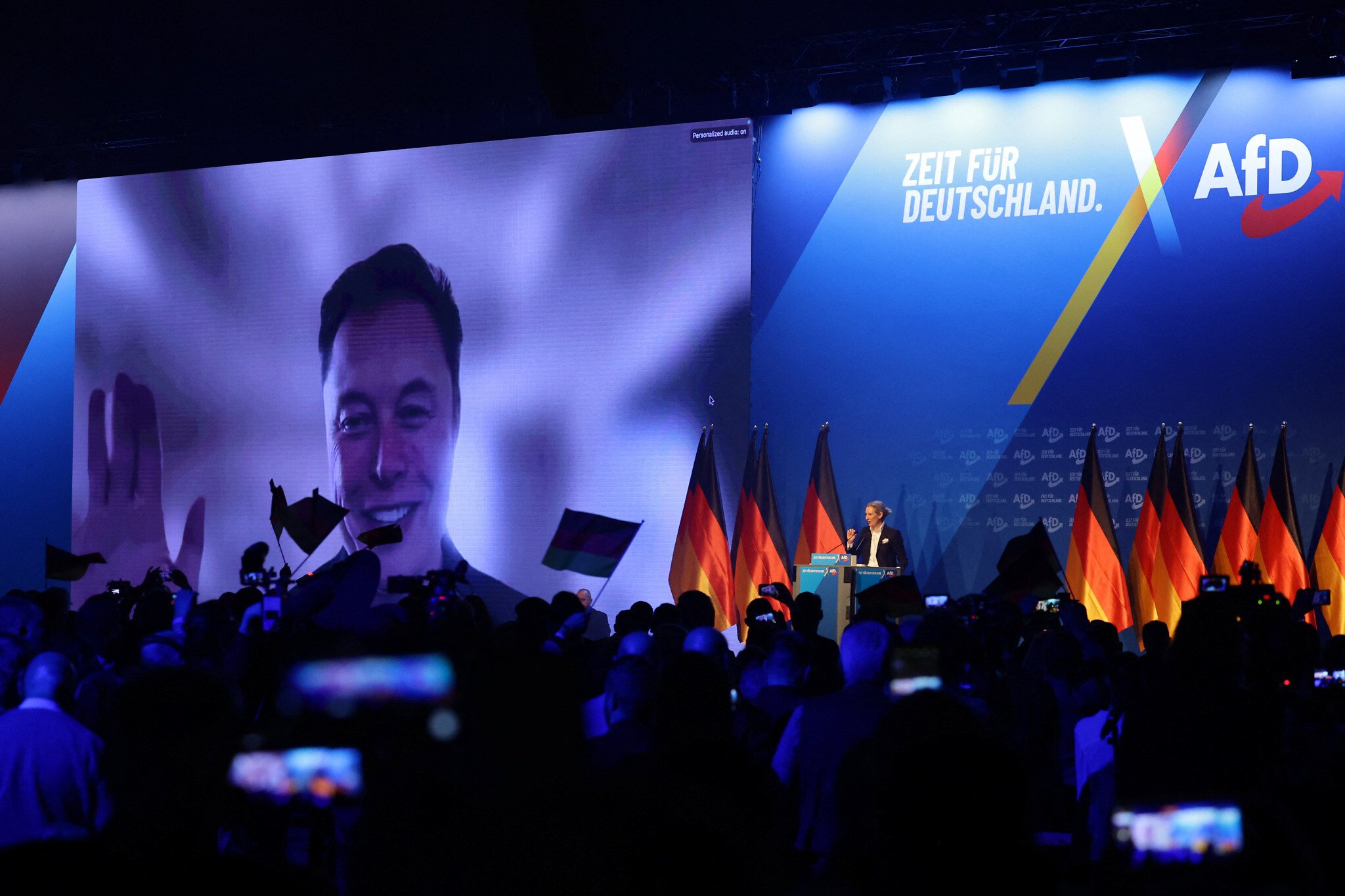
AfD’s state branches in eastern Germany, where it enjoys the highest levels of support, are widely regarded as being particularly radical. Germany’s domestic intelligence service has classified AfD branches in Thuringia, Saxony-Anhalt, Saxony, and Brandenburg as “proven right-wing extremists.”
Saxony-Anhalt is home to Halle, where a neo-Nazi attacked a synagogue on Yom Kippur 2019 and killed two people nearby after failing to enter the building. Following the attack, Schuster said he “morally assign[s] partial blame to the AfD,” while noting there was no direct link between the attacker and the party.
“Statements by politicians, especially from the AfD, have made certain expressions acceptable among the broader population,” he told Swiss outlet SRF. “Words lead to deeds – that is the consequence we see in these attacks.”
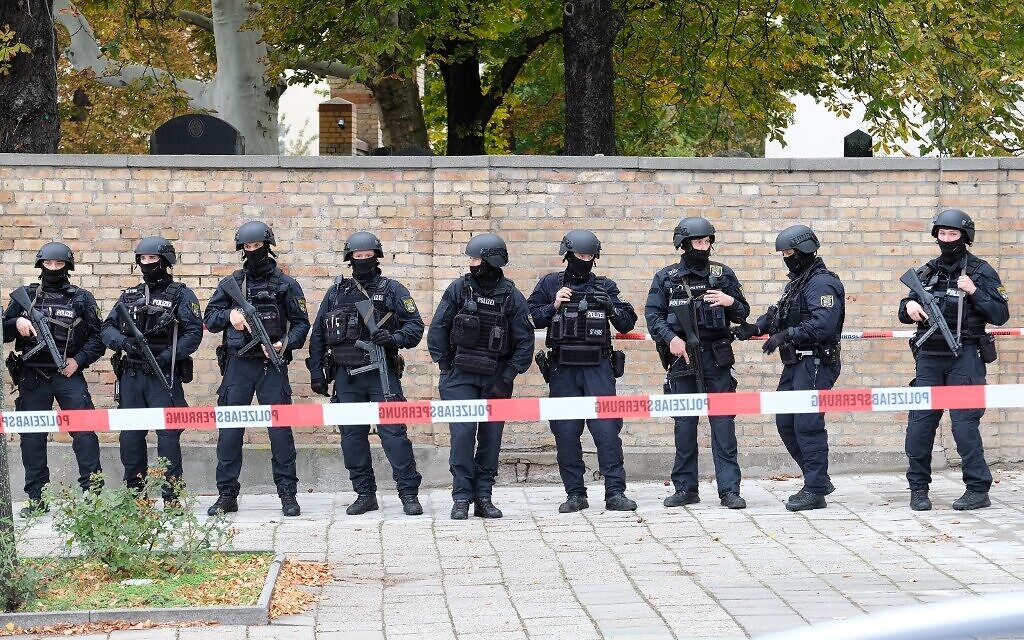
Founded in 2013 primarily as a Eurosceptic, economically liberal movement, AfD has quickly grown from a fringe group into a political force in Germany, even as its extremist far-fight flank has become the dominant wing within the faction. The party first entered the German Bundestag in 2017 with 12.6% of the vote and in 2025 improved to 20.8%, coming in second only to CDU.
Most parties have pledged to refuse any political alliance with AfD, though some within the CDU have called for Merz to drop the so-called firewall in order to break rampant legislative gridlock. The chancellor told a party conference last month that CDU would “distance ourselves from them very clearly and explicitly.”




The Times of Israel Community.