

Government unveils plans to double population of Israeli communities along Gaza border
Flexible financial package to increase housing includes NIS 560 million of state funds, guarantees for NIS 1 billion in loans to be raised by Jewish Agency
 Add ToI as a Preferred Source on Google
Sue Surkes is The Times of Israel's environment reporter
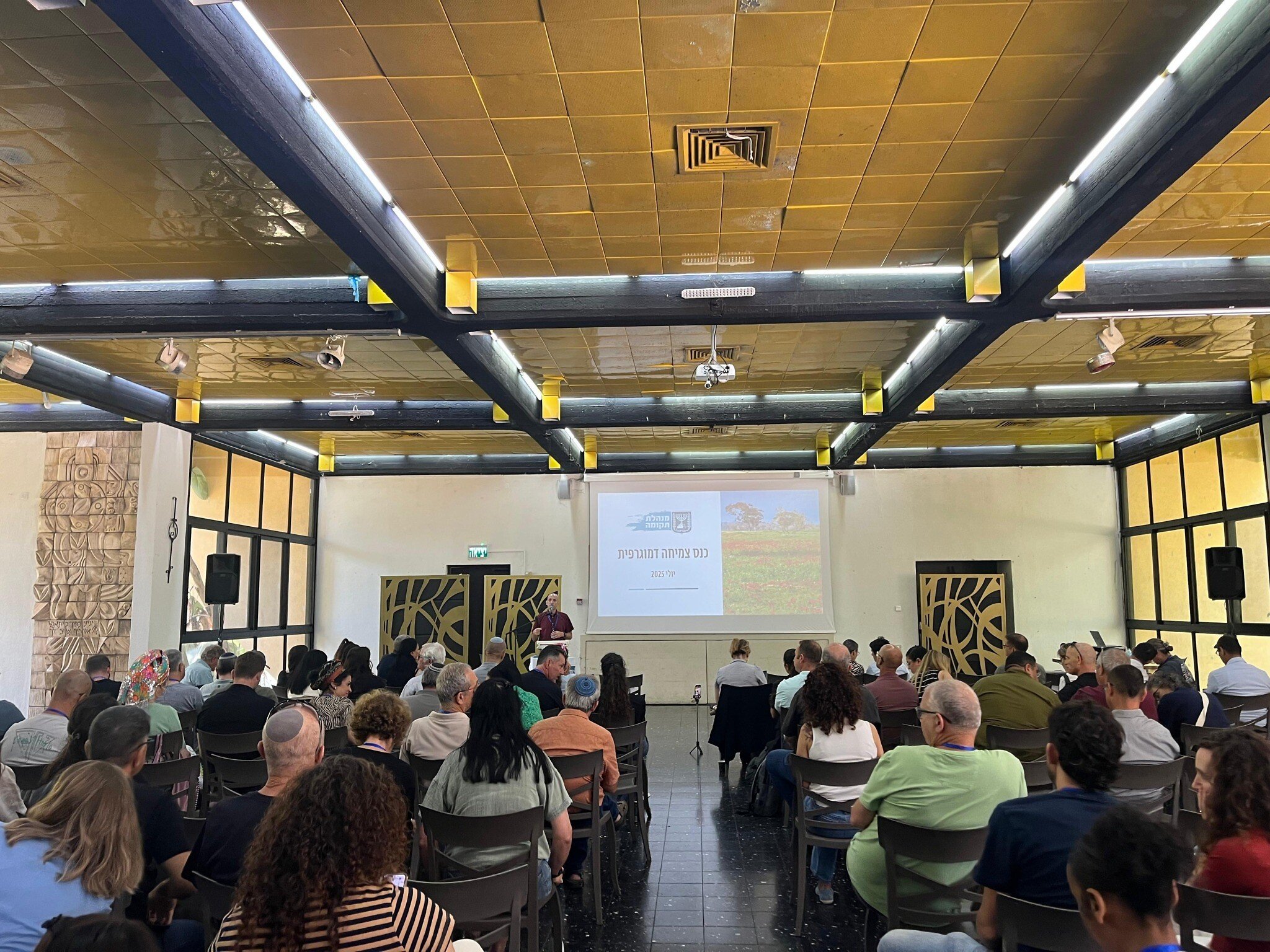
The government outlined plans on Thursday to double the rural population of Israeli communities in the Gaza border area, many of which were devastated in the Oct. 7, 2023, Hamas massacre, by supporting the construction of new homes.
Some 200 representatives of national and local government and individual communities heard at a conference at the southern Kibbutz Alumim that the government had earmarked NIS 560 million ($170 million) for the project, and would guarantee loans totaling up to NIS 1 billion to be raised by the Jewish Agency.
At a press conference afterwards, Aviad Friedman, head of the Tekuma Directorate, and Ze’ev Elkin, the Finance Ministry’s point man for rehabilitating the southern and northern border areas damaged by war, said each of the 46 rural communities within seven kilometers (4.2 miles) of the Gaza border wanted to be involved. They would be able to choose one or more of four funding tracks to increase their housing portfolios.
The package does not include the city of Sderot, which is to be dealt with separately.
The plan brings together three ministries — Finance, Housing, and Negev, Galilee, and National Resilience — along with the Jewish Agency, and the Kibbutz and Moshav movements.
There were 62,000 residents of the area prior to October 7, 2023, when thousands of Hamas terrorists overran the border, murdering some 1,200 people and abducting 251 to the Gaza Strip.
The government aims for a population of over 120,000.
One of four funding tracks will see an increase in subsidies for infrastructure development costs that are normally charged to anyone wanting to build a private house on a plot. The subsidy will bring this cost down to around NIS 100,000 ($30,000) for a regular citizen and NIS 50,000 for an active reserve soldier.
Precise amounts will depend on the distance from the Gaza border.
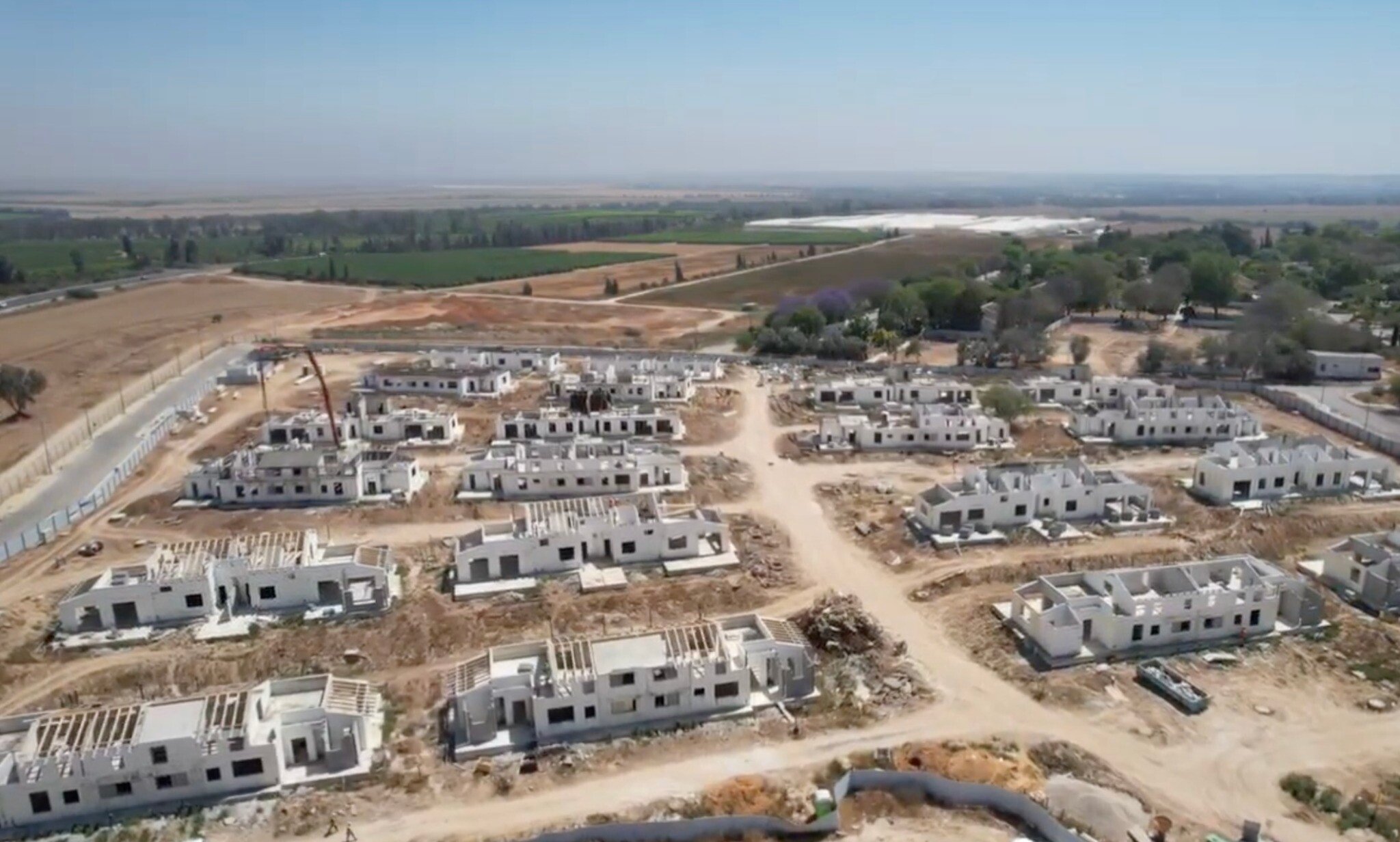
In another track, aimed at communities wanting to quickly expand, the state will help fund temporary structures such as caravans.
A third option, for kibbutzim that still run as cooperative associations, will be for the government to partly finance construction of housing units measuring from 85 to 120 square meters (280 to 395 square feet). The kibbutz will be able to offer these at a controlled rent for a maximum of three years. At the end of this period, the tenant will have the option of buying the house, with 75% of the accumulated monthly rent being credited as a down payment for the purchase.
The fourth option will see the Jewish Agency acting through the Amigur company to finance, build, and maintain new housing units until they are sold. Communities will receive a conditional state grant, along with a state-guaranteed Jewish Agency loan.
Elkin said that three of the tracks were ready for implementation. The fourth — increasing the state subsidy for infrastructure development costs — would need government approval.
He added that the government was also supporting the move of a hoped-for 30 teachers from elsewhere in Israel to the Gaza border area in time for the start of the new school year on September 1. They will be accommodated in temporary housing.
The Tekuma Directorate’s Friedman said, “The growth basket was built from genuine attention to needs on the ground and from deep cooperation with the localities and kibbutzim in the region. The basket provides a solution not only to the housing crisis that arose after the war, but also constitutes a long-term infrastructure for growth, community strengthening and demographic stability – while preserving the character of the region.”








The Times of Israel Community.