

Hamas official says Gaza truce can’t move to phase two due to Israeli ‘violations’
Husam Badran calls on Israel to ‘complete the implementation of the first phase,’ open Rafah crossing; Israel has demanded terror group return last deceased hostage and disarm
 Add ToI as a Preferred Source on Google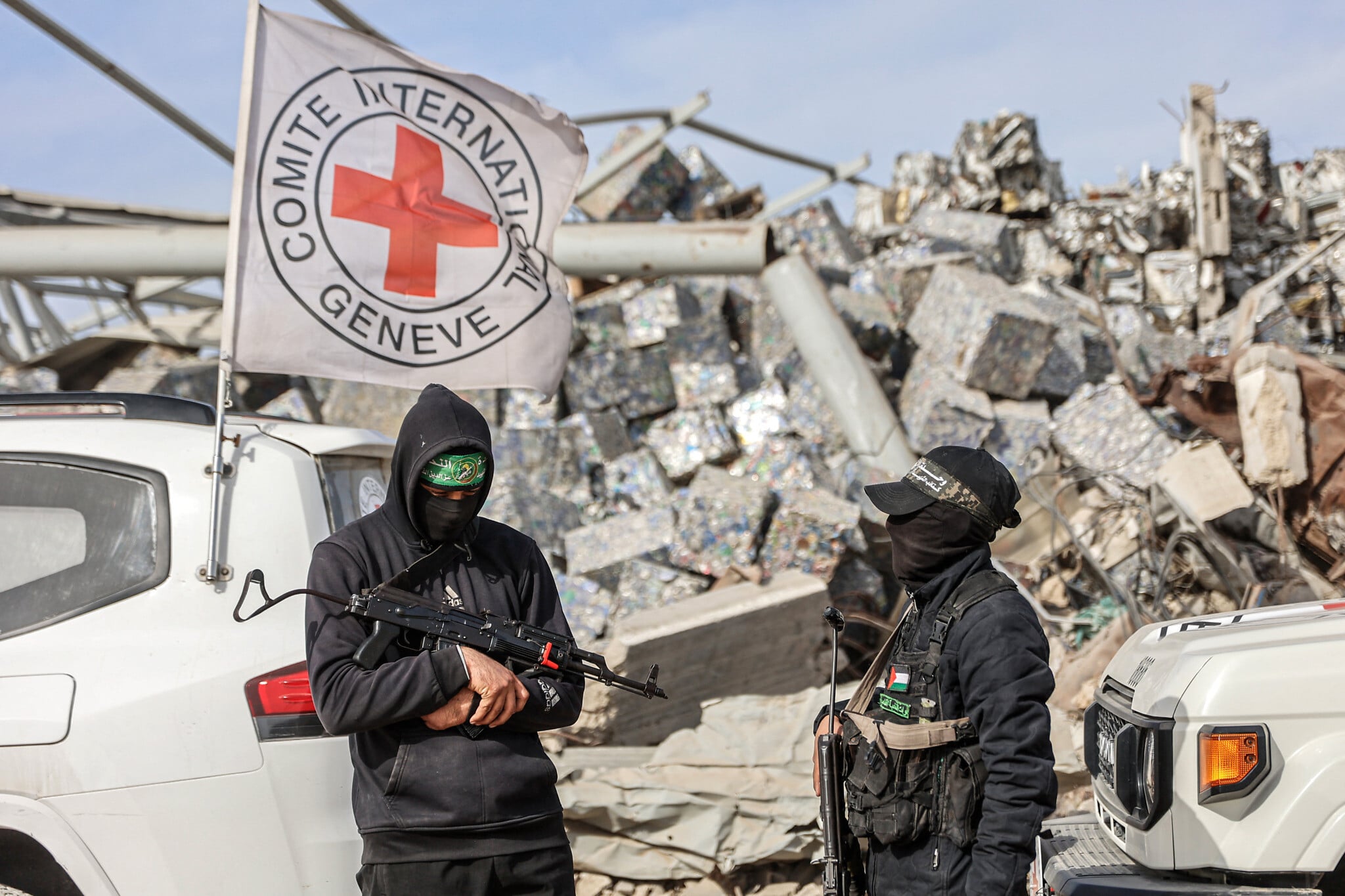
A senior Hamas official said Tuesday that the US-backed plan for Gaza cannot proceed to its second phase as long as Israeli “violations” persist, and called on mediators to pressure Israel to respect the agreement.
The ceasefire in the Strip has been in effect since October 10, halting more than two years of war that began with the Hamas-led October 7, 2023, onslaught in southern Israel. But the truce remains fragile as Israel and Hamas accuse each other almost daily of breaches.
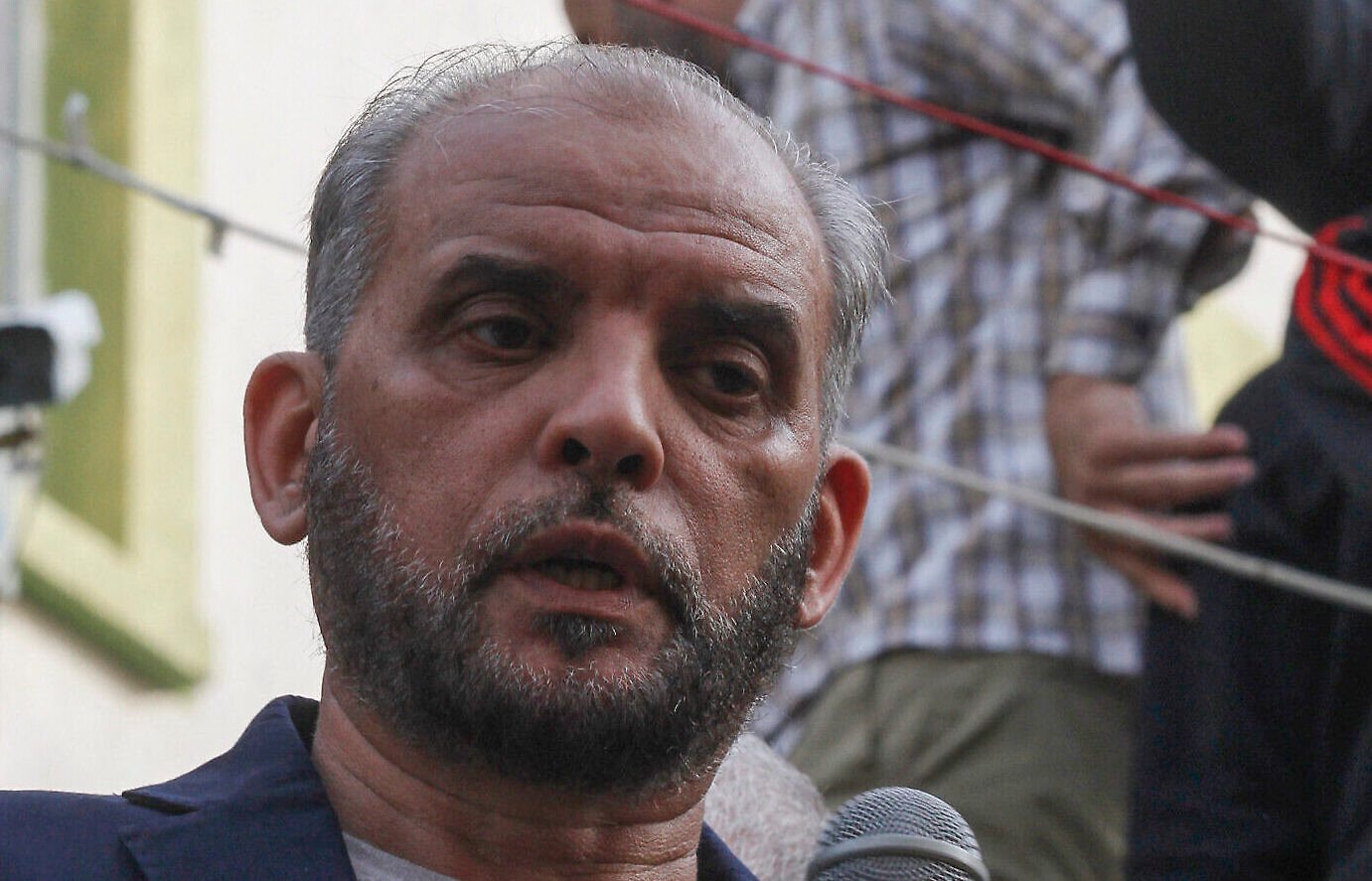
On Tuesday, Hamas political bureau member Husam Badran accused Israel of failing to respect the current Gaza ceasefire deal, saying that under its terms Israel should have reopened the Rafah crossing with Egypt and increased the volume of aid entering the territory. Israel has said the crossing is slated to open soon for those wishing to exit Gaza.
Badran urged the mediators, which include Egypt, Qatar and the United States, to pressure Israel “to complete the implementation of the first phase of the ceasefire agreement.”
Under the terms of the deal, Palestinian terror groups committed to releasing the remaining 48 living and dead captives held in the territory. The remains of one deceased hostage, police Master Sgt. Ran Gvili, are still held in the Strip, as efforts to find the body are said to have come up short.
In exchange, Israel has released nearly 2,000 Palestinian security prisoners in its custody and returned the bodies of hundreds of dead Palestinians.
Prime Minister Benjamin Netanyahu and US President Donald Trump have both recently suggested that the ceasefire will soon progress to its second phase. That stage, according to Trump’s 20-point plan, is supposed to include Hamas disarming, a technocratic Palestinian committee taking the reins of government in Gaza, and the IDF withdrawing as a multinational peacekeeping force takes its place.
But Hamas has rebuffed calls to disarm, which Israel has demanded, though another Hamas official said on Sunday that the terror group was ready to discuss “freezing or storing” its weapons for a period of years. On Sunday, a Hamas source told The Times of Israel that the group will only agree to give up its weapons through negotiations that result in the establishment of a Palestinian state.
“This cannot be done by force or ultimatums. Israel used all of its military might for two years [to try and disarm Hamas], and it didn’t work,” the Hamas source said in a highly rare engagement with an Israeli media outlet.
Netanyahu recently voiced doubt as to whether the multinational coalition of troops, called the International Stabilization Force, could get the terror group to lay down its weapons. But he vowed that Hamas would be disarmed, repeating a phrase he has used multiple times when discussing disarmament.
“We can do it the easy way, or the hard way,” he said. “But in the end it will be done.”
Badran, meanwhile, said phase two could not start “as long as the occupation [Israel] continues its violations.”
Under the ceasefire deal, Israeli troops withdrew to positions behind a so-called “Yellow Line” in Gaza, splitting the enclave between Israeli and Hamas control.
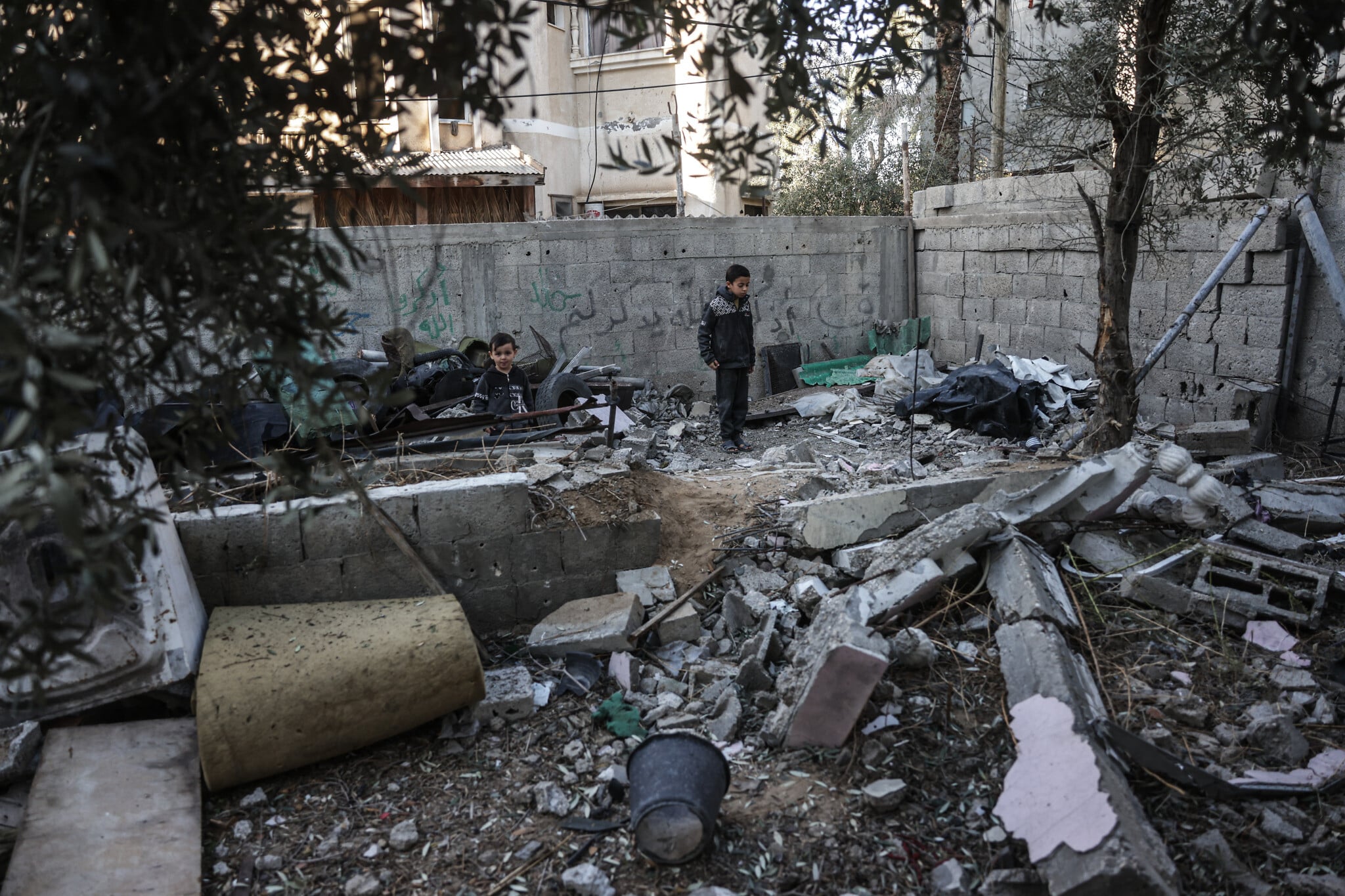
Gaza’s Hamas-run health ministry has said that since the ceasefire came into effect, 377 Palestinians have been killed by Israeli fire, a figure that does not differentiate between combatants and civilians. Three IDF soldiers have been killed in clashes with Hamas gunmen during the same period.
Israel has carried out limited strikes across Gaza since the ceasefire took effect, but says they were in retaliation for attacks on troops manning the Yellow Line. On Sunday, IDF Chief of Staff Lt. Gen. Eyal Zamir said the Yellow Line was “a new border line, a forward defensive line for the communities and an offensive line.”
Badran on Tuesday slammed Zamir’s comments: “The statements… clearly reveal the criminal occupation’s lack of commitment to the ceasefire agreement,” he said.
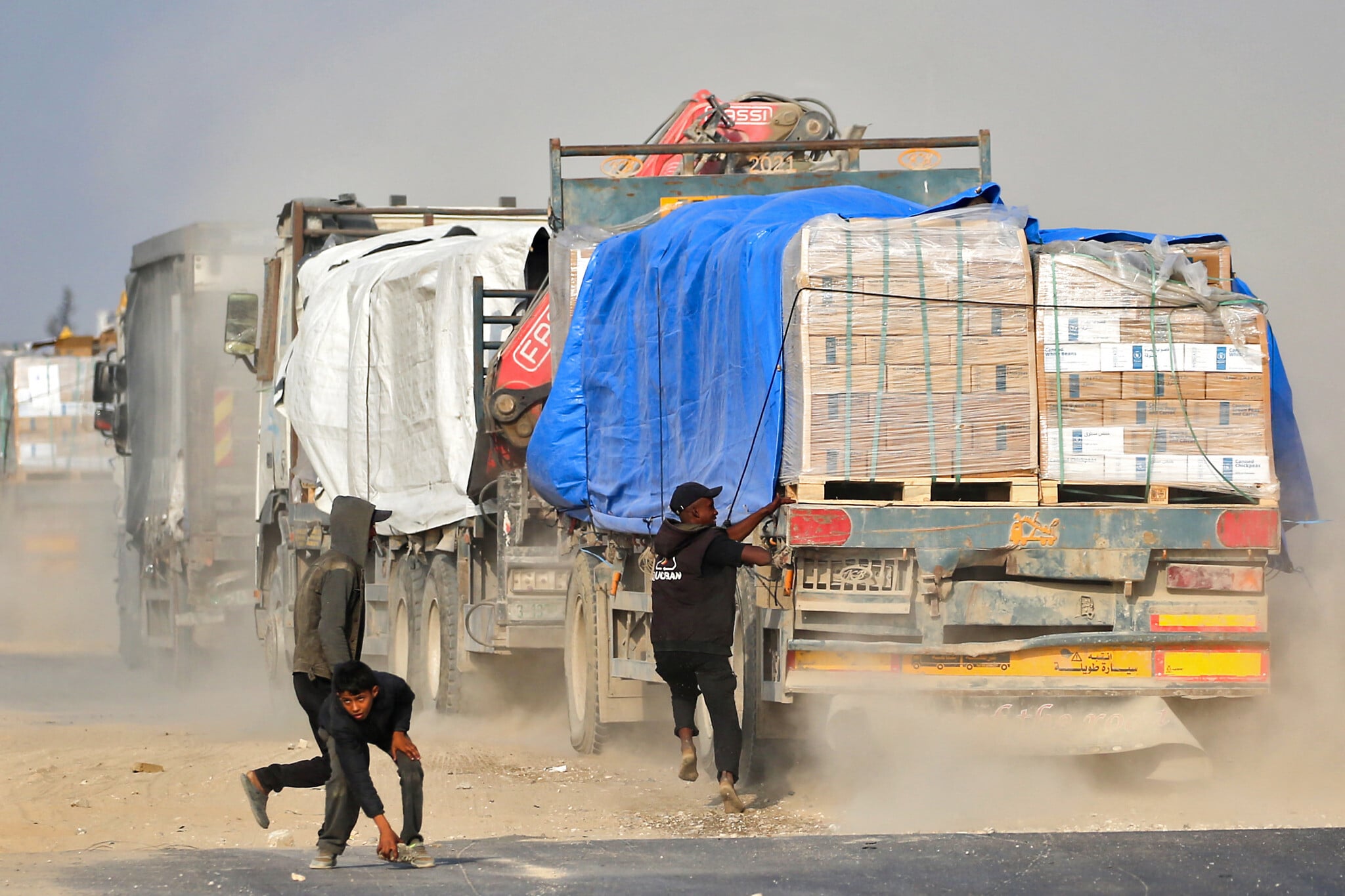
Meanwhile, an Israeli defense official said that the Allenby crossing between Jordan and the West Bank would reopen on Wednesday to aid trucks destined for Gaza for the first time since late September.
The crossing was closed in September after a Jordanian truck driver transporting humanitarian aid destined for Gaza killed two Israeli soldiers there. The crossing opened several days later for pedestrians only.
The official says that in recent weeks, “security adjustments” were carried out at the crossing, on both the Israeli and Jordanian sides.
The official said that following those adjustments, and in accordance with “the directive of the political echelon,” Israel will reopen the crossing for cargo heading into the West Bank and destined for the Gaza Strip.







The Times of Israel Community.