

Identities hidden, Hamas leadership operating behind veil of secrecy
After Israel killed many commanders, group has remained tight-lipped over the names of its top ranks, seeking instead to project image of collective power
 Add ToI as a Preferred Source on Google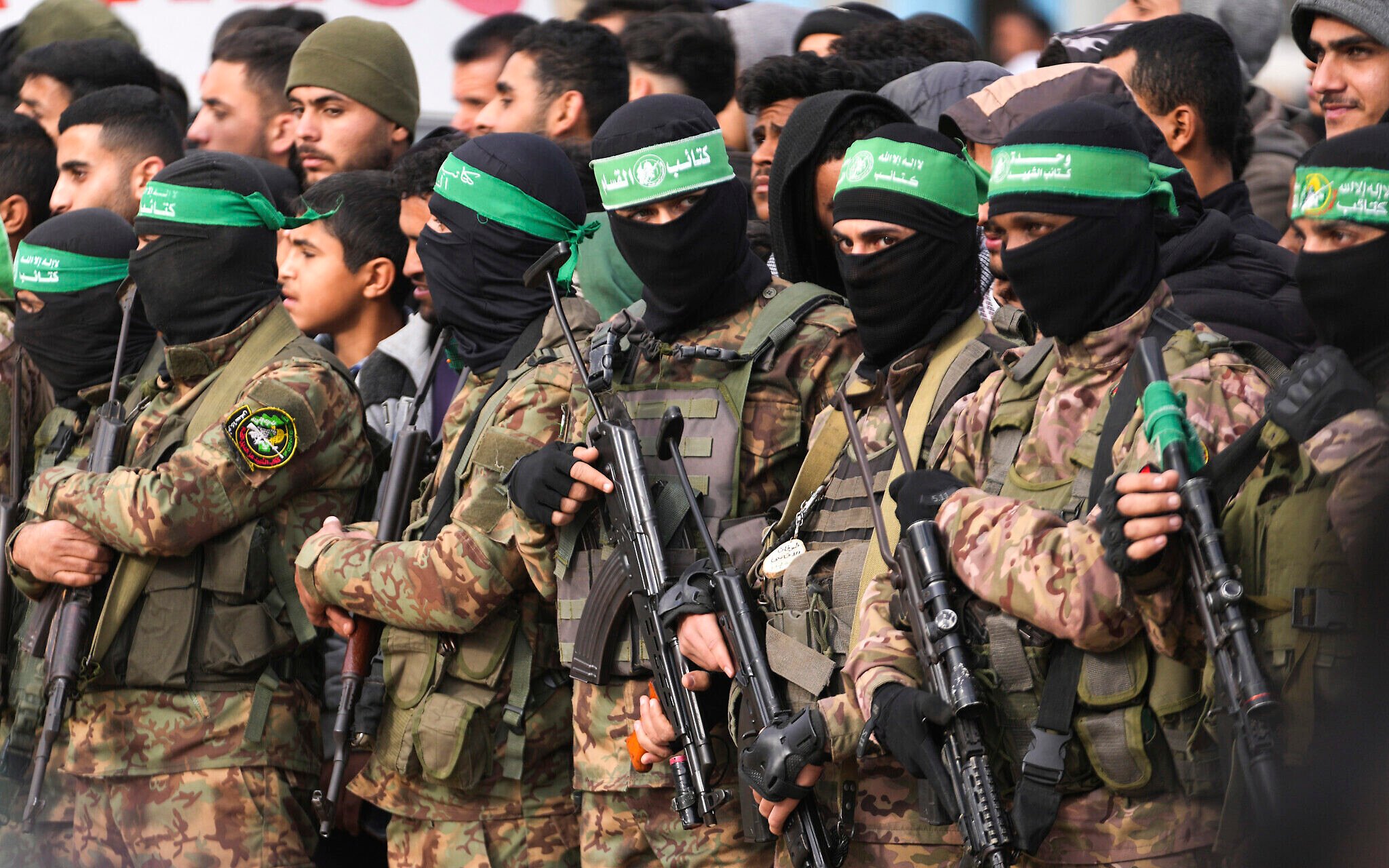
PARIS, France — After Israel killed a string of its leaders, Palestinian terror group Hamas appointed new commanders to top ranks, this time shrouding their identities in secrecy to protect them from assassination.
Israel vowed to crush Hamas and secure the release of hostages after the October 7, 2023 invasion it led on southern Israel, when over 5,000 terrorists burst into the country, killing 1,200 people, most of them civilians, and taking 251 hostages to the Gaza Strip. The IDF’s blistering offensive in Gaza has massively weakened the movement while the fighting has reduced much of the territory to rubble, but Hamas is still holding 59 hostages — 24 are believed to be alive — and remains avowedly committed to destroying Israel.
Hamas’s political chief Ismail Haniyeh, the head of its armed wing Mohammed Deif, and Yahya Sinwar, mastermind of the October 7 slaughter, have all been killed, as have a string of other commanders and political figures.
While its Lebanese ally Hezbollah, whose cult of personality around its slain leader Hassan Nasrallah was a key pillar of its identity, Hamas has placed rather less of an emphasis on its top ranks.
The group has remained tight-lipped over the names of its new terror commanders, particularly the Ezzedine al-Qassam brigades.
“The name of the head of the Ezzedine al-Qassam Brigades will remain a secret,” said a source close to Hamas’s military wing.
Researchers say it is likely that the role was inherited by Yahya Sinwar’s younger brother Muhammed, whom Hamas put in charge of the hostages taken into Gaza in 2023.
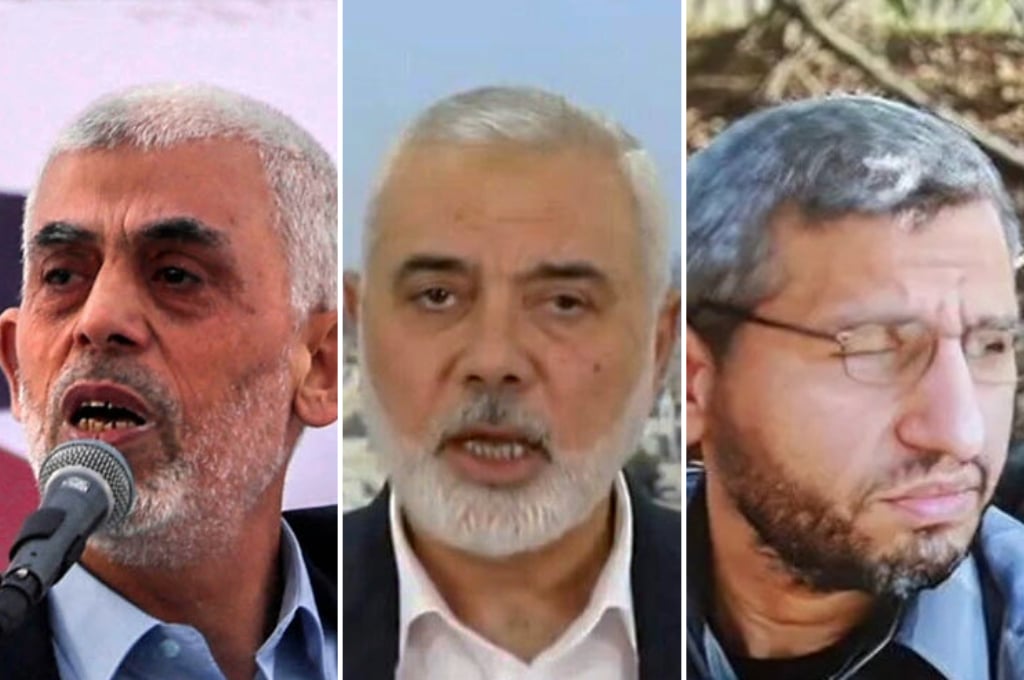
“Yahya Sinwar’s personality was rather unique” and Hamas fighters viewed him as a “hero,” said Laetitia Bucaille, who teaches political sociology at the INALCO institute of Middle East studies in Paris.
Mohammed Sinwar’s blood link to the slain commander, coupled with his own experience in the brigades, have conferred upon him an automatic authority, she said.
Collective leadership
Israel vowed after October 7 to eradicate Hamas, and while the movement has suffered staggering losses, it has not been crushed, is seeking to rearm and remains committed to destroying Israel.
According to Yasser Abu Heen, founder of the Gaza-based Safa news agency, the loss of so many of its leaders has impacted Hamas, “but only temporarily.”
“These hits do not pose an existential crisis, Hamas has its own way of running its institutions,” he said. “Israel will not be able to eradicate it.”
Speaking to AFP on condition of anonymity, a member of Hamas’s political bureau described how it acts as the movement’s executive arm, voting on decisions and then taking action. Political bureau membership is decided by the larger Shura Council, the equivalent of a parliament, he added.
“We will not know the new leaders’ names. There’s a push to keep their identities secret, and to maintain a collective sense of power,” said Leila Seurat of the Arab Centre for Research and Political Studies in Paris.
“This isn’t a movement based on a charismatic leadership.”
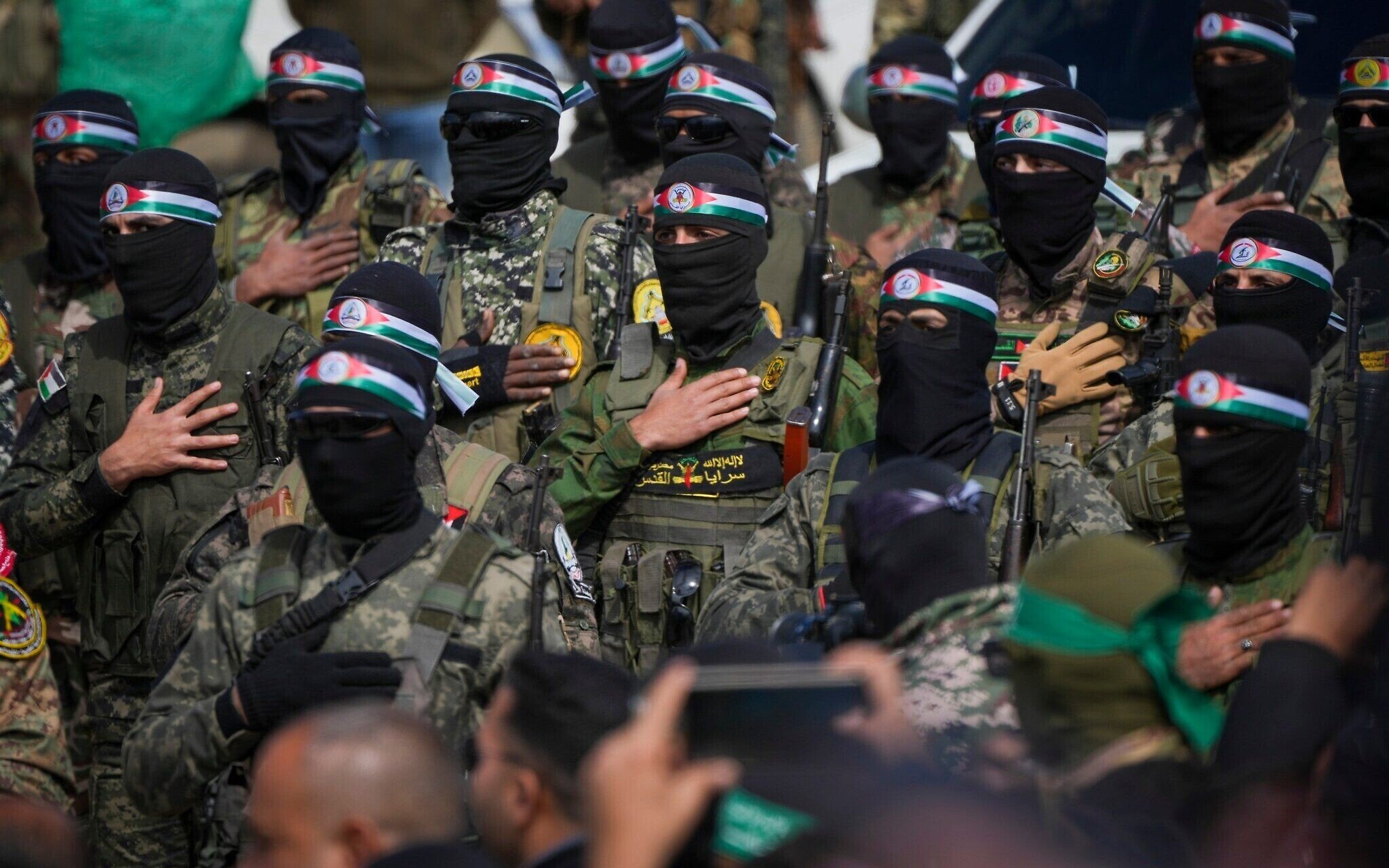
Reduced under daily strikes, Hamas faces demands not just from Israel but from powers around the world and even from some Palestinians to give up power. It has ruled Gaza since 2007 when it seized control of the territory from the Western-backed Palestinian Authority which is based in the West Bank city of Ramallah and is dominated by Mahmoud Abbas’s Fatah party. Israel unilaterally pulled out of Gaza in 2005.
Israel insists that Hamas can have no role in governing Gaza after the war ends.
Dissent
The Palestinian Authority, whose decades of corruption contributed to Hamas’s ascent, has pitched itself as a credible ruling entity for the battered territory.
Within Hamas, discussions are raging on whether to hand over power.
According to sources cited by the Soufan Center in New York: “The internal debate has intensified to the point where some Hamas political leaders have considered breaking with the group’s military leaders in Gaza.”
Hamas is no stranger to division, with Seurat pointing to crises in the past over a range of issues from the Arab Spring to the movement’s alliance with Iran.
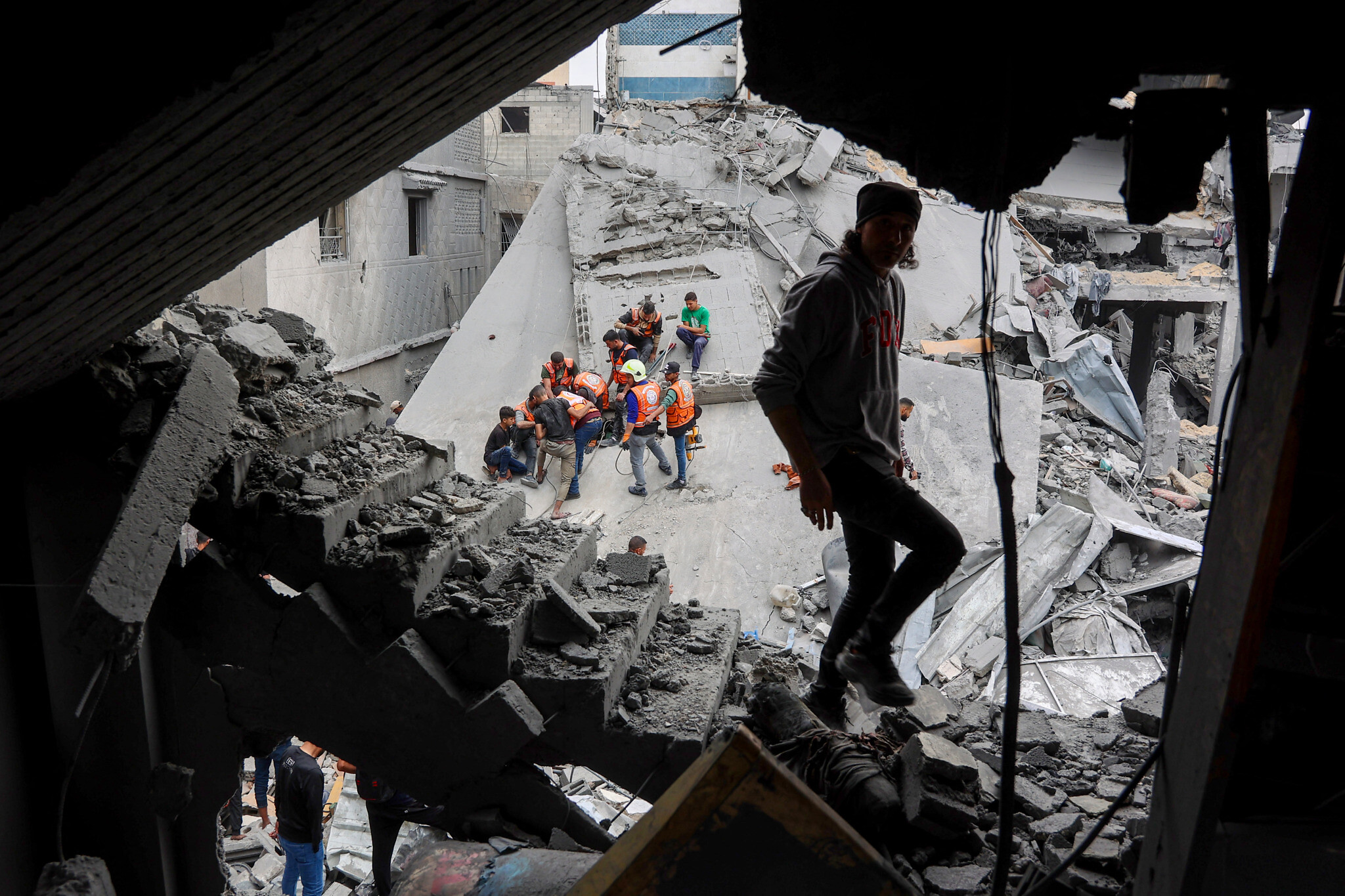
But the war it initiated with Israel has brought to a head frustration among ordinary Gazans sick of a conflict that has killed many thousands and reduced their territory to rubble.
Musa Abu Marzouk, a leading Hamas figure involved in talks over the ceasefire with Israel, told The New York Times in late February that as far as he was concerned, “if it was expected that what happened would happen, there wouldn’t have been October 7.”
In March, thousands of people took to the streets of Gaza, chanting “Out, out, Hamas out!,” after a rare call to protest circulated via Telegram.
“Some Palestinians want Hamas to go. Some have always been opposed, while others are just fed up,” said Seurat.
Hamas claimed the protests were really against Israel, and then threatened that actions to undermine public order would not be tolerated.
The terror group has violently cracked down on previous protests. This time, no outright intervention was apparent, which some saw as a sign of its waning power in the wake of Israel’s military campaign. There have been at least two cases of Hamas allegedly killing protesters and dissenters, however.
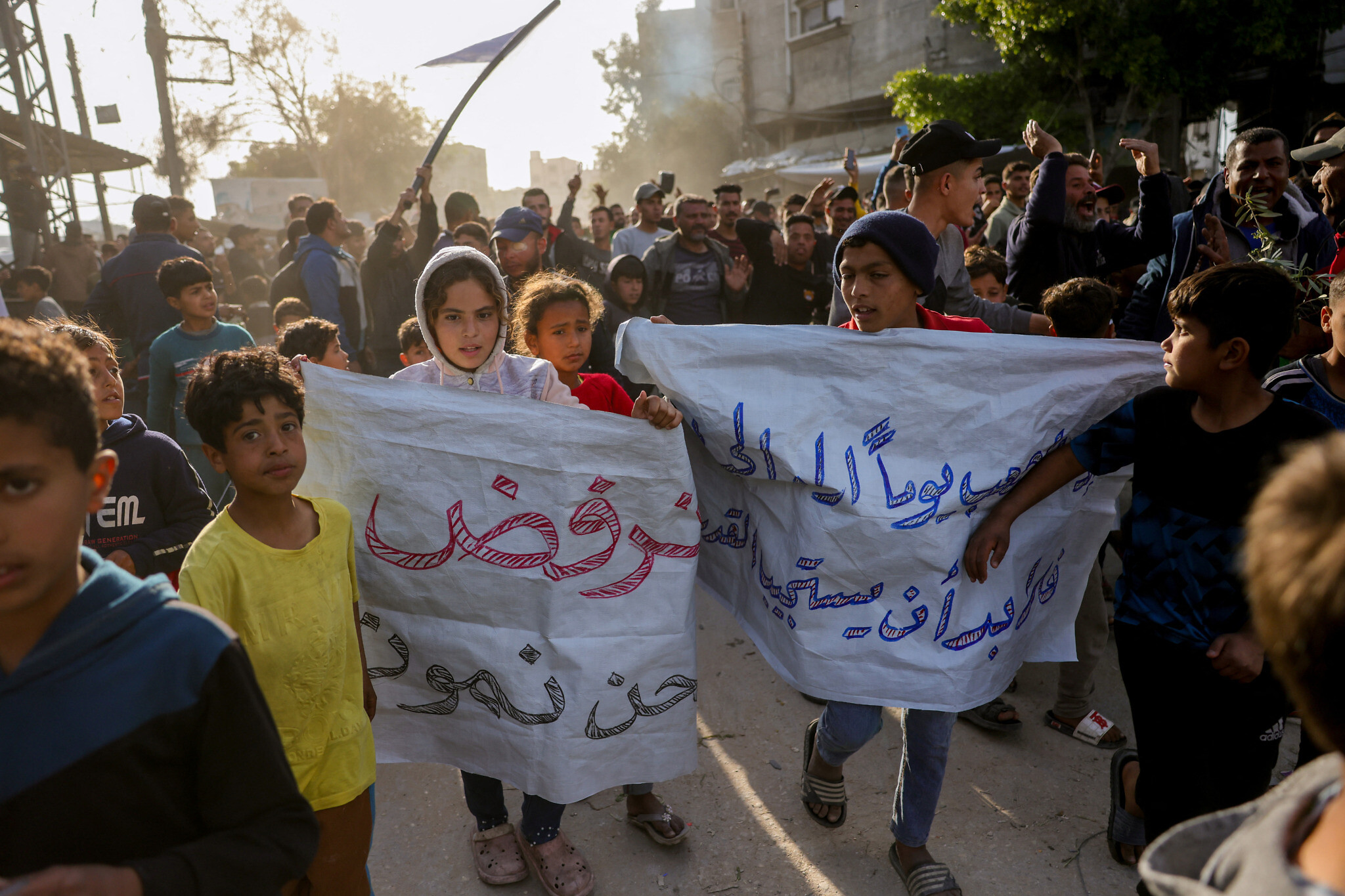
Pressure alone will not work, however, because Hamas has no viable competitor, and the people of Gaza simply do not have the means to stand up to it, Bucaille said.
“They are still in control,” said Bucaille. “While Hamas has been weakened, no one can stand up to it for now.”
A January ceasefire halted fighting for several weeks and saw the release of dozens of hostages in small batches, but the truce collapsed amid mutual accusations of violations. Israel has resumed strikes on Gaza in an effort to pressure Hamas into negotiating the release of more hostages, while the terror group has said it will only do that if it leads to a complete end to the war and a full IDF withdrawal.





The Times of Israel Community.