

IDF and Hezbollah trade strikes, rockets as Israel and Lebanon gear up for direct talks
Military says it struck over 200 targets in past day, with 2 soldiers wounded in south Lebanon combat; 10 Lebanese said killed in IDF strikes; Hezbollah blasts negotiations
 Add ToI as a Preferred Source on Google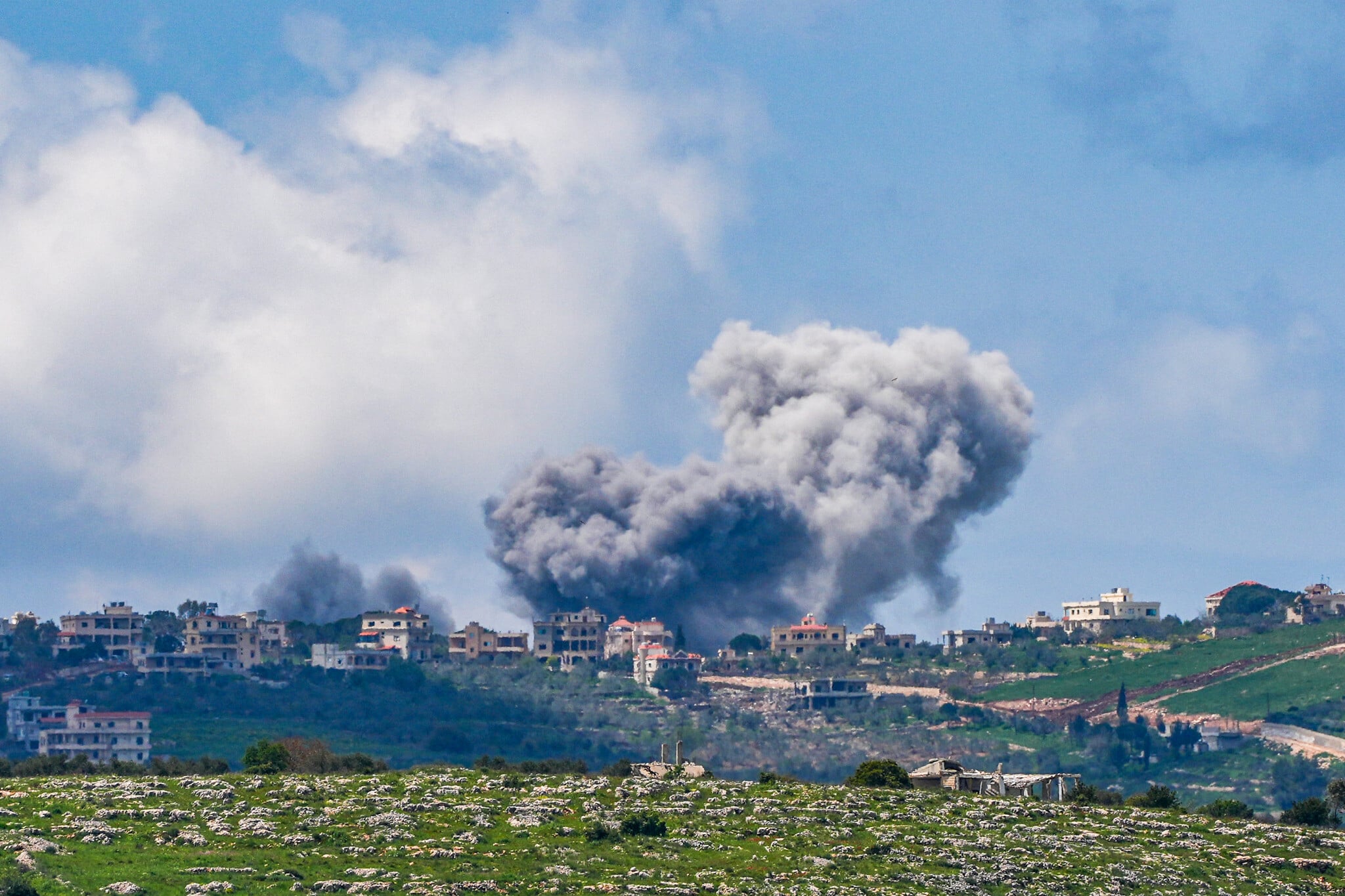
Israel and Hezbollah traded fire throughout Saturday, with the Israel Defense Forces striking hundreds of targets in Lebanon and the Iran-backed terror group launching dozens of rockets and drones at northern Israel.
The fighting in Lebanon continued as Jerusalem and Beirut geared up for direct peace talks, which are slated for Tuesday in Washington.
The Israeli and Lebanese ambassadors to the US, who will represent their respective sides during the talks, held a first direct phone conversation on Friday, during which the Israeli envoy said that Jerusalem is not prepared to cease fighting against Hezbollah, despite reported pressure from the US to do so.
There were no reports of injuries as a result of Hezbollah’s rocket and drone fire on Israel on Saturday, which caused minor property damage.
One Hezbollah drone struck a building in the northern border community of Shlomi. Several more drones were intercepted, the military said.
More than 30 rockets were also launched, though most were intercepted, and some were allowed to hit open areas across the Galilee, including near the cities of Safed and Karmiel, the IDF said.
Footage shows a Hezbollah drone being shot down over the Western Galilee earlier today. pic.twitter.com/BWerGhSCu5
— Emanuel (Mannie) Fabian (@manniefabian) April 11, 2026
According to the Israeli military, two soldiers were moderately wounded in combat with Hezbollah in southern Lebanon on early Saturday morning.
In Lebanon, 10 people, including three emergency workers, were killed by Israeli strikes on the south, according to the country’s health ministry.
The ministry said three deadly strikes hit locations in the Nabatiyeh district, with the dead including a member of the Lebanese civil defense and two paramedics from the Hezbollah-affiliated Islamic Health Committee. It decried what it said was Israel’s “systematic” targeting of emergency workers.
According to the IDF, the Israeli Air Force struck some 200 targets Friday night and Saturday. The targets included Hezbollah infrastructure and rocket launchers, the army said.
“The Air Force continues to strike the infrastructure of the Hezbollah terror organization and to assist the activity of ground forces operating in southern Lebanon,” the IDF said in a statement.
“In addition, the IDF continues to strike launchers to thwart fire toward Israeli civilians,” the military added.
Notably, the IDF has not conducted any strikes against Hezbollah in Beirut since Wednesday night, amid reports of US pressure on Israel to limit attacks on the terror group as it attempts to advance negotiations with Tehran.
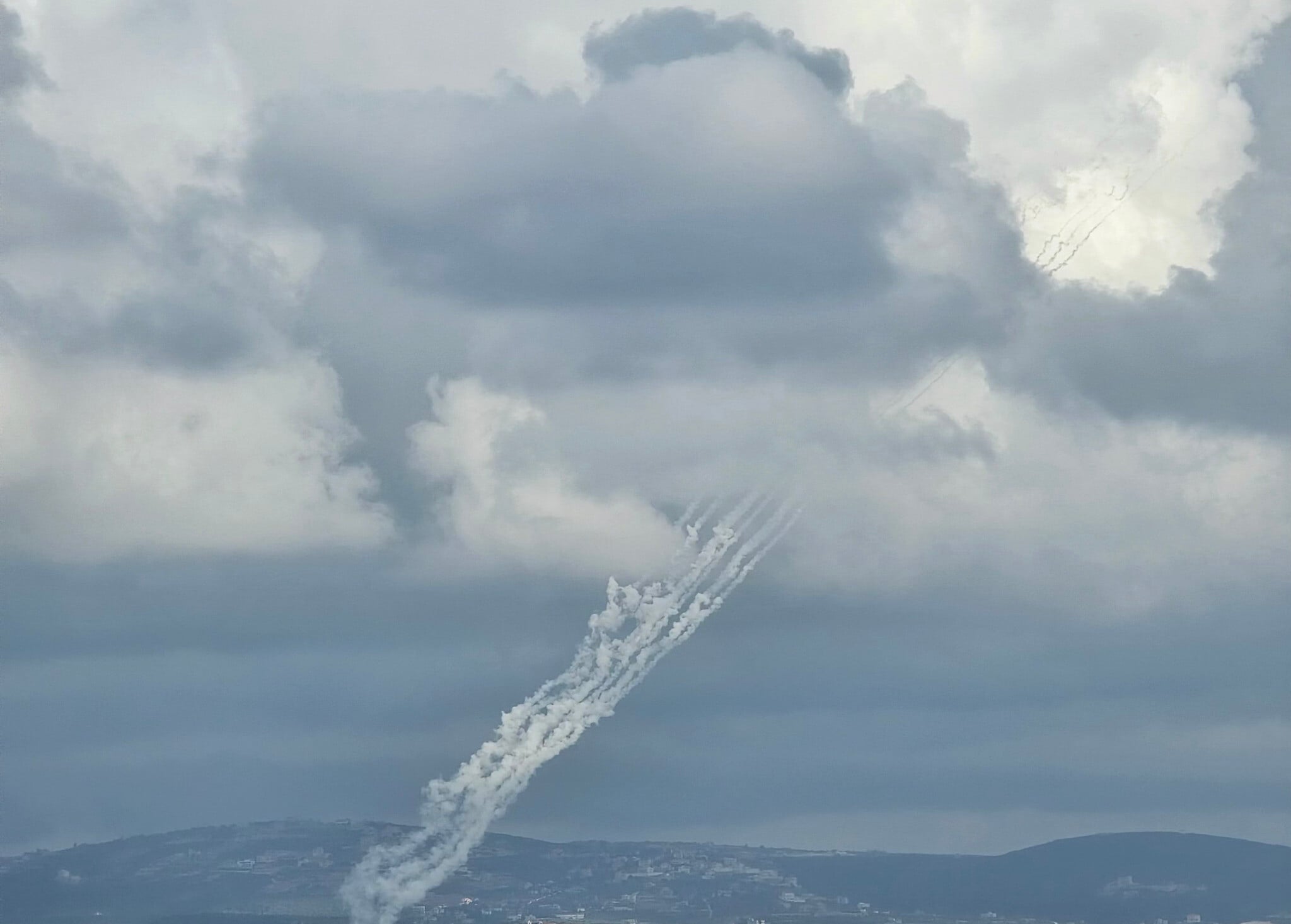
Lebanese state media also reported on Israeli ground operations in more than a dozen locations in south Lebanon, where five IDF divisions are currently deployed.
According to the IDF, two soldiers of the Paratroopers Brigade were moderately wounded during a clash with Hezbollah gunmen in southern Lebanon on Saturday.
The pair was hit by shrapnel amid an exchange of fire with Hezbollah gunmen. They were taken to a hospital and their families were notified, the army added.
According to the IDF, the paratroopers had raided several Hezbollah sites in southern Lebanon, and at one building, they encountered several Hezbollah operatives.
The paratroopers directed an Israeli Air Force drone, which struck and killed at least two of the gunmen, the military said, publishing footage from the incident.
צפו בתיעוד: לוחמי הצנחנים בשיתוף חיל האוויר חיסלו מחבלים בקרב בדרום לבנון
״יש היתקלות, מזהה מחבלים – פגיעה, שני מחבלים חוסלו״
לכל הפרטים: https://t.co/vwYLBuPisi pic.twitter.com/XGPqBf078z
— צבא ההגנה לישראל (@idfonline) April 11, 2026
The IDF said the troops later located weapons used by the operatives, and separately found another cache of Hezbollah weapons.
Hezbollah MP: Direct talks a ‘blatant violation’ of law
As combat between Israel and Hezbollah continued, Israel’s Ambassador to the US Yechiel Leiter told his Lebanese counterpart during their first-ever phone call on Saturday that Israel is not prepared to cease fighting against the Iran-backed group, even as it prepares to negotiate a potential peace deal with Beirut.
The US is reportedly urging Israel to halt the fighting against Hezbollah before the first-ever public meeting between envoys from Jerusalem and Beirut on Tuesday. Lebanon has argued that a ceasefire should be a precondition of the meeting.
Beirut is seeking the withdrawal of Israeli troops from Lebanese territory, while Israel has framed the talks as a step towards formally establishing peace with Lebanon, with which it has technically been at war for decades.
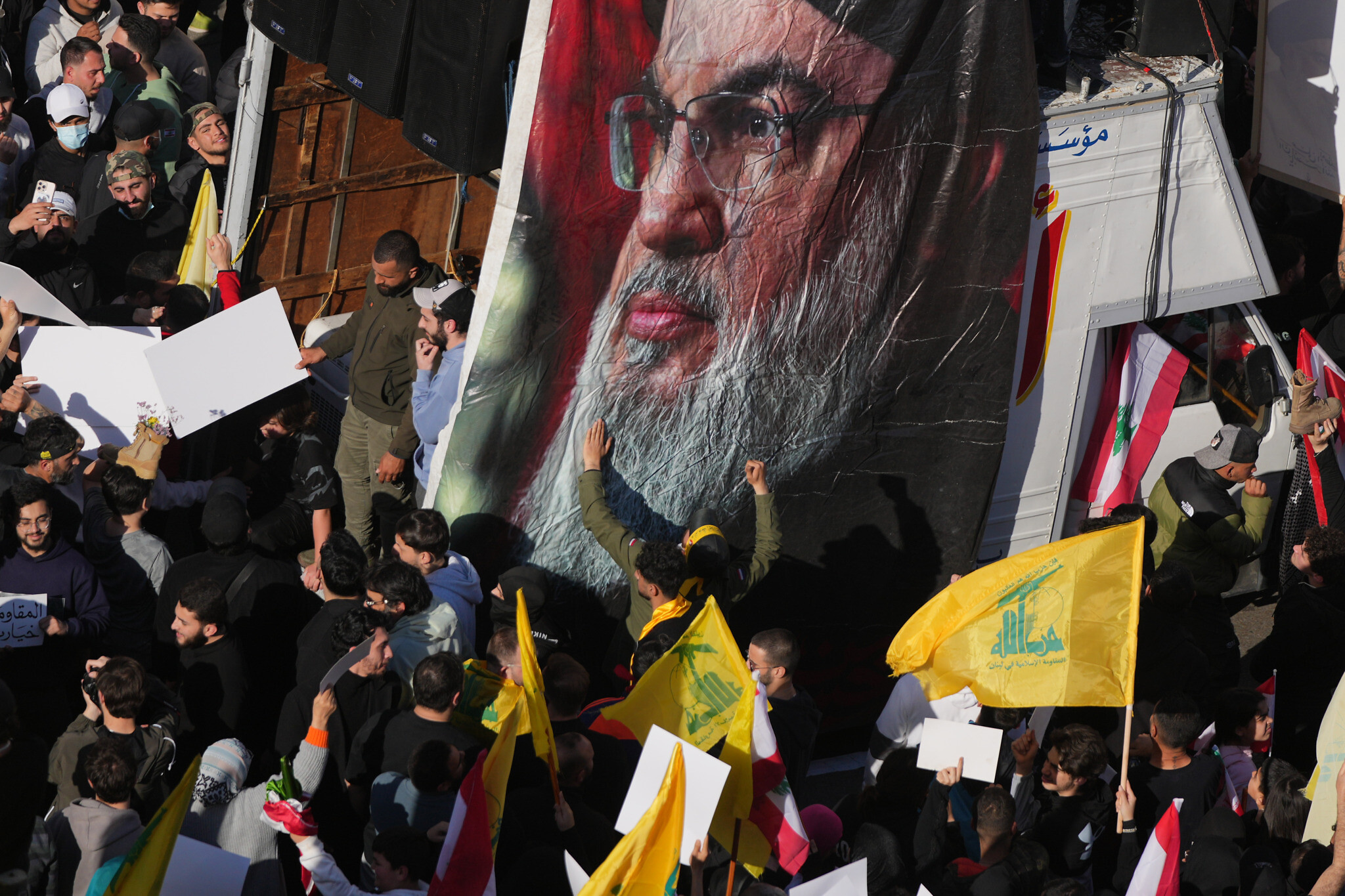
Reacting to the imminent talks, Hezbollah MP Hassan Fadlallah said the government’s decision to hold direct talks with Israel was “a blatant violation of the [national] pact, the constitution and Lebanese laws.”
The move “exacerbates domestic divisions at a time when Lebanon most needs solidarity and internal unity to face Israel’s aggression and preserve civil peace,” he added in a statement.
He went on to say the government “has failed to protect its people and cannot be trusted to safeguard national sovereignty.”
Ali Akbar Velayati, an adviser to Iran’s supreme leader, also chimed in on the talks, saying on X that Lebanese Prime Minister Nawaf Salam “should know that ignoring the unique role of the resistance and the heroic Hezbollah will expose Lebanon to irreparable security risks.”
“Lebanon’s stability rests exclusively on cohesion between the government and the resistance,” he said.
Grief in Lebanon as war drags on
In the coastal city of Sidon, meanwhile, hundreds of people attended a funeral procession on Saturday for 13 state security personnel who were killed the day before when Israeli strikes hit near their office in Nabatiyeh in the south.
Loved ones grasped at the coffins, each bearing the Lebanese flag, while others wept inconsolably.
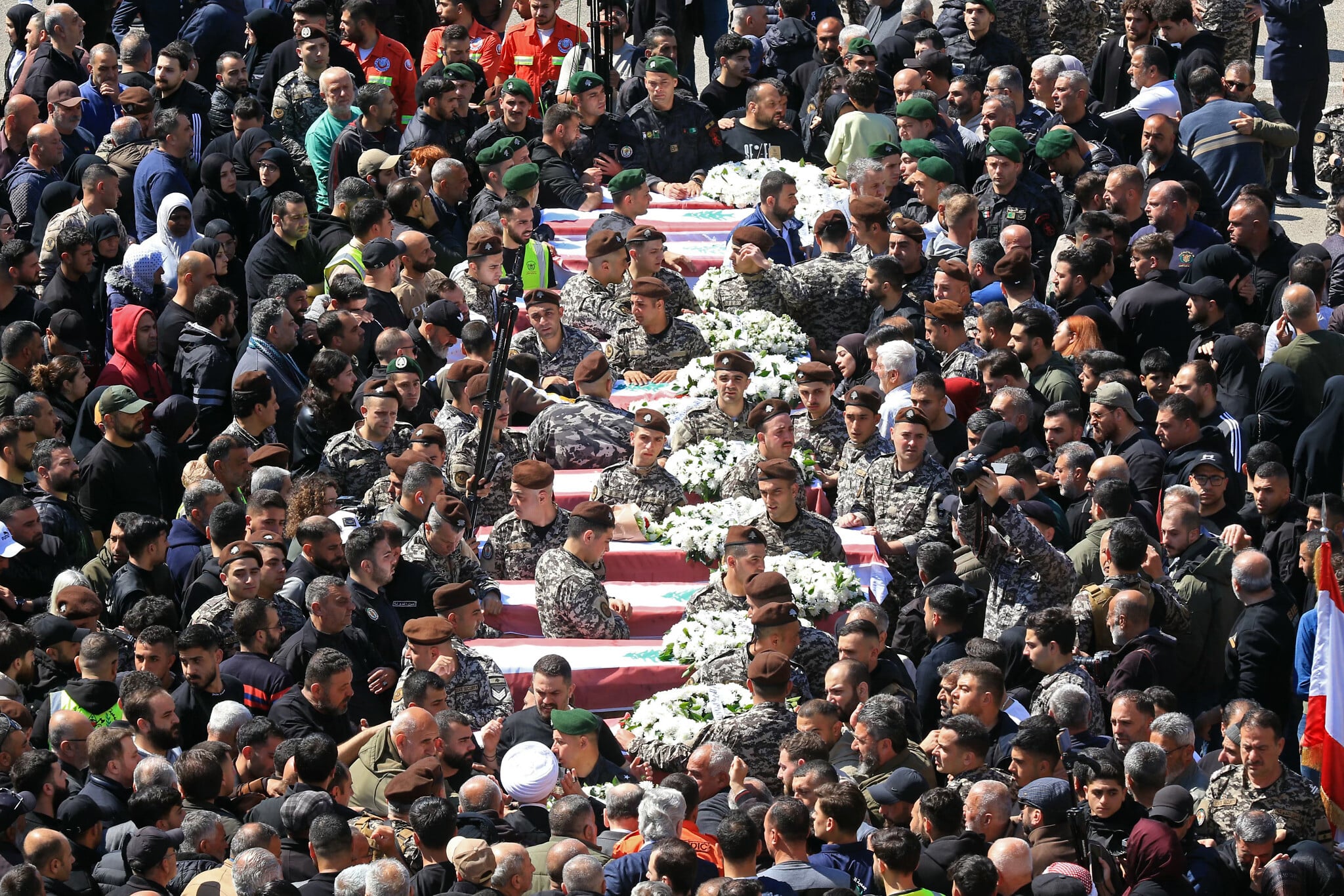
“Who will bring my husband back? Who will give my children their father back?” screamed the wife of one of the dead.
Addressing the authorities, another angry, grief-stricken mourner said: “You left them there to die, and now you’re holding ceremonies for them?”
The IDF said late Friday that it was investigating the incident. The military said it had targeted buildings used by Hezbollah “for military activity,” and that it was aware of reports of casualties among Lebanon’s security forces.
“The incident is under review,” the IDF added.
Lebanon’s health ministry says Israeli attacks have killed over 1,800 people since hostilities escalated on March 2, in tolls that do not differentiate between fighters and civilians. According to IDF tallies released Friday, more than 1,400 Hezbollah operatives have been killed over the same period.



The Times of Israel Community.