

IDF said to have damaged Gaza cemetery containing graves of Allied troops from world wars
Guardian report shows destruction, earthworks at graveyard east of Gaza City; IDF says area was ‘an active combat zone,’ contained tunnels used by Hamas terrorists
 Add ToI as a Preferred Source on Google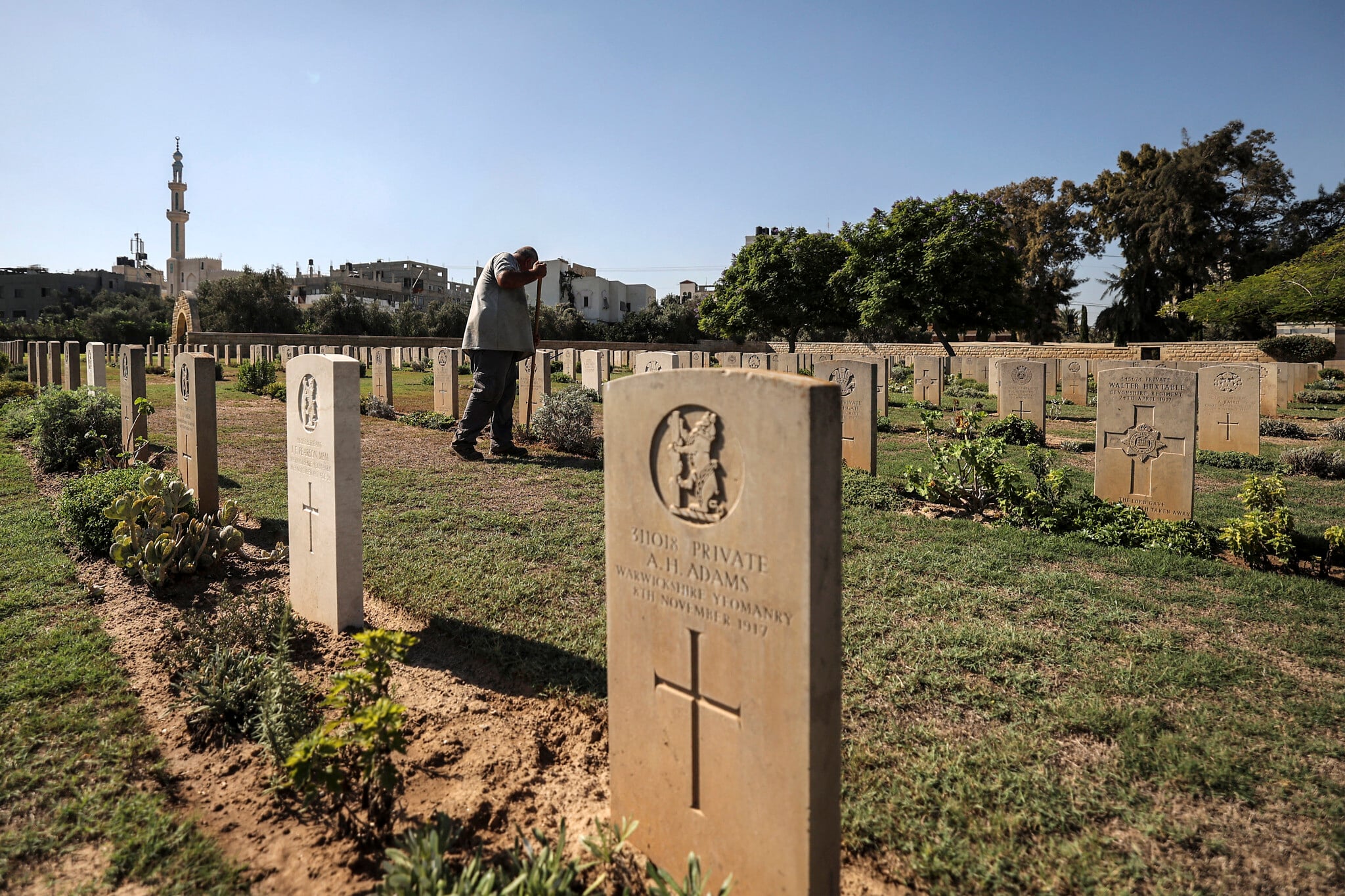
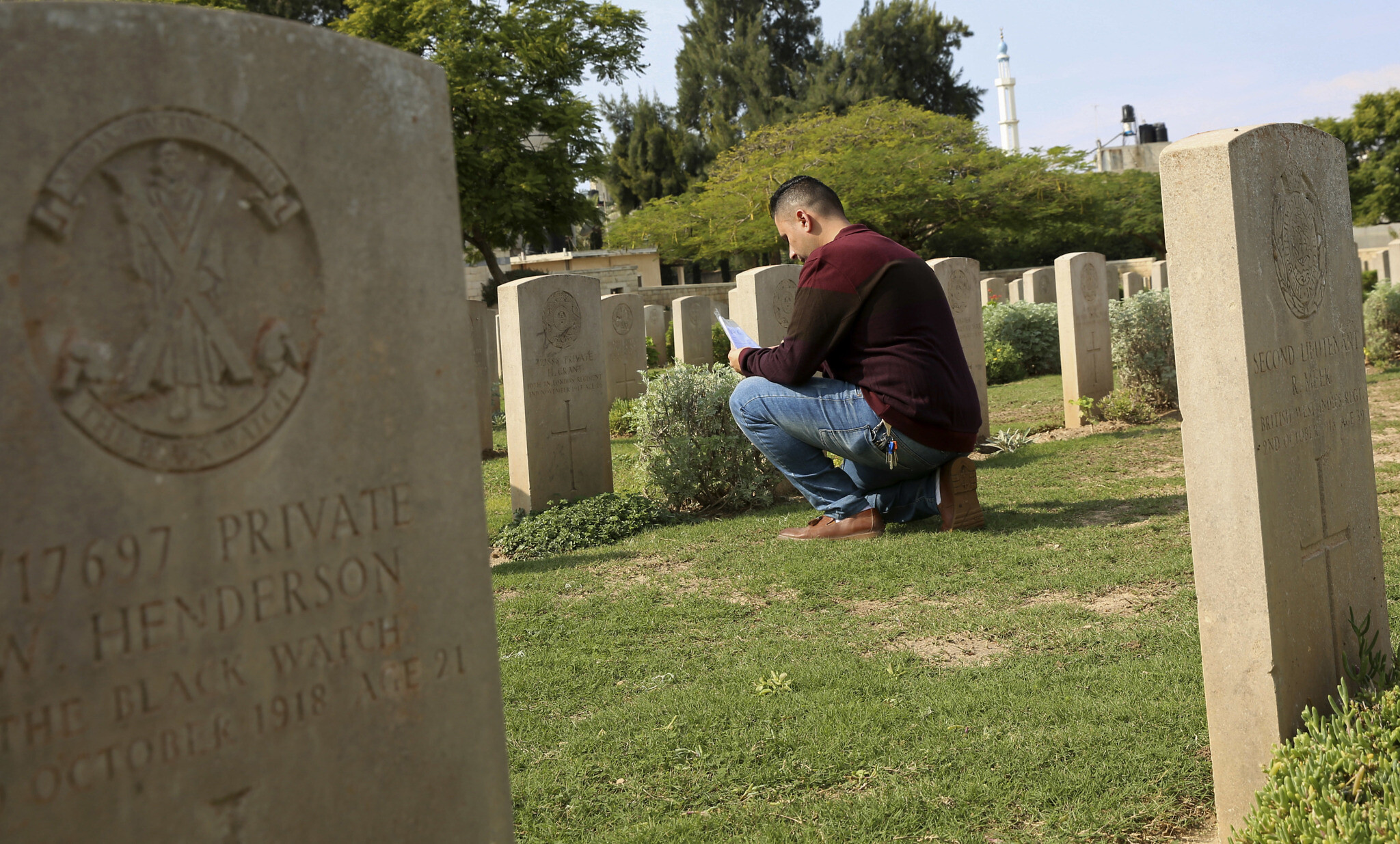
Israeli forces last year destroyed a part of a historic war cemetery in the Gaza Strip that contains graves of British, Australian, and other Allied soldiers from both world wars, according to a Wednesday report in the UK’s Guardian that cited satellite imagery and witness accounts.
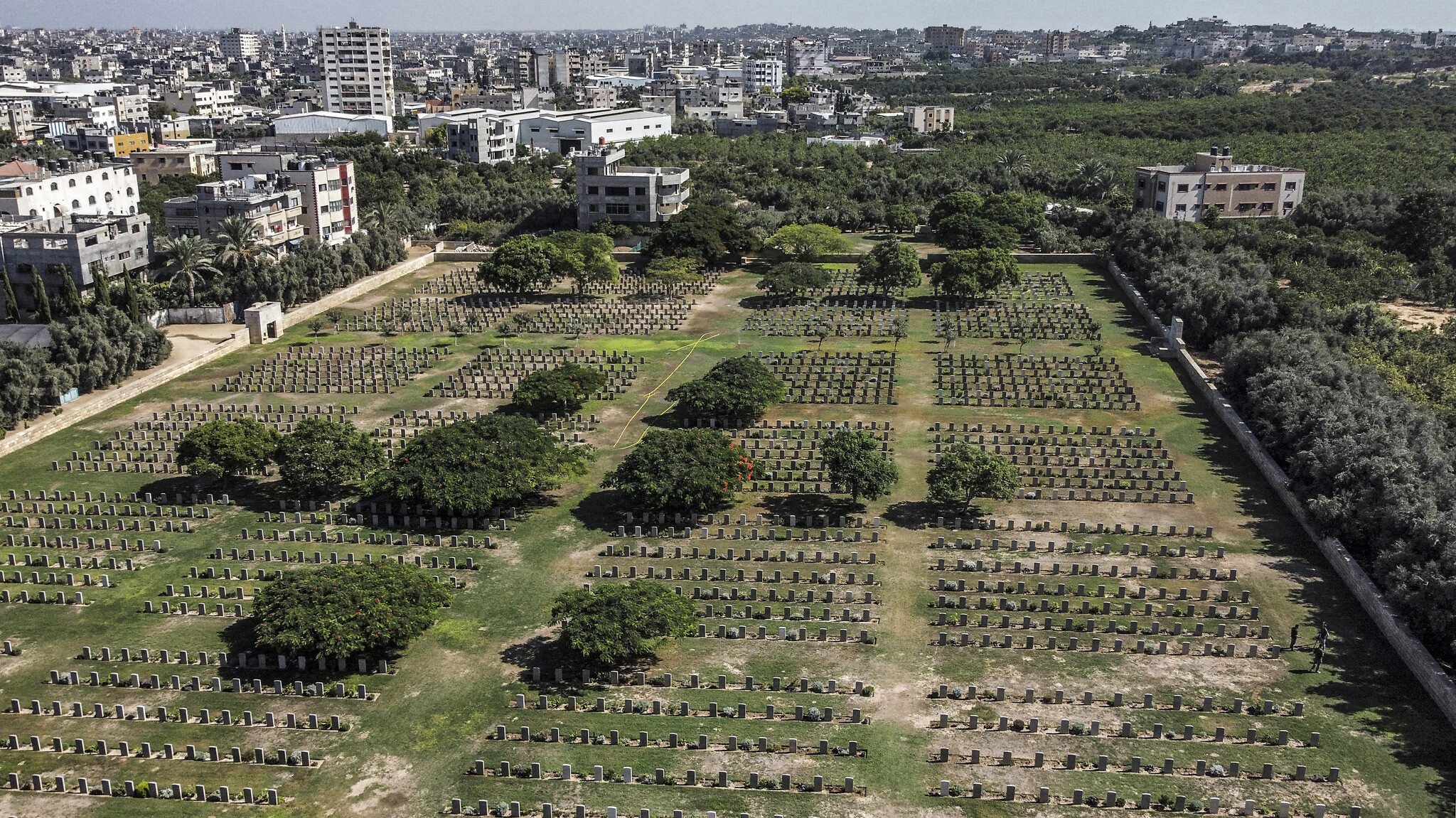
Images of the Commonwealth War Graves Commission Cemetery in Tuffah, in eastern Gaza City, show destruction in the cemetery’s southern corner, where rows of graves appear to have been removed and the ground torn up by heavy machinery, with earthworks and apparent access roads carved into the area.
Asked about the images, the Israel Defense Forces said the area had been an active battlefield and that its actions were taken to protect its troops.
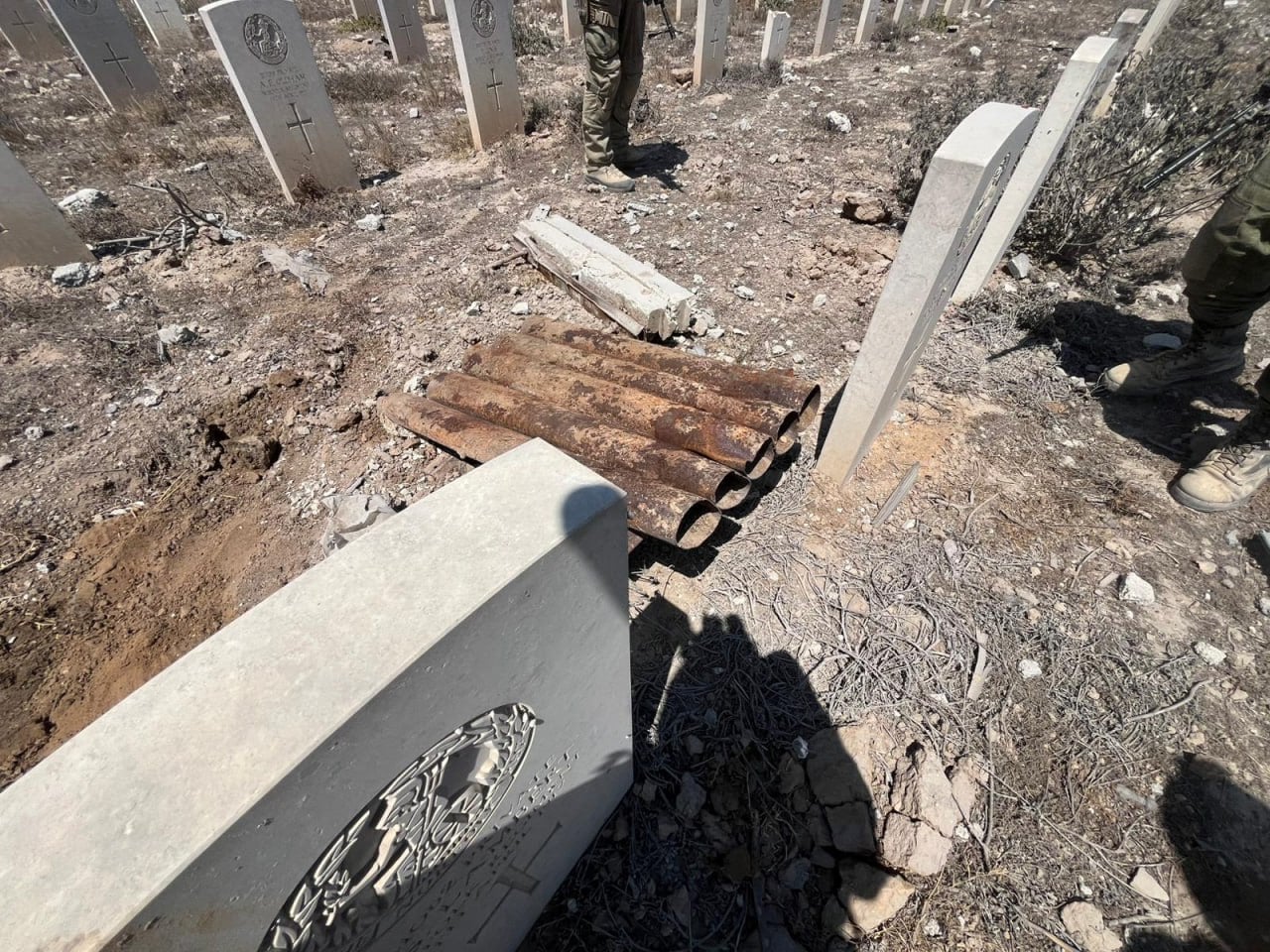
In August 2025, the military published footage showing it demolishing a kilometer-long Hamas tunnel adjacent to the cemetery, as well as a rocket launcher that troops had located between the graves.
The damage to the cemetery was not visible in satellite imagery from March of last year, but appears clearly in images dated to August and December 2025. Other parts of the cemetery show vegetation regrowth, while the affected corner remains bare.
Satellite imagery shows entire sections of World War II graves — mostly Australian, along with British and Polish soldiers — no longer visible. Several World War I burial sections, largely of British troops who died during the campaign against Ottoman forces in the Holy Land, also appear to have been bulldozed.
A Hamas tunnel next to the Commonwealth Gaza War cemetery in eastern Gaza City is demolished, in a video published on August 7, 2025. (Israel Defense Forces)
Essam Jaradah, the cemetery’s former caretaker, described to the Guardian what he saw after the IDF pulled back from the area.
“Two bulldozing operations took place at the cemetery,” he said. “The first bulldozing occurred outside the cemetery walls, extending approximately 12 meters around all sides of the cemetery. These areas were entirely planted with olive trees.
“Later on, an area of slightly less than one dunam was bulldozed inside the cemetery walls, specifically in the corner of the cemetery, which contains graves of Australian soldiers,” Jaradah said. “The bulldozing covered the area from the bench where foreign visitors used to sit up to the memorial monument. Bulldozers also created sand mounds that were used as earth barriers.
“I witnessed this bulldozing after the Israeli army withdrew from the area, around late April or early May,” he added.
UK and Commonwealth war graves, Northern Gaza
Latitude: 31.51247, Longitude: 34.4821
Looked after by the same Palestinian family for a century before they were forced to flee in 2023
Desecrated and destroyed since then by the Israelis pic.twitter.com/RANQTnHFRj— Donahue Rogers (@DonahueRogers) February 4, 2026
“The cemetery was considered one of the most beautiful archaeological sites in Gaza. It contained diverse and beautiful trees and served as a living public space for the people of the Gaza Strip,” said Jaradah, who looked after the site for some 45 years, according to the report.
An Israeli military spokesperson told The Guardian that “at the relevant time, the area in question was an active combat zone.”
“During IDF operations in the area, terrorists attempted to attack IDF troops and took cover in structures close to the cemetery. In response, to ensure the safety of IDF troops operating on the ground, operational measures were taken in the area to neutralize identified threats,” the spokesperson said.
“We emphasize that underground terrorist infrastructure was identified within the cemetery and in its surrounding area, which the IDF located and dismantled. IDF activity in sensitive areas is approved by senior ranks in the army and handled with the required sensitivity,” they added.
Intentional destruction of cemeteries is a violation of international law unless the site has become a military objective.
The Royal British Legion said it was distressed by the reports: “We are saddened to hear that graves of British and allied personnel who bravely served in the First and Second World Wars have been damaged. War graves honor the memory of every member of the armed forces who has made the ultimate sacrifice and deserve to be treated with the utmost respect.”
The Commonwealth War Graves Commission, which maintains the site, said in December that the cemetery had suffered widespread damage.
“As a result of the conflict the cemetery has suffered extensive damage to headstones, memorials, boundary walls, staff facilities and storage areas,” the CWGC said.
Prof. Peter Stanley, a military historian at the University of New South Wales in Canberra, said the loss would resonate deeply in Australia.
“The Gaza cemetery is as valued and as cared for as any cemetery in the world: an enormous amount of sentiment and emotion has been invested in maintaining these cemeteries as sacred places,” he said.
The Tuffah graveyard is not the only cemetery that Israel has damaged during the war against Hamas in Gaza, with reports early in the war suggesting the IDF had caused destruction of at least 16 cemeteries in the Palestinian coastal enclave.
According to Palestinian media reports, dozens of cemeteries have since been heavily damaged or destroyed in the war, and Gazans have resorted to burying their dead in unmarked areas not intended as graveyards.
The military has acknowledged digging up graves in the Strip in the search for the bodies of hostages, and has published evidence showing Hamas’s use of cemeteries for military purposes.

Most recently, the IDF last month exhumed hundreds of bodies at a Muslim cemetery in eastern Gaza City during the search for the body of the last hostage held in the Gaza Strip, police Master Sgt. Ran Gvili, who was eventually found buried amongst the graves.
According to the army, troops tested over 250 bodies for a potential match to Gvili before they were able to confirm that one body matched Gvili’s via dental records. The IDF said it returned all of the other exhumed bodies to their graves and cleaned up the cemetery after the operation was finished.






The Times of Israel Community.