

IDF says it’s on alert for ‘surprise scenarios,’ as US mulls military strikes on Iran
Israel said to believe Trump will make good on threat to attack in support of anti-regime protesters; US president puts 25% tariff on countries doing business with Tehran
 Add ToI as a Preferred Source on Google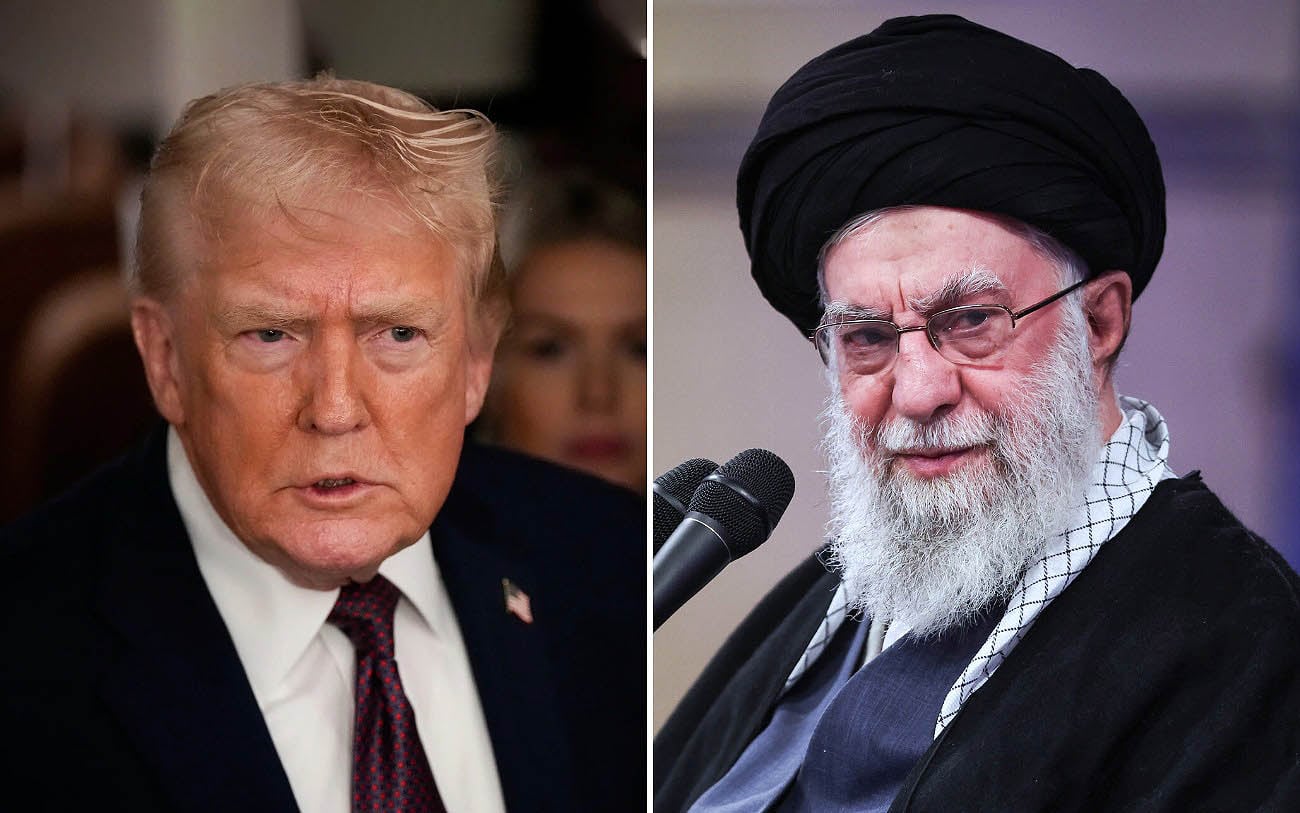
The Israel Defense Forces said Monday that it remained on alert for possible “surprise scenarios” as anti-government unrest in Iran has prompted the United States to threaten intervention over the killing of protesters.
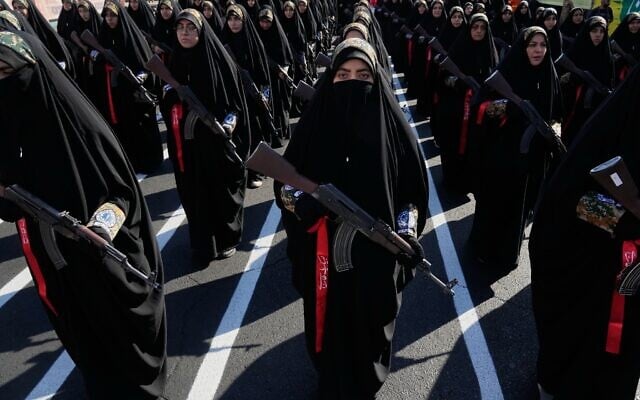
Tehran has threatened to retaliate against Israel and US military bases if it comes under American attack.
Human rights groups allege the death toll in the country has risen to 648, though it may be much higher amid an internet blackout enforced by the regime since Thursday, making it difficult to assess the reported bloodletting. Some Iranians still have access to the internet via Elon Musk’s Starlink satellite service, three people inside the country said.
IDF spokesperson Brig. Gen. Effie Defrin urged the public not to “lend a hand to rumors” about the ongoing situation in Iran.
“The protests in Iran are an internal matter,” he said in a post on X.
He said the IDF is “prepared defensively” and continues to hold regular situational assessments, and that it will provide updates if there are any changes.
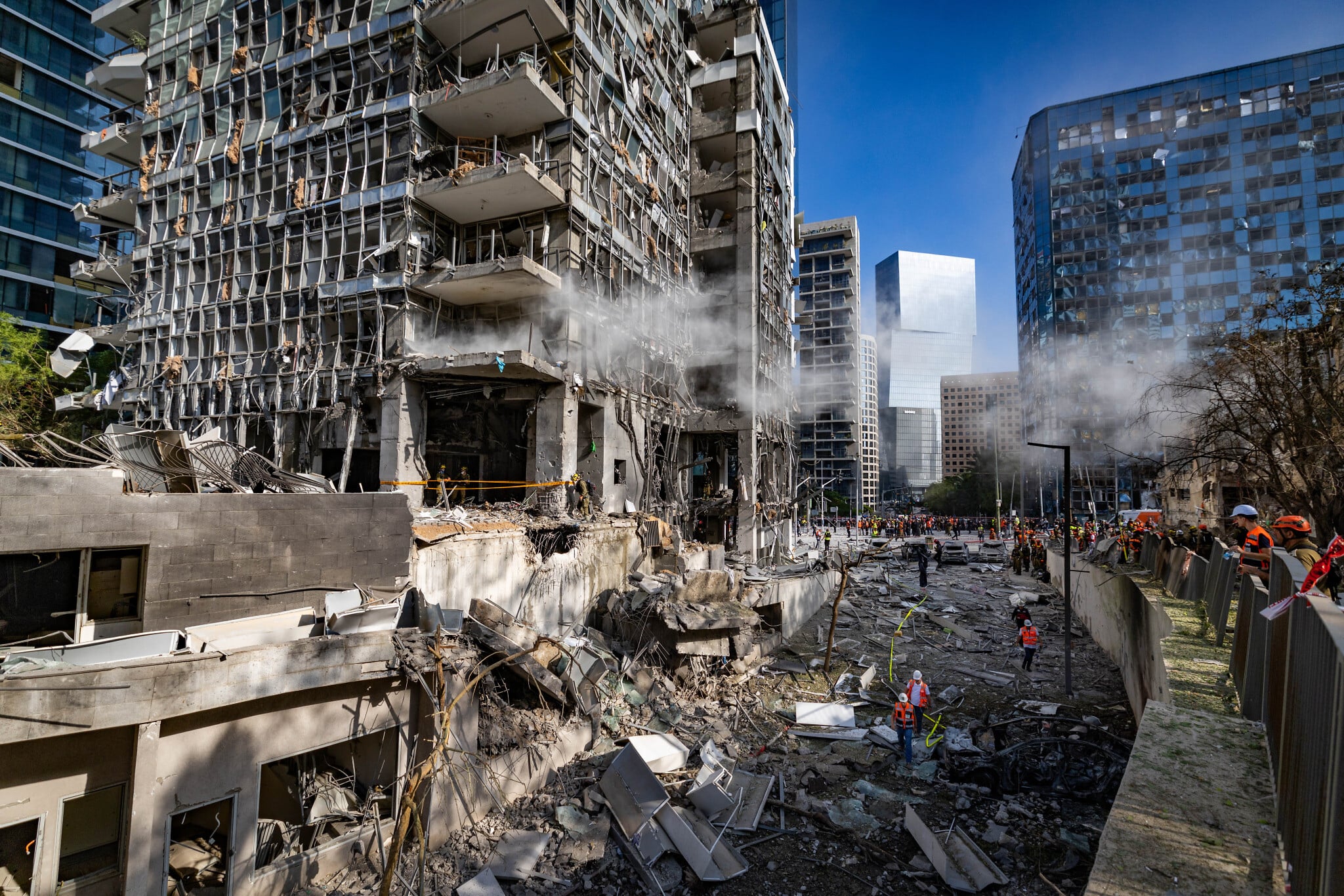
In June, Israel waged a 12-day war with Iran that began with a sweeping assault on Iran’s top military leaders, nuclear scientists, uranium enrichment sites, and ballistic missile program. It said the attack was necessary to prevent the Islamic Republic from realizing its avowed plan to build nuclear weapons and destroy the Jewish state.
According to the Kan public broadcaster, Israel believes US President Donald Trump will make good on his threat to attack, and that this will lead to another war between Israel and Iran.
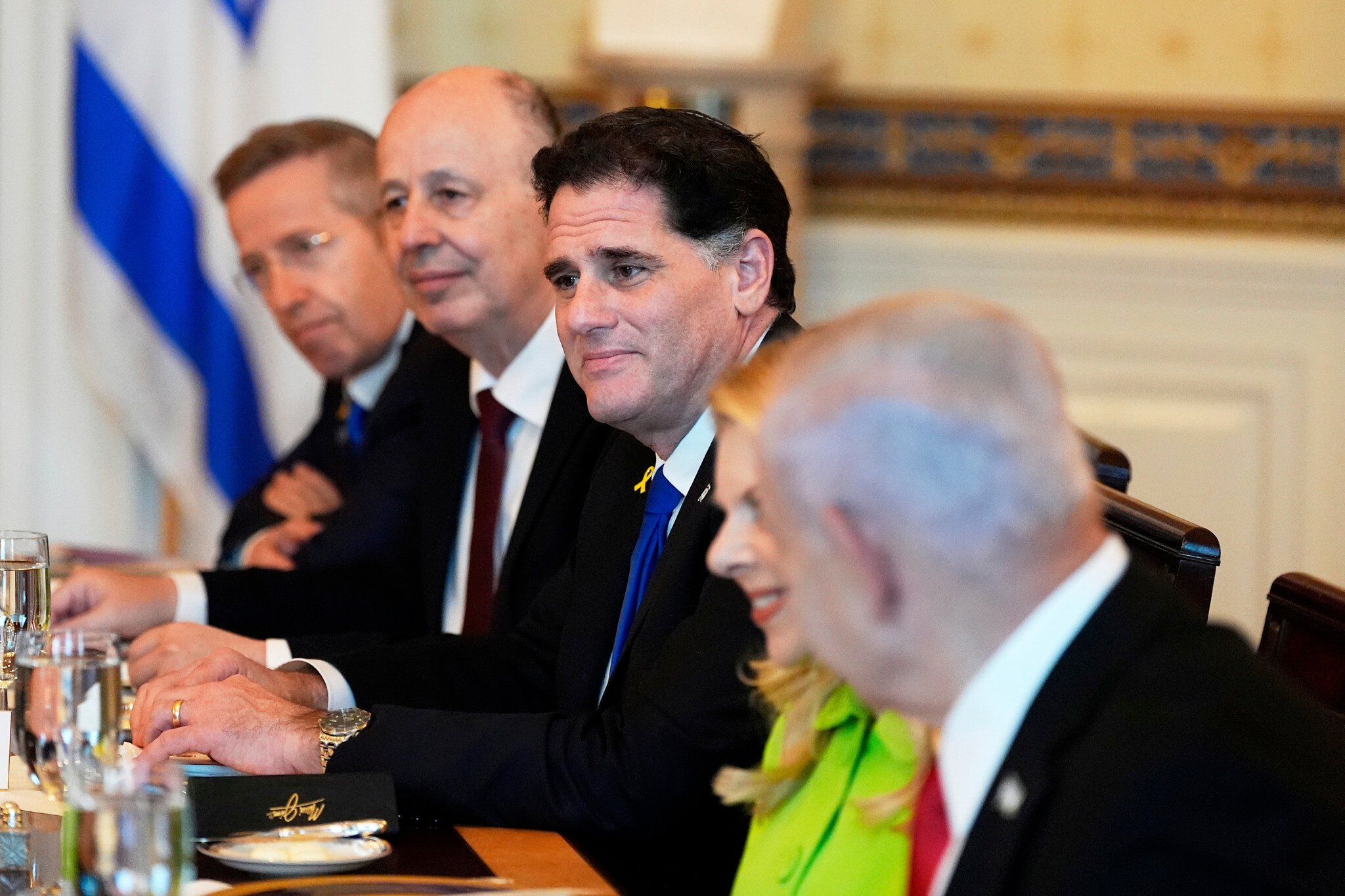
Former strategic affairs minister Ron Dermer was summoned by Prime Minister Benjamin Netanyahu to join a meeting on Sunday with senior ministers and security officials as the US weighed action, according to Channel 12 news.
The network reported that Dermer was consulted due to the potentially fateful decisions that the Trump administration may take vis-à-vis Iran. Dermer, a longtime Netanyahu confidant who resigned from his post in November, had been in charge of overseeing ties with the Trump administration.
The network also quoted an unnamed Israeli source warning that Iran’s offer a few days ago to hold talks with the US is “a trap” meant to delay potential American strikes on the Islamic Republic.
In his latest attempt to pressure Tehran, Trump announced on Monday that “effective immediately, any country doing business with the Islamic Republic of Iran will pay a tariff of 25 percent on any and all business being done with the United States of America.”
“This order is final and conclusive,” he wrote on Truth Social.
Brazil, China, Russia, Turkey, and the United Arab Emirates are among economies that do business with Tehran.
The White House declined to offer further comment about the president’s tariff announcement.
Iran had no direct reaction to Trump’s comments, which came after the foreign minister of Oman — long an interlocutor between Washington and Tehran — traveled to Iran this weekend. It also remains unclear just what Iran could promise, particularly as Trump has set strict demands over its nuclear program and its ballistic missile arsenal, which Tehran insists is crucial for its national defense.
While Trump has avoided explicit talk of regime change, he has threatened military action against Iran if it kills protesters.
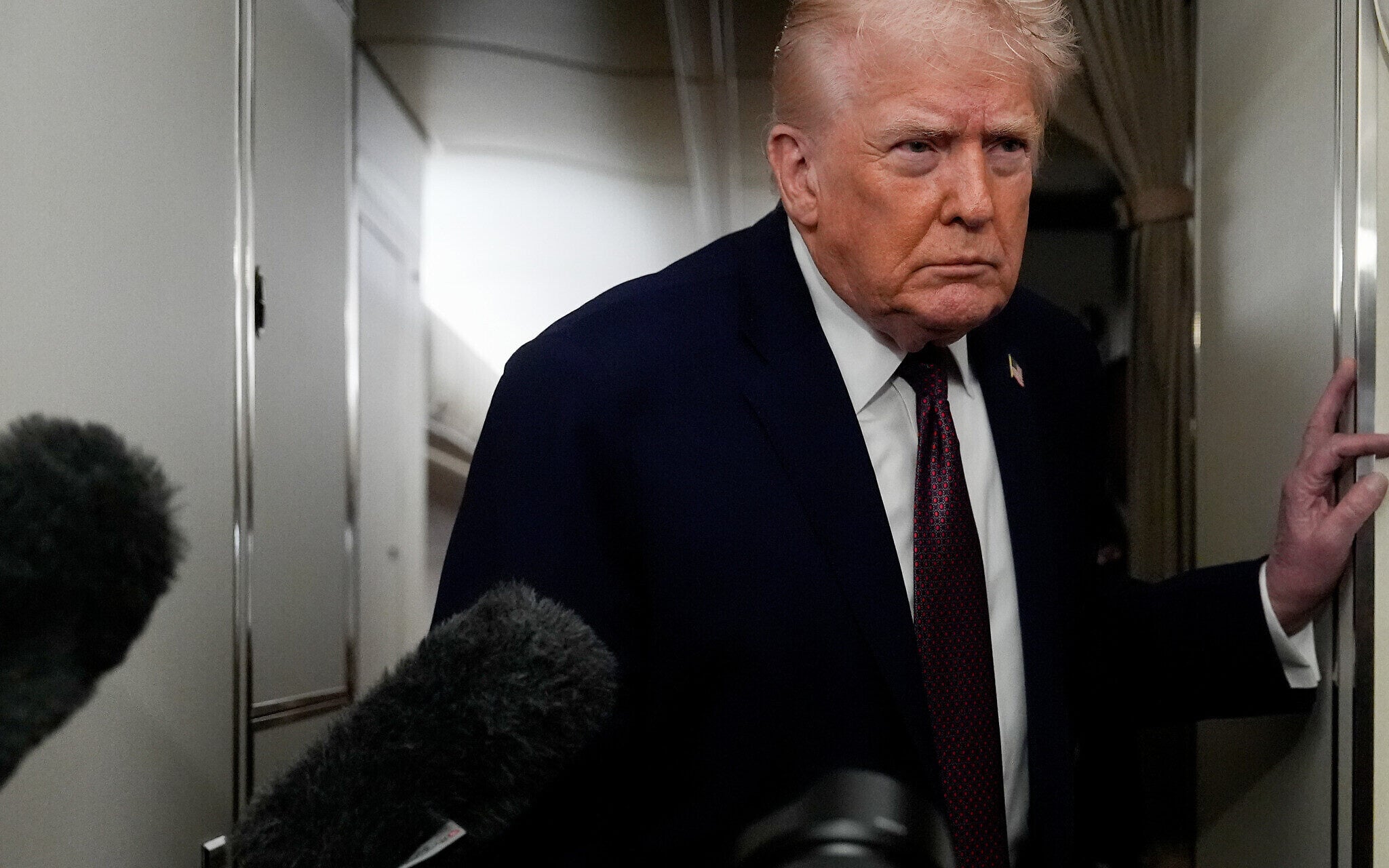
Trump said Sunday that Iran’s leadership reached out to the US over the weekend, expressing interest in holding nuclear negotiations. The president said he may take up the offer but indicated he may strike Iran first.
Trump is slated to hold a security consultation on Tuesday, during which he will be briefed on potential actions to take against Iran. He is said to lean in favor of a military strike, while also remaining open to a diplomatic solution.
The president has expressed support for the protesters and has pledged that “help” is on the way, without elaborating.
The Pentagon has briefed Trump on possible military strikes, cyberattacks, and psychological measures that can be taken to support the protesters, CBS News reported, citing two American officials, who said that a final decision has not yet been made.
The US Department of State Consular Affairs has highlighted the escalating protests and said US citizens in Iran should consider leaving by land to Armenia or Turkey.
“US nationals are at significant risk of questioning, arrest, and detention in Iran,” the department said on its TravelGov account on X.
Iranian Foreign Minister Abbas Araghchi, speaking to foreign diplomats in Tehran earlier on Monday, insisted “the situation has come under total control,” in remarks that blamed Israel and the US for the violence, without offering evidence.
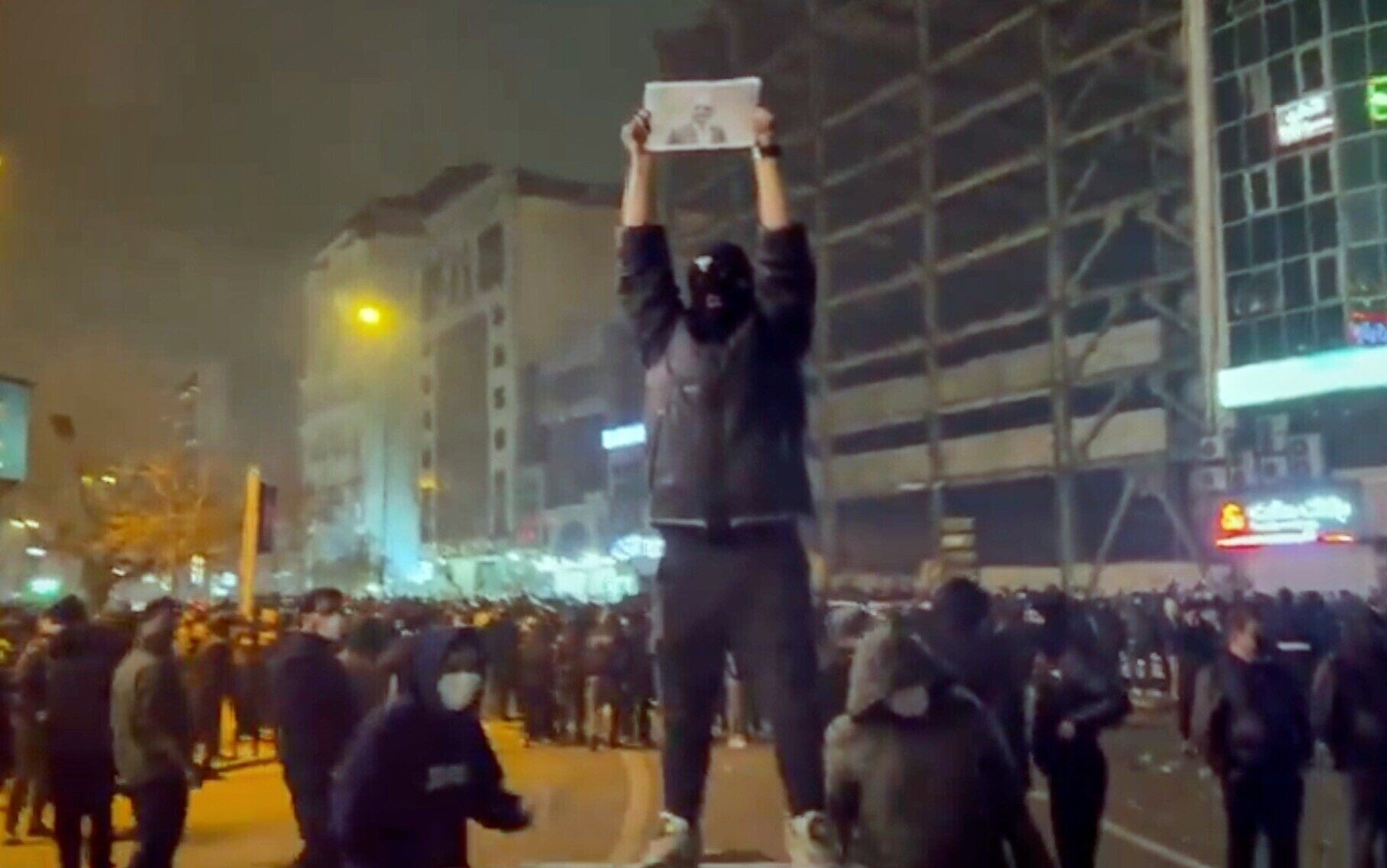
“That’s why the demonstrations turned violent and bloody to give an excuse to the American president to intervene,” Araghchi said, in comments carried by Al Jazeera. The Qatar-funded network has been allowed to report live from inside Iran, despite the internet being shut off.
Araghchi said Iran was “open to diplomacy,” and Iranian Foreign Ministry spokesman Esmail Baghaei said that a channel to the US remained open, but talks needed to be “based on the acceptance of mutual interests and concerns, not a negotiation that is one-sided, unilateral and based on dictation.”
The demonstrations began on December 28 over the collapse of the Iranian rial currency, which trades at more than 1.4 million to $1, as Iran’s economy is squeezed by international sanctions, in part levied over its nuclear program. The protests intensified and grew into calls calling for the overthrow of Iran’s theocracy.






The Times of Israel Community.