

IDF strikes Hezbollah, day after Lebanese army said it had disarmed terror group in south
No immediate reports of casualties; as Araghchi visits Beirut, Lebanon FM urges Iran to find ‘new approach’ on Hezbollah
 Add ToI as a Preferred Source on Google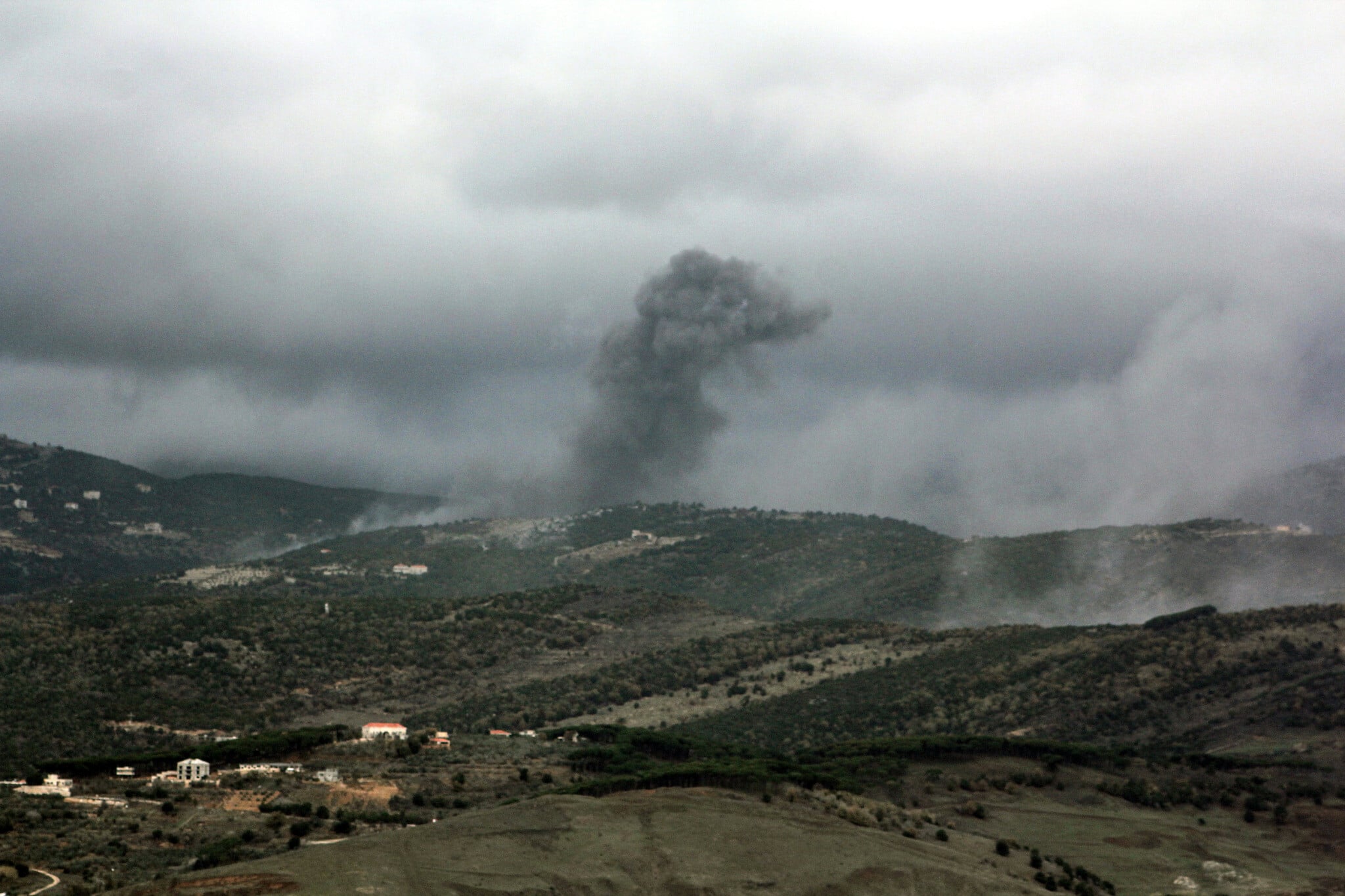
The Israel Defense Forces said it struck Hezbollah targets in several areas of Lebanon on Friday, a day after the Lebanese army said it had completed the first phase of its plan to disarm the terror group in Lebanon’s south.
Lebanese media reported Israeli strikes in the south of the country.
Under heavy US pressure and amid fears of expanded Israeli strikes, Lebanon has committed to disarming Iran-backed Hezbollah, which was weakened by more than a year of hostilities with Israel, including two months of all-out war, that started when the group attacked Israel on October 8, 2023, and ended with a November 2024 ceasefire.
Despite the truce, Israel has kept up regular strikes in Lebanon against Hezbollah sites and operatives, and has maintained troops in five south Lebanon areas it deems strategic, accusing the group of rearming.
In a statement on Friday, the Israeli military said it struck “several areas in Lebanon,” targeting “weapons storage facilities and a weapons production site that were used for the rehabilitation and military build-up of the Hezbollah terrorist organization.”
“Additionally, several launch sites and rocket launchers, along with military structures, were struck,” it added.
Breaking | Israeli warplanes launch a series of airstrikes targeting multiple areas in southern and eastern Lebanon. pic.twitter.com/CguqY4MtLJ
— Quds News Network (@QudsNen) January 9, 2026
According to the military, the facilities were being used to “advance terror attacks against the State of Israel and IDF soldiers.” The IDF said the activity at the targeted sites constituted a violation of the ceasefire understandings between Israel and Lebanon.
The military added that it will continue to act to remove any threat to the State of Israel.
No casualties were immediately reported.
The strikes came a day after Lebanese official media said a strike killed one person near the southern city of Sidon, as Israel’s army said it targeted a Hezbollah operative.
Lebanon’s army said Thursday it had “achieved the objectives of the first phase” of its plan to disarm Hezbollah, covering the area south of the Litani River — around 30 kilometers (20 miles) from the Israeli border — with the intention to extend it to the rest of the country.
‘New approach’ needed
On Friday, Lebanese Foreign Minister Youssef Raggi urged his visiting Iranian counterpart to change course on the thorny issue of disarming the Iran-backed Hezbollah terror group.
Iran has long wielded substantial influence in Lebanon by funding and arming Hezbollah, but as the balance of power shifted since the recent conflict, officials have been more critical of Tehran.
Last August, Lebanese leaders firmly rejected any efforts at foreign interference during a visit by Iran’s security chief Ali Larijani, with the prime minister saying Beirut would “tolerate neither tutelage nor diktat” after Tehran voiced opposition to plans to disarm Hezbollah.
“The defense of Lebanon is the sole responsibility of the Lebanese state,” which must have a monopoly on weapons, Raggi told Iranian Foreign Minister Abbas Araghchi, a Lebanese Foreign Ministry statement said.
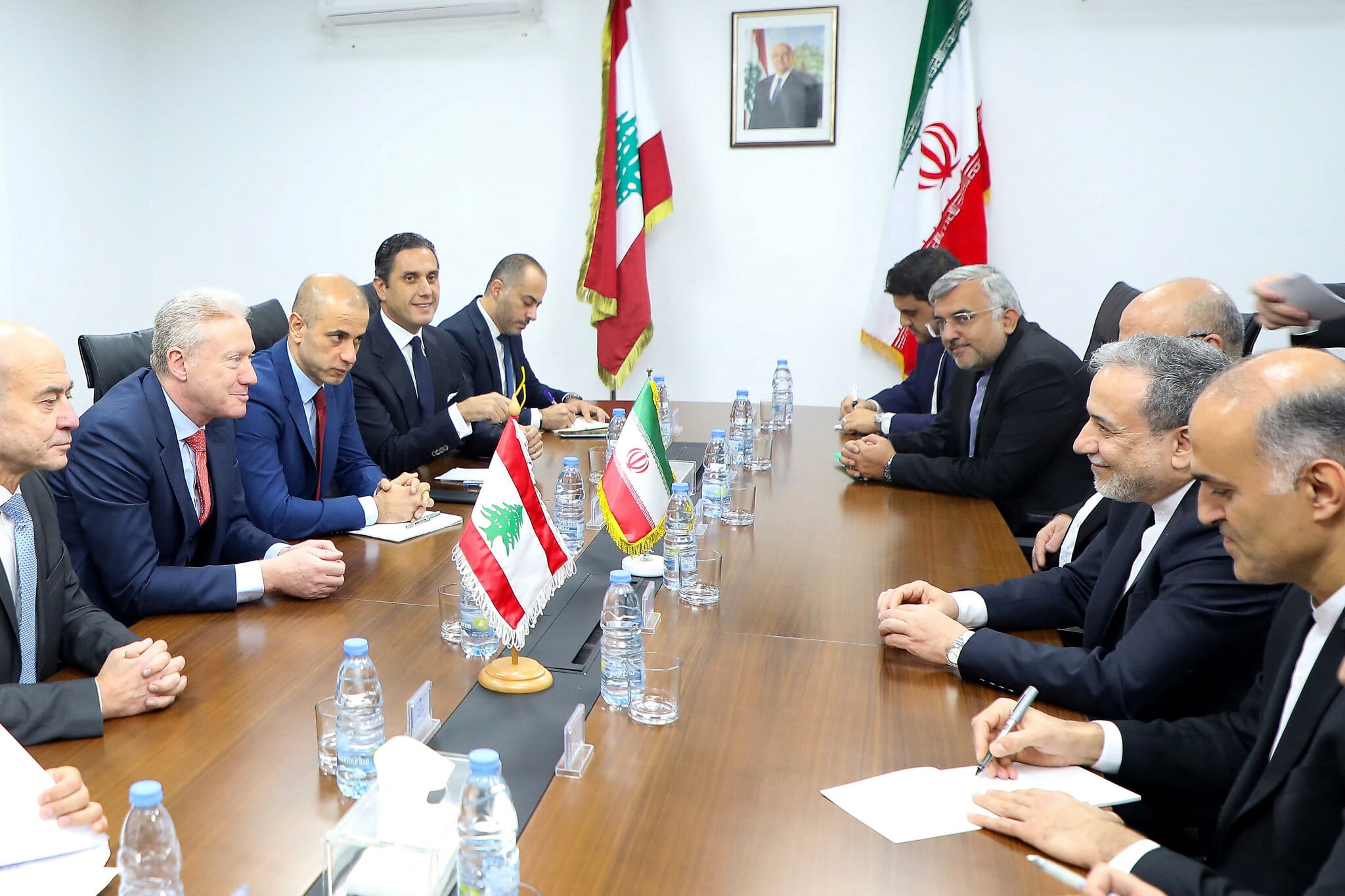
Raggi called on Iran to engage in talks with Lebanon to find “a new approach to the issue of Hezbollah’s weapons, drawing on Iran’s relationship with the party, so that these weapons do not become a pretext for weakening Lebanon.”
He asked Araghchi “whether Tehran would accept the presence of an illegal armed organization on its own territory.”
Last month, Raggi declined an invitation to visit Iran and proposed meeting in a neutral third country.
Araghchi also met Lebanon’s President Joseph Aoun on Friday and was set to hold talks with several other senior officials.
After arriving on Thursday, he visited the mausoleum of former Hezbollah leader Hassan Nasrallah, who was killed in a massive Israeli airstrike on south Beirut in September 2024.
Israel said on Thursday that Lebanon’s efforts to disarm Hezbollah were encouraging but not enough.
“The ceasefire agreement… states clearly, Hezbollah must be fully disarmed,” the office of Prime Minister Benjamin Netanyahu said in a statement.
“Efforts made toward this end by the Lebanese government and the Lebanese armed forces are an encouraging beginning, but they are far from sufficient,” it added.
Under the ceasefire, Hezbollah was to withdraw its forces north of the Litani River and have its military infrastructure dismantled in the evacuated areas.
The group has refused to surrender its weapons.







The Times of Israel Community.