

IDF to enact new guidelines for recognizing suicides linked to military service
Defense Ministry will decide on a case-by-case basis whether circumstances of a suicide are linked to trauma from military service, and will increase support for victims’ families
 Add ToI as a Preferred Source on Google
Stav Levaton is a military reporter for The Times of Israel
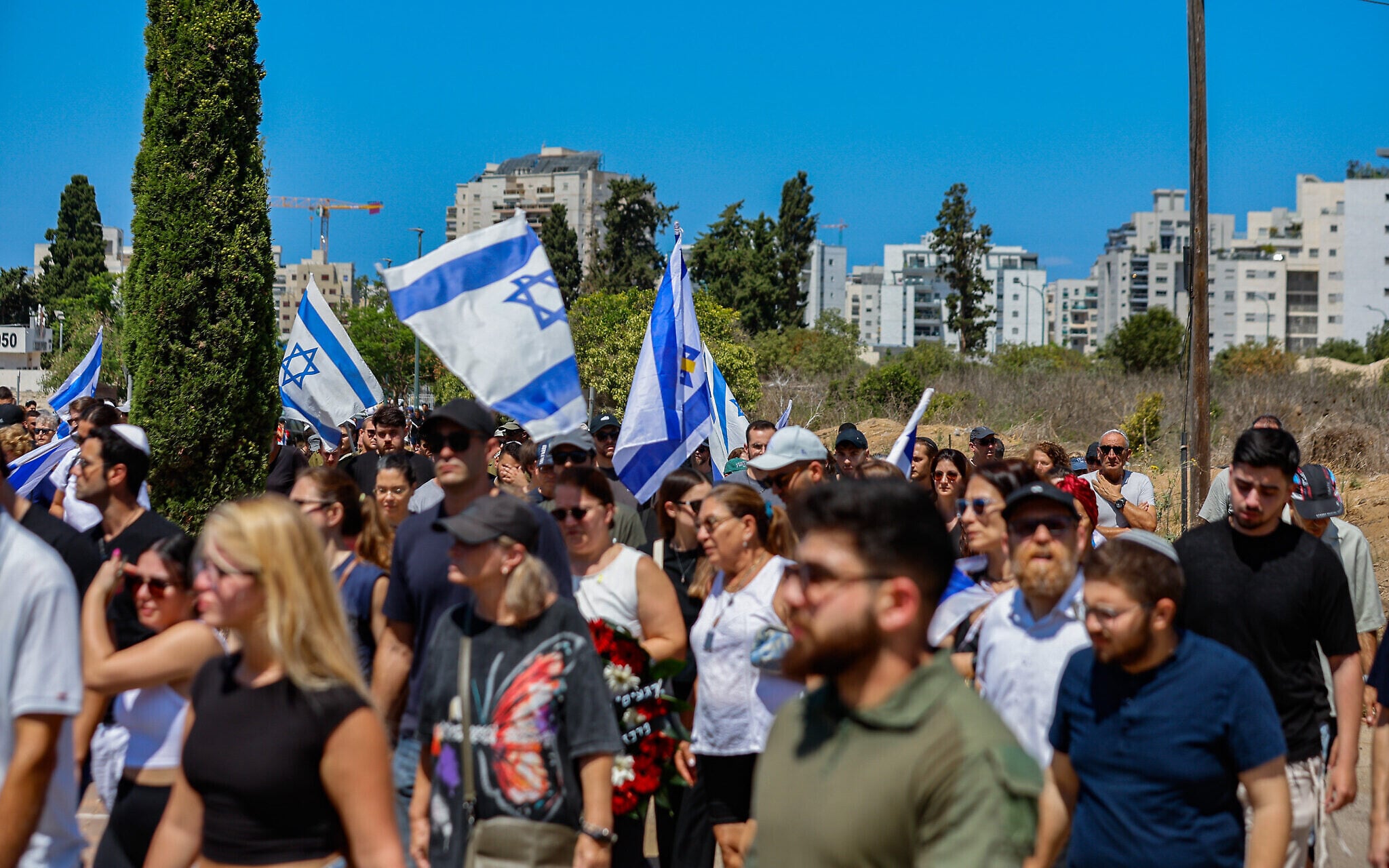
Israel Defense Forces reservists and former conscripts who died by suicide linked to psychological trauma caused by military service will not be automatically recognized as fallen soldiers, although the military will review each case individually and increase the support it provides to their families in the aftermath, it was announced on Tuesday.
The decision was announced as part of a set of new guidelines drawn up by a committee tasked with examining the IDF’s response to these suicides, aimed at improving support for the affected families.
The committee, established in August following the suicide of reservist Roi Wasserstein, includes mental health professionals, legal advisers and casualty officers. Its findings were presented to Defense Minister Israel Katz and Chief of Staff Lt. Gen. Eyal Zamir, who thanked its members on Tuesday for their work and instructed the IDF to implement the recommendations promptly.
Led by former Personnel Directorate head Maj. Gen. (res.) Moti Almoz, the committee focused on addressing the challenges veterans face when dealing with delayed psychological effects from their service.
It found that 15 civilians have died by suicide linked to their military service since the onset of the war triggered by Hamas’s October 7, 2023, onslaught, the IDF said.
These cases will now be evaluated by the Defense Ministry, using an established set of criteria, to determine if they should be recognized as soldiers who died as a result of their military service.
The IDF noted that the committee did not speak with all 15 families during the investigation, as the issue requires more specific oversight.
According to the IDF, the committee acknowledged that the emotional trauma soldiers experience on the battlefield can lead to long-term psychological issues, sometimes resulting in suicide. However, the committee pointed out that the current law only recognizes those who die during active duty, meaning that the suicide victims could not legally be considered fallen soldiers.
It raised the question, therefore, of how to address suicides directly caused by military service when the individuals involved are no longer considered active soldiers.
Among the committee’s key recommendations is the establishment of a two-year window after completing military service for a family to seek recognition of suicide cases linked to service, allowing for an appropriate period of investigation and assessment.
In cases where the circumstances of death have the potential to be linked to trauma as a result of military service, the committee recommended that an IDF representative accompany the bereaved family throughout the funeral and mourning period, providing support and assistance with the process of submitting a recognition request to the Defense Ministry.
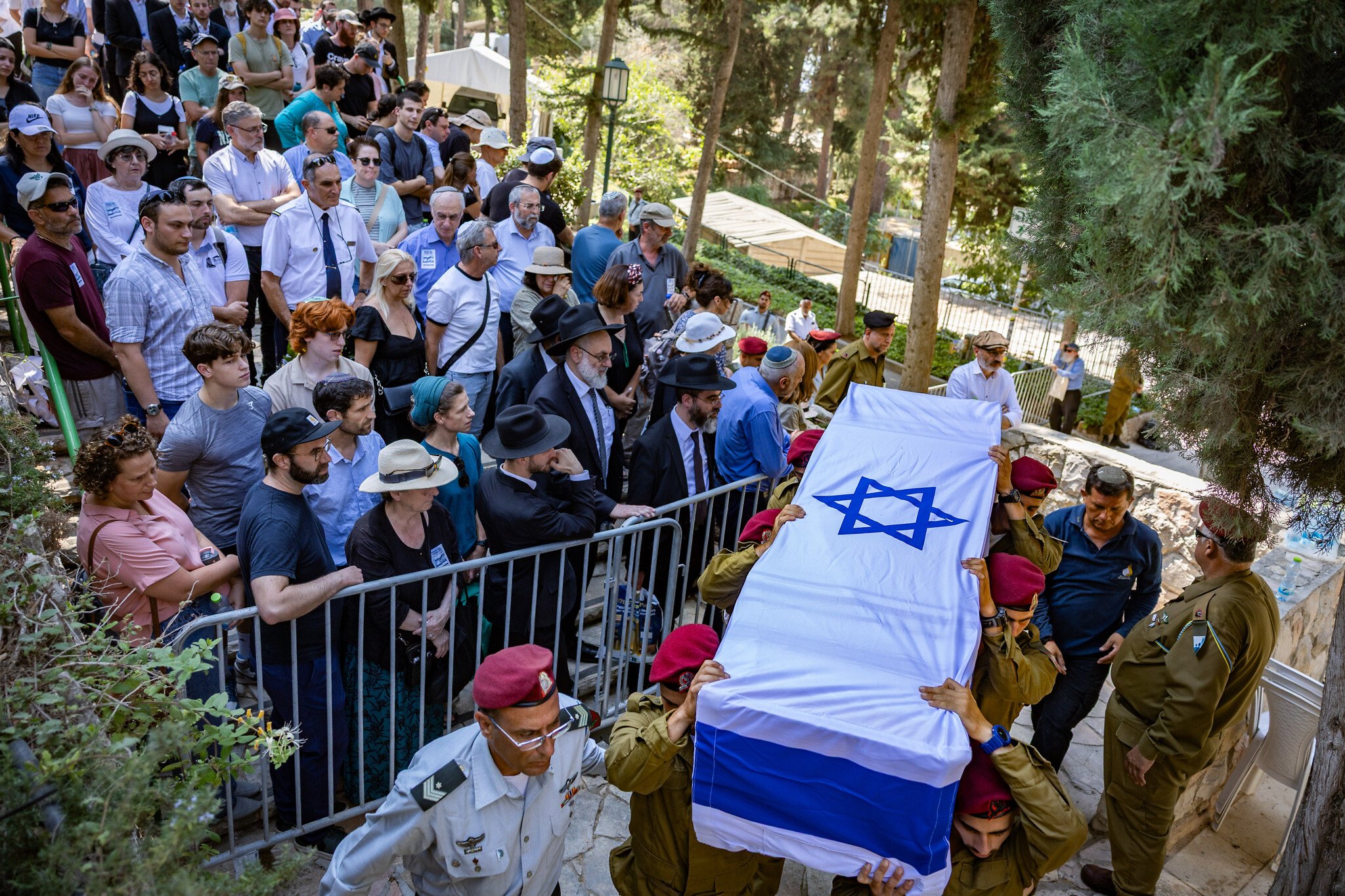
The committee also proposed that soldiers’ funerals be marked with military symbols if the death appears linked to service-related psychological trauma. This would include military presence, a eulogy by a commander and the laying of an IDF wreath.
The request for recognition as a victim of suicide linked to military service would be approved on a case-by-case basis, based on the length of service, the nature of the role, exposure to potentially traumatic events, time between the date of release and the date of death, and other circumstances, the military said.
At the same time, the military has been working to increase and expand its tools to assist active service soldiers struggling with mental illness and suicidal ideation, The Times of Israel has learned.
According to a security source, these efforts have included increased education on mental health and on identifying signs of psychological distress among soldiers and an order regulating the process of identifying and treating a soldier suffering from psychological distress.
Since the start of the war in Gaza, around 1,000 mental health specialists have been deployed among combat units. In addition, these specialists will often enter combat zones to provide immediate assistance to soldiers after a traumatic experience, the source said.
A report published by the Knesset Research and Information Center in October revealed that suicide attempts have spiked in the past two years, with 279 instances of soldiers attempting to take their own lives — meaning that for each soldier who died by suicide, another seven attempts were recorded.
In its casualty data for 2025, released Tuesday, the IDF said that the deaths of 21 active service soldiers had been ruled, or were still being investigated, as suicides.
While fewer active service soldiers died in 2025 compared to the previous year, the number of suicides and suspected suicides was unchanged from 2024, as the military grapples with the long-term psychological impact of the war on its personnel.
The increase in suicides and attempted suicides has been linked to the surge in reservist mobilization throughout the war following Hamas’s October 7, 2023, attack, which drew tens of thousands of troops back into active service.
An internal military investigation in August found that most of the recent suicides among troops were the result of psychological trauma from the war, including prolonged deployments in combat zones, witnessing harrowing scenes and the loss of comrades.
The committee was formed at Zamir’s instruction after the death by suicide of Roi Wasserstein, a 24-year-old reservist combat medic, in July, sparked renewed public scrutiny over the treatment of traumatized soldiers.

Wasserstein, from Netanya, had completed more than 300 days of reserve duty since the beginning of the war, serving in the medical evacuation unit of the IDF’s 401st Armored Brigade. He was regularly tasked with evacuating wounded and fallen soldiers under fire. According to his mother, Wasserstein was deeply affected by the horrors he witnessed on the battlefield.
He finished his last round of reserve duty in late May and was not on active service at the time of his death. As a result, the IDF initially informed the family — through unofficial channels — that he would not be recognized as a fallen soldier, and would therefore be buried in a civilian ceremony.
The decision drew outrage from the family, prompting Zamir to announce that he had instructed the military to explore advancing legislation that would allow reservists who die outside of active duty to be recognized as fallen soldiers, provided a direct connection is established between their service and their death.
Times of Israel staff contributed to this report.





The Times of Israel Community.