

In ‘Stiller & Meara,’ Ben Stiller unpacks a legacy while cleaning out his famous parents’ home
Out on Apple TV+ Friday, documentary sees the actor and director turn the camera inward as he and his sister sift through their parents’ real and onstage relationships
 Add ToI as a Preferred Source on Google
Jordan Hoffman, a member of the New York Film Critics Circle, is The Times of Israel's long-time film reviewer and the co-host of The Reel Schmooze.
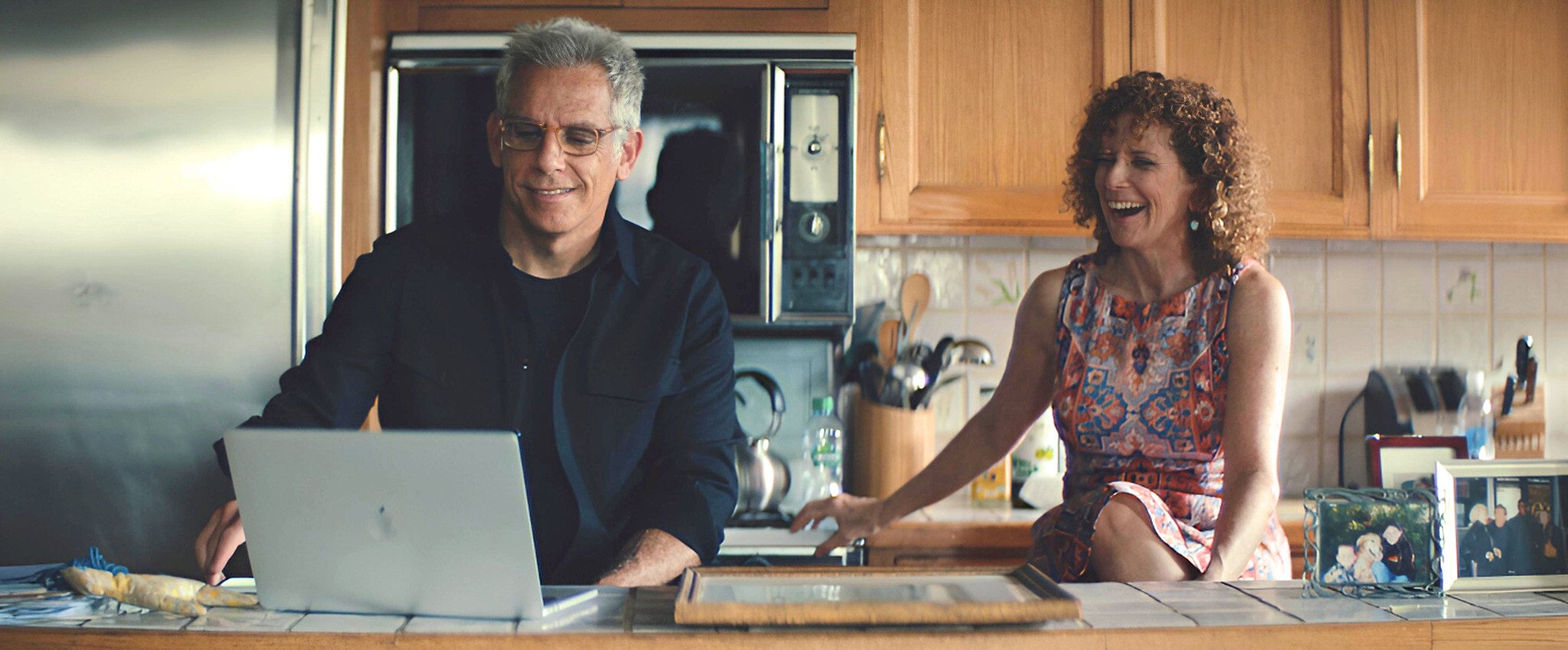
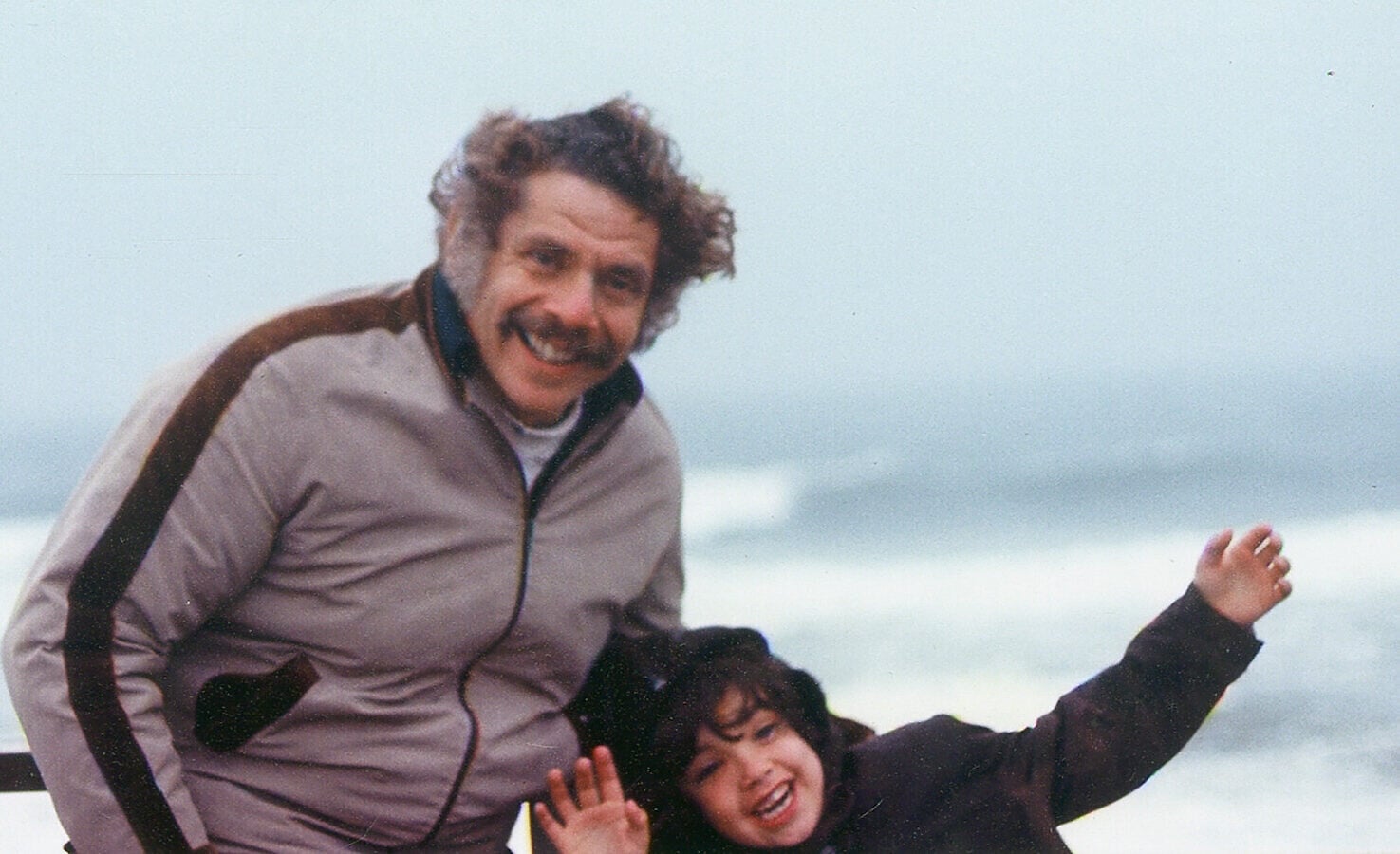
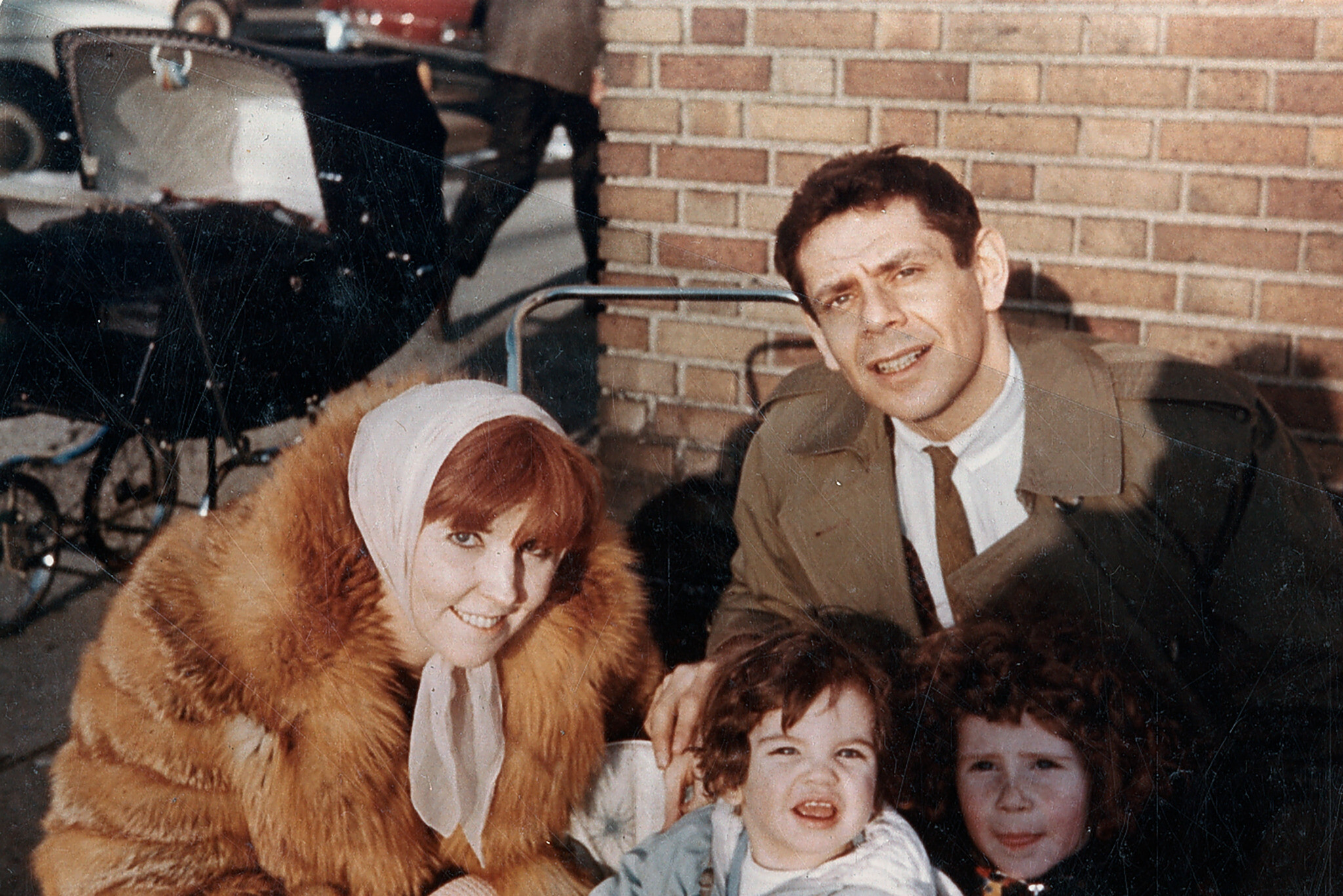
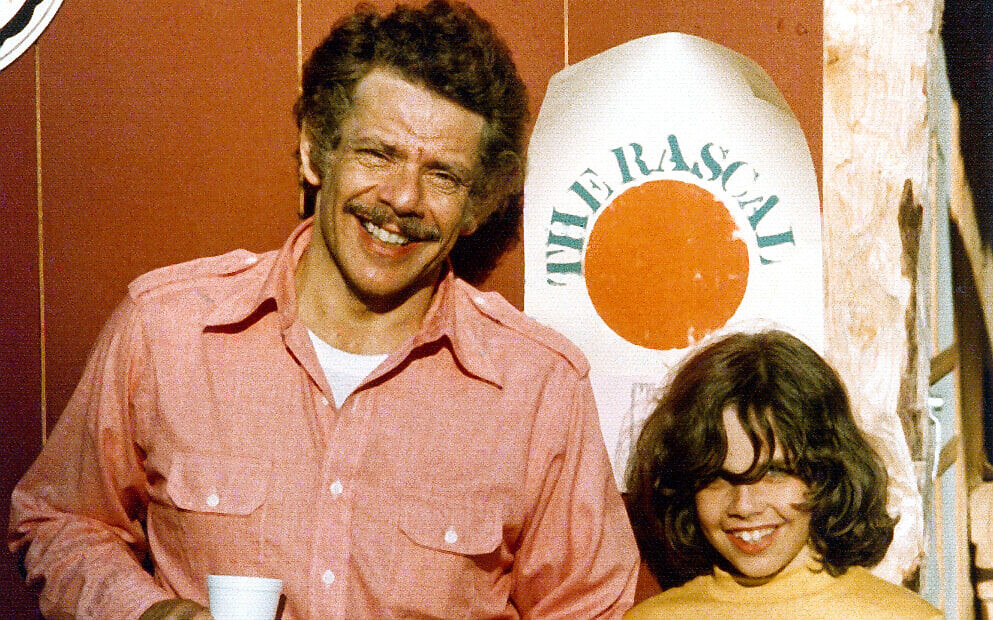
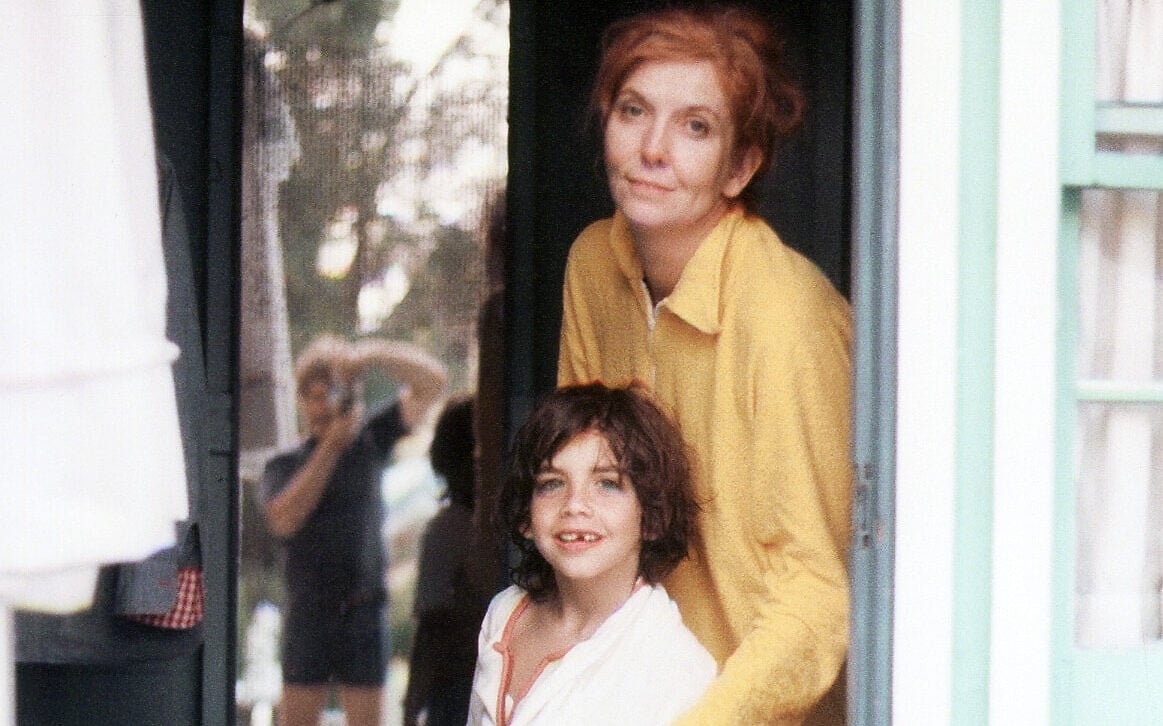
NEW YORK — There are few more poignant and dramatic activities one undertakes than cleaning out the homes of a loved one after they have died. But when the actor, director, producer, Gen X avatar and son of two very famous people Ben Stiller faced this exercise, he did what came naturally to him: He filmed it.
This act of self-documentation is the real star of “Stiller & Meara: Nothing is Lost,” a new documentary streaming on Apple TV+. While many who are tasked with rummaging through boxes of old junk experience bewilderment (“Why did they keep this?”) and nostalgia (“I haven’t thought about that trip in ages”), few encounter a ready-to-go archive of audio and visual material. And only the child of celebrities would know there was an audience eager to look through it all.
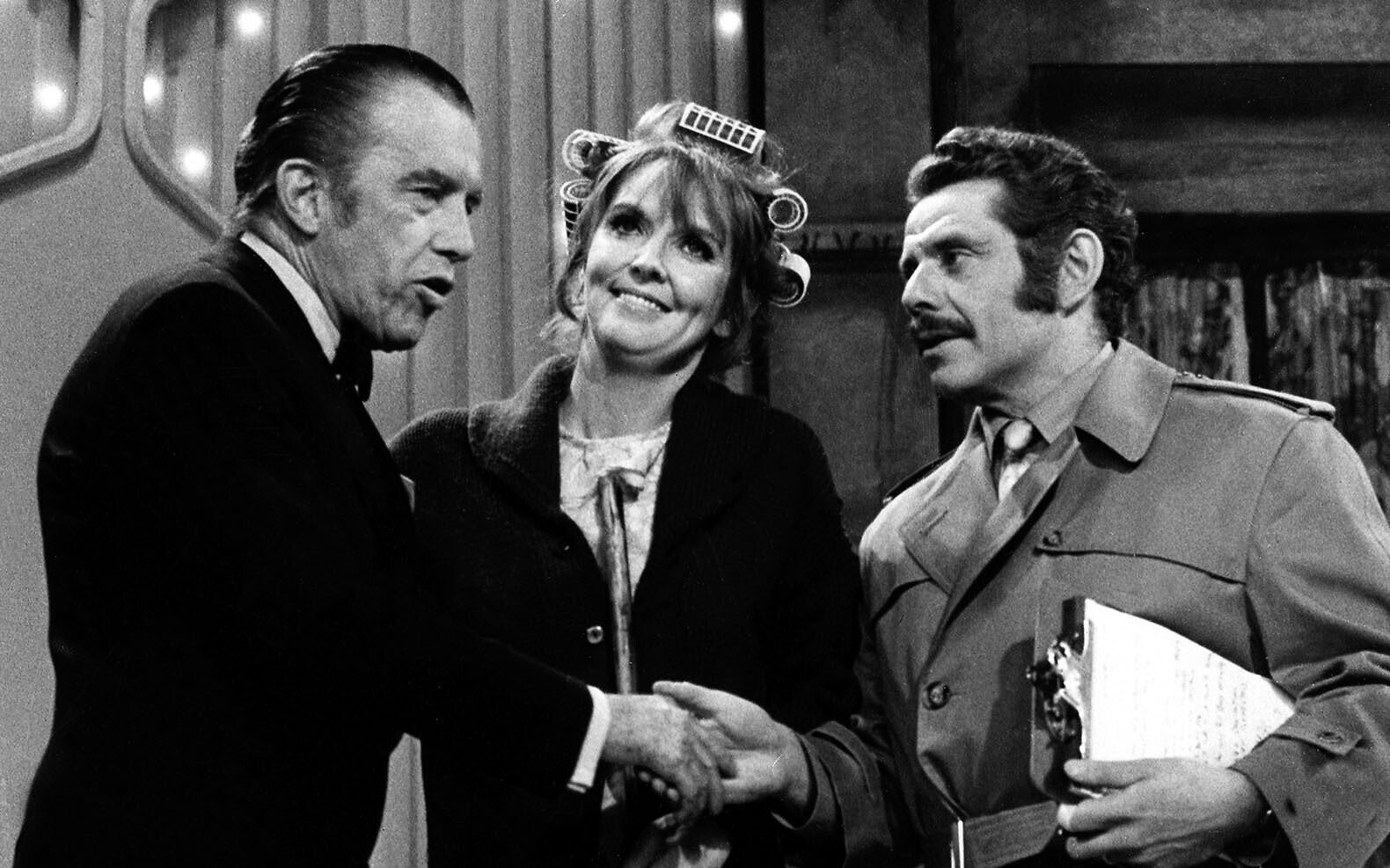
Jerry Stiller, half of the comedy team Stiller & Meara, was a consummate self-taper, often to the annoyance of his family — which included his wife Anne Meara, his older child Amy, and younger child, who was known as Benjy before rebranding himself as Ben. Initially, these recordings were vocational. Stiller & Meara’s act, as is proven time and again in this film, was essentially an exaggeration of their actual relationship. In order to create material, they would simply go in a room and talk to one another, riffing and zinging until something stuck. Those initial improvisations would be revised into a perfectly manicured sketch that the two would perform for an audience of 30 million on “The Ed Sullivan Show” when the duo was at its peak.
Stiller and Meara did not begin as “Stiller & Meara.” Both were striving young actors who married in the mid-1950s, but realized that working individual theater gigs on the road kept them apart. Though his wife never trained for comedy, Jerry Stiller soon realized she was an absolute natural. They created a series of routines — not worlds away from the work of Mike Nichols and Elaine May — but really hit paydirt when they went autobiographical.
Stiller was Jewish and Meara was Irish. Their sketch “Computer Dating,” which bewilderingly paired Hershey Horowitz and Mary Elizabeth Doyle, proved the adage that there is universality in the specific, and all audiences loved how the scene played out. (The biggest fan may have been show business kingmaker Ed Sullivan himself, who did have a personal connection; Sullivan was Irish and his wife, Sylvia Weinstein, was Jewish.)
While acting out the idiosyncrasies of their personal lives for laughs may have been at times therapeutic for the couple, the archive shows that it was also quite taxing. Stiller believed in intensive rehearsals; Meara was more prone to winging it. That “opposites attract” dynamic made for terrific comedy, but it became a self-fulfilling strain in the relationship, which, of course, was the wellspring of their work.
You can see how it could get confusing, especially for the kids. In the documentary, Amy Stiller tells a story about one time when she thought her parents were fighting, but they were only rehearsing, but then later found them actually fighting. Ben Stiller then cuts to footage of Stiller & Meara telling the same tale on a talk show (a venue in which the kids were often dragged out to perform, sometimes to mild ridicule).
Stiller the Younger’s film, however, is not about finger-pointing, even if absentee parenting is a major theme. It is effusive in its familial love, in forgiveness, and in self-reflection. In interviews with his own wife and children, Ben is quick to recognize that he has been guilty of prioritizing his own career over family, despite this being such a sore spot for him growing up. (Life would be easier for so many movie stars if major films were not shot in Canada, but it’s just so much cheaper up there.)
Widening the lens like this may surprise some who are expecting a straightforward documentary about Stiller & Meara, but once one is reoriented, the film becomes a much more interesting inquiry into the psychology of performers. A little dirty laundry is aired, specifically about Meara’s drinking problem, but it is all for the wider purpose of understanding. While it might not be “good” that Jerry Stiller never recognized that his wife was an alcoholic (who eventually stuck with an AA program and regularly attended meetings), his denial came from a place of intense devotion. Stiller loved Meara so much that he rationalized away any faults she had, oftentimes blaming himself for working her too hard.
It also becomes clear that both their marriage and their careers flourished when they broke up the Stiller & Meara act. Jerry Stiller, of course, hit his widest audiences as hotheaded Frank Costanza on “Seinfeld,” and later as Arthur Spooner on “The King of Queens,” while Meara finally got to sink her teeth into more dramatic roles in films and on stage. An off-Broadway production of the John Guare play “The House of Blue Leaves” is presented as something of a lifesaver.
Most of us have parents who will leave this earth before us, and we’ll be left to deal with the artifacts they leave behind. Few of us will have companies like Apple eager to distribute a film of our musings on the experience. But as “Stiller & Meara” proved, there is universality in the specific. There are elements in this new film that will speak to everyone.









The Times of Israel Community.