

Invisible wounds haunt IDF’s Gaza veterans as war triggers wave of psychological suffering
Army tracks dozens of suicides, thousands of requests for recognition of mental illness over two-year war; PTSD sufferers keep up encampment outside Knesset
 Add ToI as a Preferred Source on Google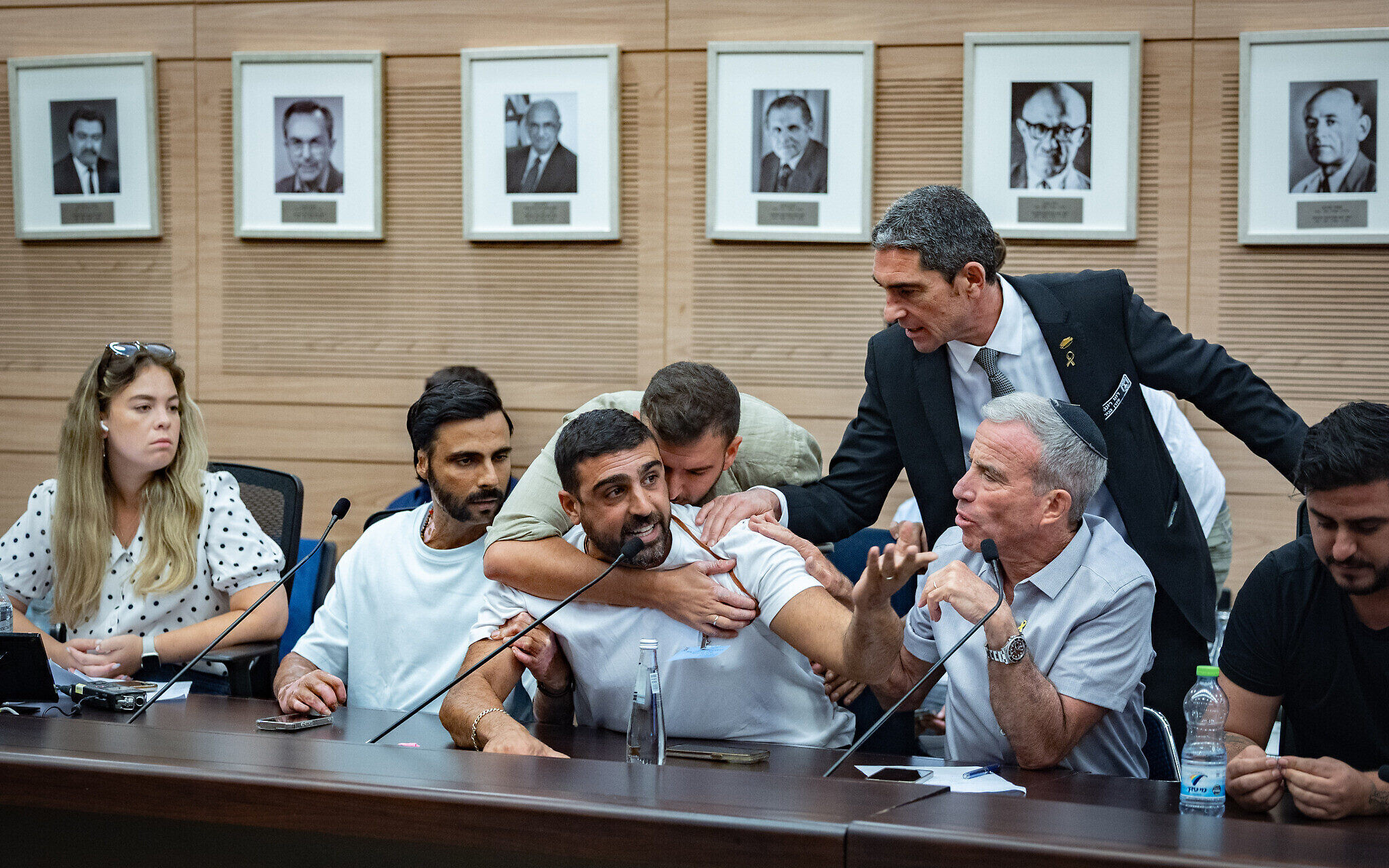
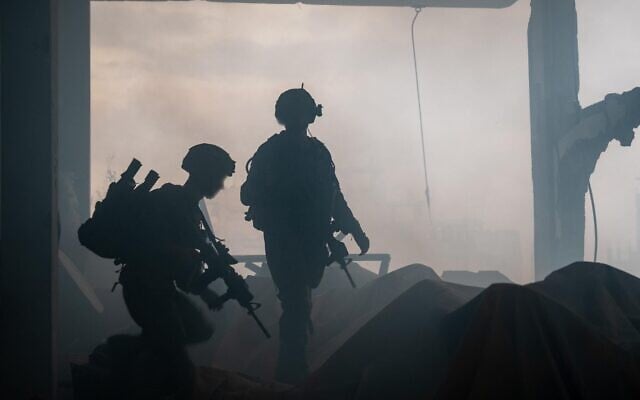
Months after returning from the front lines in Gaza, Israel Defense Forces captain Israel Ben Shitrit says he is still haunted by the ghosts of the war he left behind.
“The scream of the soldier asking for rescue… no matter where I am, I will always hear that scream,” he told AFP, speaking of a comrade he had been unable to save.
Ben Shitrit was himself seriously wounded in combat in early 2024.
His testimony comes as Israel faces a wave of suicides among troops suffering from post-traumatic stress disorder (PTSD) in the wake of several conflicts.
No war since Israel’s establishment in 1948 has mobilized as many soldiers or lasted as long as the one triggered by the Hamas-led October 7, 2023, attack. A fragile US-brokered ceasefire that took effect earlier this month has offered a glimmer of hope for an end to hostilities more than two years after Hamas’s attack sparked the war.
The reserve officer told AFP many triggers could spark disturbing flashbacks to his time in Gaza.
“When I hear a helicopter, it takes me back to Khan Younis,” he said, referring to a city in southern Gaza that was the scene of intense fighting.
An army report from July 2025 noted 9,000 requests for recognition of “psychological suffering” submitted to military health services since the latest Gaza war began. The 2014 Gaza conflict, which was also against the Hamas terror group but lasted less than two months, saw the military recognize 159 soldiers suffering from psychological trauma.
Asked by AFP about suicide rates within its ranks, the Israeli military did not provide any statistics. An IDF official told a Knesset subcommittee in early August, however, that the military had recorded 37 suicides since the beginning of 2024.
The IDF found that most of the suicides were motivated by psychological trauma and prolonged deployments in the war, as well as soldiers witnessing harrowing scenes and losing friends. In response, it increased the number of mental health officers available to troops and expanded training for commanders.
Tuly Flint, a clinical social worker who specializes in PTSD derived from military combat, said the consequences of such trauma were wide-ranging.
“People talk about the suicide rate, but that’s the tip of the iceberg,” he told AFP between appointments with returned soldiers.
“We see violence, domestic violence. We see people split apart, couples split,” he said. “We see many people collapse.”
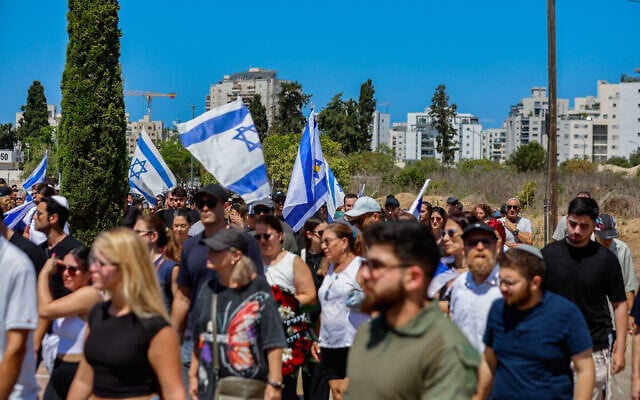
For Tom Wasserstein, whose organization sets up care centers for traumatized soldiers, the issue is a deeply personal one.
His younger brother Roi died from suicide at the age of 24 in July after more than 300 days of reserve duty as a military nurse in Gaza. Roi Wasserstein was not on active duty at the time of his death, and his case ignited a public debate over how the military recognizes and supports mental health struggles among discharged and reserve soldiers.
“If one soldier dies from his wounds in combat, and another takes his own life because of what he has experienced, it means they have both been wounded,” Tom Wasserstein said.
“One by a bullet, the other in his head — but it is still a wound. It is… an invisible wound… and it deserves to be treated,” he added, noting that his brother never spoke about his experiences on the battlefield.
In response to Roi Wasserstein’s death, IDF Chief of Staff Lt. Gen. Eyal Zamir instructed the military to explore advancing legislation that would allow reservists who die outside of active duty to be recognized as fallen soldiers, provided a direct connection is established between their service and their death.
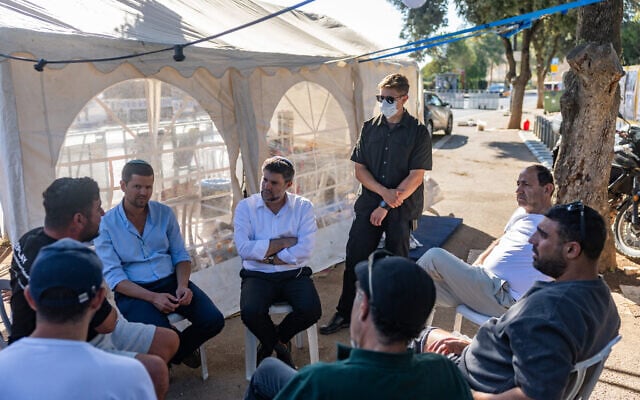
Soldiers suffering from PTSD have been camped out for several weeks outside the Knesset to protest the lack of recognition of their trauma and demand an end to red tape around mental healthcare.
Among those in the tent was veteran Micha Katz, who said 60 soldiers had died by suicide in recent months.
Members of the nascent movement of traumatized soldiers have been invited to testify before lawmakers to present their grievances.
One of them is Yoann Dobensky, who said, “It’s not that we want to kill ourselves. It’s that we are tired of living after seeing the horrors of war.”
“Post-traumatic stress disorder must be recognized as an injury, just like a physical injury. It’s no less serious than a physical injury, it’s an injury to the soul,” he said.
More than a year after being injured, army captain Shitrit said he was still being treated by doctors.
Beyond his physical wounds, he told AFP he was also suffering from PTSD.
“When someone is wounded, it also impacts those around them — their family, their children. Our children see everything, feel everything,” he said.





The Times of Israel Community.