

Iranian strikes pose ‘existential threat,’ Gulf states tell UN rights council
Council weighing draft resolution condemning Tehran’s ‘egregious attacks’ on its neighbors; Iran urges unity ‘against the evil plans of our common enemy Israel’
 Add ToI as a Preferred Source on Google
Gulf Arab states told the UN Human Rights Council on Wednesday they face an existential threat from Iranian attacks on their infrastructure, which the UN rights chief said might constitute war crimes.
The nearly monthlong US-Israeli war on Iran has sparked large-scale Iranian retaliation in the form of drone and missile strikes on energy and civilian infrastructure in Gulf countries, killing civilians and driving up oil prices.
The six Gulf Cooperation Council (GCC) countries and Jordan called the session at the UN’s top rights body, focused exclusively on Iran’s strikes on countries across the Gulf region and their impact on civilians.
“We are seeing an existential threat to international and regional security. This aggressive approach is undermining international law and sovereignty,” Kuwait’s ambassador Naser Abdullah H. M. Alhayen told the Geneva-based council.
Other Gulf states said Iran’s actions were designed to spread terror, with the UAE ambassador Jamal Jama al Musharakh denouncing Iran’s “attempt to destabilize the international order through reckless adventures of expansionism.”
The 47-member council was considering a draft resolution that “condemns in the strongest terms the egregious attacks” by Iran, condemns Tehran’s actions aimed at closing the Strait of Hormuz and voices “grave concerns at the Iranian attacks on energy infrastructure.”
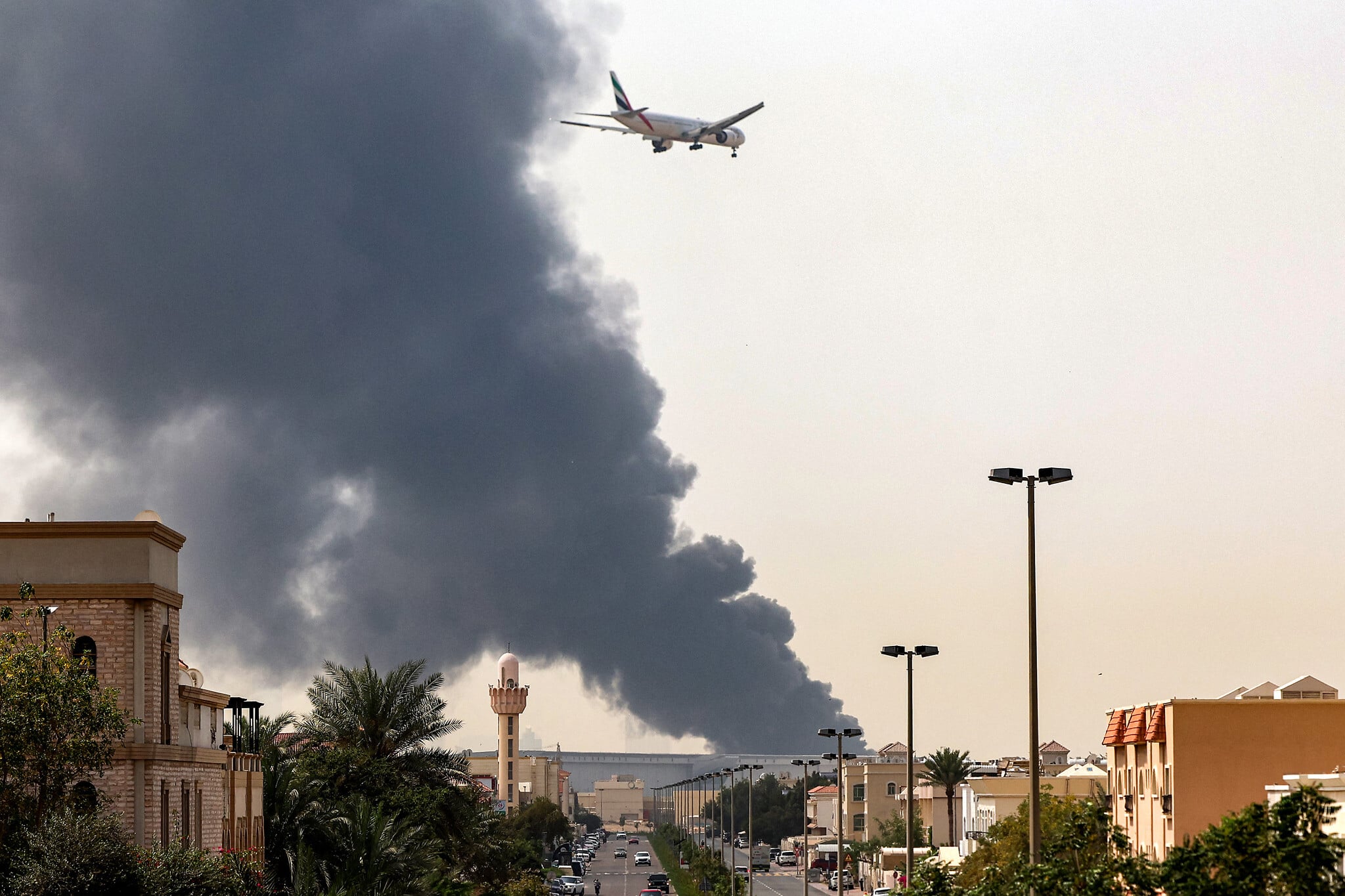
Iran defended its actions, alleging that more than 1,500 civilians had been killed in the US-Israeli strikes so far. “We fight on behalf of all of you against an enemy that, if not restrained today, will be beyond containment tomorrow,” said Iran’s ambassador to the UN in Geneva Ali Bahreini, referring to Israel.
Israel has said its goals in the war are to cripple a regime bent on its destruction, destroy its missile and nuclear capabilities and create the conditions for possible regime change.
Iran, backed by China, will hold its own emergency session Friday on a fatal strike on a primary school on the first day of the war, likely carried out by the US erroneously.
The United Nations’ top rights official Volker Turk urged states to end the Iran conflict, describing the situation as extremely dangerous and unpredictable.
“Attacks on civilians and civilian infrastructure must end. If they are deliberate, such attacks may constitute war crimes,” he told the council.
While Gulf states received strong backing in the council on Wednesday, the International Service for Human Rights, an independent organization, warned against “selective outrage,” calling instead for a focus on violations by all perpetrators.
Oman, which had served as a mediator between the United States and Iran before the conflict, was one of the few countries to note that US-Israeli strikes had preceded Iran’s retaliatory attacks.
“[They were] the spark that ignited the escalation currently affecting the region and the consequences are threatening states and their vital economic interests and their security and stability,” Ambassador Idris Abdul Rahman Al Khanjari told the council.
Bahrain told the council it had been subjected to 26 days of “unprovoked, unjustified aggression,” while Jordan insisted: “These attacks must stop.”
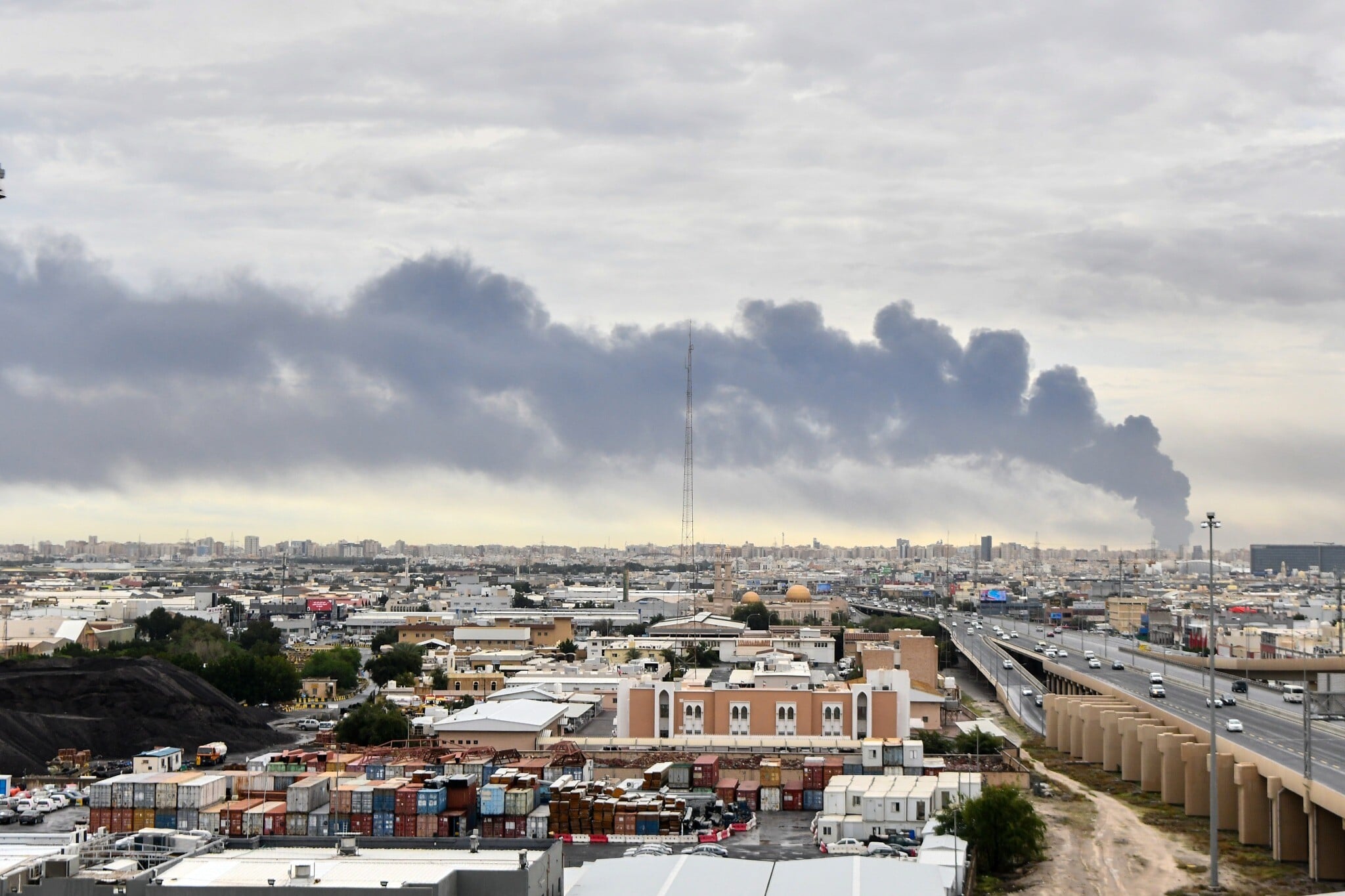
Kuwait cited attacks on civilian infrastructure, including Wednesday when its international airport was struck, saying “all of this amounts to a form of terror waged against civilians.”
The United Arab Emirates said it had intercepted more than 2,000 Iranian ballistic missiles and drones, with its ambassador Jamal Al Musharakh insisting: “We have never allowed the use of our airspace for attacks against Iran.”
“This is not a mere military escalation: we are seeing random behavior that undermines international peace and security,” he said.
The attempt to pass a draft resolution provoked a fiery response from Tehran.
Iran’s ambassador Ali Bahreini said Israel was “dragging the entire world towards chaos and peril.”
And he warned Gulf countries that “those who are today appearing as your friends will cast off their masks tomorrow.”
Bahreini said airfields around the Gulf were “refuelling points of the fighter jets that every day drop their bombs on the Iranian people.”
“Responsibility for these attacks lies not only with those who carried out those attacks but also with those who facilitated, supported and encouraged them.”
“We must unite against the evil plans of our common enemy Israel,” he said. “Do not embolden Israel by targeting Iran… It is a historic mistake.”


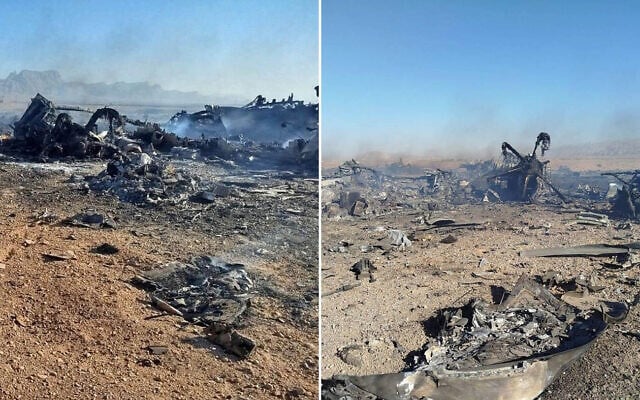



The Times of Israel Community.