

Israel is building homes at a record pace. So why aren’t prices falling faster?
Record inventory of unsold homes and growing developer discounts point to a cooling market, but experts say data hides demographic realities
 Add ToI as a Preferred Source on Google
Zev Stub is the Times of Israel's reporter on diaspora affairs and Israeli real estate.
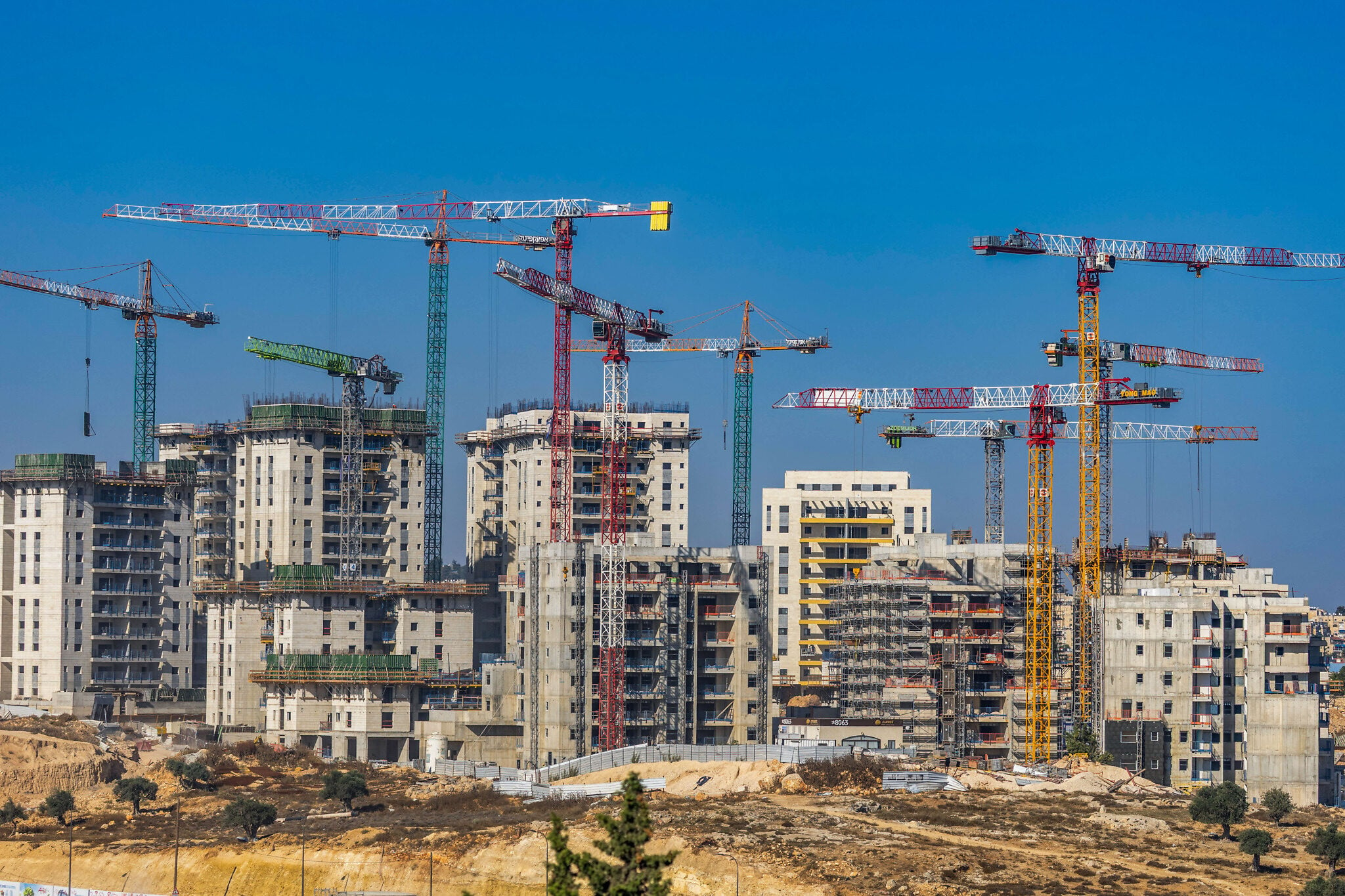
Walk around just about any major city in Israel, and you’ll find a skyline filled with construction cranes building new apartment buildings as far as the eye can see.
Despite more than three years of war, official data shows that more new housing in Israel is being built than ever before, with no signs of slowing down. Home prices have fallen 1.8% over the past year, according to the Central Bureau of Statistics, but continue to hover near record-high levels, even as the number of new projects and developments being marketed seems endless.
It seems like a contradiction: If there is so much supply on the market now, why are prices still so high? And when, if ever, are they going to fall significantly?
“That’s the proverbial $64,000 question,” said Dani Ben Shahar, head of Tel Aviv University’s Alrov Institute for Real Estate Research. “Nobody knows how Israel’s policies and demographics will affect prices. You have to be very cautious trying to guess what will happen in the future.”
Israelis have been trying to anticipate a reversal in the market since the mid-2000s, when housing prices around the country began rising quickly, kicking off a 20-year run in which average prices have more than tripled.
But now, as growth stalls due to excess inventory, high prices, a strong shekel, and high borrowing costs, many are wondering whether the Israeli real estate market’s winning streak is coming to an end.

Others, meanwhile, argue that prices will keep rising, and that now is the time to buy before prices rise even higher.
“There have always been articles saying that houses are too expensive and you should wait for a better deal, but in reality, that never happens,” said Nachi Paris, owner of Nachi Realty, which specializes in Jerusalem real estate. “What happens is that people wait, and then they end up buying three years later for more than they could have paid previously. A lot of these warnings are fake news.”
There are a lot of different factors affecting the market’s direction, and a lot of strong opinions. Let’s try to understand some of the forces affecting the market’s future.
Laws of supply and demand
Of all the reasons why real estate prices have climbed some 230% since 2007, the most significant is a shortage of available supply. Historically, the Israel Land Authority, which manages over 90% of the country’s land, has released new parcels at a snail’s pace, and bureaucratic delays keep construction pipelines far below the rate of Israel’s rapid population growth, causing scarcity in the market.

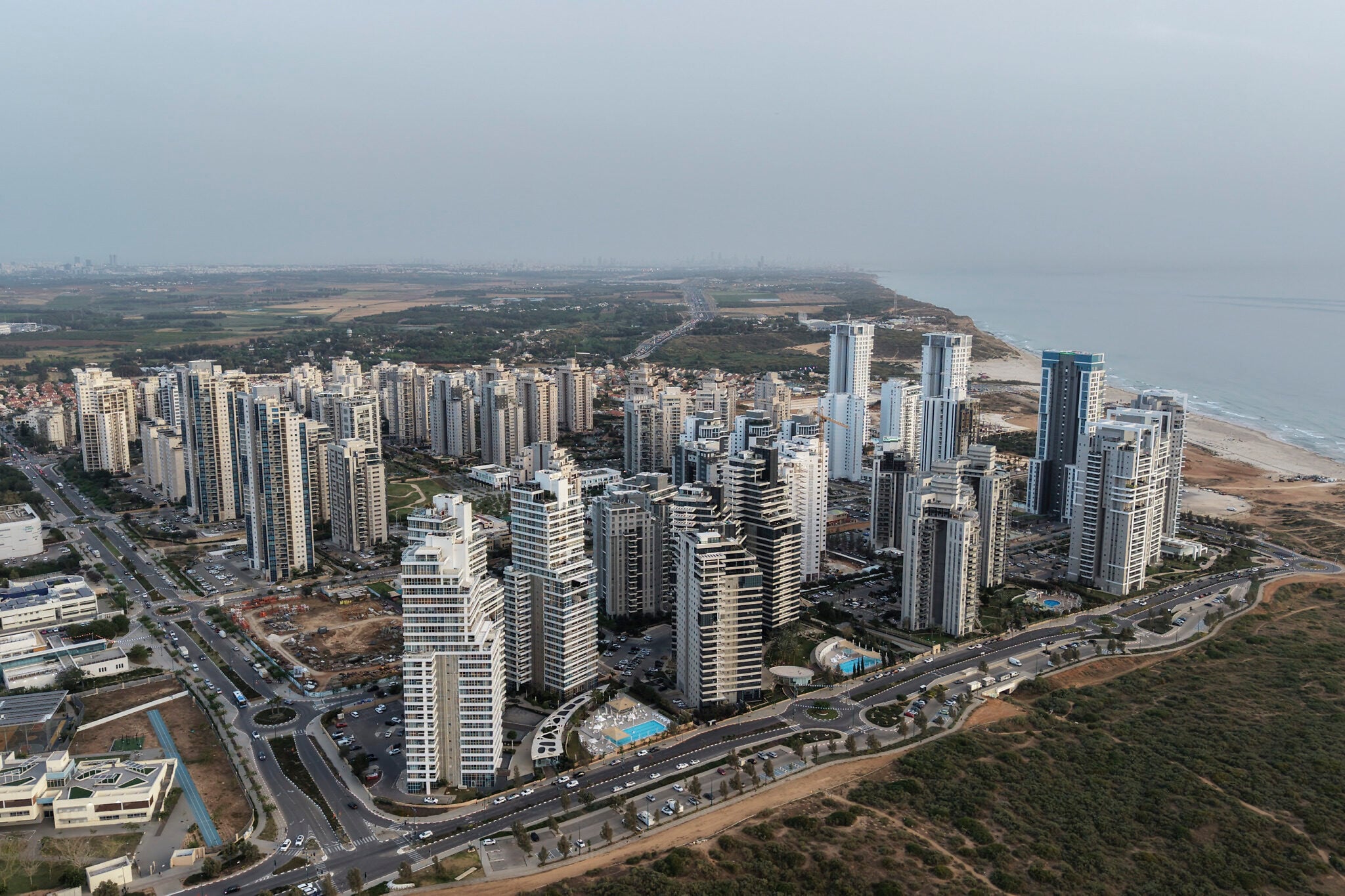
But rising prices have made it more attractive for the ILA to release more land in recent years, and developers have begun building much more quickly. According to recent reports by the Central Bureau of Statistics, an all-time high of more than 85,000 new homes are currently available for sale in Israel, in various stages of construction. About 46,000 of these are in Tel Aviv and the central region, representing about 55% of the total, and 10,000 (12%) are in Jerusalem. Selling all these apartments at the current rate of market activity would take about two and a half years, says the CBS.
To many, it feels like construction is everywhere, and it might seem that supply and demand would call for a price drop. But as often happens, the official data doesn’t tell the whole story.
“Those numbers need to be taken with a grain of salt,” said Ben Shahar. “There are a lot of questions about how the CBS measures this, and at what exact stage of development a unit has to be in to appear on this list.”

What is clear is that much of that inventory is in early construction stages and may not be inhabitable for years, even if marketing efforts have begun.
“The vast majority of those are pre-sales of apartments that don’t even exist yet,” Paris said. “In Jerusalem, everything that is available is sold.”
Paris went through a mental list of new buildings currently available in Jerusalem, citing examples across neighborhoods popular with English-speaking immigrants including Rehavia, the German Colony, Baka, Katamon and Talpiot.
“How many apartments in the city are waiting to be sold in buildings you can move into soon?” he said. “Not even 100. Even projects that won’t be ready for another three to four years are already 50% sold.”
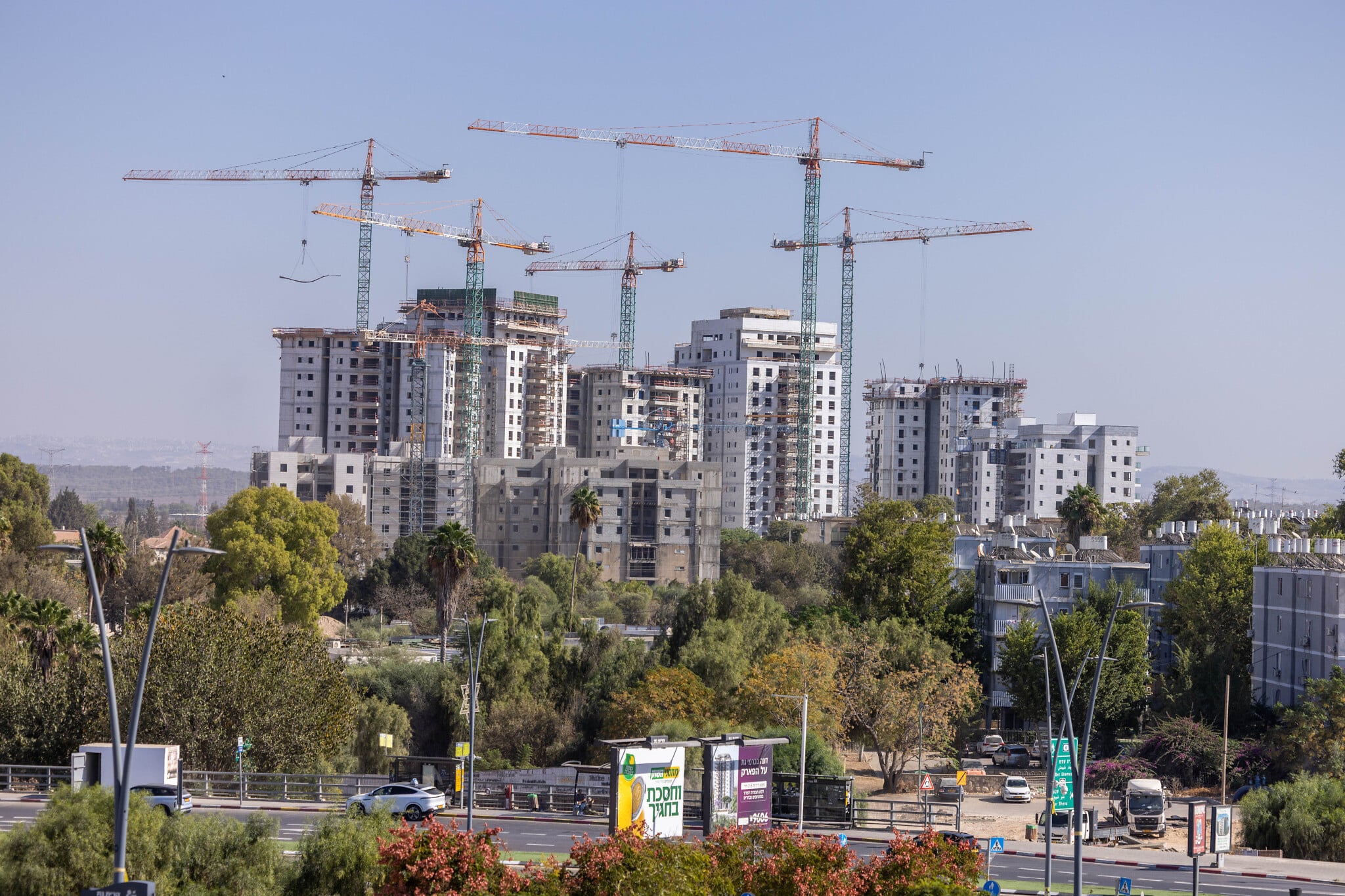
In Tel Aviv and the center, however, things are different, and the supply of new housing is outstripping demand, agents say. Other cities seen as having a surplus of homes include Yehud-Monosson, Lod, Kiryat Gat, and Bat Yam.
The CBS says prices in Tel Aviv have fallen by nearly 2% over the past year, but some developers have already begun quietly lowering prices by 10% or more, even if it isn’t immediately apparent from their marketing campaigns, agents say.
“There are many different ways to offer discounts,” said Eran Rolls, head of the Israel Building Center, a professional organization for industry members. “Many offer generous financing solutions, or a better kitchen and other amenities that amount to benefits worth around 10% of the price. At this point, many developers in the center of the country have to offer discounts, or they are going to struggle to survive.”
Price levels and market forces
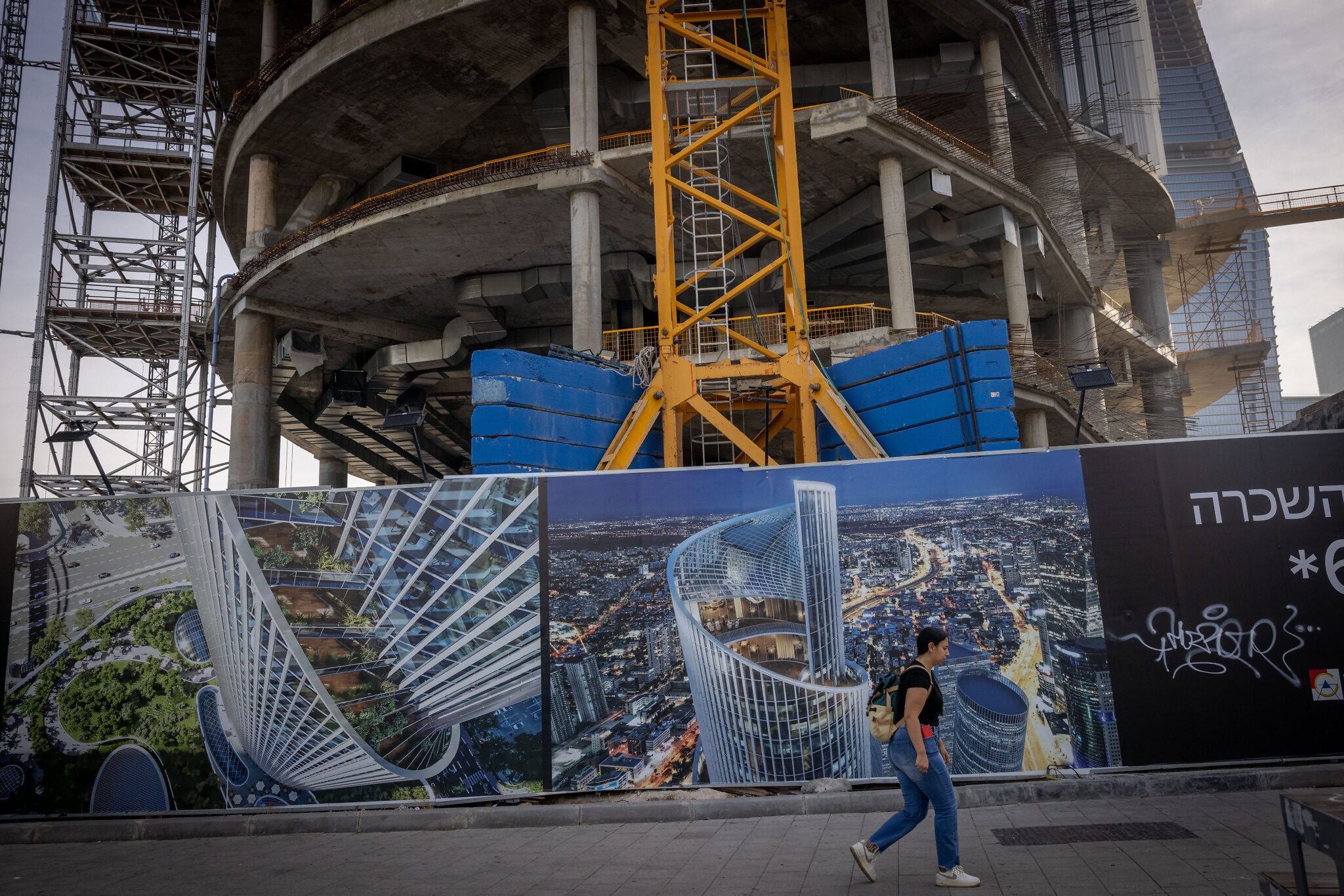
What about current price levels? While rates are still near all-time highs in many places, the market has cooled somewhat in recent months.
Average home prices are down 1.8% over the past year, which translates to a real decline of some 4.5% after adjustments for inflation, noted David Genesove, a professor of economics at Hebrew University in Jerusalem. These figures don’t include the “hidden” discounts given privately by developers, so the actual drop is probably somewhat larger, insiders say.
At the same time, prices are up about 7% since the Hamas attack of October 7, 2023, the CBS says, after surging through most of 2024. High prices, high interest rates, a strong shekel, and uncertainty about Israel’s security situation have kept many out of the market for much of the past year.
Some of those factors are starting to reverse: The shekel has weakened against the dollar since reaching a 30-year peak in May, and currently trades at NIS 3.10, while the Bank of Israel cut lending rates to a four-year low of 3.25% in September. Nonetheless, housing prices dropped 0.6% during July-August, the most recent period measured by the CBS.
Additionally, much of what keeps market prices high is psychological, Ben Shahar noted. Apartment owners tend to be extremely reluctant to reduce asking prices, creating strong “stickiness” that keeps prices from dropping. People tend to anchor their home values to what a neighbor or friend sold for, and believe taking less would be disadvantageous.
“Here, you have to distinguish between the markets for new homes and secondhand homes,” Ben Shahar said. “People in the secondary market don’t rush to sell unless they need to sell, and most would hate to sell for less than they could have gotten earlier.”
Other unseen market forces also tend to keep prices high. The state, for one, has a strong interest in keeping prices high, Rolls said.
“You have to understand that the government receives about half to two-thirds of the price of every new apartment sold,” he said. “Between the cost of land sold to developers, VAT, and the different layers of taxes taken with every real estate transaction, the state has a lot of interest in high prices.”
Banks also had the power to exert strong influence over home prices, at least until recently.
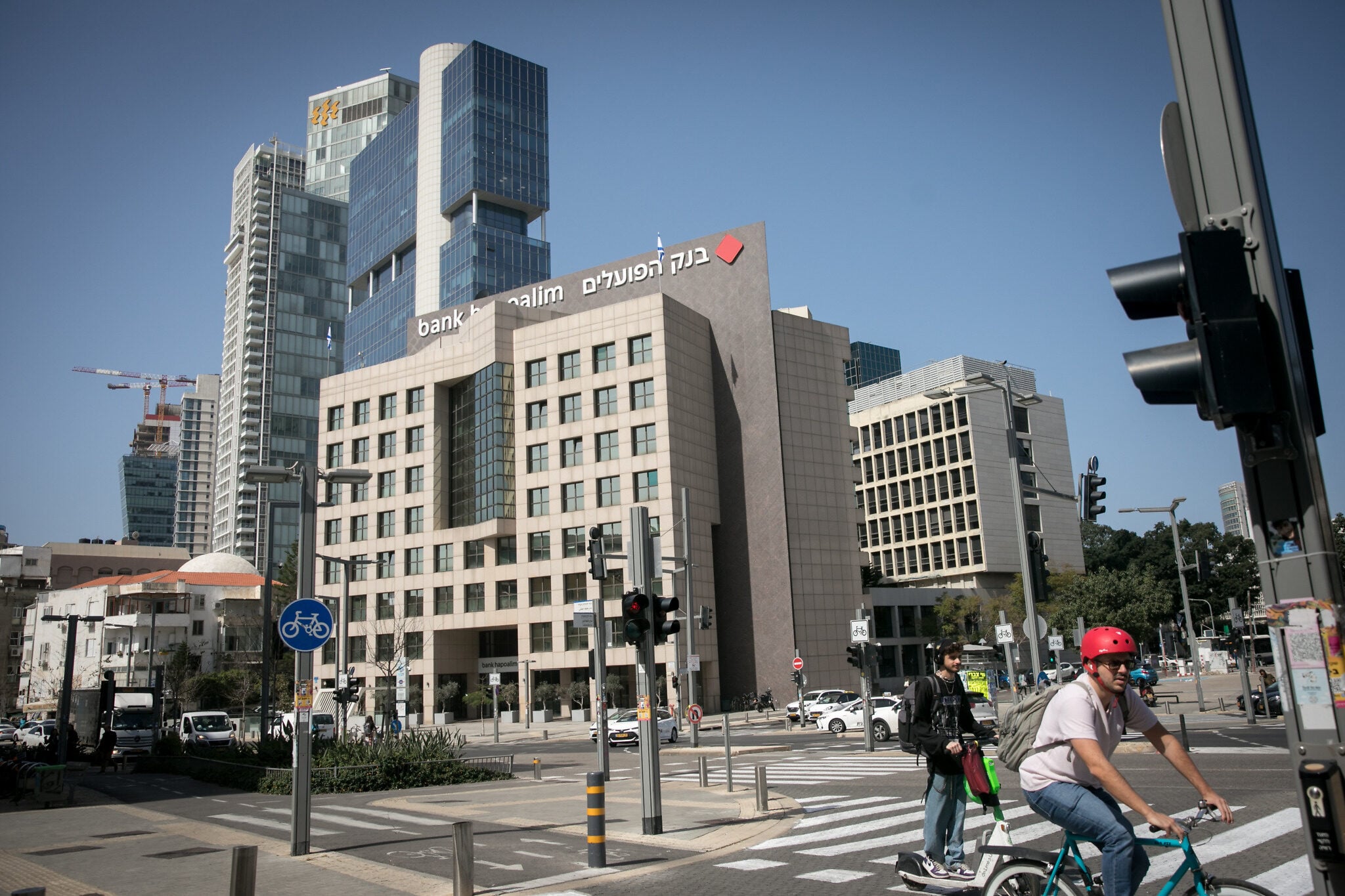
In order to get loans and guarantees from the banks, developers must present an economic appraisal of the project that specifies, among other things, the lowest price they can charge per square meter. Previously, a developer in distress could sell at a lower price than agreed only with the bank’s special permission.
However, a regulatory committee spearheaded by Prof. Avi Simchon in 2025 found that banks could use this power to prevent developers from doing so in order to keep prices artificially high. The Bank of Israel subsequently passed regulations barring banks from dictating or restricting the price of individual apartments. Experts are split over how much this has affected prices since then.
Even the “invisible hand” of the free market encourages price growth, Ben Shahar noted. Research across multiple markets shows that higher real estate prices tend to increase sales volumes, he noted. In other words, rising prices can attract more buyers and investors, reinforcing demand even as housing becomes less affordable.
“This is a well-documented phenomenon in markets around the world,” he said. “Generally, you’d expect that a lower price equilibrium would lead to more sales, but in real estate, we see the opposite: when prices come down, we see less volume.”
Factors affecting the future
Experts say the market’s future depends on a mix of factors that are impossible to predict.
“What will happen will be determined by the interplay between the economy, demographics and government policy,” Genesove said. “If the economy is in good shape, then demand for housing will be high, and if it’s not, then demand will be low. That part is pretty clear.”
Regarding demographics, Genesove noted that Israel’s fertility rate is among the highest in the Western world, and future building will have to ramp up significantly to keep up with that pace.
“The question is whether the government will release enough land and allow the construction needed,” he said.
Meanwhile, the current government hasn’t made any serious initiatives to develop a long-term strategy to increase the housing supply, Ben Shahar said.
“[Likud MK Moshe] Kahlon took this mission seriously when he was finance minister [2015-2020], but [current Finance Minister Bezalel] Smotrich seems to be preoccupied with the West Bank,” he said. “Israel is expected to double its population within the next four decades, but I don’t see any major policy considerations being made.”
To Rolls, who recently organized a series of housing fairs targeted at English-speaking buyers, much of the market’s near-term future depends on the foreign market.
“Antisemitism is driving a lot of Jews from around the world to buy here, but we need more,” he said. “If there was a sudden influx of thousands of Jews buying homes here, it would change things drastically.”
Prices are falling now in Tel Aviv, but in the historic neighborhoods of Jerusalem, prices will “certainly” continue to rise, Rolls said. Good deals can still be found in many communities, including Netanya, Sderot, Ashkelon, and settlements in the West Bank, he said.
“If you go to these cities, it’s incredible how many construction cranes there are everywhere,” he said.
In Jerusalem, there is still a lot of room for the prices to keep rising, Paris said.
“Land is a scarce resource, and it’s a matter of supply and demand,” he said. “If you look at other big cities where land is scarce and there is no place to build, prices always go up. The demand here will always be greater than the supply.”
In any case, buyers planning to delay buying a home in Israel are advised not to plan around sudden price drops in the future, the experts agreed.
“You need to be very cautious when trying to forecast how the market will act in the future,” Ben Shahar said. “You can never know when something is a bubble until after it bursts, and we don’t know where the economy will take us.”









The Times of Israel Community.