

Israel is drawing closer to the Middle East — while the West turns a cold shoulder
Israel is in the strange position of holding talks with bitter foes like Lebanon and Syria, while old friends in Europe are pushing to loosen ties

 Add ToI as a Preferred Source on Google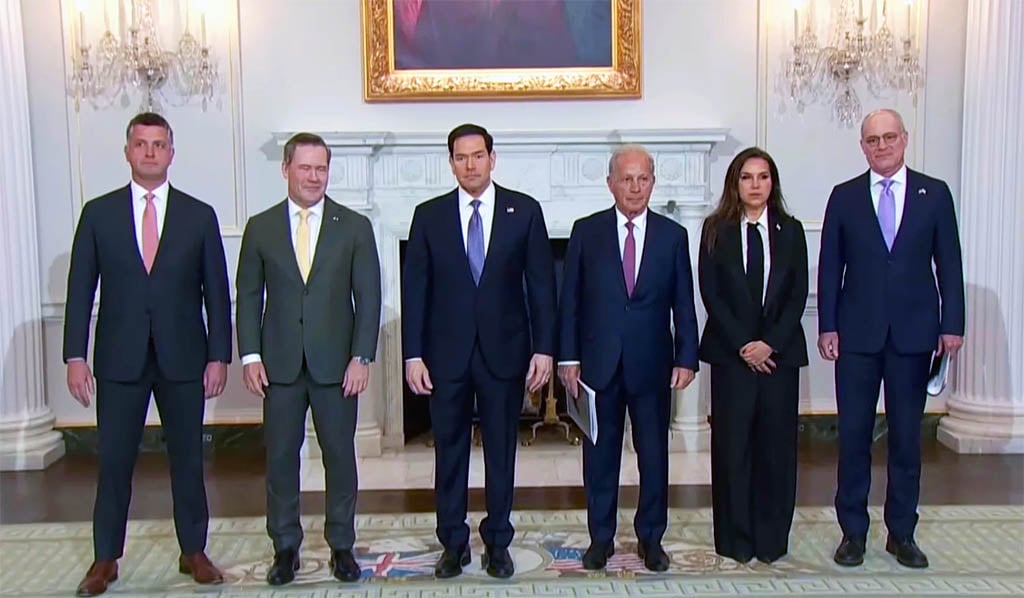
On Thursday, Israeli and Lebanese diplomats will walk into a room in Washington, DC, meet face-to-face for the second time in as many weeks, and talk about forging an agreement.
Two days earlier, a group of European nations again called on the EU to suspend its entire association agreement with Israel.
These events, on different continents, illustrate opposite trends. But they’re alike in one way: Israelis aren’t treating either as a sea change.
Israelis are paying close attention to whether the current ceasefire with Hezbollah will be extended past its Sunday deadline, a question that will take center stage at the talks. But just a few years ago, sustained direct peace talks between Israel and Lebanon — two neighbors that have been mired in bloodshed for decades — would have driven entire news cycles. Now, the story is almost a footnote in the larger saga of Iran, the US and the broader Middle East.
The same goes for the EU debate. Israel has spent years building increasingly close ties with Europe, and as recently as 2023, Spanish Prime Minister Pedro Sanchez was standing alongside his Israeli counterpart, Benjamin Netanyahu, on an official visit to Jerusalem. Now, Spain is leading the charge for the continent to freeze out Israel, joined by several other nations. But for most Israelis, that news wouldn’t even register — just another Tuesday in Madrid.
Will Israel make peace with Lebanon and break ties with Europe? In both cases, the answer is most likely no, at least not in the near future. But a dual process has been set in motion: We’re coming to a point where some Middle Eastern states are drawing closer to Israel, and the West is pulling further away.
For Israelis, the end result could be a bitter irony: The country has long seen itself as a Western democracy that has craved normalization with the Middle East. Now, at the very moment when Israelis could be normalizing ties with their neighbors, they’re facing an ever-colder shoulder from the West.
Facing a shared enemy
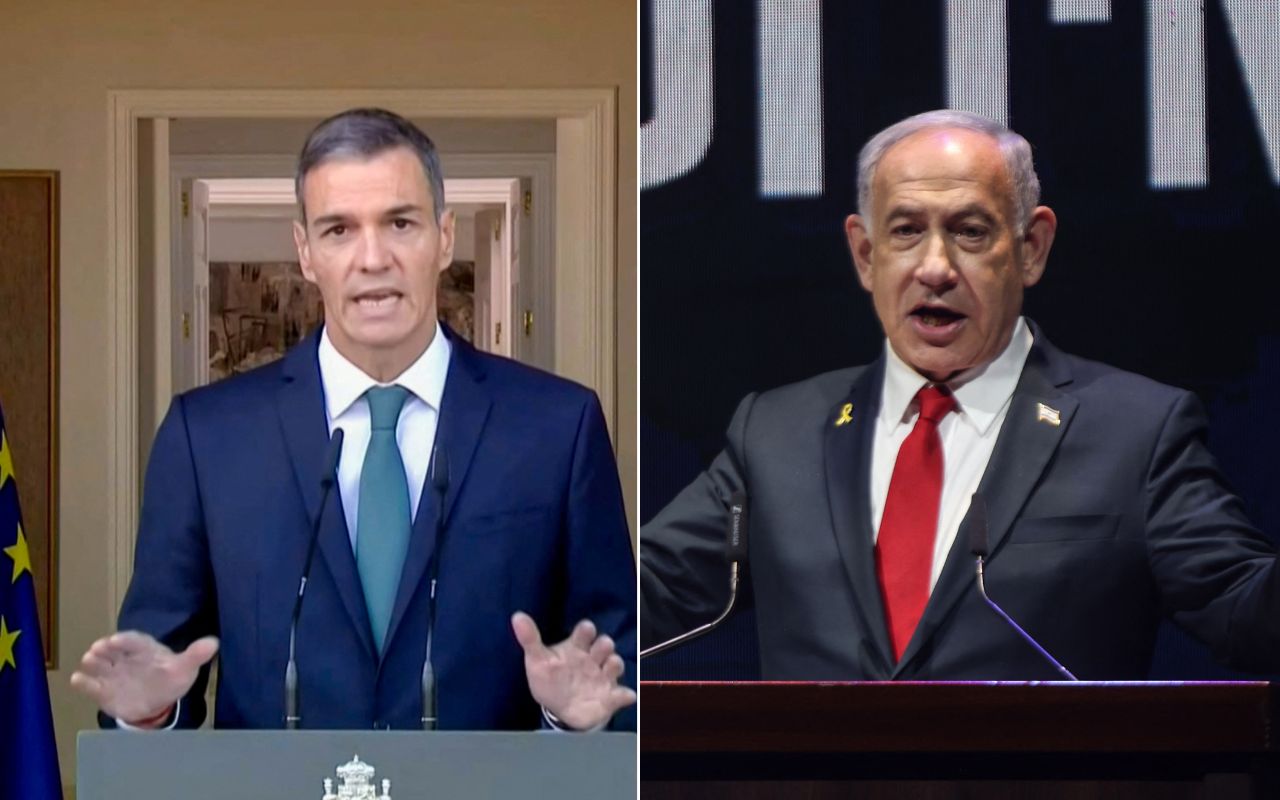
Part of why the Lebanon peace talks seem unsurprising is that Beirut isn’t even the first hostile neighbor to meet with Israel over the past year. The talks with Lebanon came after several rounds of negotiations with Syria — and President Ahmed al-Sharaa recently indicated that the door to those discussions remains open. And there’s a growing conventional wisdom in the Middle East that Gulf states’ interests are becoming increasingly aligned with Israel’s.
The reasons a peace deal with Lebanon would be such a big deal are the same reasons inking one is so unlikely. Israel has fought several punishing wars in Lebanon, including one that is currently in the midst of the fragile ceasefire. Israel also occupied a strip of the country’s south for decades, and its main adversary there, Hezbollah, is very much still alive.
But those conditions have led Israeli officials to acknowledge a promising strategic reality: For the first time in a while, the Israeli and Lebanese governments are on the same side of the fight.
“Hezbollah is a common enemy of Israel and Lebanon,” Foreign Minister Gideon Sa’ar said on Wednesday. “Just as it threatens Israel’s security, it harms Lebanon’s sovereignty and threatens its future.”
Sa’ar added that Israel doesn’t “have any serious disagreements with Lebanon. There are a few minor border disputes, which can be solved. The obstacle to peace and normalization between the countries is one: Hezbollah.”
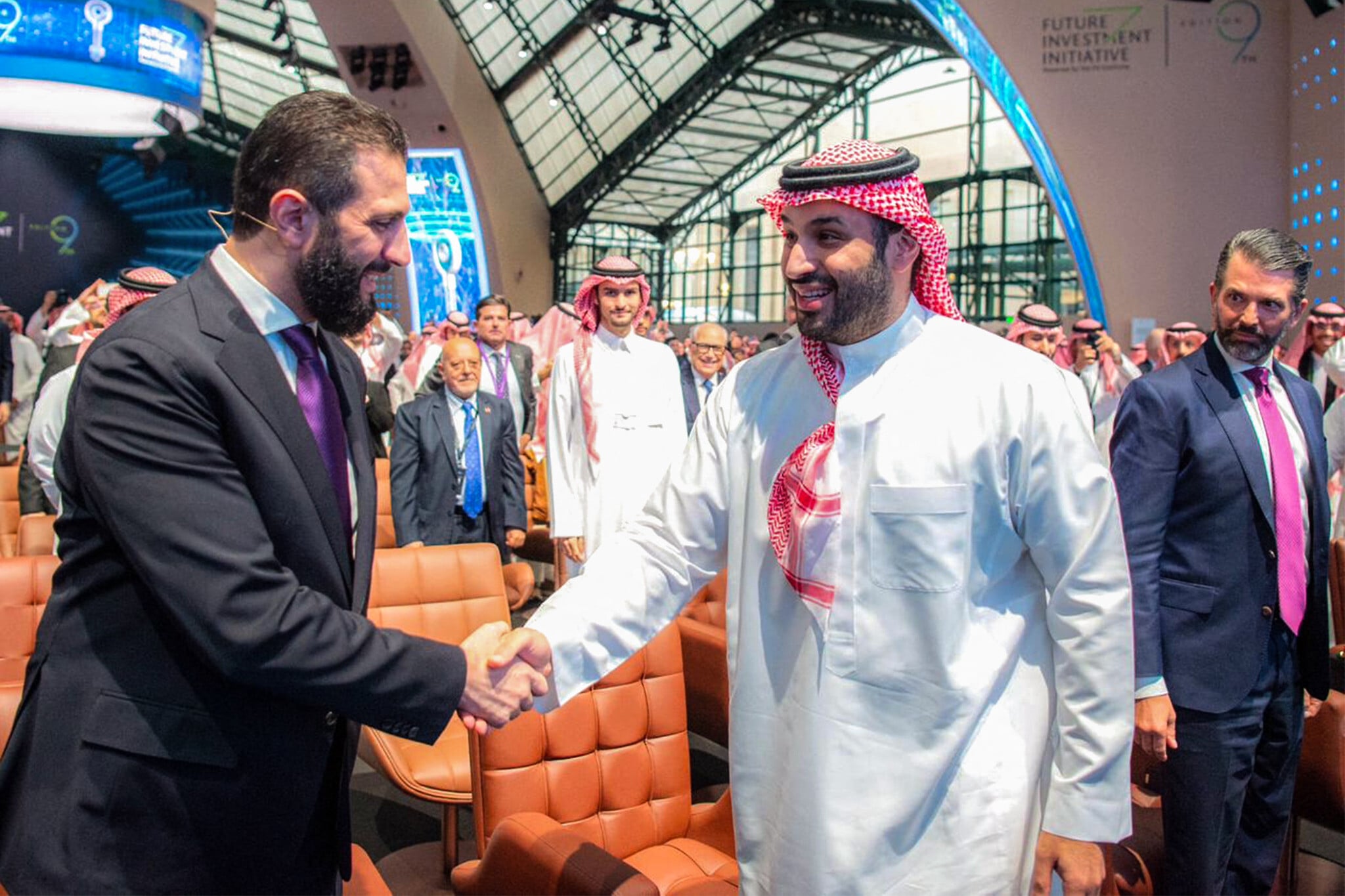
A version of this has long been true when it comes to the Gulf as well: Countries like the UAE and Saudi Arabia share a common adversary with Israel in Iran.
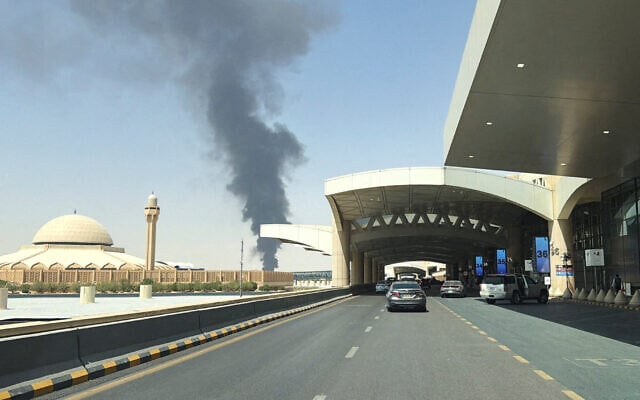
That’s what led the UAE and Bahrain to normalize relations with Israel in 2020, and the strategic alignment has become more pronounced during the US-Israeli war with Iran, when Tehran’s missiles pounded Riyadh and Abu Dhabi, along with Jerusalem and Tel Aviv.
A Saudi-Israeli normalization deal, long sought by the US and Israel, is still far from a sure thing. If Iran stays strong, Middle Eastern countries may be deterred from warming their ties with Israel. But thanks to the Iranian fire, both Saudi Arabia and Israel spent the month of March repelling missiles from the same country.
Mounting antagonism in Europe
In 2008, the EU-Israel Association Council announced that the bloc was “upgrading” its relations with the Jewish state, including by strengthening diplomatic dialogue and allowing Israel to join “European agencies, programs and working groups.” Then-Foreign Minister Tzipi Livni hailed “the growing and deepening ties between Israel and the EU.”
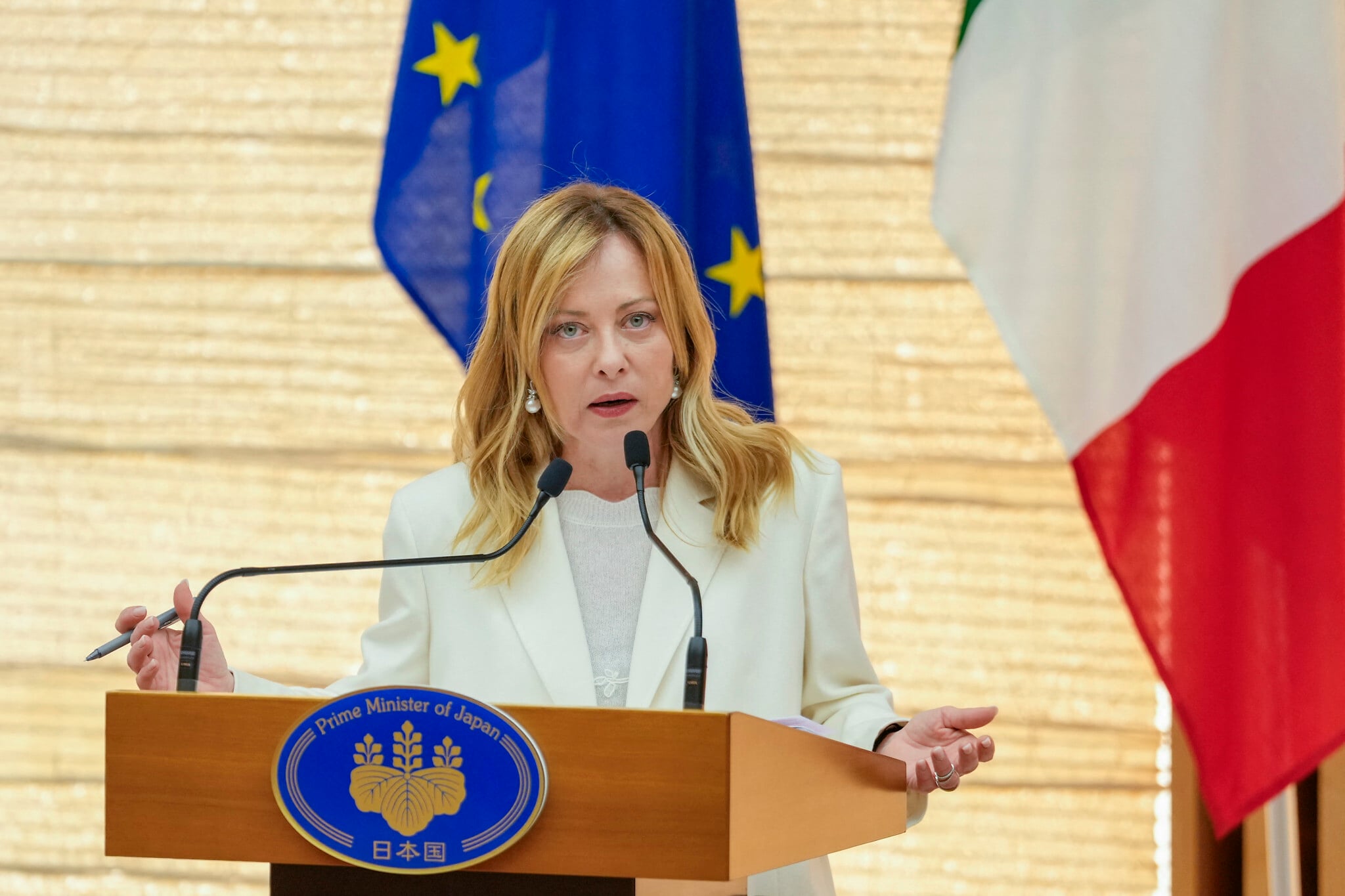
Just like it may have been hard to imagine Israeli-Lebanese peace talks in 2008, it’s hard to imagine such an EU-Israel agreement being reached today. Some of Israel’s most vocal critics are found on the continent. And even its ideological allies, such as Italy’s right-wing government, are taking steps to distance themselves from Israel. Germany, Israel’s most significant ally in the bloc, has made a point of criticizing Israeli expansionist steps in the West Bank.
Germany and Italy still indicated that they would block the necessary vote to end the EU association agreement with Israel. But there are other ways the EU can weaken its ties to Jerusalem that only require what’s called a “weighted majority,” and that could be harder for individual countries to stop.
The bad signs for Israel stretch beyond the realm of diplomacy. A series of international airlines have suspended flights to Israel. And next month, several countries are boycotting Eurovision in protest of Israel, putting a damper on the international music competition that in many ways symbolizes Israel’s inclusion in European culture.
Where does that leave Israel? Back in July, when the geopolitical landscape was different, but these trends were apparent, the Israeli public intellectual Micah Goodman predicted that Israel’s warming ties with the Middle East could arrest the decline of its relations with the West.
“There’ll be a competition between two processes: the process of legitimizing Israel and the process of criminalizing Israel,” he said on a Times of Israel podcast at the time. “And paradoxically, the process of legitimizing Israel is within the Middle East, and the process of criminalizing Israel is in Europe.”
He added, “And we could only assume that the process of legitimization will help restrain the process of criminalization.”
The future of both of these processes depends on many factors, including what happens in Iran, what happens with Hezbollah, Israel’s West Bank policy, and who wins the Israeli elections due to take place in six months. But alongside the constant carping in Israeli diplomatic forums about hostility to Europe, the talks with Lebanon have given Israelis license to hope.
For decades, Israelis have spoken, aspiringly or ironically, about a utopian future of “eating hummus in Damascus.” On Wednesday, President Isaac Herzog posted another image to the vision board of Middle East peace: “to get into a car and drive straight to Beirut.”
Such aspirations, if still very unlikely, do not feel impossible. It may be that, in a number of years, Israelis will be able to hop in the car and drive 130 miles up the coast from Tel Aviv to Beirut.
Whether they’ll be able to fly from Tel Aviv to Brussels, however, is another story.







The Times of Israel Community.