

Israel, Palestinians trade barbs at environment confab in Morocco
PA prime minister accuses Israeli of methodically ‘pillaging resources’; Israeli minister Elkin calls claims ‘completely untrue’
 Add ToI as a Preferred Source on Google
Sue Surkes is The Times of Israel's environment reporter
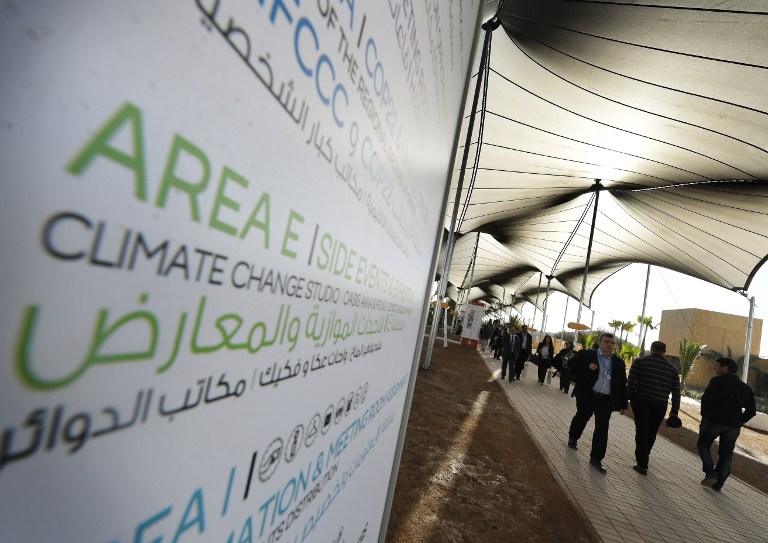
Environmental Protection Minister Ze’ev Elkin and Palestinian Authority Prime Minister Rami Hamdallah traded blame for pollution on Wednesday during sessions of the United Nations Climate Conference in Marrakech, Morocco.
Speaking at the plenary of the high-level climate meeting, Hamdallah charged that Israel was deliberately harming the Palestinians’ environment and water quality.
He said that Israeli factories in West Bank settlements were causing environmental damage through emissions.
“The state of Palestine is suffering under the Israeli occupation and the pollution caused by the factories put on our land,” he said. “The military occupation by Israel damages the Palestinian environment in a methodical way in order to pillage our natural resources, confiscate land and build separating walls.”
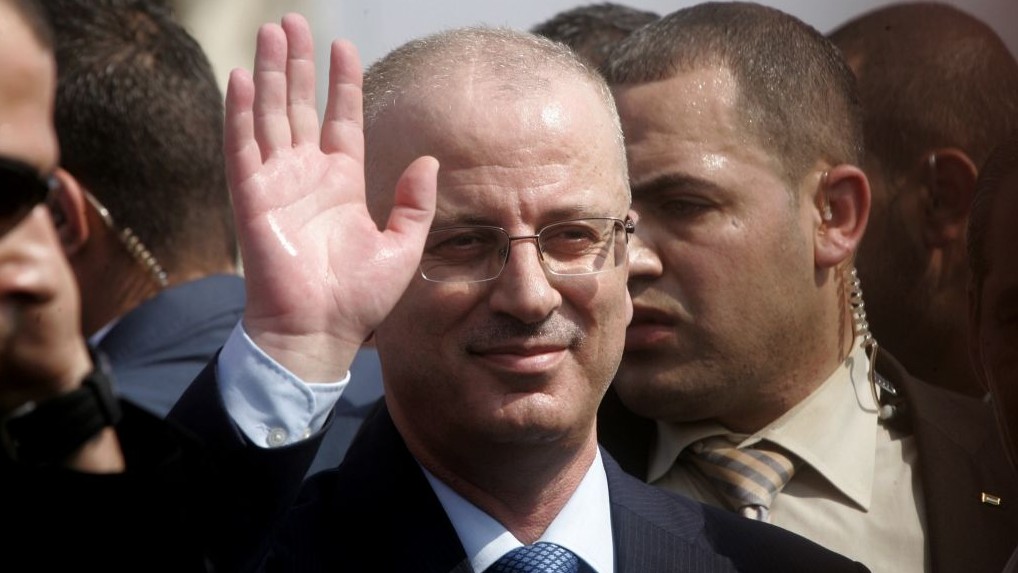
Referring to vandalism against Palestinian farmers by Jewish settlers, he added that the occupation of the West Bank was leading to the uprooting of olive trees.
Responding to what he called “completely untrue claims,” Elkin (Likud) said that the Palestinians were exploiting their platform at the conference to hurl accusations at Israel while the Palestinian Authority was advancing a project for a cement factory within a nature reserve because of the economic interests of Palestinian Authority President Mahmoud Abbas’s sons.
That project came to light when Palestinians asked Israel for help, he said.
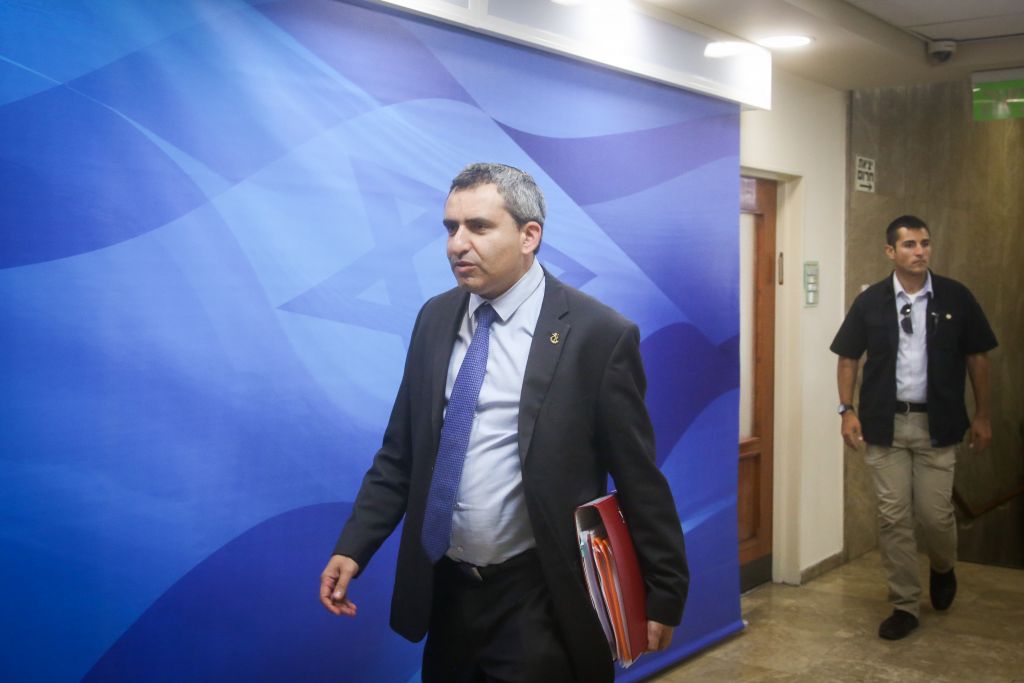
Introduced by a representative of Saudi Arabia, Elkin proposed regional cooperation in technology and water conservation.
Also during the conference, US Secretary of State John Kerry hit out at President-elect Donald Trump’s election campaign promise to take the US’s name off the December 2015 Paris climate change agreement, which went into effect on November 4.
That agreement, signed by both Jerusalem and Ramallah, seeks to keep global temperature increases during the current century well below two degrees Celsius (3.6 degrees Fahrenheit) above pre-industrial levels and, if possible, to a maximum of 1.5 degrees Celsius (2.7 degrees Fahrenheit).
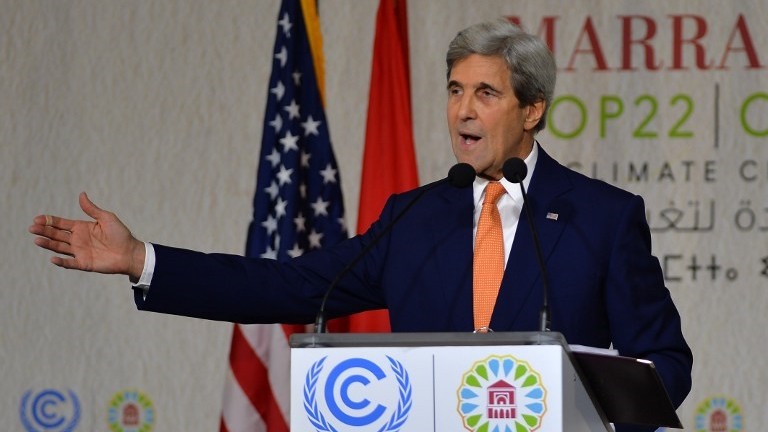
There was no way back from signing the agreement, Kerry said, and no individual had the right, even as US president, to reverse a decision that would affect billions of people.
The Marrakech conference aims to set out how the Paris agreement can be put into practice.







The Times of Israel Community.