

Israel reopens northern Gaza border crossing for humanitarian aid deliveries
Zikim was closed on September 12 during IDF operation to capture Gaza City and remained shut despite October 10 ceasefire, cutting off nearly all aid to the enclave’s north
 Add ToI as a Preferred Source on Google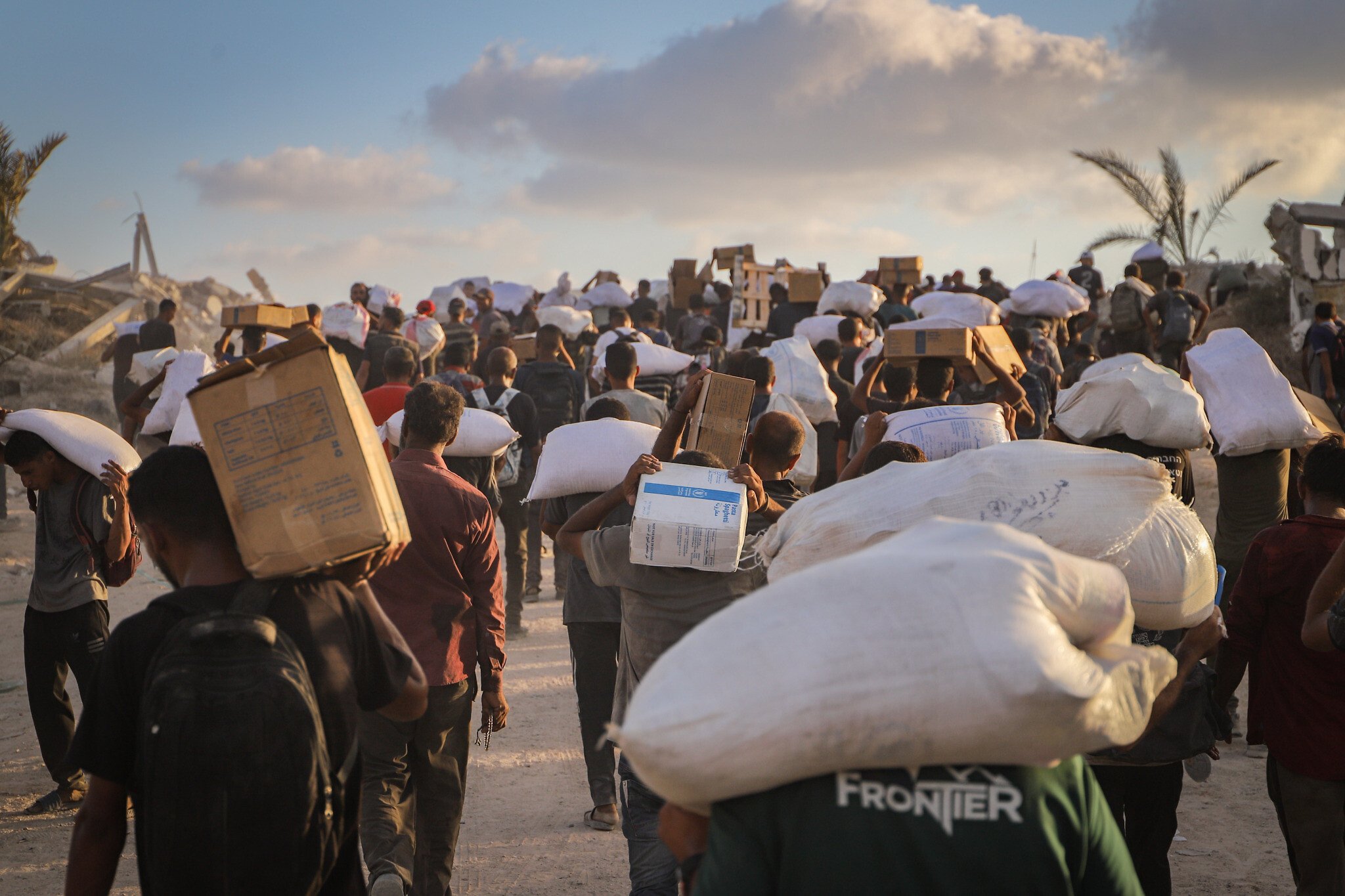
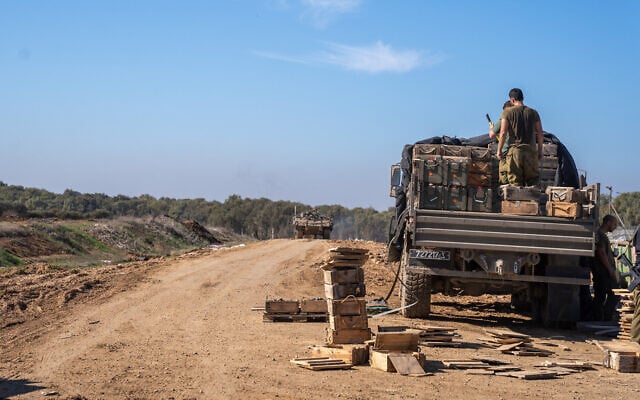
Israel reopened the Zikim border crossing border for the entry of humanitarian aid into the northern Gaza Strip on Wednesday, two months after it was closed during an Israel Defense Forces operation to capture Gaza City.
The Defense Ministry’s Coordinator of Government Activities in the Territories (COGAT) agency, which oversees humanitarian matters in the Strip, noted in a statement that the crossing was reopened with the approval of political leaders.
“The aid will be transferred by the UN and international organizations following thorough security inspections by the Land Crossings Authority of the Defense Ministry,” it said.
Contacted by AFP, a COGAT spokesman said the crossing would now remain open “permanently,” like the Kerem Shalom Crossing into southern Gaza, through which the bulk of aid has been transferred over the past two years since the Hamas-led assault on Israel on October 7, 2023, sparked war in the coastal enclave.
The Zikim Crossing was closed on September 12, halting the flow of aid into northern Gaza. While some aid was allowed to enter the area from the south of the Strip, it was deemed by the UN and international aid groups to have been wildly insufficient.
In August, a global hunger monitor declared that famine had struck the densely populated northern Gaza Strip after it found that roughly half a million people there were experiencing catastrophic levels of hunger, with many said at risk of dying from malnutrition-related causes.
Israel denied the report, with COGAT accusing the Integrated Food Security Phase Classification (IPC) system of basing its report on “biased and self-interested sources originating from Hamas.”
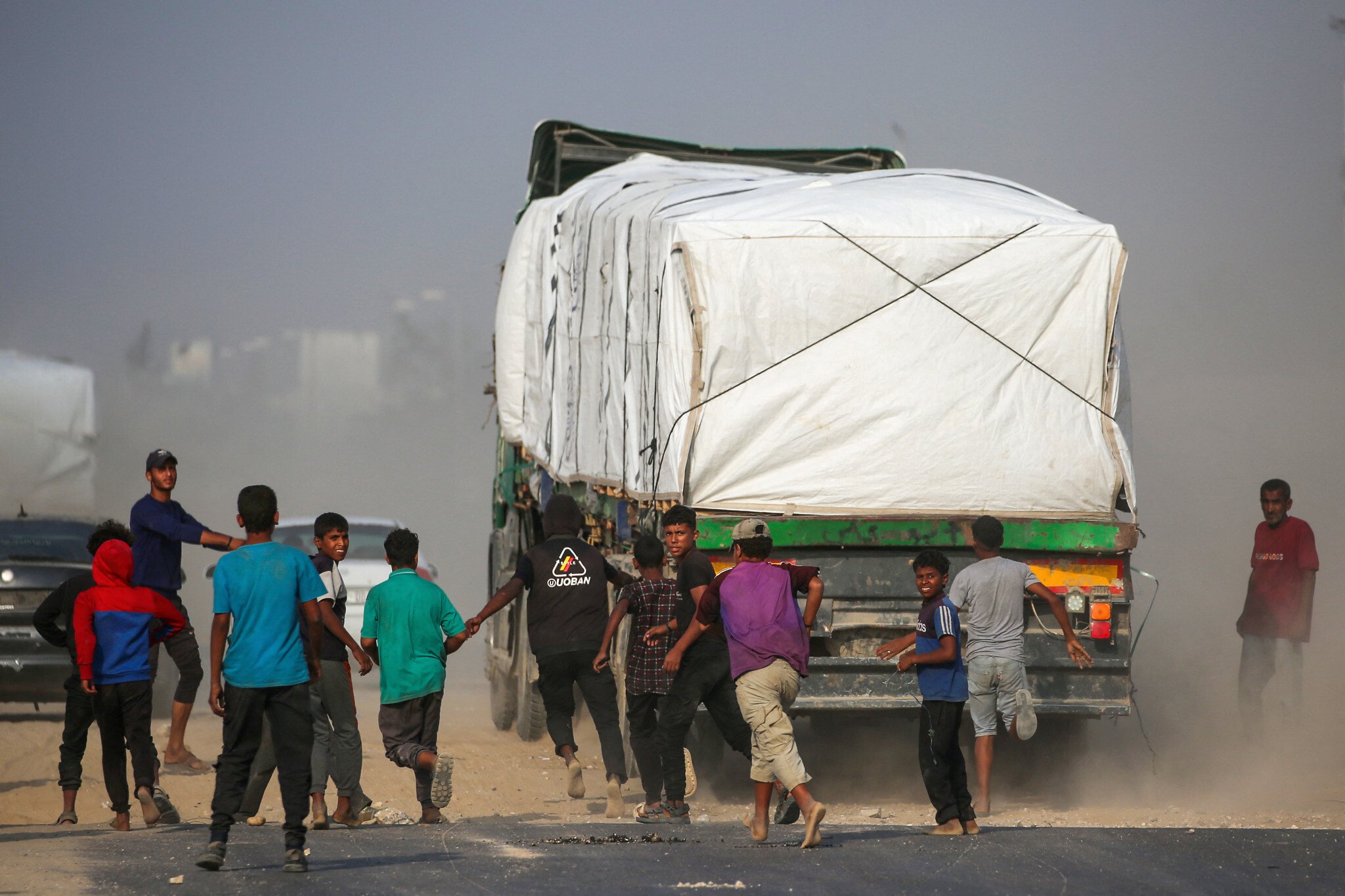
Last week, humanitarian agencies warned that the amount of aid entering the Gaza Strip was still far from adequate, despite the month-old US-brokered ceasefire between Israel and Hamas.
The truce had been intended to unleash a torrent of aid across the enclave, where most of the population is living in tents or bombed-out buildings as winter fast approaches, but the UN World Food Programme warned that only half of the needed aid was entering the Strip.
Despite this, the UN humanitarian agency OCHA acknowledged that there had been some improvements — including 50% of families in Gaza reporting increased access to food and households eating on average two meals a day, up from one in July — but said there was still a sharp divide between the conditions in the north and south of the enclave.
“The opening of direct crossings to the north is vital to ensure that sufficient aid reaches people as soon as possible,” the UN body said last month.
Israel insists that it is fulfilling its obligations under the ceasefire agreement, which calls for an average of 600 trucks of supplies to enter Gaza per day. It blames Hamas fighters for any food shortages, accusing them of stealing food aid before it can be distributed, which the terror group denies.





The Times of Israel Community.