

Israeli scientists discover immune cells that ‘both fight and fuel’ breast cancer
Tel Aviv University researchers say neutrophils can be late-stage breast cancer target and biomarker; Beilinson Hospital scientist uses immunotherapy to treat HER2-negative breast cancer
 Add ToI as a Preferred Source on Google
Reporter at The Times of Israel
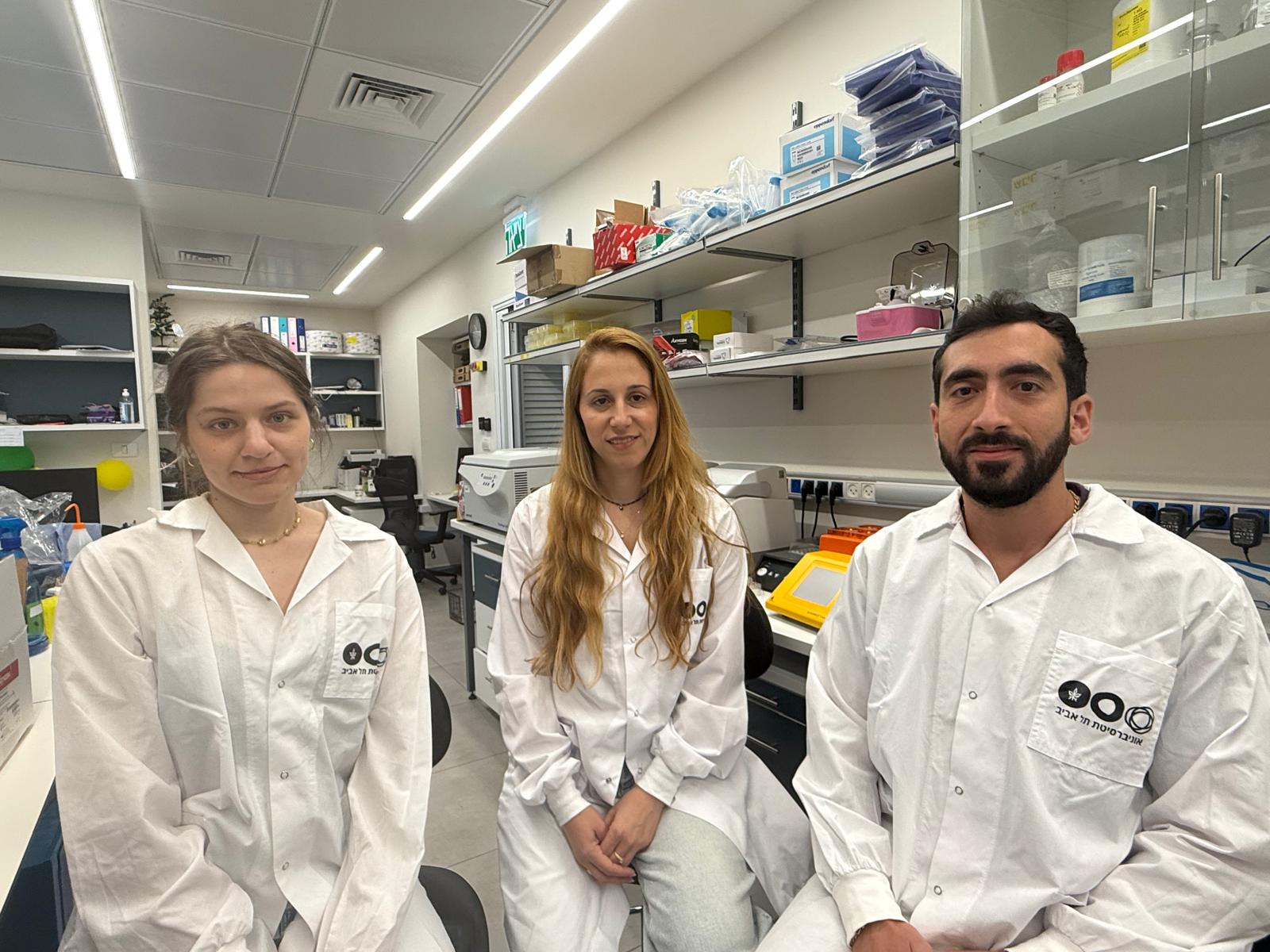
Tel Aviv University researchers say they have found that a type of white blood cell, usually known for fighting infection, might help breast tumors grow and spread.
The findings about neutrophils, a white blood cell type primarily known for its protective role as an immune cell, could help scientists treat breast cancer by using such cells not only as a warning sign but also as a potential treatment target for late-stage breast cancer.
“It’s a new way of thinking about how the immune system can both fight and fuel cancer,” Dr. Merav Cohen, of the Department of Clinical Microbiology and Immunology at the Gray Faculty of Medical & Health Sciences, told The Times of Israel by telephone.
The team of researchers in her lab, led by Dr. Sandra Camargo and PhD students Ori Moskowitz and Maya Levinson, included scientists from the university, the Weizmann Institute of Science, and the Netherlands.
The study was recently published in the peer-reviewed journal Nature Cancer.
Cancer cells can stimulate immune system cells.
The researchers set out to analyze neutrophils in breast tissue from mice and human patients using single-cell RNA sequencing.
The researchers collected breast tissue samples from mice at four life stages: at 10 days old, at three weeks old, and then from healthy adult mice and from mice with breast cancer.
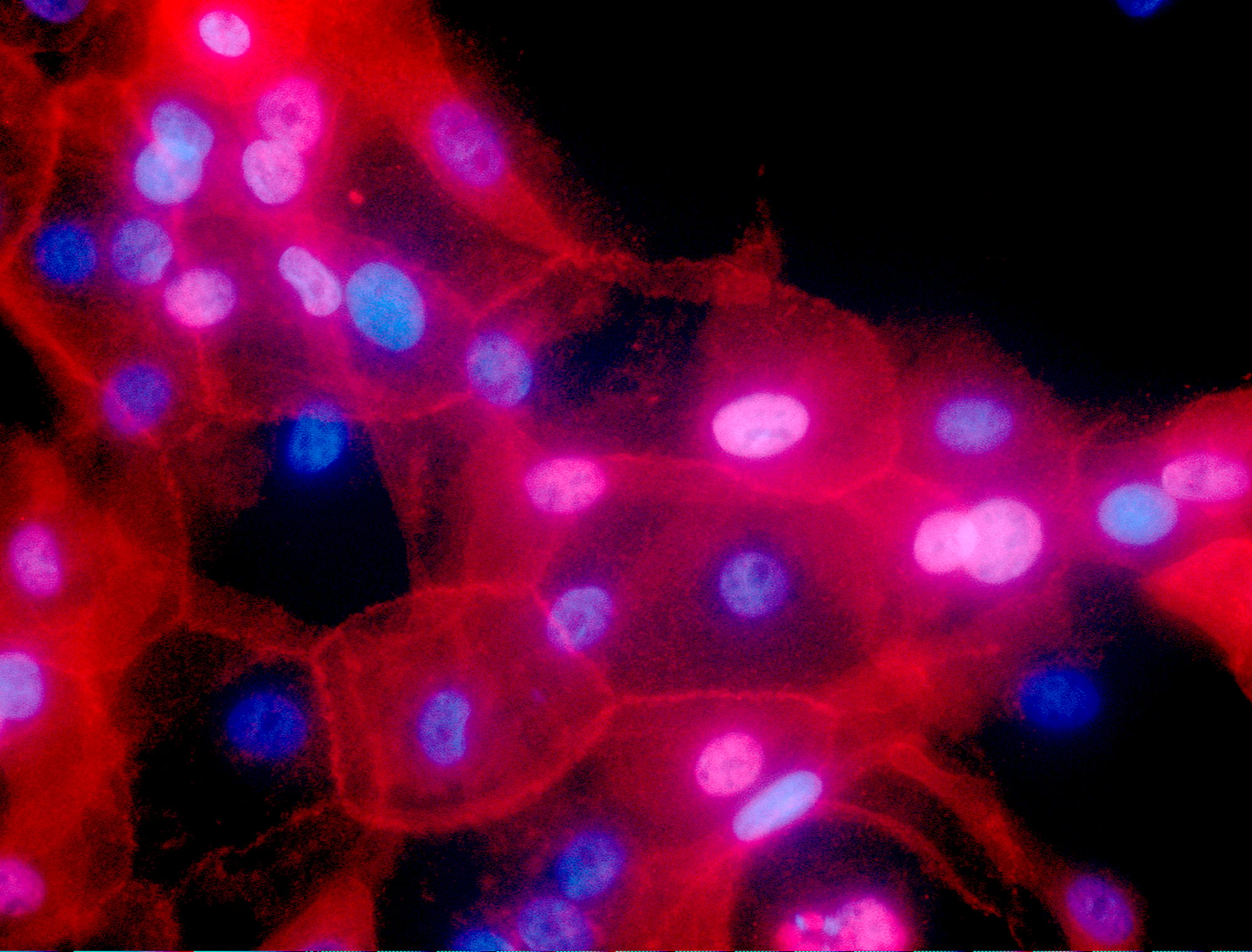
Using single-cell RNA sequencing and advanced bioinformatics analytics, the scientists identified neutrophil immune cells adjacent to cancer cells. They also identified endothelial cells, which, among other roles, promote blood vessel development.
Exploring further, the researchers examined the signals that molecules send and receive from one another. They uncovered a complex process that supports tumor growth. Surprisingly, cancer cells stimulate immune system cells located in the milk ducts of the breast to recruit neutrophils into the tumor microenvironment.
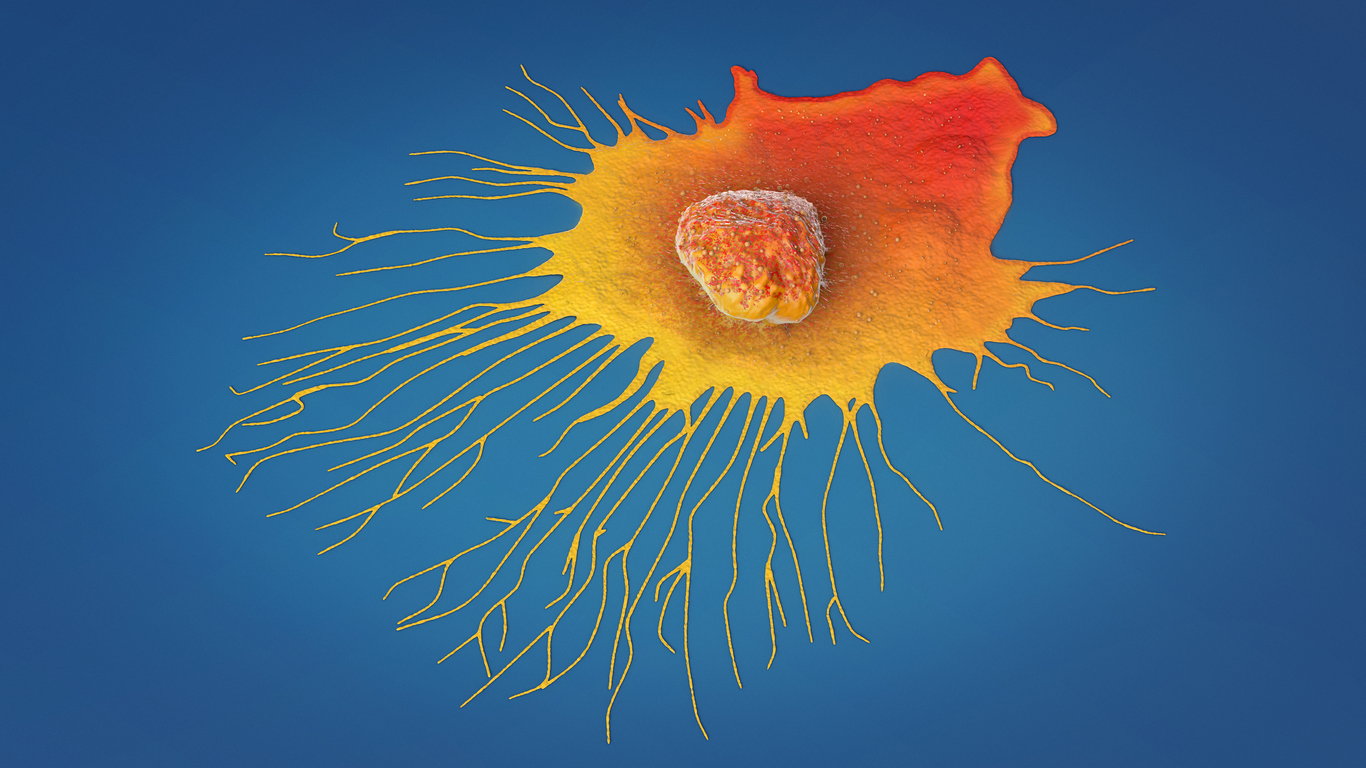
Once there, the neutrophils physically interact with the cancer cells, Cohen said. This leads to the secretion of substances that enhance the cancer’s ability to spread and invade additional tissues, all the while increasing the formation of blood vessels that nourish the tumor.
To confirm the results, the researchers ran two additional tests.
First, they suppressed the neutrophils in mice with advanced breast cancer, and found that the tumors slowed significantly.
Second, they analyzed data from 265 human patients and found that women with Stage 3 and 4 breast cancer had lower survival rates if their tumors showed strong signs of neutrophil activity.
The findings have dual significance for breast cancer diagnosis and treatment.
“Neutrophils and the signals they emit may serve both as targets for the development of new drugs and as biomarkers for the advanced stages of the disease,” Cohen said.
New hope for HER2-negative breast cancer
According to research, breast cancer is the most common cancer among women worldwide. While treatments have significantly improved over the years, a major challenge remains: About one in five women with breast cancer may eventually develop metastatic disease.
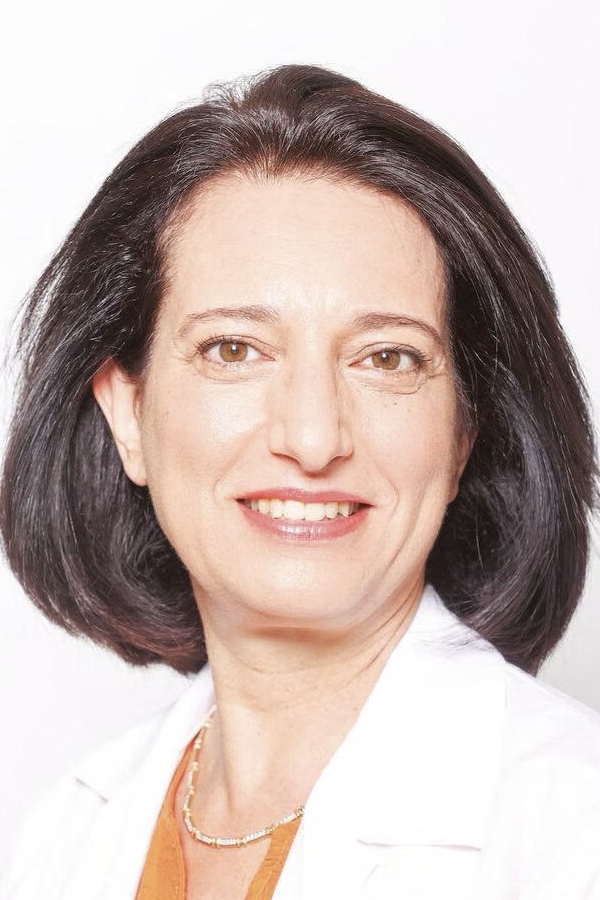
“Metastatic breast cancer, when the cancer has spread to other parts of the body, is currently incurable,” Prof. Rinat Yerushalmi-Mishali, head of Beilinson Hospital’s breast cancer unit at the Davidoff Center, said in a teleconference call with The Times of Israel. “In such cases, the goal of treatment is to relieve symptoms, improve quality of life, and help patients live longer.”
Immunotherapy, which helps the body’s immune system fight cancer, is one of the most exciting advances in cancer treatment. However, it is mainly used for triple-negative breast cancer, she said, and even then, “it only works when combined with chemotherapy. On its own, it doesn’t show significant benefits in this type of cancer.”
Yerushalmi-Mishali recently contributed to a study in which researchers tested a combination of two immunotherapy drugs in breast cancer patients who did not have high levels of the human epidermal growth factor receptor, known as HER2.
Since most breast cancers are HER2-negative, the findings could apply to a large group of patients.
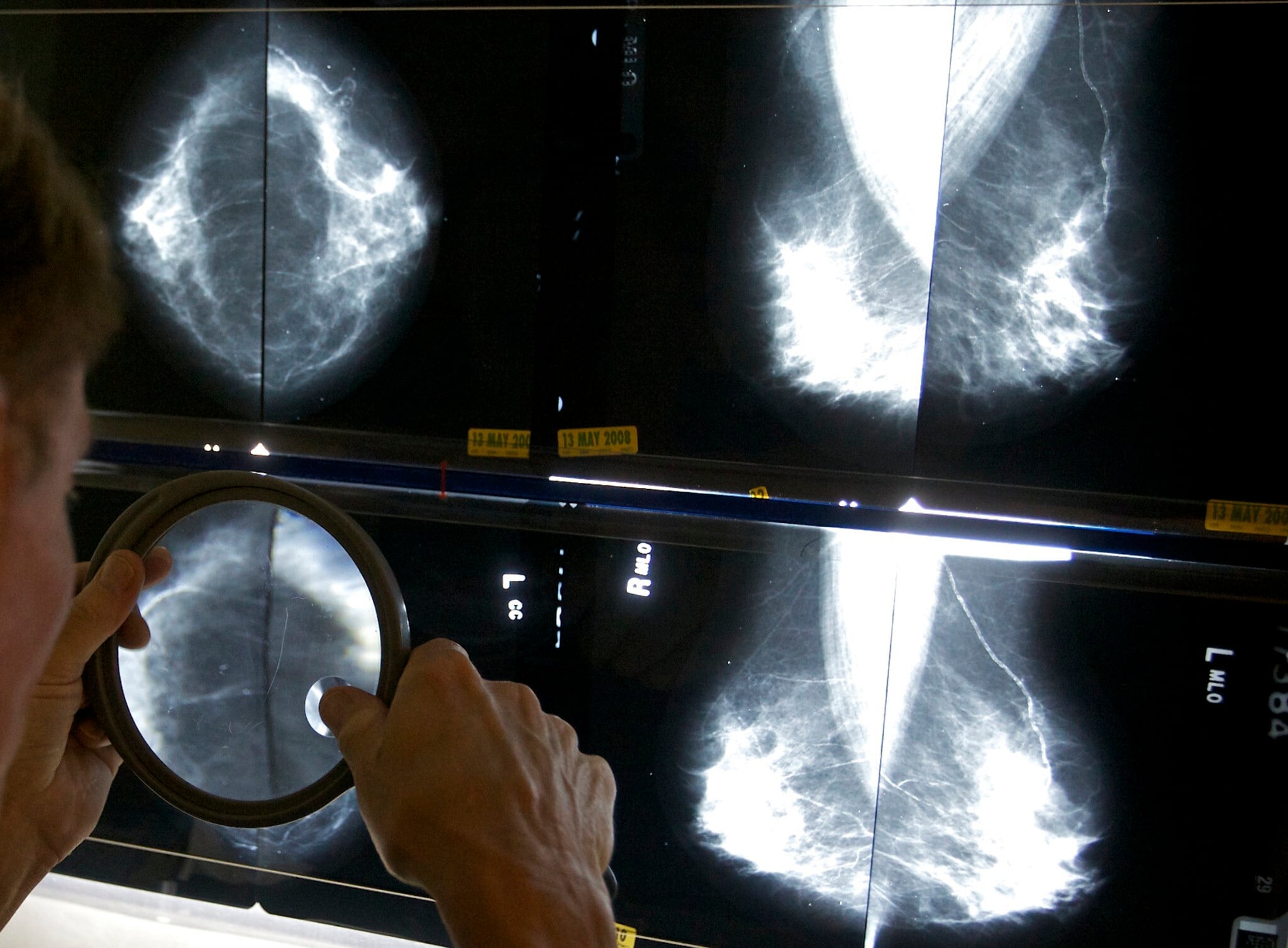
The study involved 30 women whose cancer had already progressed, with tumors that were considered drug-resistant.
“Remarkably, even though this was a chemotherapy-free approach, about 20 percent of the patients responded positively to the treatment,” Yerushalmi-Mishali said.
What’s even more promising, she said, is that a simple blood test — called a liquid biopsy — may help predict who is most likely to benefit from the treatment.
“The key factor is something called tumor mutational burden (TMB), which is the number of mutations in a tumor’s DNA,” she said. “Patients with very high TMB had the best outcomes: 60% of them responded to treatment, and two women have remained cancer-free for over two years.”
‘100% survival’ in hereditary triple-negative breast cancer
Dr. Jean Abraham, director of the Precision Breast Cancer Institute at the University of Cambridge, spoke to The Times of Israel in a teleconference call about conducting part of her next trial on women in Israel with hereditary triple-negative breast cancer (TNBC).

TNBC, an aggressive type of invasive breast cancer that does not respond to hormone therapies, is more common in women with BRCA1 mutations, especially if it’s hereditary.
Ashkenazi Jewish women have a higher chance of carrying BRCA1 mutations than the general population, and therefore are at higher risk of developing breast cancers, including TNBC.
This breast cancer tends to grow and spread more rapidly than other types, and it is often associated with a poorer prognosis.
In Abraham’s study, however, her team found that when a specific chemotherapy drug was followed exactly 48 hours later by a drug often used in ovarian and breast cancer, 100% of the patients had no trace of the disease. All of them remained alive and cancer-free at follow-up.

“It’s a striking result,” Abraham said.
She explained that she had completed a pharmacology degree before her medical degree. Several years ago, she had a “chance conversation at dinner” with someone from the drug company AstraZeneca, which sparked the idea for the innovative treatment protocol.
“The order of the drugs made all the difference,” she noted.
The study is small, she said, “with really interesting results.” She is now planning a large international trial and would “love to engage with clinicians in Israel” about participating in the trial.
“The study got quite a lot of attention,” Abraham said. “100% survival just isn’t something you see very often.”










The Times of Israel Community.