

Jewish worshipers get extended visiting hours on Temple Mount during Ramadan
Palestinian Authority decries ‘dangerous escalation’ as police grant Jewish visitors extra hour at flashpoint site; Temple Mount activist calls move ‘slight concession’
 Add ToI as a Preferred Source on Google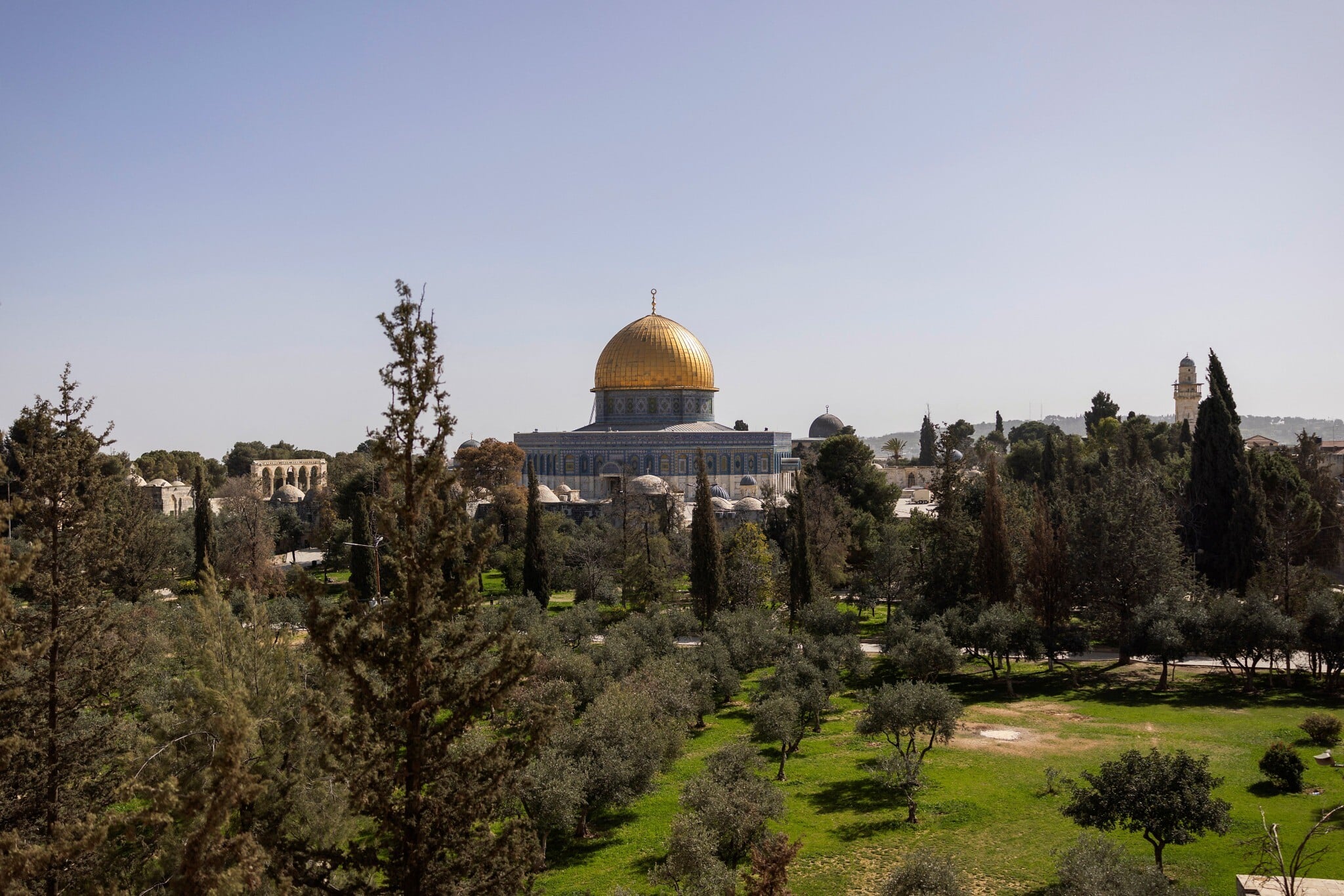
Police extended visiting hours for Jewish worshipers on the Temple Mount in Jerusalem by an hour more than is customary during Ramadan on Wednesday, the first day of the Islamic holy month.
The change comes as Israel has repeatedly shifted norms on the flashpoint holy site where the Biblical Jewish temples stood and that today houses the Al-Aqsa Mosque and the Dome of the Rock Shrine under far-right National Security Minister Itamar Ben Gvir.
Jewish visitors were able to ascend the flashpoint holy site in the morning from 6:30 to 11:30 a.m., following pressure from activists. In previous years, visiting hours during Ramadan were from 7 to 11 a.m, with the Al-Aqsa compound completely closed to Jewish visitors throughout the afternoon.
The extra hour was allotted as “compensation” for the site’s afternoon closure, Haaretz reported.
The Palestinian Authority denounced the departure from the status quo as a “dangerous escalation” and warned that the extra hour may morph into a permanent policy extending beyond Ramadan, in a statement quoted by Turkish state-run news agency Anadolu.
A spokesman for Beyadenu, an organization dedicated to cementing a Jewish presence at the site, said the extra hour was a “slight concession” following meetings between Temple Mount activists and senior police officers in the Jerusalem District.
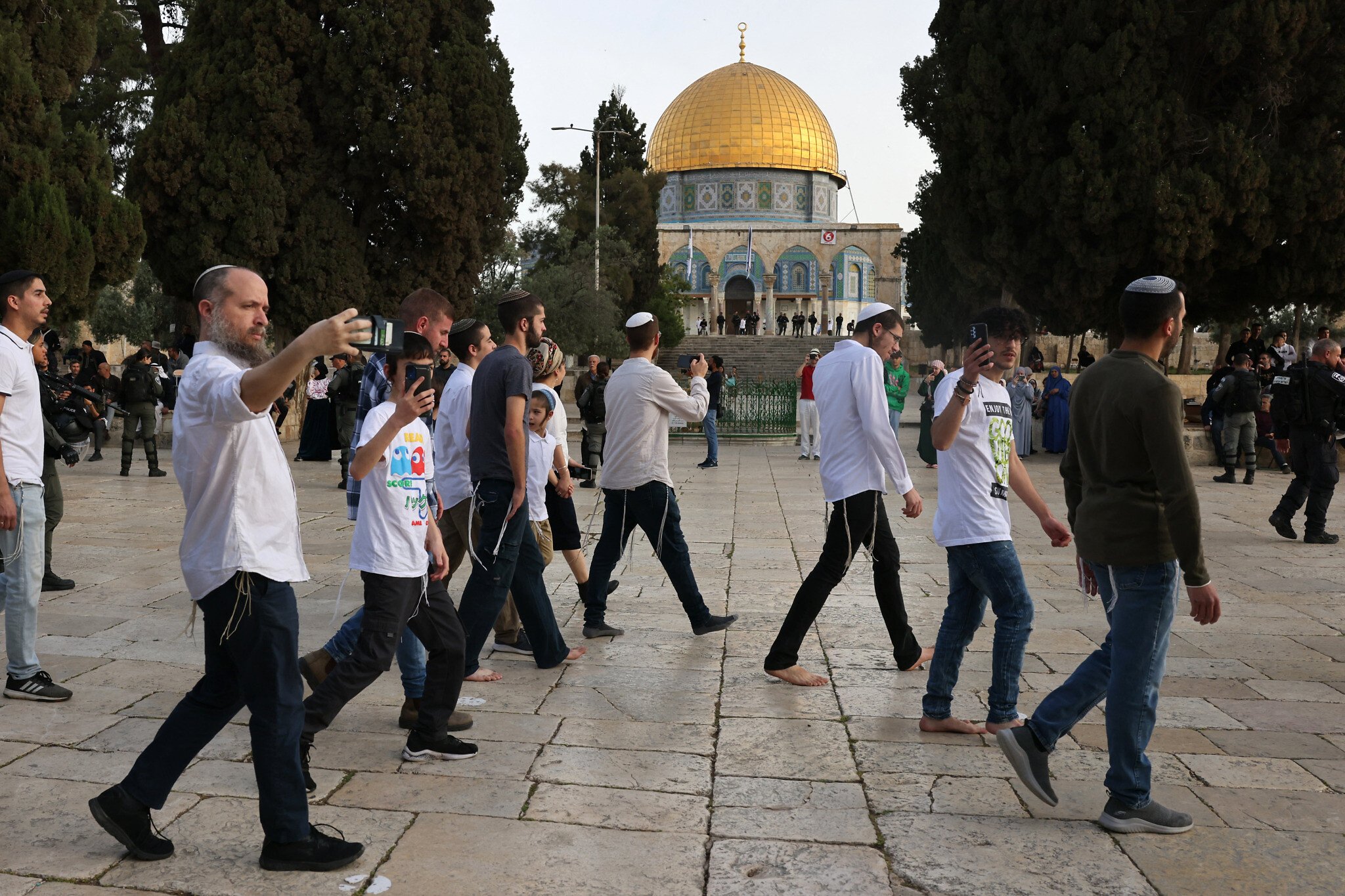
He noted that Wednesday is the first day of the Hebrew month of Adar, and claimed that over 1,000 Jewish worshipers ascended the Temple Mount in the morning and night prior to mark the occasion.
Police did not immediately respond to a request for comment.
Non-Muslim prayer has, until recently, been forbidden atop the Temple Mount due to a string of agreements known as the status quo between Israel and Jordan, which administers the site through the Jerusalem Islamic Waqf.
While in the past, police would eject or detain Jewish visitors caught praying on the Temple Mount, this policy has largely fallen to the wayside over the past three years under Ben Gvir, who has repeatedly demanded that police allow Jews to pray there.
Jewish visitors have been permitted in recent years to pray and prostrate themselves in the eastern part of the complex, but are still forbidden from visiting the site during certain hours, and cannot pray near the Dome of the Rock.
In January, Deputy Commissioner Avshalom Peled, a confidant of Ben Gvir, was appointed to the sensitive position of Jerusalem District commander.
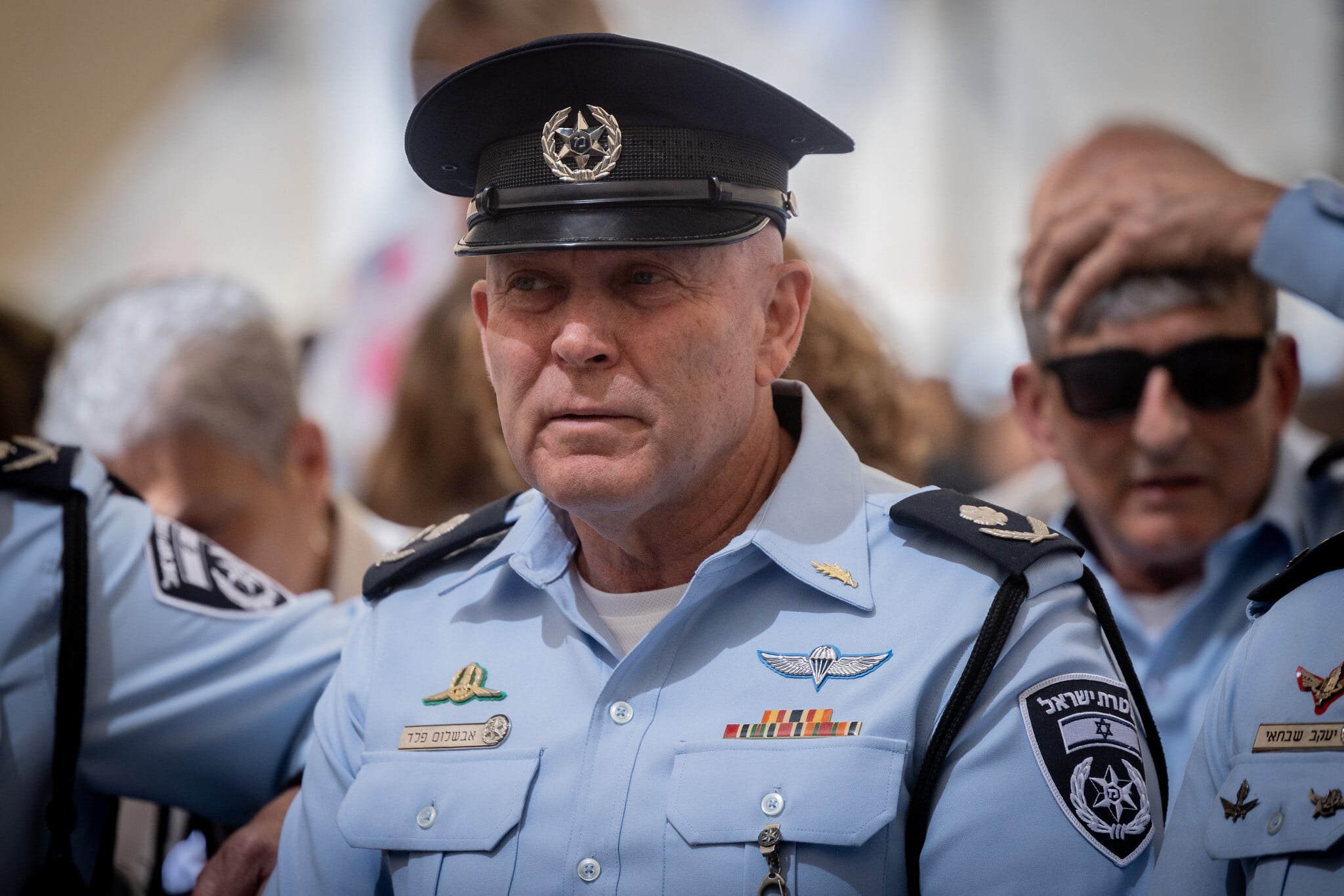
Peled, who formerly served as deputy police chief, replaced Deputy Commissioner Amir Arzani, who went on leave under reported pressure from Ben Gvir, after he pushed back against the far-right minister’s attempts to further relax Jewish prayer restrictions on the Mount.
Two weeks after Peled began his role in the district, police began allowing Jewish worshipers to ascend the Temple Mount with printed prayer sheets, in a further challenge to regulations barring non-Muslim prayer at the site.
Police appeared to confirm their official sanction of non-Muslim prayer in a statement at the time that stressed that officers work to “enable freedom of worship and visitation at the Temple Mount for all religions and communities.”
Ramadan restrictions
Also Wednesday, Israel announced that it would cap the number of Palestinian worshipers from the West Bank attending weekly Friday prayers at the Al-Aqsa Mosque compound at 10,000 during Ramadan.
Mirroring last year’s criteria, only males aged 55 and up, women 50 and up, and children 12 and below when accompanied by a first-degree relative will be permitted to attend prayers at Al‑Aqsa — Islam’s third-holiest site — the Defense Ministry’s Coordinator of Government Activities in the Territories said.
The restrictions apply only to the 10,000 Palestinians travelling from the West Bank, and not to Muslim Arab Israelis.
COGAT said that following a security assessment, the political leadership “accepted the recommendation of the defense establishment regarding the framework for the entry of Palestinian worshipers to the Temple Mount/Al-Aqsa Mosque compound during the month of Ramadan.”
“This is intended to allow and facilitate freedom of worship and religion for the public, subject to maintaining security stability,” the Defense Ministry body said.
COGAT said that “all permits are conditional upon prior security approval by the relevant security authorities,” and in addition, “residents traveling to prayers at the Temple Mount will be required to undergo digital documentation at the crossings upon their return to the areas of Judea and Samaria [West Bank] at the conclusion of the prayer day.”

During Ramadan, hundreds of thousands of Palestinians traditionally attend prayers at Al‑Aqsa, Islam’s third‑holiest site.
Since the war in Gaza broke out after the October 7, 2023, Hamas massacre, the attendance of worshipers has declined due to security concerns and Israeli restrictions.
Last year, Israel also granted 10,000 permits for West Bank Palestinians with the same age restrictions. Before the war, some Gazans were also granted access to Al-Aqsa Mosque during Ramadan.
The Palestinian Jerusalem Governorate said this week that Israeli authorities had prevented the Islamic Waqf — the Jordanian‑run body that administers the site — from carrying out routine preparations ahead of Ramadan, including installing shade structures and setting up temporary medical clinics.
A senior imam of the Al-Aqsa Mosque, Sheikh Muhammad al-Abbasi, told AFP that he, too, had been barred from entering the compound.
“I have been barred from the mosque for a week, and the order can be renewed,” he said.
Abbasi said he was not informed of the reason for the ban, which came into effect on Monday.





The Times of Israel Community.