

Joint in holy matrimony? At many Israeli weddings, weed is the new whiskey
Once the chuppah is over and the glass is broken, young newlyweds celebrate with their friends by getting high on the dance floor
 Add ToI as a Preferred Source on Google
Jessica Steinberg, The Times of Israel's culture and lifestyles editor, covers the Sabra scene from south to north and back to the center
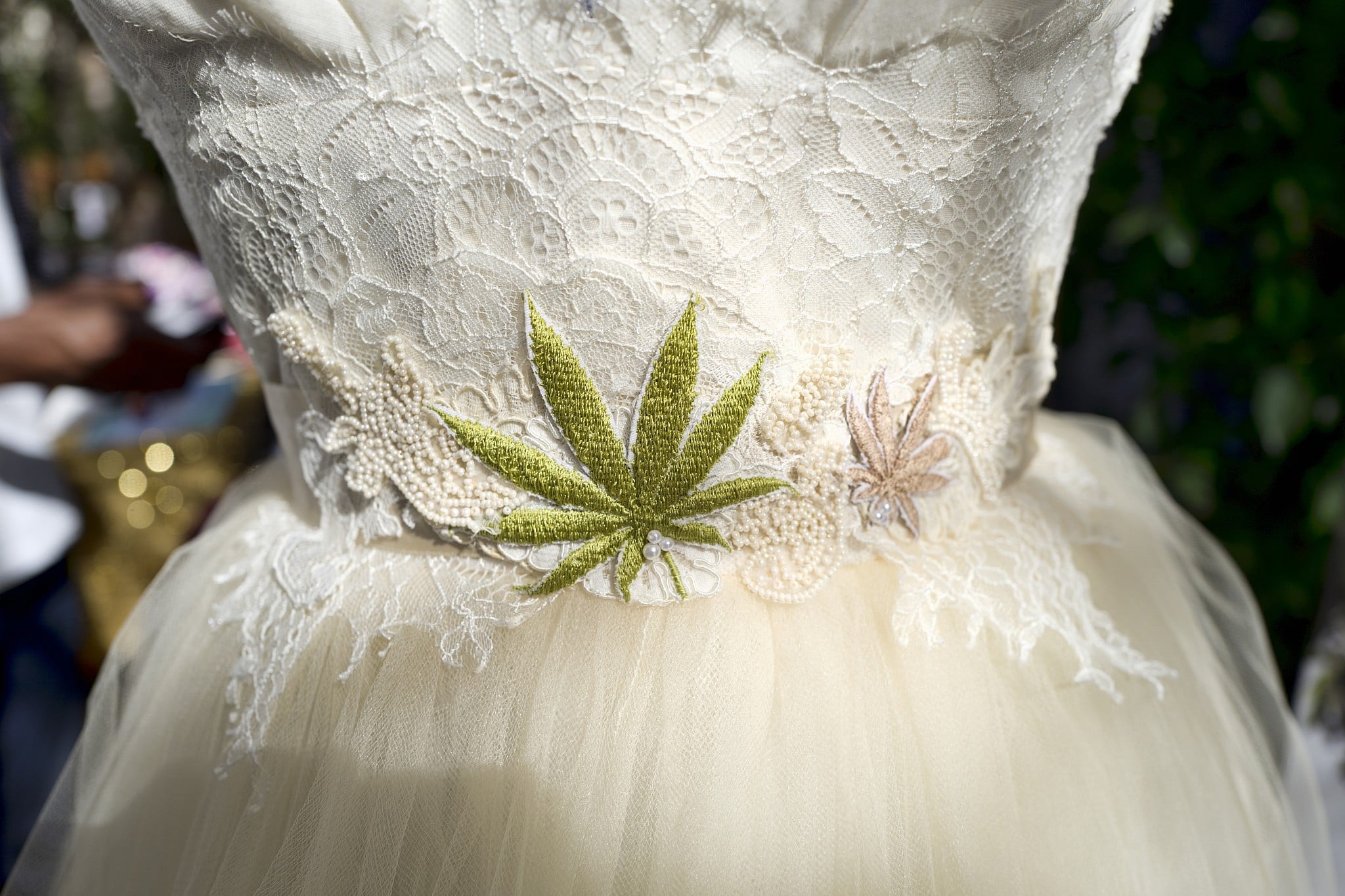
This reporter was heading out to the dance floor, gin and tonic in hand, ready to boogie down with the bride and groom when the pungent smell of weed wafted by.
It wasn’t a far-off scent of marijuana, drifting over from the nether regions of the event hall. No, this was coming from the very center of the parquet floor. There were several guests, friends of the bride and groom, grooving to the music as they puffed on thin, expertly rolled joints, generously sharing with those around them.
“The idea was to bring enough for everybody,” said Elisha, the groom at the wedding in question. “Almost everybody we know smokes weed, whether every day, or with friends. We had smoked weed at weddings, but mainly on the side. It wasn’t like that at our wedding, where it was right on the dance floor.”
The weed, it seemed, was as much a part of this celebration as the huppah, the breaking of the glass, and the signing of the ketubah, the traditional marriage contract. It was part of the shtick, akin to the funny hats, leis and confetti often passed around the dance floor.
Perhaps most surprising was the reaction, or non-reaction of the groom’s parents, family friends of mine, and decidedly non-tokers. They didn’t say anything. In fact, they didn’t seem to notice at all.
“I think they prefer not talking about it.” said Elisha, who finds it hard to believe that they were unaware of the activity.
His wife’s parents, however, don’t mind that they smoke and were more open to it. After the wedding, Elisha and his bride caught glimpses of joints in the video and photos, including the bride’s aunt with a spliff grasped firmly in hand.
Even now, two years later, Elisha finds it hard to imagine his wedding celebration without weed.
“It made people much more relaxed, more able to dance and have fun,” he said. “I’m really happy that it was part of our wedding and that no one said anything about it, not the wedding planners or guests or parents. I think it’s better than alcohol.”
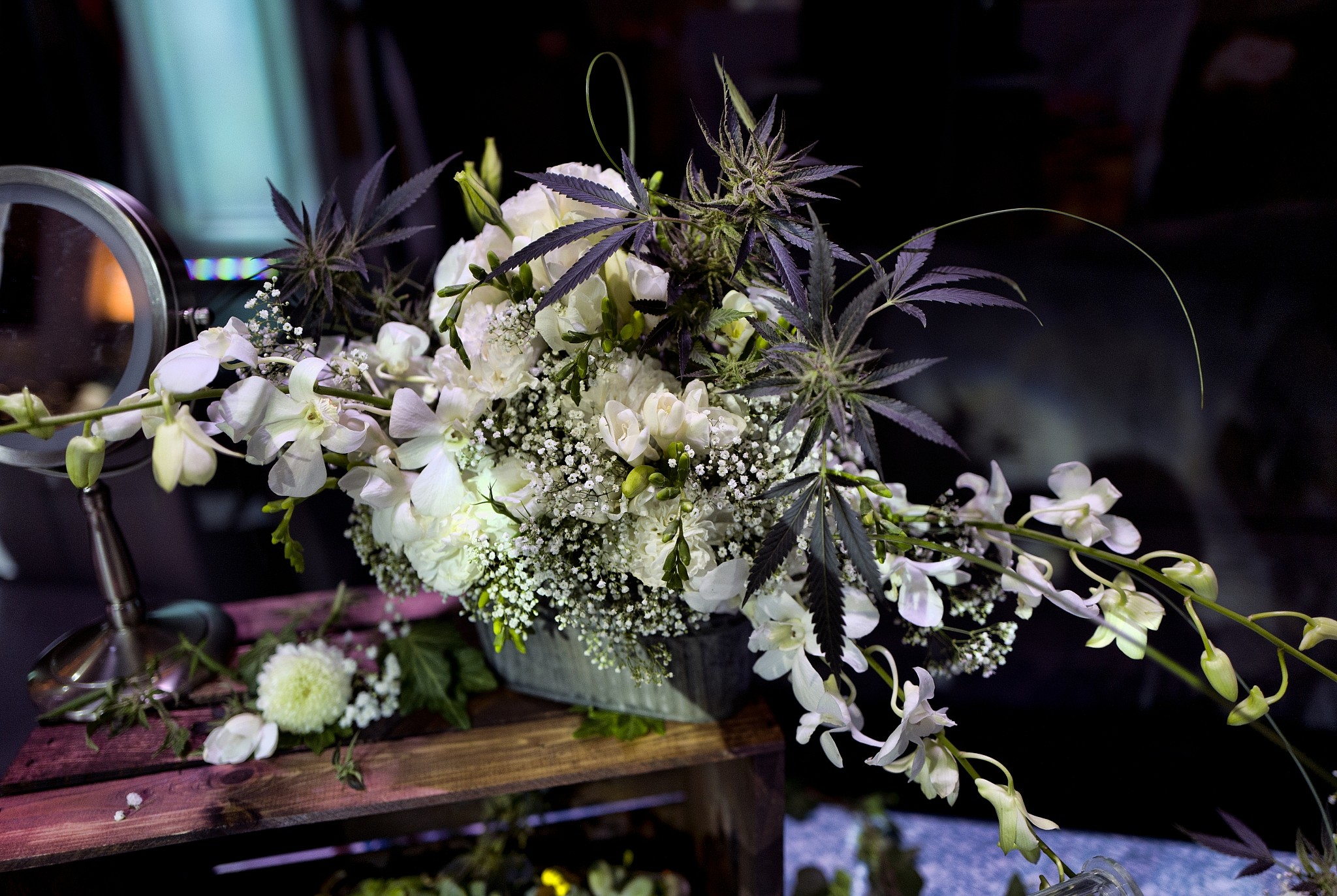
It was a scene that has repeated itself several times at weddings this reporter has attended over the last two years.
Once the ceremony is over, and the freshly minted couple is back among their guests, the party hits the dance floor and the weed emerges.
Sometimes the joints are shared among a particular clutch of party guests; at other parties they’re passed around as easily as shots of vodka or party hats.
The other week, they came out during the hinna, a traditional Moroccan ceremony that in this case was staged toward the end of the wedding. Bride, groom and family members dressed up in traditional garb, offered Moroccan sweets and got groovy on the dance floor. The groom’s friends took care of the weed that night.
Cannabis is almost always present, said revelers, particularly at weddings of 20- and 30-somethings.
Noam, 26, recalled one wedding where rolling papers and tobacco were handed out at the bar for those who wanted to roll their own cigarettes or joints.
A friend of his, Adam, said he once rolled 40 joints from weed brought to the wedding by the groom. “It’s not a big deal anymore; you either smoke or you don’t. I don’t think it changes the vibe, it’s become such a thing that’s everywhere and everyplace,” said the Tel Avivian.
Of course, wedding pot is not for everyone. One Jerusalem wedding planner, who preferred not having her name published, said she’s never seen or smelled it at any of her high-end events, created primarily for clients from abroad. Another event planner said she may have smelled it on the perimeter, but never on the dance floor.
“At my weddings,” said the planner, “everyone is piling up at the bar, drinking single malt whisky.”
Alcohol “is still king,” said Eitan, 26, from Beersheba, who is getting married in the fall. “Weed is just an addition; they mostly go together.”
Gabriel, 26, who got married three years ago and remembers drinking but not smoking at his own nuptials, commented that smoking weed has become an integral part of people’s lives, especially for those between the ages of 20 and 35.
It’s part of the broader trend from the last few years, said Elisha S., particularly in Tel Aviv, where he lives and where he says weed is openly smoked at every cafe, on the beach, and on many a park bench.
“People aren’t afraid of being caught, and it’s much more accepted. It doesn’t mean you’re a pothead or an addict, or something negative,” he said.
It’s also easily accessible.
Telegrass, based on the Telegram app, until recently had thousands of members, including dealers, who enabled easy buying and delivery of cheap or expensive weed.
While the app was officially closed down in March with the arrest of much of its management, weed is still very accessible, said Adam. Smokers buy from friends or dealers they found when the app was still up and running. Finding marijuana for recreational use is not a problem, he said.
“There’s no way to stop it,” said Elisha. “It’s like trying to stop the wind with your hand. Demand is enormous.”







The Times of Israel Community.