

Knesset to hold recess session on funding for towns hit by ongoing Gaza violence
Opposition party Blue and White organizes debate, to discuss government’s ‘disregard for and lack of attention toward’ Israeli border community residents
 Add ToI as a Preferred Source on Google
Raoul Wootliff is a former Times of Israel political correspondent and Daily Briefing podcast producer.
Amid ongoing unrest along the Gaza border, members of the short-lived 21st Knesset will briefly take up their seats again Monday morning in the parliament’s plenary hall for a special recess session called to debate funding for Israeli border communities affected by the violence.
The session, formally titled, “Budgeting the fortification of communities located near the Gaza border, including large cities,” was requested by more than 25 MKs, primarily from the opposition Blue and White party.
“In addition to the issue of protecting the communities, the meeting will discuss the necessary measures for the treatment of residents of the area in view of the recent wave of incendiary attacks and reports about a deal with Hamas, the details of which are unknown to the public,” Blue and White said in a statement ahead of the recess session.
The party said it had invited residents of border communities to attend the debate “to discuss the government’s disregard for and lack of attention to them.”
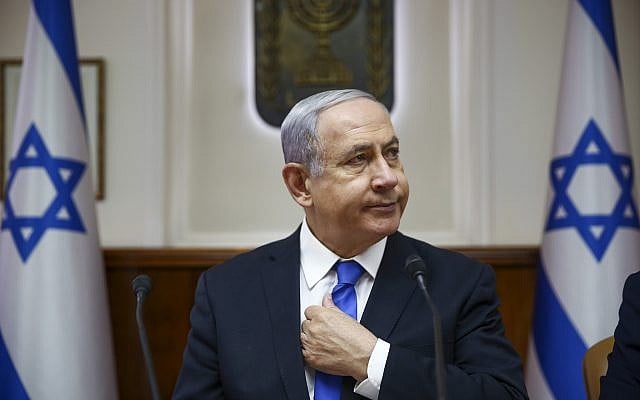
On Sunday, Prime Minister Benjamin Netanyahu rejected criticism of the government for its recent Gaza policies, including granting economic concessions in exchange for Hamas agreeing to put an end to arson attacks and border riots — even as the violence continued unabated.
“I’m not impressed by the propaganda of the ‘experts.’ Many of them give us advice they themselves did not implement when they were on duty,” Netanyahu said ahead of the weekly cabinet meeting at the Prime Minister’s Office in Jerusalem, referring to statements made by political rivals who had formerly served as defense and army chiefs.
The prime minister also warned that Israel may be forced to go to war if there is no end to violence emanating from the Gaza Strip.
“And make no mistake, they will also be the first to criticize us after we embark on a large-scale military operation, which we may be forced to do. So what guides me is only one thing — the security of the State of Israel,” the prime minister said.
“We understand the distress of the communities in the [Gaza] envelope area and we are working to make things as easy as possible,” Netanyahu said. “Last week we imposed heavy sanctions on Hamas including stopping the fuel supply. If necessary, we will act with other, much heavier means. These actions are carried out in consultation with all the security forces.”
Earlier Friday, an Israeli official confirmed that the country had agreed to a number of economic concessions for Gaza in exchange for an end to arson attacks and other violence along the border. Israel agreed to extend the fishing zone off the Gaza coast to 15 nautical miles and also restore the supply of fuel to the Palestinian territory, the official said.
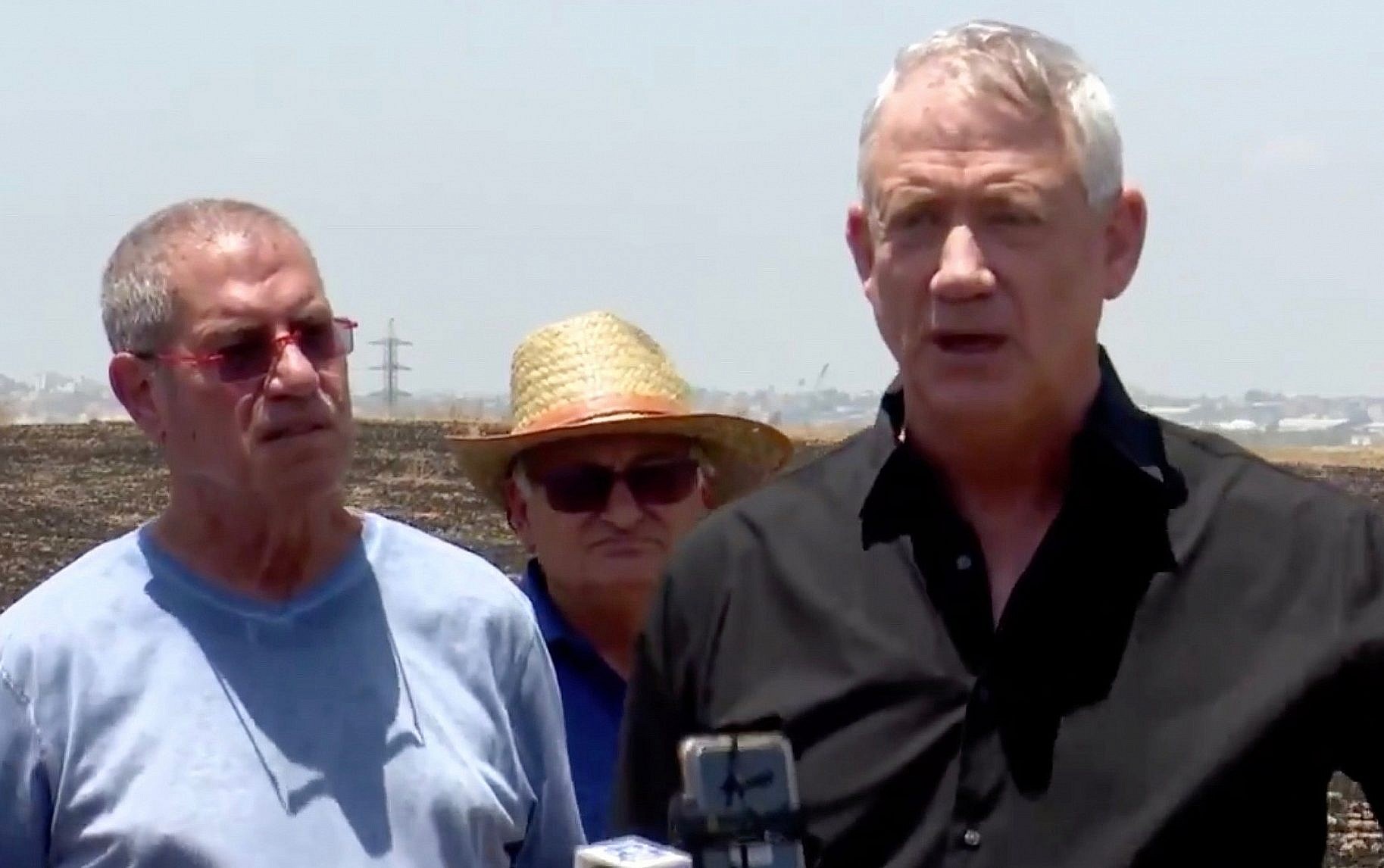
Blue and White party leader MK Benny Gantz railed against Netanyahu over the agreement, joining a chorus of opposition criticism over the premier’s policy toward the Palestinian enclave.
Gantz, a former IDF chief under Netanyahu, called for “strong attacks” on Hamas in response to incendiary balloon launches from Gaza. Israel’s last military foray into Gaza was the 2014 Operation Protective Edge, when Netanyahu was prime minister and Gantz was his army chief of staff.
Netanyahu has previously defended his Gaza policy by saying it was in Israel’s interest to do everything possible to avoid a major military operation in the Strip. Gantz has frequently attacked Netanyahu over Gaza on the campaign trail, but has given few details on what he would do differently if he were prime minister.
Hamas, which seeks to destroy Israel, seized Gaza from the Palestinian Authority in 2007 and has ruled the territory ever since. Israel holds Hamas responsible for all attacks from Gaza.
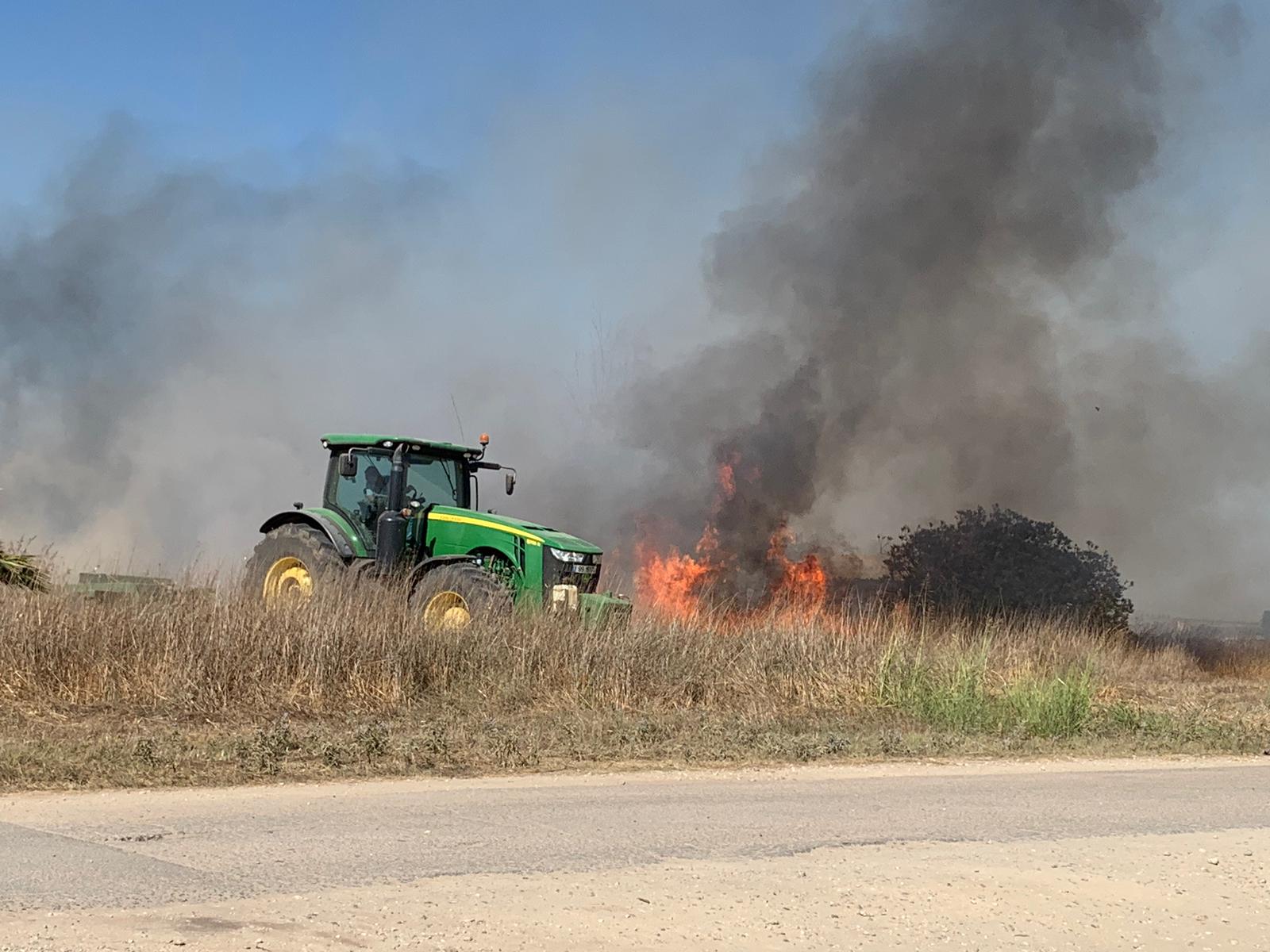
Arson attacks picked up considerably last week, with teams affiliated with Hamas launching hundreds of helium-inflated balloons and condoms carrying incendiary devices and, in some cases, explosives across the border into Israel.
There were no injuries in the blazes caused by those devices, most of which have occurred in agricultural fields and grasslands, but they have caused significant damage to crops and wildlife.
Times of Israel staff contributed to this report.





The Times of Israel Community.