

Lebanon says it will decide in coming weeks on 2nd phase of Hezbollah disarmament plan
After army says state has taken control of all weapons south of the Litani River, minister says will now tackle north of river, rules out possibility of confrontation with terror group
 Add ToI as a Preferred Source on Google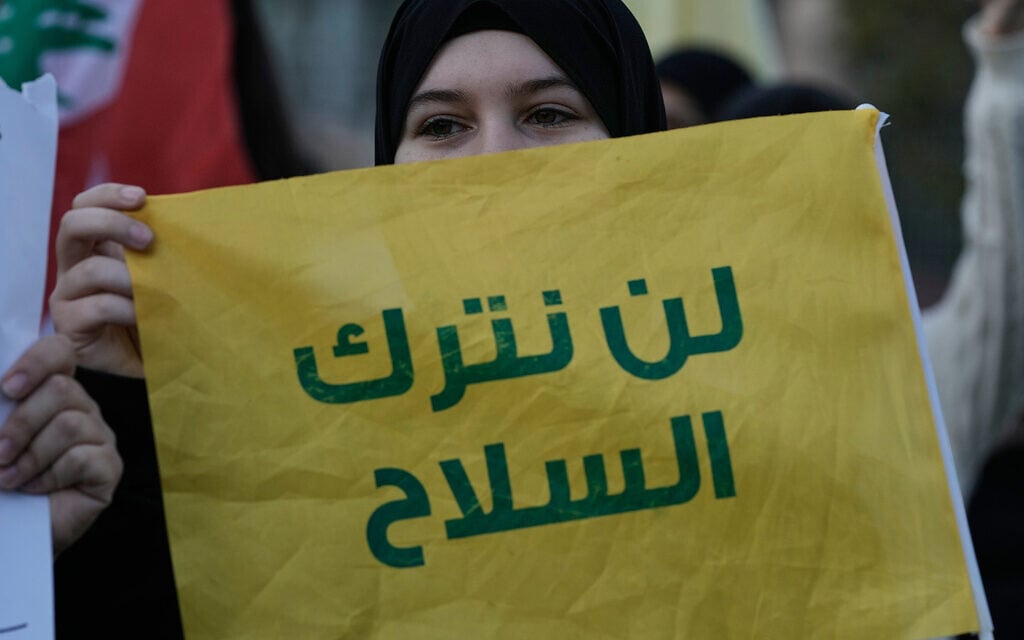
Lebanon’s government will decide next week how to move to the second phase of a plan to extend its authority and place all arms under state control in areas north of the Litani River, its information minister said on Wednesday.
The decision will be based on a presentation by the army outlining its needs and capabilities, the minister, Paul Morcos, told reporters during a visit to Kuwait, where he was attending an Arab meeting.
The Lebanese army said in January that it had taken operational control in the area between the Litani River and the border with Israel. The cabinet asked the army to brief it in early February on how to pursue disarmament in other parts of the country.
“We have completed the first phase, south of the Litani River. Next week the government will take a decision regarding the second phase considering what the army commander sets out in terms of needs and capabilities, so that we can decide accordingly, based on that explanation,” Morcos said.
Lebanon has been seeking to place all arms under state control, in line with a November 2024 US-brokered ceasefire that ended a war between Israel and the Iran-backed Shi’ite Muslim terror group Hezbollah.
Morcos ruled out the possibility of any confrontation between the Lebanese army and Hezbollah, saying the objective was “to extend state authority and achieve stability, and insofar as these goals can be achieved together, we will proceed.”
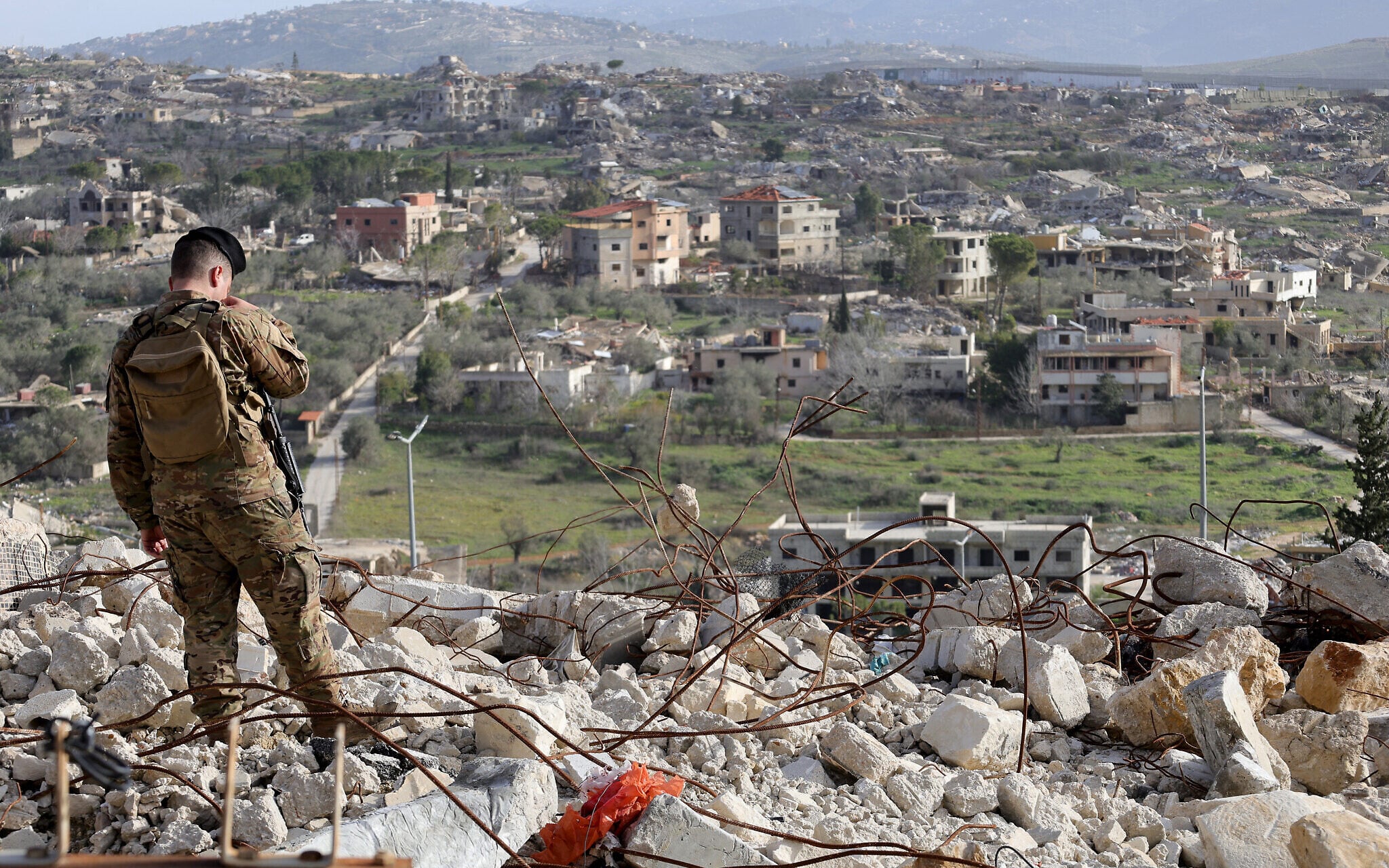
Israel has carried out regular strikes in Lebanon since the end of the war with Hezbollah, killing around 400 people since the ceasefire, according to a toll from Lebanese security sources.
Israel has accused Hezbollah of seeking to rearm in violation of the ceasefire agreement with Lebanon. Hezbollah says it has respected the ceasefire in southern Lebanon.


The Times of Israel Community.