

 From the Liveblog of
Thursday, June 25, 2026
From the Liveblog of
Thursday, June 25, 2026
After Venezuela quake disaster, state comptroller repeats warning that Israel is unprepared
 Add ToI as a Preferred Source on Google
Sue Surkes is The Times of Israel's environment reporter
In the wake of the massive twin earthquakes in Venezuela, the state comptroller reiterates the multiple warnings he has given to authorities in recent years about Israel’s lack of preparedness for a tremor that experts believe is only a matter of time.
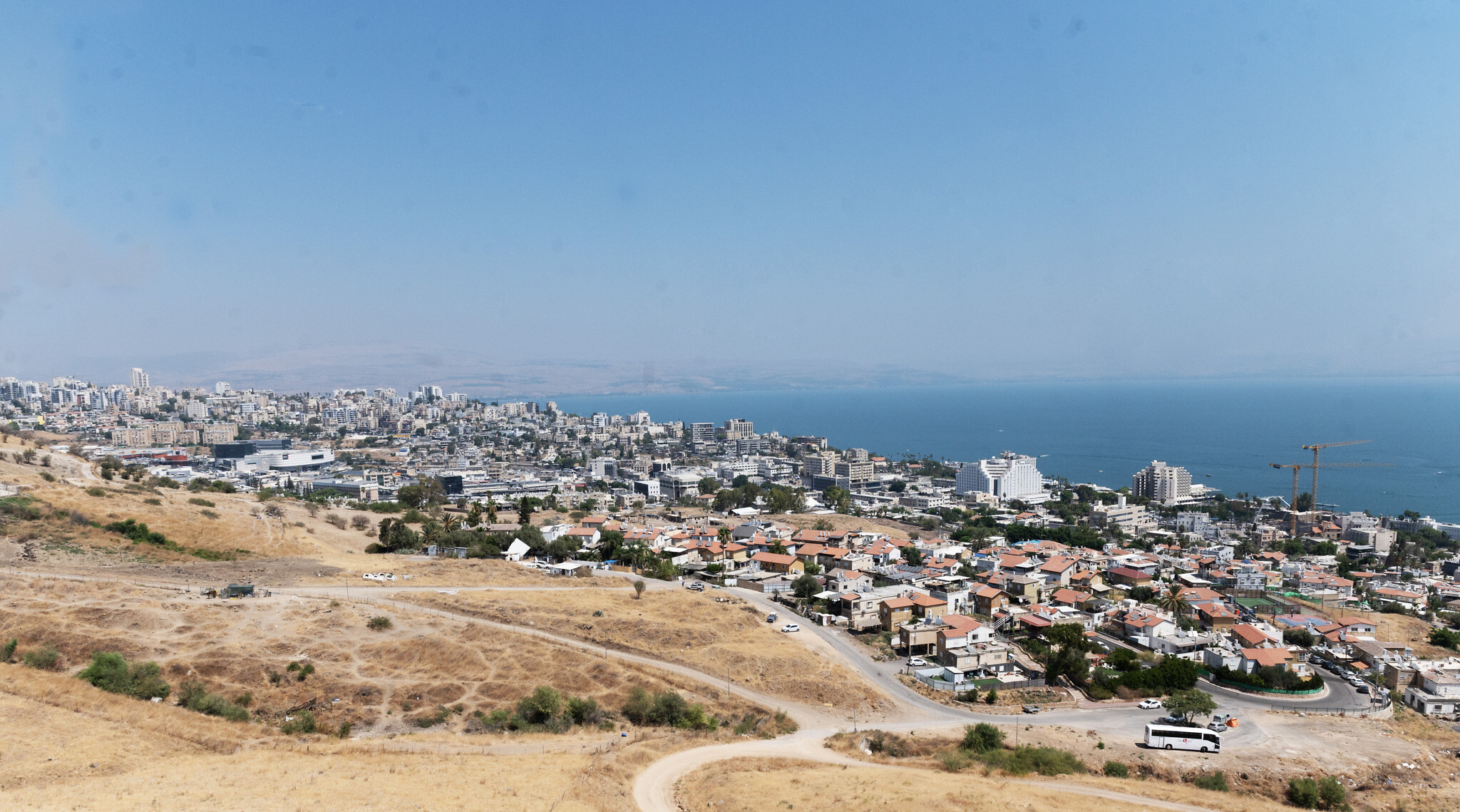
Areas in eastern Israel and the West Bank straddle the seismically active Syrian-African Rift, where a major earthquake occurs every 80 to 100 years. The last major tremor struck in 1927, killing 500 people.
As recently as this month, State Comptroller Matanyahu Englman stated that not enough buildings are being reinforced against earthquakes as part of urban renewal projects.
In earthquake-prone cities such as Beit She’an, Tiberias, Safed and Kiryat Shmona in the north, only 23 buildings since 2017 have been slated for a Pinui Binui urban renewal project — in which old buildings are torn down and replaced with new, reinforced ones — and none of those have gotten to the stage of receiving a construction permit.
In a 2024 report, Englman called on the state to study how other countries prepared for a quake and protected human life while limiting physical damage.
Since 1980, new residential buildings in Israel have been required to comply with Standard 413 for earthquake resistance. However, as the state comptroller warned last summer, 80,000 buildings of three or more stories, housing over 810,000 apartments, were built before this date and remain unreinforced.
Many are in central cities such as Tel Aviv, Holon and Bat Yam. And many public buildings, including hospitals, Magen David Adom emergency services points, and 400 schools, cannot be fortified but must be demolished and rebuilt.
Despite efforts to encourage upgrades through the urban renewal plan Tama 38, only 3,900 buildings — about 5% of those eligible — have been reinforced over two decades, according to a Knesset Research and Information Center report presented to the Knesset Internal Affairs and Environment Committee in November. Another 14% have requested permits.









The Times of Israel Community.