

 From the Liveblog of
Monday, May 4, 2026
From the Liveblog of
Monday, May 4, 2026
Former IDF officer Wajdi Sarhan launches first Druze political party in decades
 Add ToI as a Preferred Source on Google
Ariela Karmel is a political correspondent at The Times of Israel. She previously reported for Calcalist and Haaretz. She holds an MA in Middle Eastern and African History from Tel Aviv University and a BA in Political Science from the University of British Columbia.
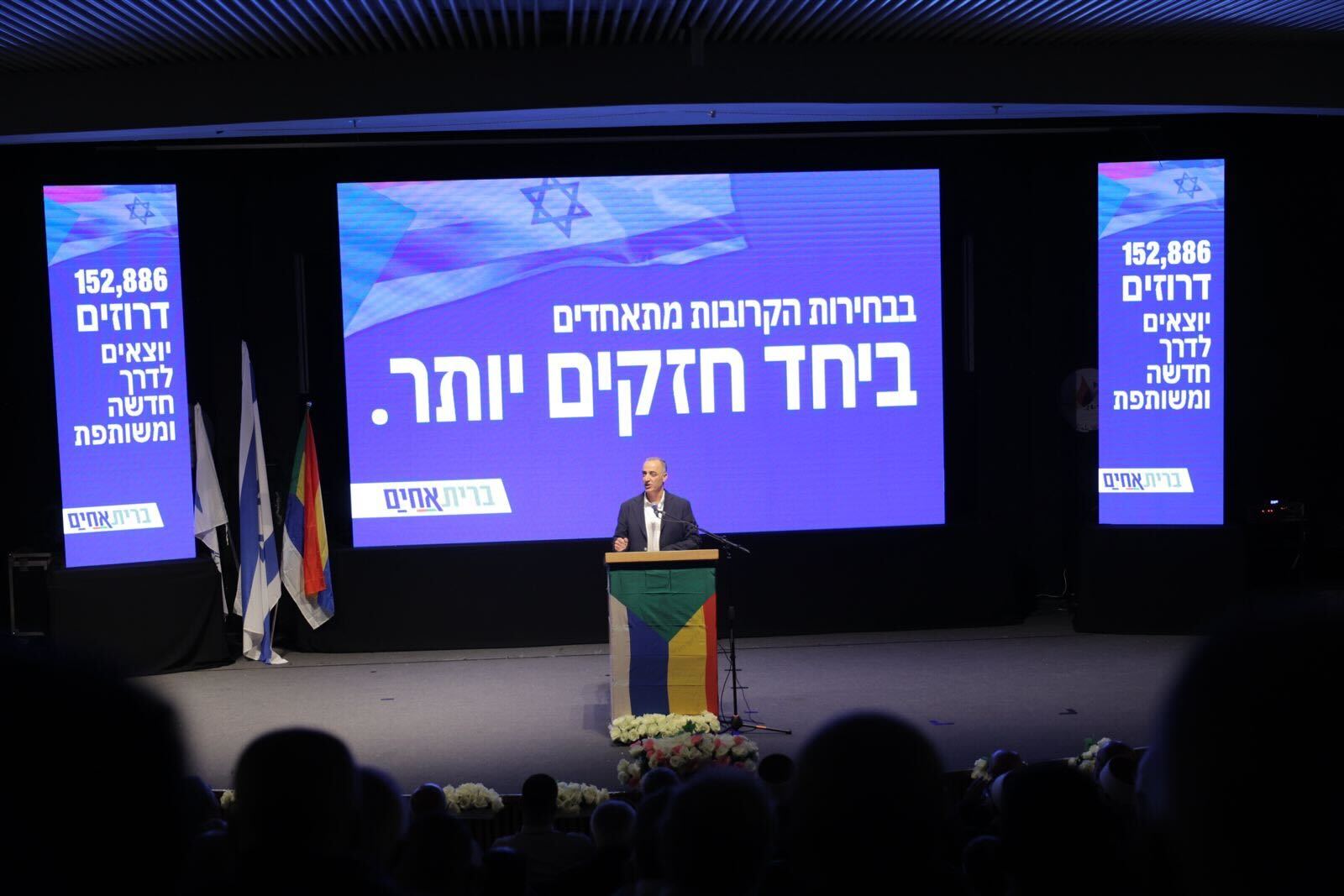
Former IDF Druze Battalion commander Col. (res.) Wajdi Sarhan announces the launch of a new Druze political party called Brit Achim, or “Brothers’ Alliance,” the first independent party representing Israel’s Druze minority in decades.
Unveiling the party in the northern Druze-majority town of Maghar before an audience of hundreds of community leaders, religious figures, and reserve officers, Sarhan says that the initiative departs from the longstanding model of Druze politicians running within major parties, which he argues has failed to serve the community’s interests.
“This is not another attempt to merge with an existing list in exchange for a seat — this is a declaration of an independent political force,” he says. But he adds that the goal of the party is to win around two Knesset seats, which indicates that he is looking to run jointly with another faction, as the minimum number of seats a party can win in elections is four.
Another aspiration of the party is to potentially serve as a kingmaker in elections set for October. Sarhan will head the party, though details of the slate have yet to be announced.
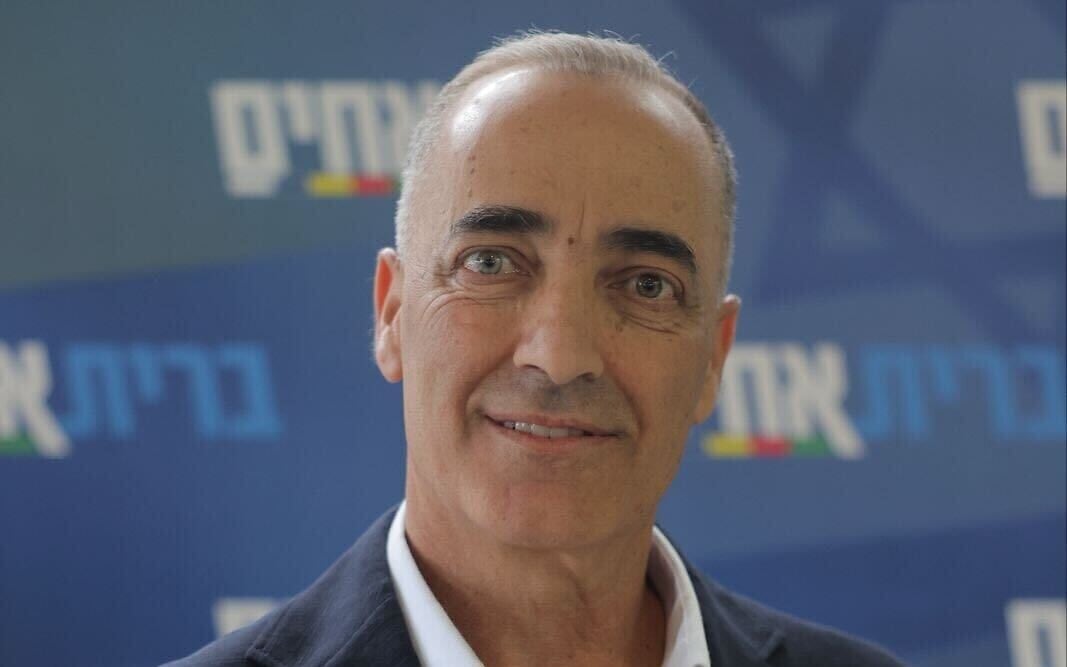
The party is already in talks with other political actors about possible alliances, Sarhan says, but stresses it will maintain its independence to ensure Druze interests are represented in the next Knesset.
A close variation on the party’s name (Brit HaAchim) is already used in Israeli political discourse to refer to the alliance between former prime ministers Naftali Bennett and Yair Lapid. Bennett and Lapid recently merged their factions into a new party, called “Together.”
Sarhan, a well-known officer who fought in the Second Lebanon War, has worked for more than two years to establish an independent Druze party, amid longstanding frustration in the community that, despite its contributions to the state, particularly in military service, its needs have not been prioritized.
Male Druze citizens are required to serve in the IDF, and while the community makes up just two percent of the population, the Druze account for 3% of all career soldiers, according to the military.
“Time and again we were given promises that evaporated the day after elections, and representatives became rubber stamps in the name of party discipline, all at the expense of our children and their future,” Sarhan says, adding that after years of “waiting for others to take care of us, now we understand it depends only on us.”








The Times of Israel Community.