

 From the Liveblog of
Monday, June 2, 2025
From the Liveblog of
Monday, June 2, 2025
French lawmakers set to back bill promoting Alfred Dreyfus, 130 years after antisemitic affair
 Add ToI as a Preferred Source on Google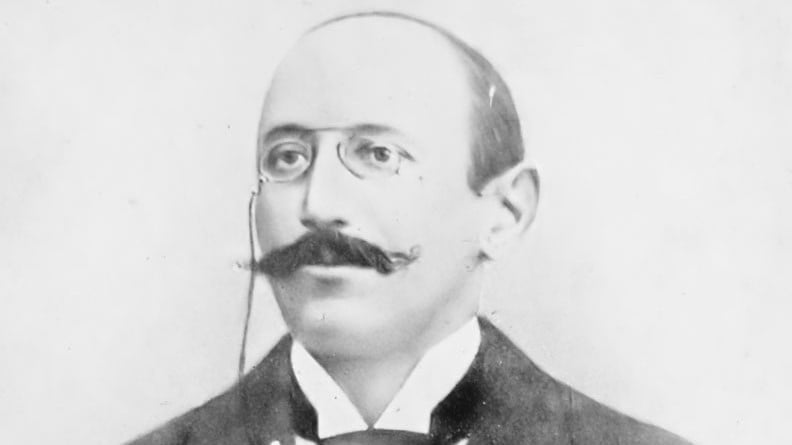
The French parliament is set to back a bill that would promote Alfred Dreyfus, a Jewish French army captain wrongly convicted of treason in 1894, to the rank of brigadier general, in an act of historical reparation for one of the most notorious acts of antisemitism in the country’s history.
The lower house National Assembly, is expected to unanimously approve the legislation, which was put forward by former prime minister Gabriel Attal, who leads President Emmanuel Macron’s centrist Renaissance party.
The bill will then head to the upper house Senate, for debate on a date yet to be fixed.
The symbolic promotion of Dreyfus, whose condemnation came against a backdrop of the late 19th century’s rampant antisemitism in the French army and wider society, comes at a time of growing alarm over hate crimes targeting Jews in the country.
Dreyfus, a 36-year-old army captain from the Alsace region of eastern France, was accused in October 1894 of passing secret information on new artillery equipment to the German military attache.
The accusation was based on a comparison of handwriting on a document found in the Germans’ waste paper basket in Paris.
Dreyfus was put on trial amid a virulent antisemitic press campaign. But novelist Emile Zola then penned the famous “J’accuse” (“I accuse…”) pamphlet in favor of the captain.
Despite a lack of evidence, Dreyfus was convicted of treason, sentenced to life imprisonment in the infamous Devil’s Island penal colony in French Guiana, and publicly stripped of his rank.
But Lieutenant Colonel Georges Picquart, head of the intelligence services, reinvestigated the case in secret and discovered the handwriting on the incriminating message was that of another officer, Ferdinand Walsin Esterhazy.
When Picquart presented the evidence to the general staff of the French army, he was driven out of the military and jailed for a year, while Esterhazy was acquitted.
In June 1899, Dreyfus was brought back to France for a second trial. He was initially found guilty and sentenced to 10 years in prison, before being officially pardoned — though not cleared of the charges.
Only in 1906, after many twists, did the High Court of Appeal overturn the original verdict, exonerating Dreyfus.
He was reinstated with the rank of major. He served during World War I and died in 1935, aged 76.
But the backers of the new bill believe that in a society without discrimination, he would have risen to the top of the French army.









The Times of Israel Community.