

 From the Liveblog of
Tuesday, November 3, 2026
High Court blasts Knesset Speaker Ohana for blocking new state comptroller vote, but doesn’t intervene
 Add ToI as a Preferred Source on Google
Jeremy Sharon is The Times of Israel’s legal affairs and settlements reporter
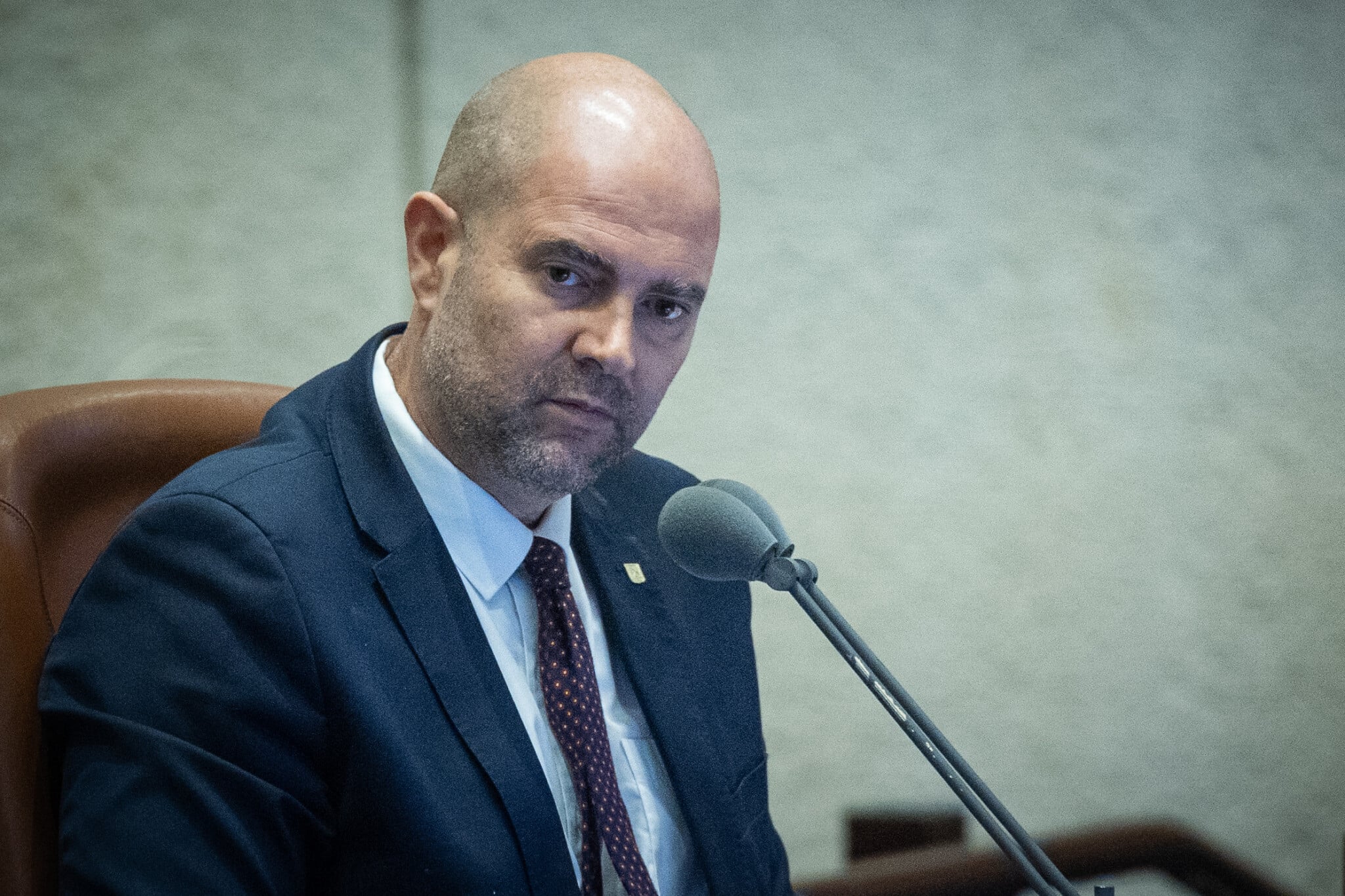
The High Court of Justice lambastes Knesset Speaker Amir Ohana for undermining democratic governance and harming both the rule of law and the public interest, over his refusal to hold a new election for the position of state comptroller despite a court order instructing him to do so “as quickly as possible.”
The court rejects a petition asking it to order Ohana to hold a new election, however, stating that since the petition was filed so close to the recent general election, it is no longer practical to order Ohana to repeat the ballot, while also noting that court precedent has determined that a Knesset in the last days of its recess before being replaced, as is currently the case, should not make substantive decisions.
“The duty to obey and respect court rulings is a fundamental condition of a democratic regime that operates according to the principle of the rule of law,” writes Justice Ruth Ronen in a sharp reprimand of Ohana’s behavior.
“This duty rests on the public as a whole, and all the more so on the governing authorities, which are not above the law,” continues Ronen.
“Dismissing the petition does not constitute approval of the Knesset speaker’s grave conduct… The severe harm that this conduct causes to the public interest to protect the rule of law, particularly when it is committed by a governmental official, cannot be accepted,” she adds, noting that Ohana’s conduct also damaged “the standing of both the Knesset and the court.”
In light of Ohana’s defiance of the court, Ronen awards costs amounting to NIS 10,000 ($3,160) against the speaker and the Knesset.
In July, the High Court of Justice ruled that violations by coalition MKs of the requirement that the vote for state comptroller be held by secret ballot meant that a repeat of the marred second round of voting should be held “as quickly as possible.”
Ohana refused to call a new vote, however, stating publicly in August that he was proud to have defied the court by refusing to set a date to repeat the ballot, prompting a petition to the High Court asking it to order the Knesset speaker to set a date for the election.
In August, it emerged that 10 government employees who had submitted complaints to the State Comptroller’s Office about alleged corruption in government ministries and agencies since the previous state comptroller left office had been refused protection under whistleblower laws, since there is no serving state comptroller and only the comptroller himself is empowered to grant such protection.
Ronen is joined in the unanimous decision by Supreme Court President Isaac Amit and Justice Chaled Kabub.








The Times of Israel Community.