

 From the Liveblog of
Tuesday, February 3, 2026
From the Liveblog of
Tuesday, February 3, 2026
In reversal, High Court rules for government’s position on appointing civil service commissioner
 Add ToI as a Preferred Source on Google
Jeremy Sharon is The Times of Israel’s legal affairs and settlements reporter
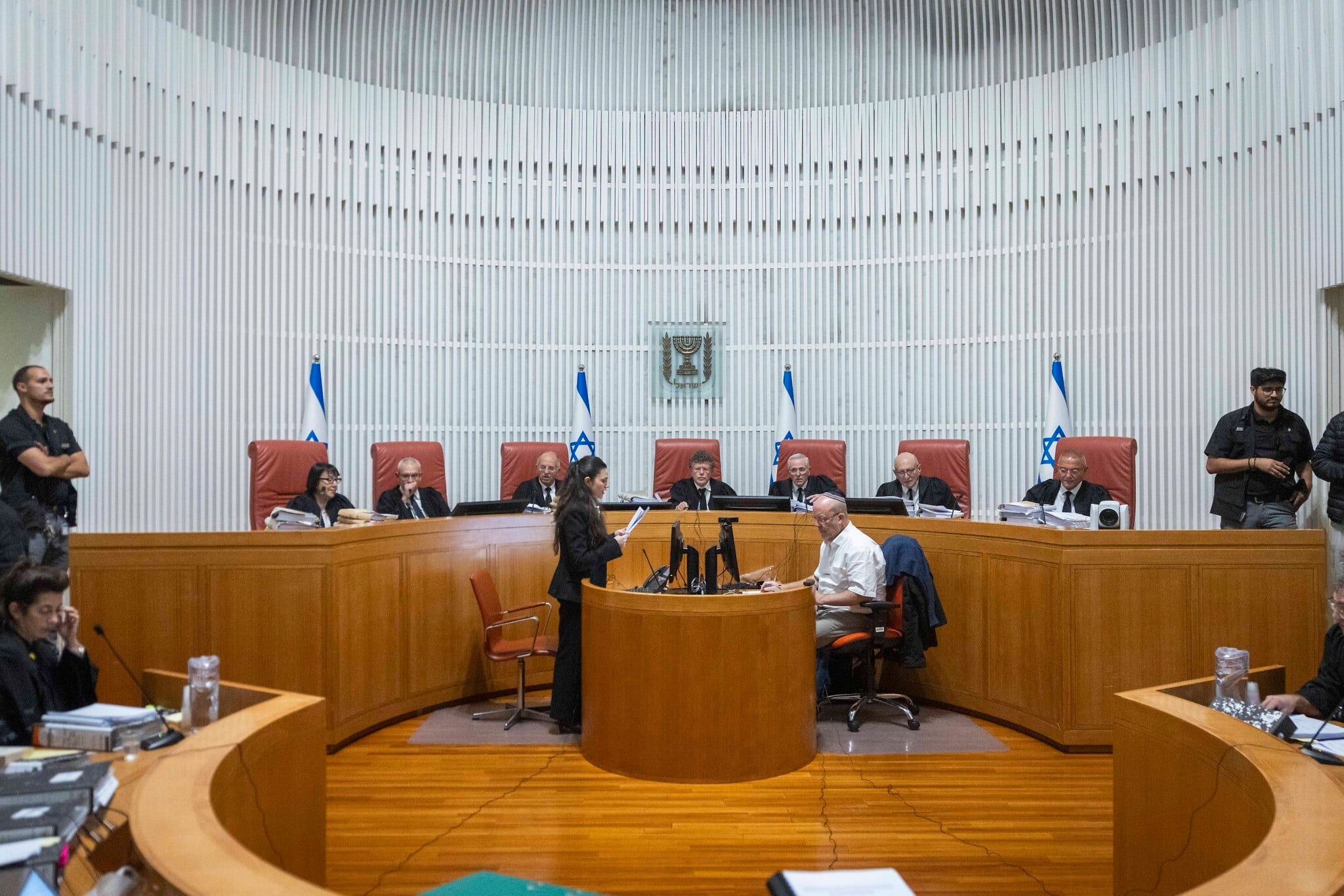
An expanded panel of the High Court of Justice rules in favor of the government’s position that the civil service commissioner does not need to be appointed in a competitive process, reversing a ruling of a smaller panel, which included Supreme Court President Isaac Amit, that had blocked the government’s proposed appointment process.
The ruling is a blow to Amit, who wrote the majority opinion in May 2025 that the Civil Service commissioner must be appointed in a competitive process to guarantee the independence, impartiality, and apolitical nature of the role.
In today’s ruling by the expanded panel, three of Amit’s colleagues overturned that decision, with Amit himself and Justice Daphne Barak-Erez dissenting.
The ruling is also a rebuke to Attorney General Gali Baharav-Miara, who opposed the government’s position and backed requiring a competitive process.
Writing for the majority, Justice David Mintz points out that the appointments law does not require a competitive process. He also rules there is no room for judicial intervention, since there was no flaw in the government’s decision-making not to have a competitive process, and pointed out that a previous High Court ruling on the issue had upheld this position.
Mintz also rejects claims by petitioners against the government, who said that the government had used non-pertinent considerations to formulate its decision not to have a competitive selection process.
Mintz writes that a distinction must be made between “the law as it is and the law as might be desirable,” noting that even if a competitive process may improve the selection process for the civil service commissioner, that is not a sufficient reason to oblige the government to do so.
Joining Mintz in the majority are Deputy Supreme Court President Noam Sohlberg and Justice Yael Wilner.
The Movement for Quality Government in Israel, one of the petitioners against the government’s appointment process, describes the ruling as “the most severe injury to the ethos of Israel’s civil service,” “a substantial retreat from the principles of proper administration,” and a ruling that could pave the way for political appointments to the position.










The Times of Israel Community.