

Live Update  From the Liveblog of
Tuesday, March 3, 2026
From the Liveblog of
Tuesday, March 3, 2026
From the Liveblog of
Tuesday, March 3, 2026
Iran will not ‘automatically’ fall after Khamenei’s death, shah’s widow says
 Add ToI as a Preferred Source on Google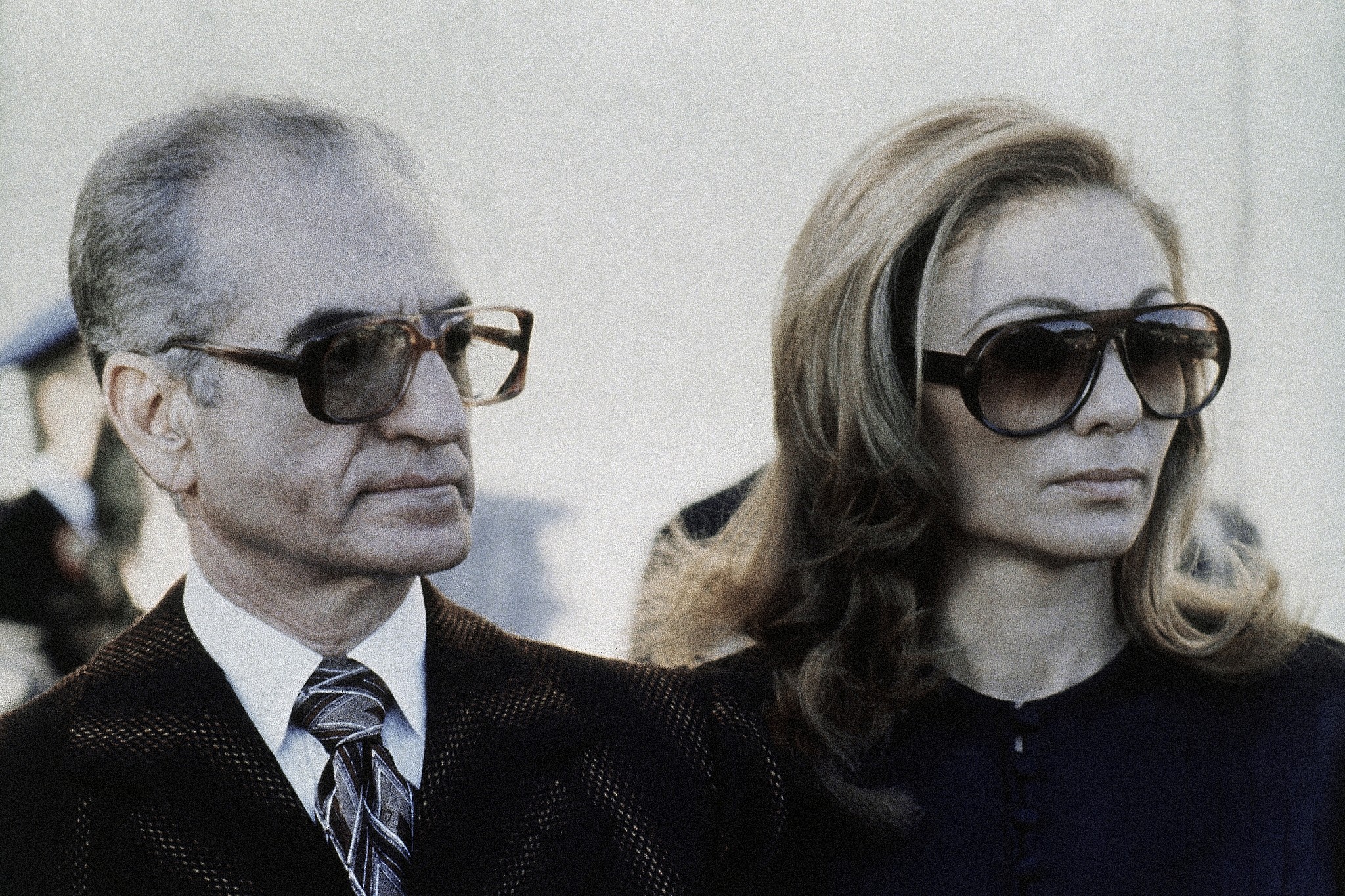
The Shah of Iran Mohammad Reza Pahlavi and wife Empress Farah Pahlavi of Iran during a visit to Aswan, Egypt in 1979. (AP Photo/Bill Foley)
The killing of Iran’s supreme leader, Ali Khamenei, is “historically significant” but will not “automatically” lead to the fall of the Iranian system, the widow of the country’s last shah tells AFP in an interview Tuesday.
“The passing of a man — however central he may be to the architecture of power — does not automatically mean the end of a system,” says Farah Pahlavi, who has lived in exile in Paris since being driven out of Iran in the 1979 Islamic Revolution.
“What will be decisive,” she says, is “the ability of the Iranian people to unite around a peaceful, orderly and sovereign transition to a state governed by the rule of law,” which she adds her son Reza Pahlavi “is in the process of preparing.”







If you’d like to comment, join
The Times of Israel Community.
The Times of Israel Community.
JOIN THE TOI COMMUNITY
Already a member? Log in here