

 From the Liveblog of
Sunday, January 18, 2026
From the Liveblog of
Sunday, January 18, 2026
Israeli, Arab pressure persuaded Trump against Iran strike — report
 Add ToI as a Preferred Source on Google
Lazar Berman is The Times of Israel's diplomatic reporter
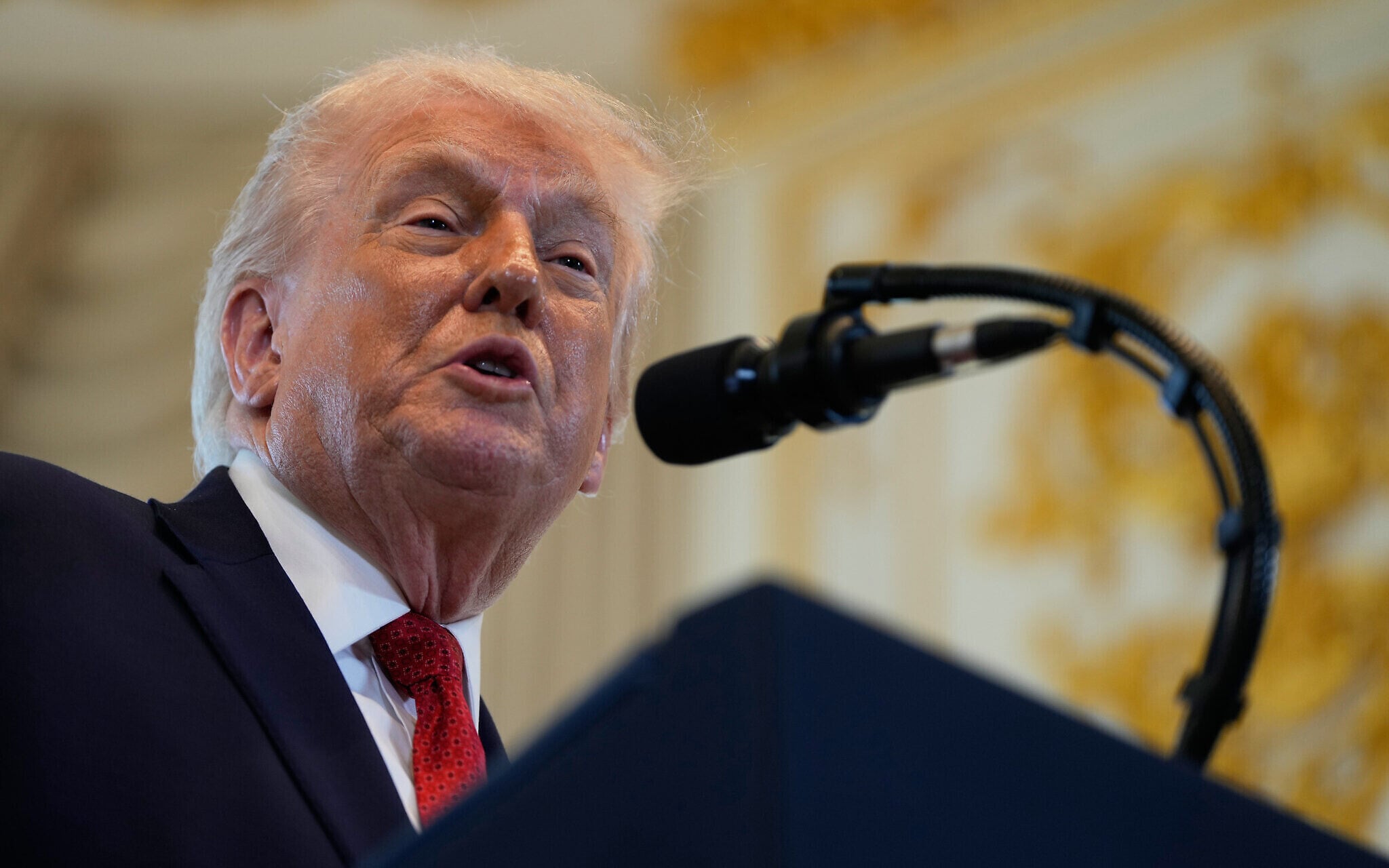
The US military was waiting for a green light from US President Donald Trump to strike Iran last week, but he decided against pulling the trigger under pressure from Israel and Arab allies, Axios reports.
The report cites four US officials, two Israeli officials, and two sources with knowledge of the details.
The US’s initial intelligence assessment was that the anti-regime protests in Iran were too contained to threaten the survival of the regime, but that position changed on January 8 when the massive protests hit Tehran and other major cities, according to the report.
The first high-level meeting on a potential military response was chaired by US Vice President JD Vance on January 9, reports Axios.
Iran’s Foreign Minister Abbas Araghchi contacted top Trump envoy Steve Witkoff that same weekend to open a de-escalation channel.
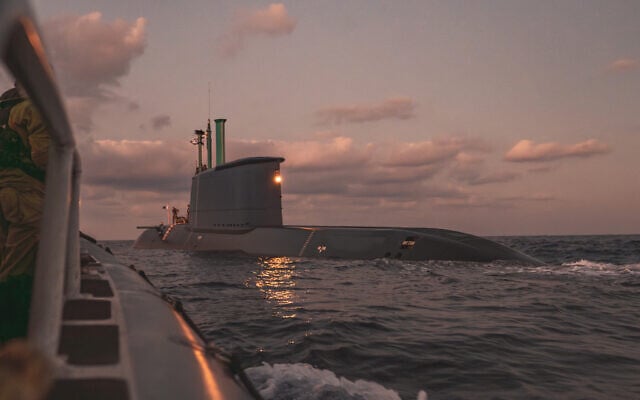
Trump chaired his first meeting on the protests on January 13, and was presented with several options for strikes, including from US naval ships and submarines.
According to Axios, Trump chose his favorite option and ordered preparations to be completed. According to a US official, a strike plan was ready that day but not approved.
The next day, January 14, saw US troops evacuate from US bases in Qatar as administration officials waited for an expected attack order from Trump.
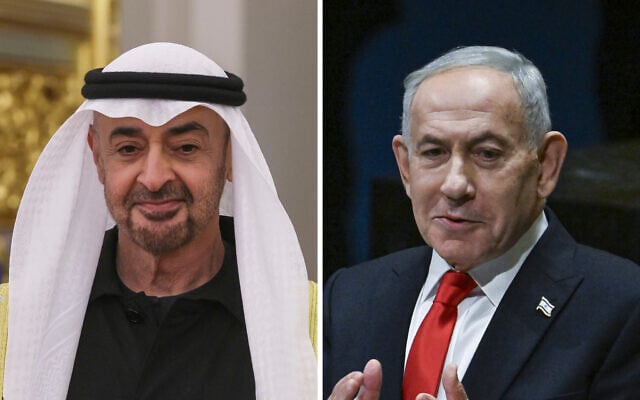
Prime Minister Benjamin Netanyahu also called Trump that day to tell him Israel wasn’t ready to defend itself if Iran attacked the Jewish state after an American attack, and that the US plan wouldn’t achieve its goal.
Saudi Crown Prince Mohamed bin Salman also urged Trump not to attack, citing the need for regional stability, according to the report.
Araghchi texted Witkoff that morning pledging to not execute protesters and to “stop the killing,” two US officials tell the outlet.
In the afternoon meeting Trump held with his top national security advisers, “he wanted to continue monitoring the situation,” says a White House official. “It was really close. The military was in a position to do something really fast, but the order didn’t come,” says another US official.
Some of the officials who spoke to Axios say that the US didn’t have the necessary assets in the region, and that they “sort of missed the window.” However, a White House official denies that, arguing that the US has what it needs “to execute on many of the options presented to the president, if he were to choose them.”






The Times of Israel Community.