

 From the Liveblog of
Tuesday, July 14, 2026
From the Liveblog of
Tuesday, July 14, 2026
Knesset debates Haredi enlistment freeze ahead of final vote after overnight coalition standoff
 Add ToI as a Preferred Source on Google
Ariela Karmel is a political correspondent at The Times of Israel. She previously reported for Calcalist and Haaretz. She holds an MA in Middle Eastern and African History from Tel Aviv University and a BA in Political Science from the University of British Columbia.
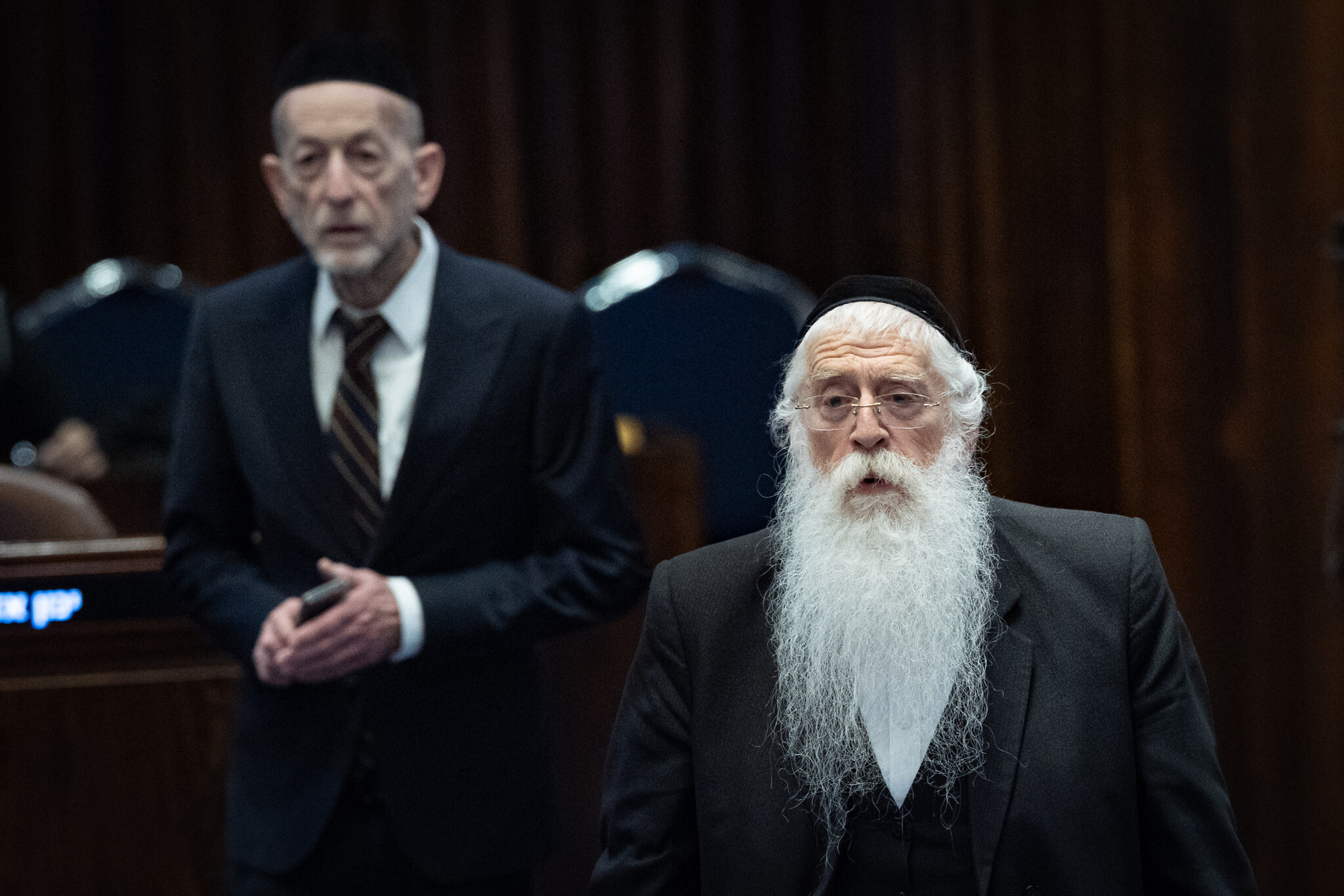
The Knesset begins debating legislation to freeze the arrest of ultra-Orthodox men evading military service ahead of a final vote later today.
The coalition capitulated to Haredi demands to immediately advance the bill, ending a brief overnight coalition crisis over the bill’s position on the day’s agenda.
The bill grants tens of thousands of Haredi draft evaders immunity from arrest until November 30 and extends that protection to those who become eligible for military service after the law takes effect, effectively eliminating the threat of arrest during that period.
It has drawn fierce opposition from the IDF, reservists, opposition lawmakers, Knesset legal advisers, and much of the public.
Yesterday, IDF Chief of Staff Lt. Gen. Eyal Zamir said the “inconceivable” proposal was “clearly and unequivocally inconsistent with the IDF’s needs.” He also said that the IDF could not and would not be responsible for overseeing the process of “providing mass exemptions from prosecution,” as the bill requires.
While the coalition aims to pass the measure today, it may lack the votes to do so, as Finance Minister Bezalel Smotrich’s Religious Zionism has not committed to backing the bill amid growing anger among its base over concessions to the ultra-Orthodox on military service.
The debate follows a crisis that erupted shortly after the Knesset approved the controversial Basic Law for Torah Study late last night, when United Torah Judaism MK Moshe Gafni demanded lawmakers immediately advance the arrest-freeze bill and threatened to boycott all other coalition legislation until it was brought to a vote.
Religious Zionism, meanwhile, insisted that legislation backed by its lawmakers, including bills that would gut the powers of the attorney general — one of the few checks on executive power — and expand gender-segregation in academia, take priority on the agenda.
Plenum proceedings were suspended until a compromise was reached, even as Knesset committees advanced other legislation overnight, including Communications Minister Shlomo Karhi’s media overhaul and the extension of mandatory military service to 32 months, from 30.
The enlistment freeze bill is part of a broader agreement between Prime Minister Benjamin Netanyahu and the ultra-Orthodox parties, under which the Haredi factions agreed to back a series of coalition priorities in exchange for measures aimed at protecting yeshiva students from military service.
The coalition is racing to pass the bills before the Knesset dissolves on Friday ahead of the October 27 election.






The Times of Israel Community.