

 From the Liveblog of
Tuesday, May 5, 2026
From the Liveblog of
Tuesday, May 5, 2026
Rubio: Around 23,000 people trapped on ships in Persian Gulf due to Iran’s blockade
 Add ToI as a Preferred Source on Google
Jacob Magid is The Times of Israel's US bureau chief
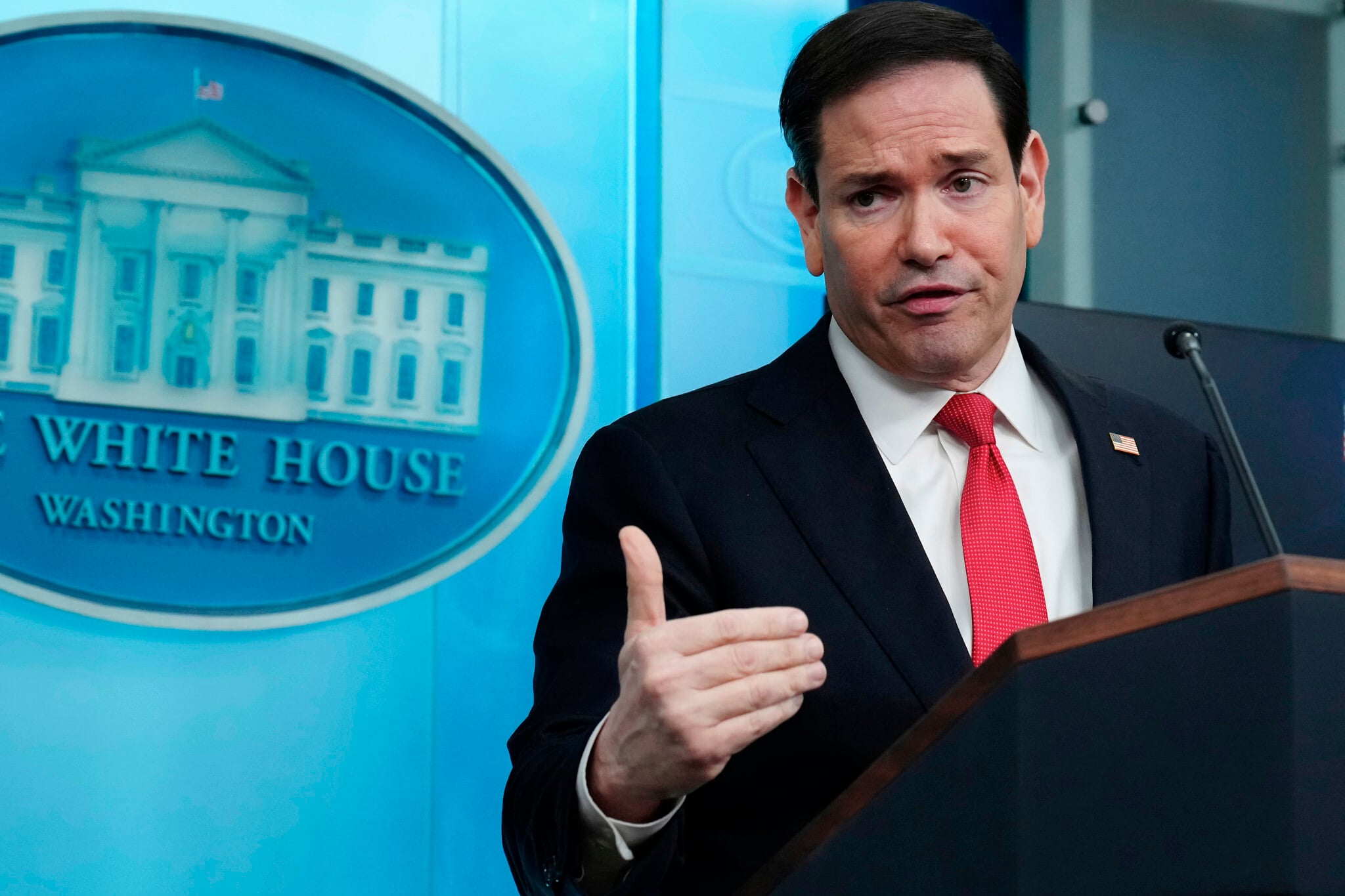
US Secretary of State Marco Rubio says Washington decided to launch Project Freedom in order to rescue some 23,000 civilians from 87 countries who are currently on ships trapped in the Persian Gulf due to Iran’s closing of the Strait of Hormuz.
“These innocent sailors and commercial crew members have been stranded out at sea” because of Iran’s blockade, Rubio says in opening remarks at a White House press briefing, adding that those stranded for weeks are running out of food and water and that at least 10 sailors have already died.
Iran on April 17 announced the reopening of the Strait of Hormuz but proceeded to continue harassment of ships after the US said it would maintain a blockade of Iranian ports in order to hold Tehran’s feet to the fire in negotiations for a permanent end to the war.
Rubio says many nations reached out to the US for assistance in restoring freedom of navigation in the Strait of Hormuz, leading Trump to authorize Project Freedom over the weekend.
Trump has “directed the United States military to guide these stranded ships to safety, to provide a protective bubble under which they can operate,” Rubio continues.
US officials have privately clarified that US vessels will not be physically escorting individually stranded ships.
“This is the first step toward reopening the strait and bringing this regime’s last-ditch act of economic arson to a close,” Rubio says.
The US secretary of state stresses that Project Freedom is a defensive operation, meaning US forces will not open fire unless shot at first.
He says two US-flag merchant ships have already been successfully extracted from Hormuz as a result of Project Freedom, though roughly 2,000 vessels are said to remain.
“The goal here is to establish a transit zone protected by a bubble of US naval and air assets that allows ships to move through it and reach the market to begin to increase confidence in the ability to do so,” Rubio adds.





The Times of Israel Community.