

 From the Liveblog of
Monday, October 28, 2024
From the Liveblog of
Monday, October 28, 2024
US still waiting to see if Hamas serious about negotiations after Sinwar killing
 Add ToI as a Preferred Source on Google
Jacob Magid is The Times of Israel's US bureau chief
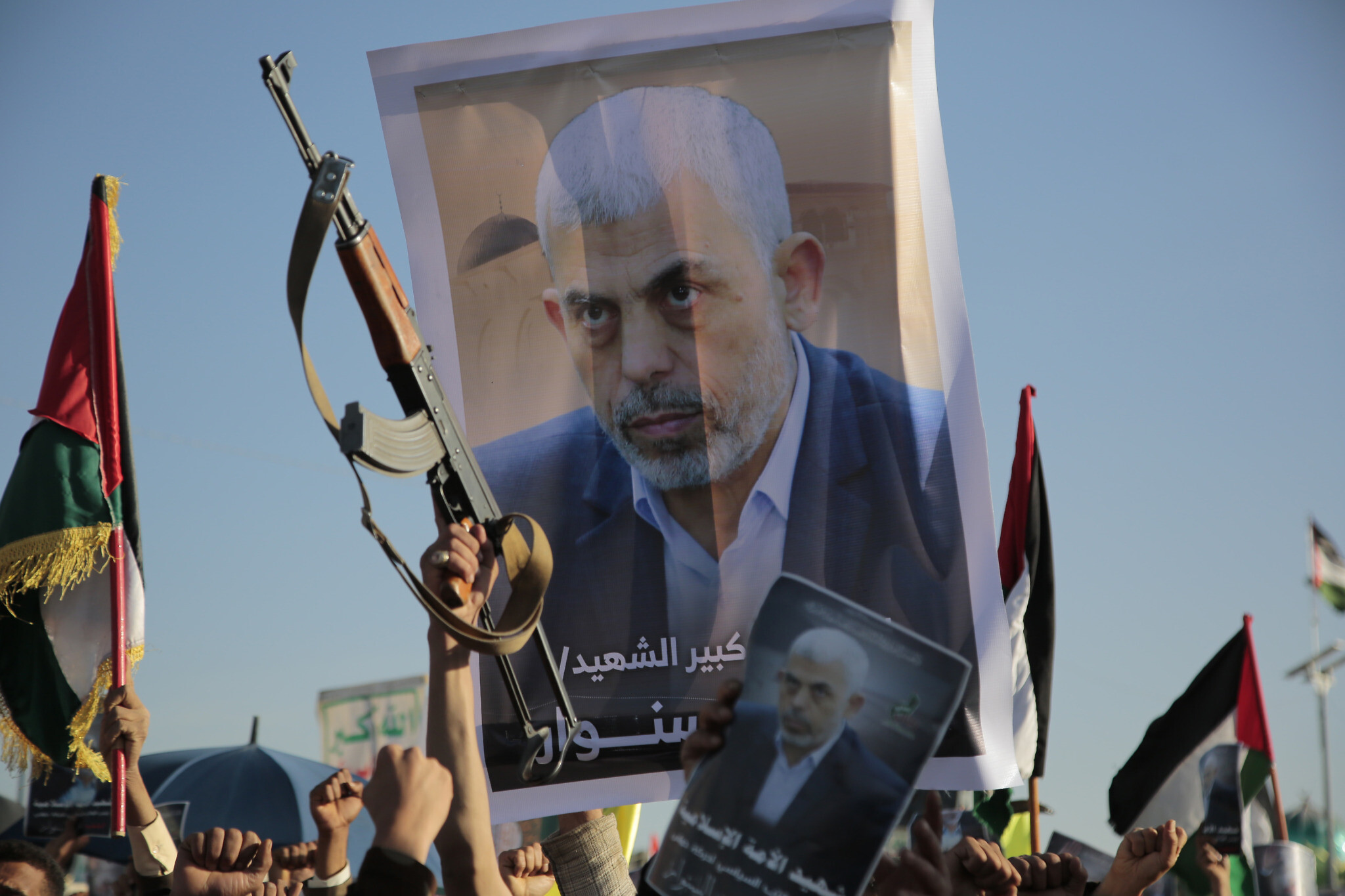
US State Department spokesperson Matthew Miller says the Biden administration is still waiting to see whether Hamas is prepared to credibly engage in hostage negotiations, following Israel’s killing of its leader Yahya Sinwar earlier this month.
US Secretary of State Antony Blinken held talks with regional stakeholders while in the region last week, in order to determine whether there are new formulations of the deal that has been on the table for months that might lead to a breakthrough. That effort is ongoing, Miller says during a press briefing hours after top US and Israeli mediators met in Doha.
Hamas has yet to appoint a new leader to replace Sinwar and is currently being run by a council. “At some point, they will go through a process to select a new leader, and I think the results over the next few weeks will determine whether there has been a change in their posture,” Miller says.
The State Department spokesperson says Sinwar was the main obstacle in talks before his death, refusing to budge on the proposal that Hamas submitted in July. That offer contained a number of new conditions and was rejected by Prime Minister Benjamin Netanyahu who decided to add his own new requirements for a deal, including that Israel be able to maintain its force presence in the Philadelphi and Netzarim Corridors. Talks have been at an impasse ever since.
Miller notes that Israel has achieved a number of its war aims, namely the significant degradation of Hamas’s military capabilities and the killing of its top leaders, appearing to express his hope that Jerusalem will be more willing to agree to a deal to end the war.
Asked about the recently reported Egyptian proposal for Hamas to free four Israeli hostages in exchange for a two-day ceasefire and the release of some Palestinian security prisoners, Miller declines to comment, but says that the US is generally supportive of humanitarian pauses.
Pressed on whether Qatar should be using its role as a host to Hamas leaders in order to pressure the terror group in the talks, Miller strongly hails Doha’s efforts in the negotiations.
“What we have seen from the government of Qatar since the immediate aftermath of October 7 is an intense focus on doing everything it can to reach an agreement that would get the hostages home and ultimately end the war, and they continue to stay incredibly focused on that,” Miller says.
He notes Blinken’s warning to countries in the Mideast that “there can be no more business as usual with Hamas” following October 7. However, Miller stresses that the office that Qatar hosts for Hamas leaders is an important one that should continue to exist because it is needed in order to secure the release of the remaining hostages in Gaza, who include American citizens.




The Times of Israel Community.