

Ministers okay bill preventing police from recommending charges
State attorney slams move to limit officers’ ability to provide their opinions on cases, says their insights crucial
 Add ToI as a Preferred Source on Google
Stuart Winer is a breaking news editor at The Times of Israel.
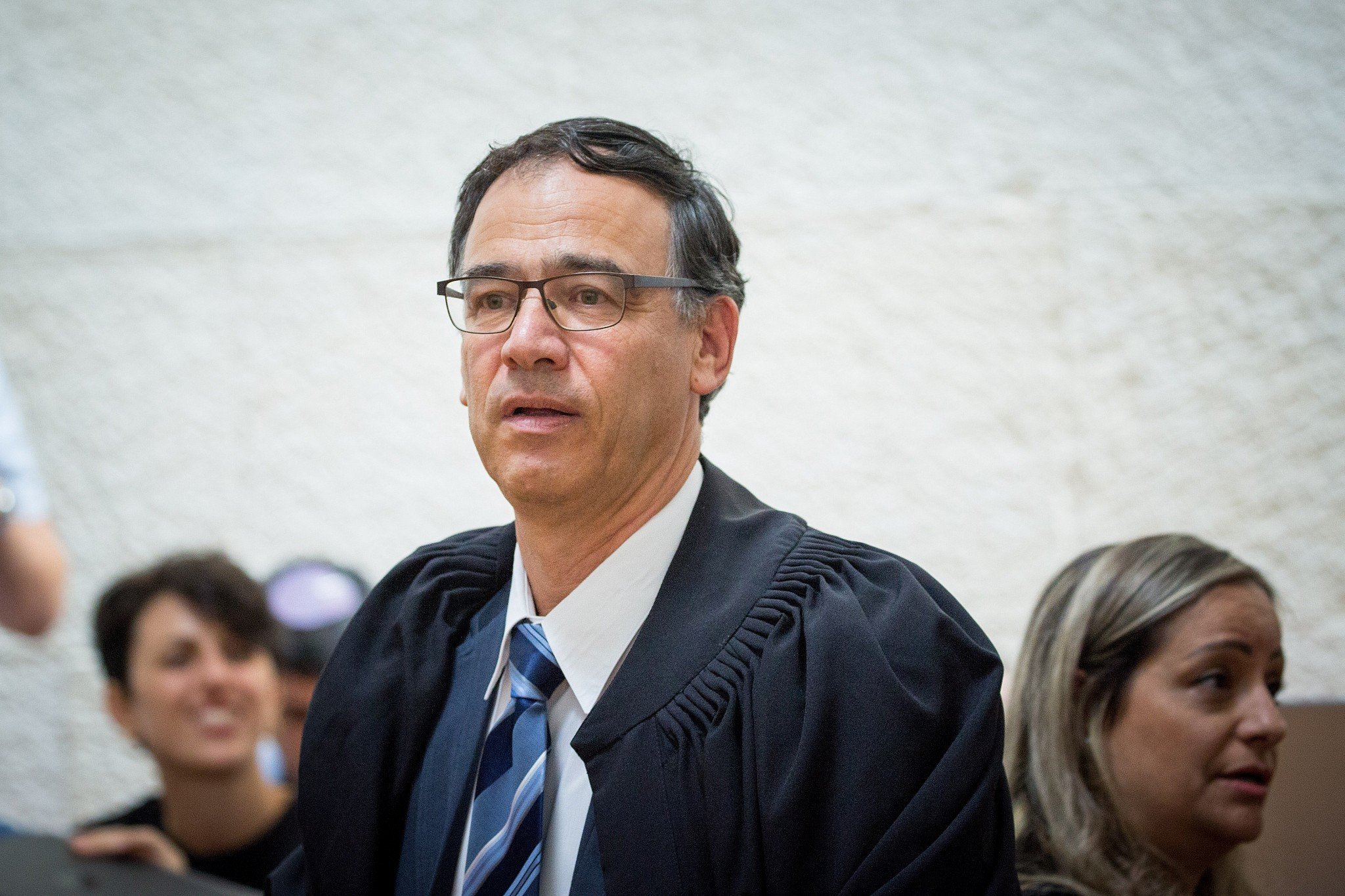
The Ministerial Committee for Legislation on Sunday approved a bill that would ban police from giving state prosecutors their opinion at the conclusion of an investigation. The bill is opposed by both police and the attorney general.
Although police don’t recommend outright whether to file indictments, they do provide prosecutors with a summary that notes whether there is a body of evidence showing a crime was committed. The proposed bill is widely understood as an attempt to prevent officers from influencing the prosecution’s decisions on indictments.
The statement noted that the bill will focus on investigations where there is an accompanying state prosecutor — as is the procedure for probes involving public officials — and that rather than giving a documented opinion, police will only provide a summary of the discussions about the investigation.
State Prosecutor Shai Nitzan attended the ministerial meeting, apparently at the behest of Justice Minister Ayelet Shaked, who reportedly has reservations about the legislation and wants to see it altered. Supporters of the bill say it will reduce the pressure on prosecutors to file charges.
Nitzan clarified that under current procedures police don’t recommend whether or not to file an indictment but rather inform prosecutors of the body of evidence. Without that advice, prosecutors will have to read in detail the material from each case in order to formulate an opinion, work that will require hiring many more attorneys, he warned.
“The bottom line is I will need another 100 positions,” Nitzan said.
“I also don’t see the point of the proposed bill,” he continued. “It will cause a tortuous legal process for the suspects and the plaintiffs… [and] The public has the right to know if police believe there is a body of evidence.”
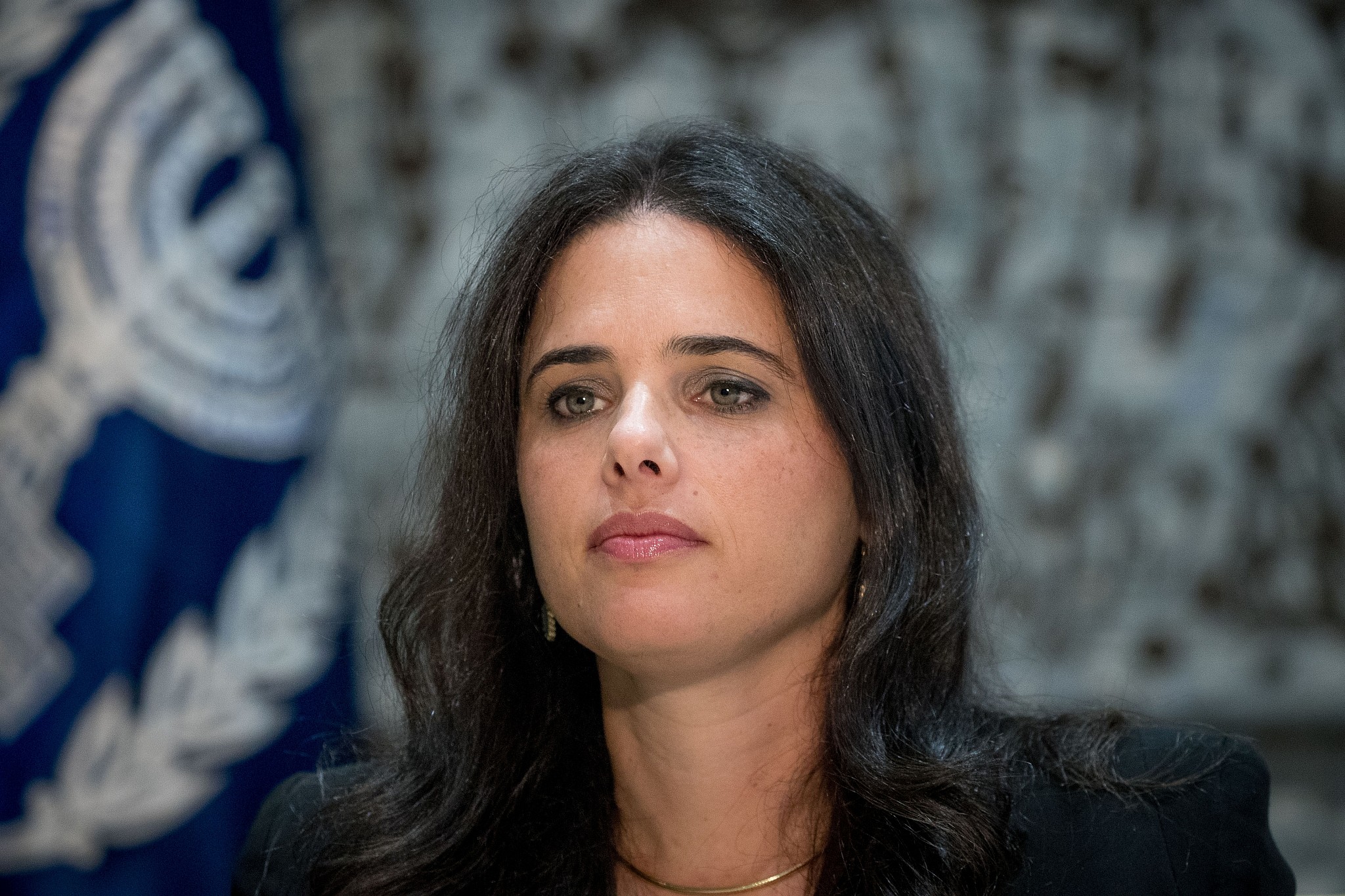
In investigations of public officials, the State Prosecution is tasked with deciding whether to press charges or not, based on the investigation carried out by the police.
Although the current police summaries are internal documents shared only with state prosecutors, in high-profile cases involving public officials conclusions have been leaked to the media.
“Whether or not there is a written recommendation won’t make any difference if it is leaked, and we need to fight with all our might against leaks,” Nitzan said. “You can’t rule based on the few cases that were leaked when there are tens of thousands of cases.
“As far as I’m concerned, there is significance to police recommendations,” he said. “I want to hear them because they were involved…. I don’t see any value in silencing the police.”
Public Security Minister Gilad Erdan also reportedly expressed opposition to the bill.
“There is no way to finish an investigation and transfer the file to prosecutors without the investigators attaching to it their professional opinion and their assessment regarding the evidence they gathered,” he said, according to Channel 2.
The bill is seen as part of a spate of recent legislative efforts by coalition politicians to make it harder for prosecutors to charge public officials.
Attorney General Avichai Mandelblit, who has been critical of those efforts, said last Thursday that he feels he is under attack from antagonists who aren’t playing by the rules of the game.
In an audio recording published by Army Radio, Mandelblit could be heard complaining during a closed-door meeting of current and former officials in the attorney general’s office.
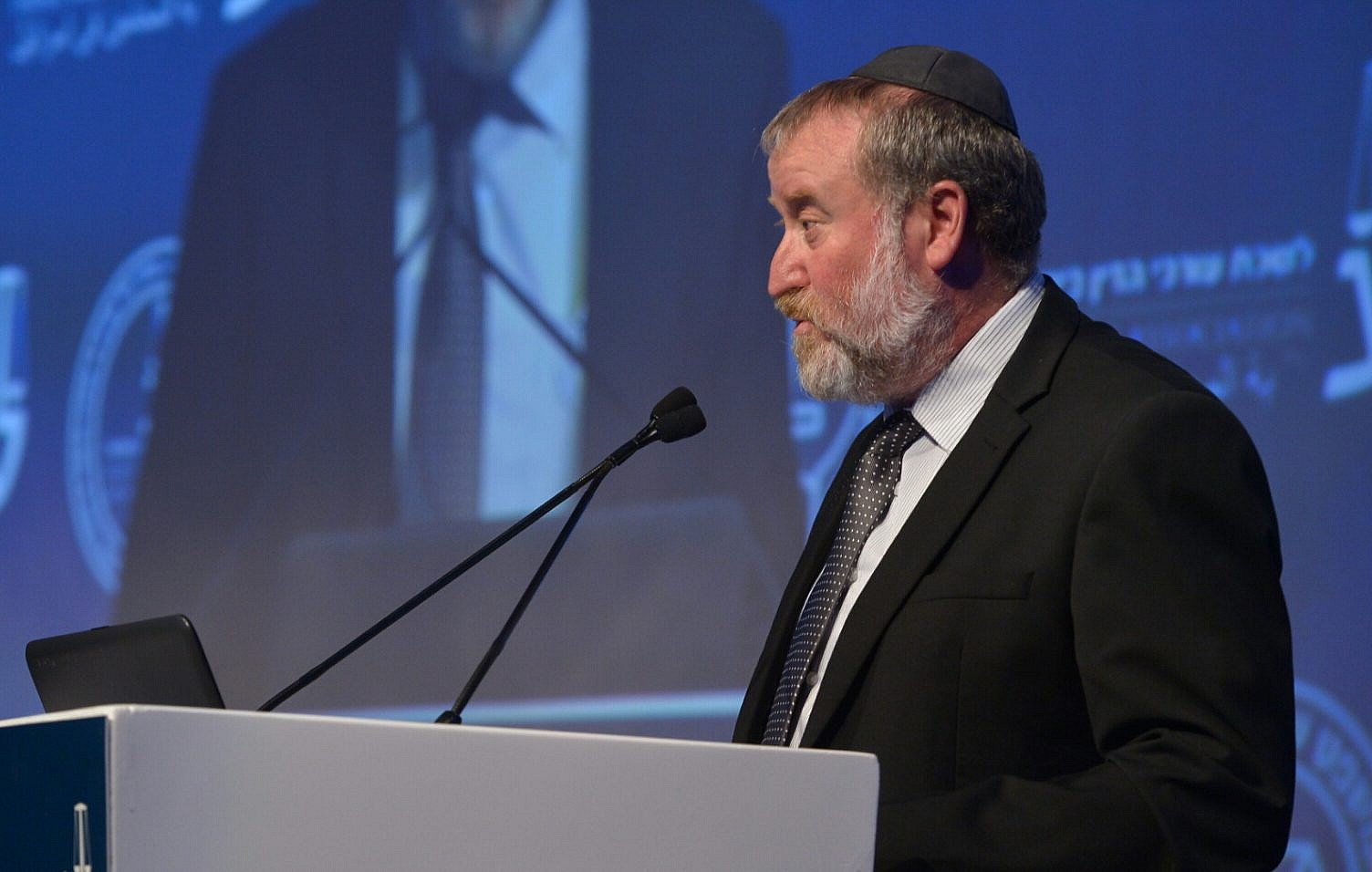
In the recordings, which were apparently made without Mandelblit’s knowledge, he is heard comparing his situation in the face of pressure from politicians to being in an unfair fight.
“I can’t behave the way they do,” he said. “Someone compared it to asymmetrical warfare. One party is committed to the laws of war and the other is not obligated by them. I feel like I’m in the same situation.
Referring to three bills in particular that he has publicly opposed, Mandelblit added, “The most disturbing thing these days, really, is the multiplicity of proposals that are meant to hurt us all.”
He was speaking about the bill preventing police from attaching a summary at the end of an investigation, an initiative to grant a serving prime minister immunity from investigations, and a move to change the process of appointment for legal advisers to government ministries.
The prime minister indemnity bill, nicknamed the “French bill” after similar legislation in France, has encountered obstacles in parliament and among coalition members. It was not raised for debate last Sunday in the Ministerial Committee for Legislation amid opposition to the draft from Netanyahu himself.
The proposed legislation comes as Netanyahu is being investigated in two corruption cases.
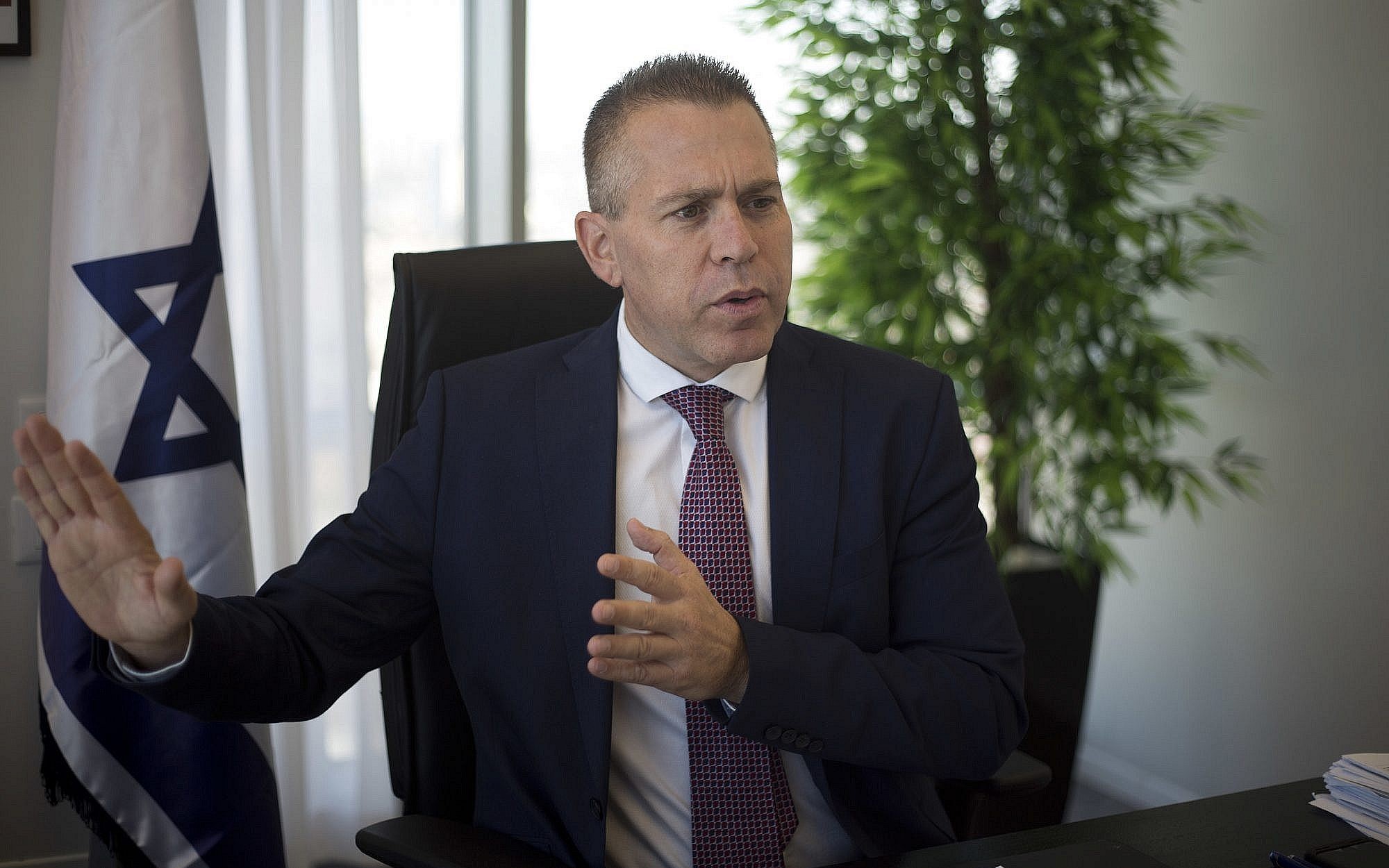
On Sunday, Channel 2 news reported police would question the prime minister later in the day over the two investigations, known to police by their codenames “1000” and “2000.”
Case 1000 relates to allegations that Netanyahu and his wife, Sara, received illicit gifts from billionaire benefactors, most notably hundreds of thousands of shekels’ worth of cigars and champagne from the Israeli-born Hollywood producer Arnon Milchan.
Case 2000 involves a suspected illicit quid-pro-quo deal between Netanyahu and Yedioth Ahronoth newspaper publisher Arnon Mozes that would have seen the prime minister hobble a rival daily, the Sheldon Adelson-backed Israel Hayom, in return for more favorable coverage from Yedioth.
The prime minister denies any wrongdoing in either case.
Times of Israel staff contributed to this report.








The Times of Israel Community.