

Mothers who have episiotomy in first delivery more likely to need one in next
Researchers at Ben-Gurion University say alternative should be found for women who require the procedure
 Add ToI as a Preferred Source on Google
Shoshanna Solomon was The Times of Israel's Startups and Business reporter
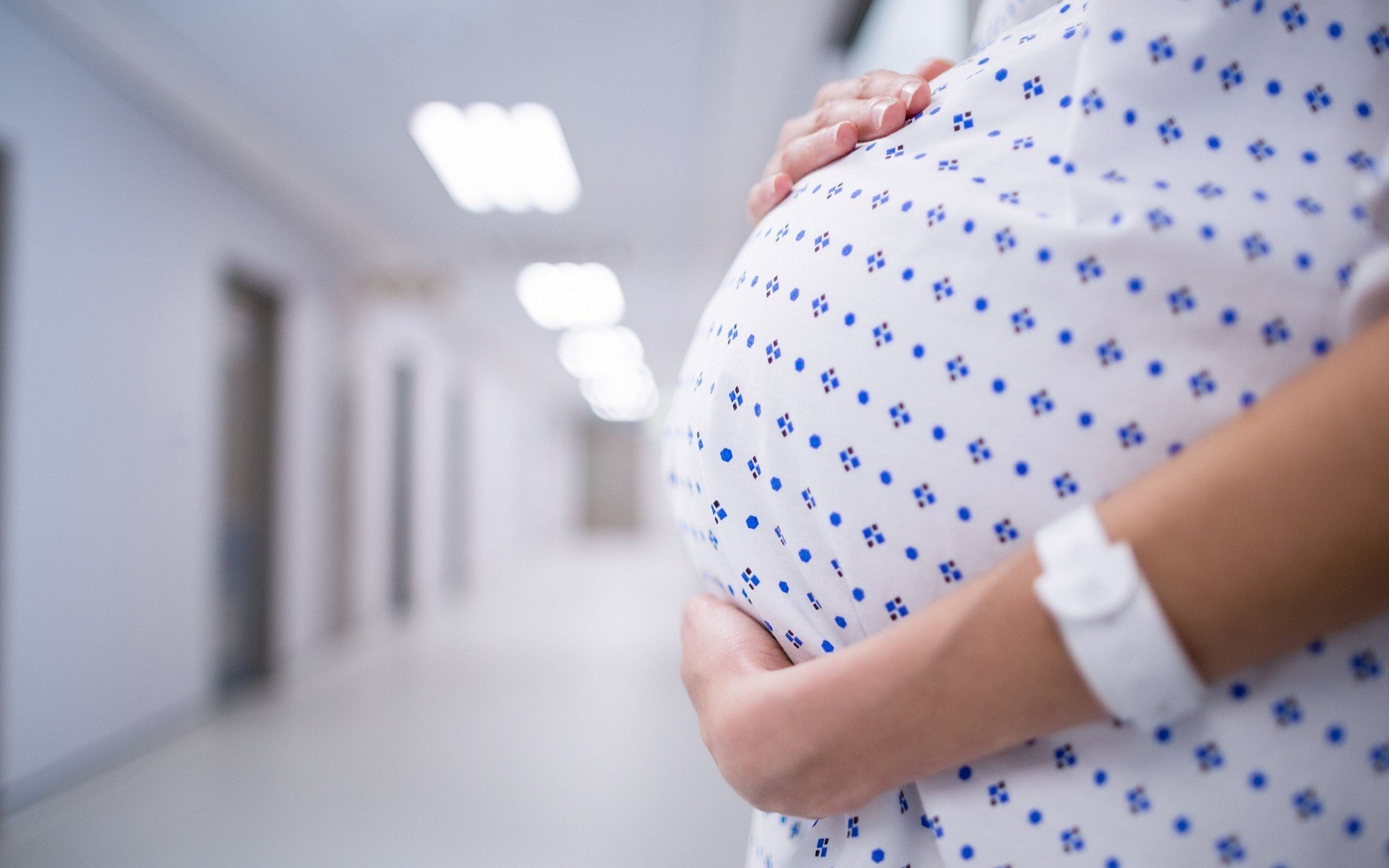
Mothers who have an episiotomy during their first delivery are more likely to require the procedure in subsequent deliveries, according to researchers from Ben-Gurion University of the Negev and Soroka University Medical Center in Beersheba,.
An episiotomy is a surgical cut made at the opening of the vagina during childbirth to help a difficult delivery and prevent tissues from rupturing. While episiotomies can help accelerate risky deliveries and prevent significant lacerations, possible side effects include increased blood loss, inflammation, pain, infection, deformed anatomy, and sexual dysfunction.
In a study published last month in Archives of Gynecology and Obstetrics, “Once episiotomy, always episiotomy?” BGU researchers said that women who had an episiotomy during their first delivery had a higher likelihood for future perineal tissue tears requiring surgical incisions during childbirth.
After they studied more than 43,000 deliveries at Soroka over 24 years, from 1991 to 2015, the researchers found that 17.5 percent of mothers who had an episiotomy during their first delivery required repeat procedures, while only 3.1% of those who did not have an episiotomy the first time required one.
“To the best of our knowledge, this is the largest study to date that investigated whether an episiotomy in one delivery influences the outcomes of the next one,” said Dr. Ayala Zilberman, the lead researcher from BGU and Soroka, in a statement on Tuesday.
In 2006, the American Congress of Obstetricians and Gynecologists recommended against routine episiotomy, and in 2008, the National Quality Forum said that limiting routine episiotomy is an important measure of quality and patient safety. Subsequently, the episiotomy rate in the United States dropped from 17.3% in 2006 to 11.6% in 2012. The World Health Organization recommends epistomy rates should at 10%.
“The major finding of this study is that there is an association between episiotomy in the first delivery and repeated episiotomy and perineal damage,” said Zilberman. “Now we must focus on using alternative methods to protect this high-risk group” of women who need such procedures.
In addition to Zilberman, the BGU research team consisted of Dr. Eyal Sheiner, vice dean for student affairs at BGU’s Faculty of Health Sciences and chair of the Department of Obstetrics and Gynecology at Soroka; Dr. Orit Barrett, PhD candidate in BGU’s Faculty of Health Sciences; and Dr. Tali Silberstein and Dr. Batel Hamou, also of the Department of Obstetrics and Gynecology, Soroka.










The Times of Israel Community.