

Netanyahu left with vague promises after another war ends without a decisive win
Trump moves toward talks with Tehran that could send billions to regime and fuel its rearmament, as the PM appears unable to land a knockout blow against Israel’s foes in Gaza, Lebanon and Iran

 Add ToI as a Preferred Source on Google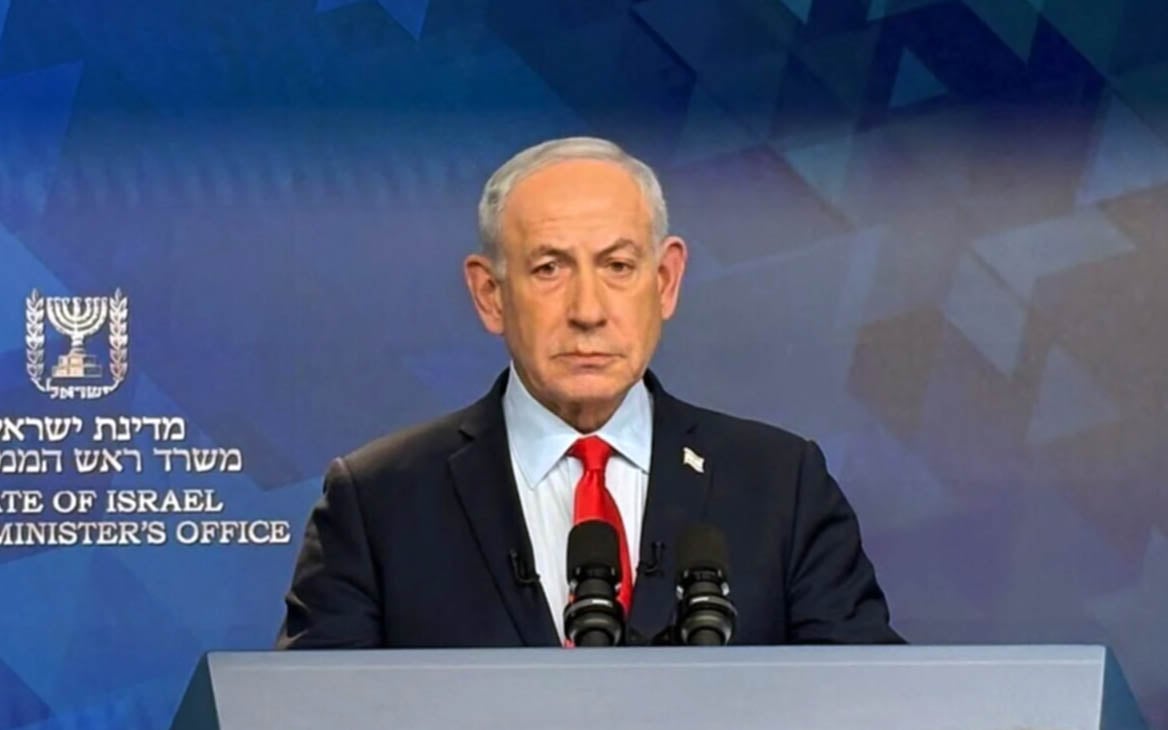
And this, it seems, is how it may end.
Not with the dramatic death of Iran’s “whole civilization,” in the words of US President Donald Trump’s threat, but a two-week ceasefire with Iran that looks likely to leave the Islamic Republic in a position to survive and rebuild after nearly 40 days of war.
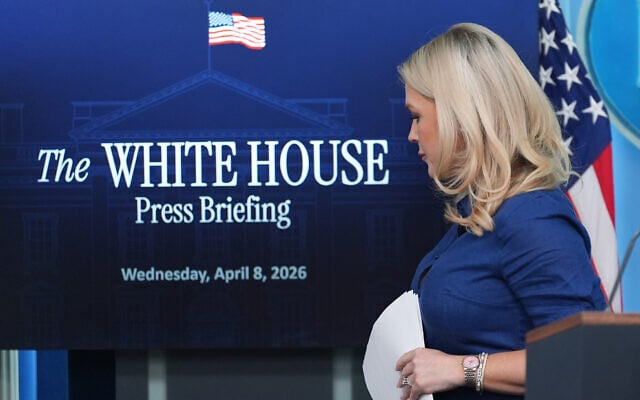
The Trump administration, of course, is saying that it won.
“This is a victory for the United States of America,” crowed White House Press Secretary Karoline Leavitt.
Israel, which wanted to keep fighting, has been more circumspect, with Prime Minister Benjamin Netanyahu saying Israel “has more goals to complete,” in a video statement released after the ceasefire between the US and Iran took effect.
“We will achieve them,” he promised.
“Nothing is over yet,” said Foreign Minister Gideon Sa’ar. “I don’t see how it is possible to bridge the positions of the US and Iran.”
Government leaders have obvious reasons to sell the abrupt end to the fighting as a temporary measure, though the prospect of Trump bringing the US back into an unpopular war without a clear path to achieving his goals appears remote.
“Trump killed the thing,” a senior security cabinet member told the Kan public broadcaster. “There is not going to be a return to fighting in two weeks. As it stands, the Iranians are free to rebuild.”

Trump and his team are using two central claims as evidence of their stated victory.
First, he says that Iran will not be allowed to enrich uranium and that the highly-enriched uranium under destroyed nuclear sites will be taken out of the country, an issue that Netanyahu said he and Trump “see eye to eye” on.
Second, the US — as well as Israel — is boasting about the fact that Iran agreed to reopen the Strait of Hormuz as evidence that Tehran was forced to give in.
Both those claims are suspect.
There is no sign that Iran has agreed to any concessions regarding its nuclear ambitions. If Tehran does come to terms on elements of its rogue nuclear program during upcoming talks in Pakistan, it will demand the end of sanctions, which will pour tens of billions of dollars into the country.
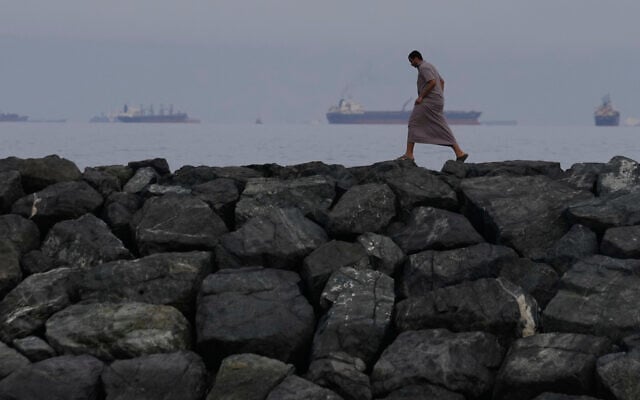
And the reopening of Hormuz, if it happens, would be a curious “achievement” to brag about. The waterway was open before the war and Iran is now insisting it will charge fees on ships transiting through the strait.
If that is granted, Iran would bring in many millions of dollars every day. An Iranian official estimated the Islamic Republic could earn up to $80 billion a year from Hormuz fees, well over Israel’s entire defense budget.
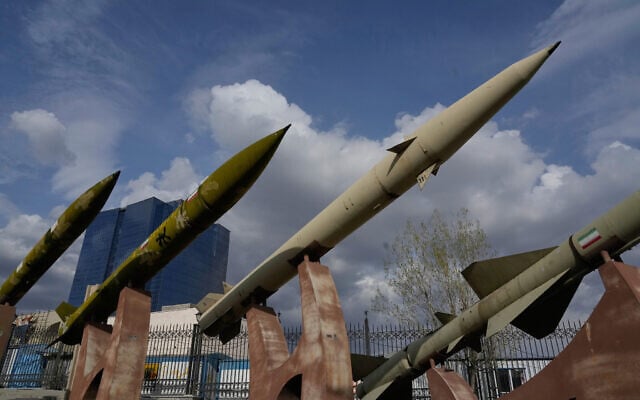
Iran’s military and leadership were badly damaged, without a doubt. Still, military capabilities can be rebuilt, especially if money is flooding into a country that has consistently shown it will prioritize rearmament over the welfare of its citizens.
Even while under relentless attack, Iran maintained its ability to fire consistently at Israel and Arab states and to close the Strait of Hormuz through the credibility of its threats.
Though weakened, all of Iran’s proxies still exist and are still armed, and could enjoy the benefits of an Iran no longer under many of the sanctions it currently faces.
No knockout punch
With elections at most six months away, Netanyahu has to face the public after another inconclusive war.
He promised on Wednesday night that Israel’s goals in the war would be accomplished “either through agreement, or through renewed fighting.”
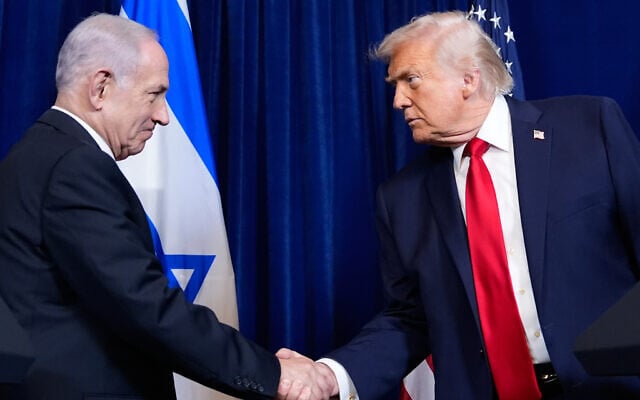
It’s hard to imagine that the promise comes across as especially credible to many Israeli voters.
It sounds awfully similar to what he has vowed repeatedly in Gaza after Trump brokered a ceasefire and hostage release deal with key goals left unattained. “Hamas will be disarmed, and Gaza will be demilitarized,” Netanyahu said in October, three days before the last living hostages were freed. “If this is achieved in the easy way – it’s all for the better. And if not – it will be achieved the hard way.”
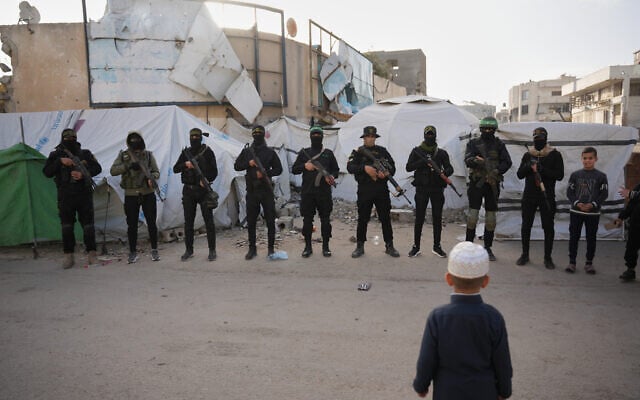
Neither of those aims have been achieved and the “total victory” he promised in the Strip is nowhere in sight. Hamas controls half of Gaza and rules almost every Palestinian there. The terror group’s leaders continue to publicly insist it will not disarm and there is no indication a resumption of fighting in Gaza will happen anytime in the foreseeable future.
“What the enemy failed to achieve through tanks, it will not achieve through negotiations,” said the spokesman for Hamas’s military wing this week.
Israel hit Hezbollah hard in 2024, but left the terror organization on its feet. Iran helped its Lebanese proxy rearm, with Hezbollah putting northern Israel under missile and drone threat once again.
The ongoing ground operation in Lebanon will not end the Hezbollah threat either, the Israel Defense Forces has acknowledged.
Then there are Israel’s two massive operations against Iran over the past year. The June 2025 war accomplished plenty on the tactical level, but wasn’t enough to preclude the need for a much larger campaign eight months later.
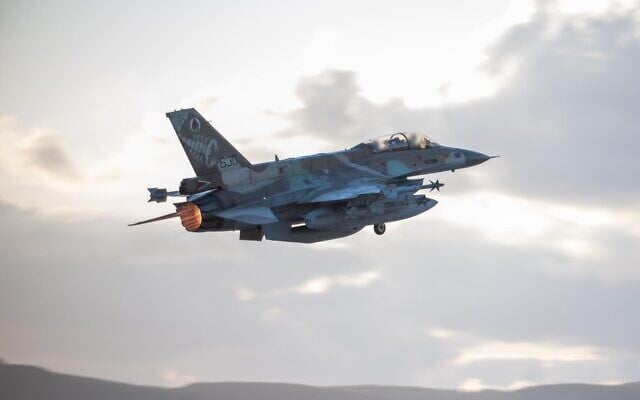
A joint US-Israel war on Iran, with a wildly successful opening strike, is what Netanyahu had been dreaming about and working for much of his political career. He got the opportunity to fight alongside a US president with whom he has a longstanding rapport, a leader who is willing to defy norms and use military force against American adversaries.
Even in his dream scenario, Netanyahu couldn’t finish the job. He spoke repeatedly about creating the conditions for the Iranian people to bring down the regime, and promised — a month ago — that “in the coming days… we will pass the torch to you.”
“Be ready to seize the moment!”

That moment never came, and there are no signs that the Iranian people are preparing to topple the regime.
Shortly before the start of the Passover holiday, Netanyahu said that Israel has hit Iran and its axis with “ten plagues.”
The biblical story to which he was referring ended with a decisive result — the Israelites leaving Egypt, and Pharaoh leading his forces recklessly into the trap set by God in the Red Sea.
Under Netanyahu, there is no question that Israel hammered Iran and its proxies with its outstretched arm. But the decisive victory that Netanyahu promised continues to evade him.
Instead, Israelis are told that intermediate measures — creating buffer zones in Gaza and Lebanon, destroying Iranian military capabilities — are the equivalent of victory. And even if not, Netanyahu says, Israel can return to war to complete the work.
It’s not clear when that might happen, as Trump doesn’t seem eager to have the truces his envoys arranged fall apart as midterm elections loom, while the next US president is unlikely to be as supportive of Israel’s military campaigns as is the current commander-in-chief.
If the results of the post-October 7, 2023, wars don’t change significantly, Netanyahu could well discover that he won’t be in office to test his return-to-fighting proposition.







The Times of Israel Community.