

New biography hits the high and low notes of Broadway legend Stephen Sondheim’s life
Author Daniel Okrent doesn’t miss a beat analyzing the music, lyrics — and complicated personality — of the extremely secular Jewish maverick who revolutionized American musical theater
 Add ToI as a Preferred Source on Google
Renee Ghert-Zand is the health reporter and a feature writer for The Times of Israel.
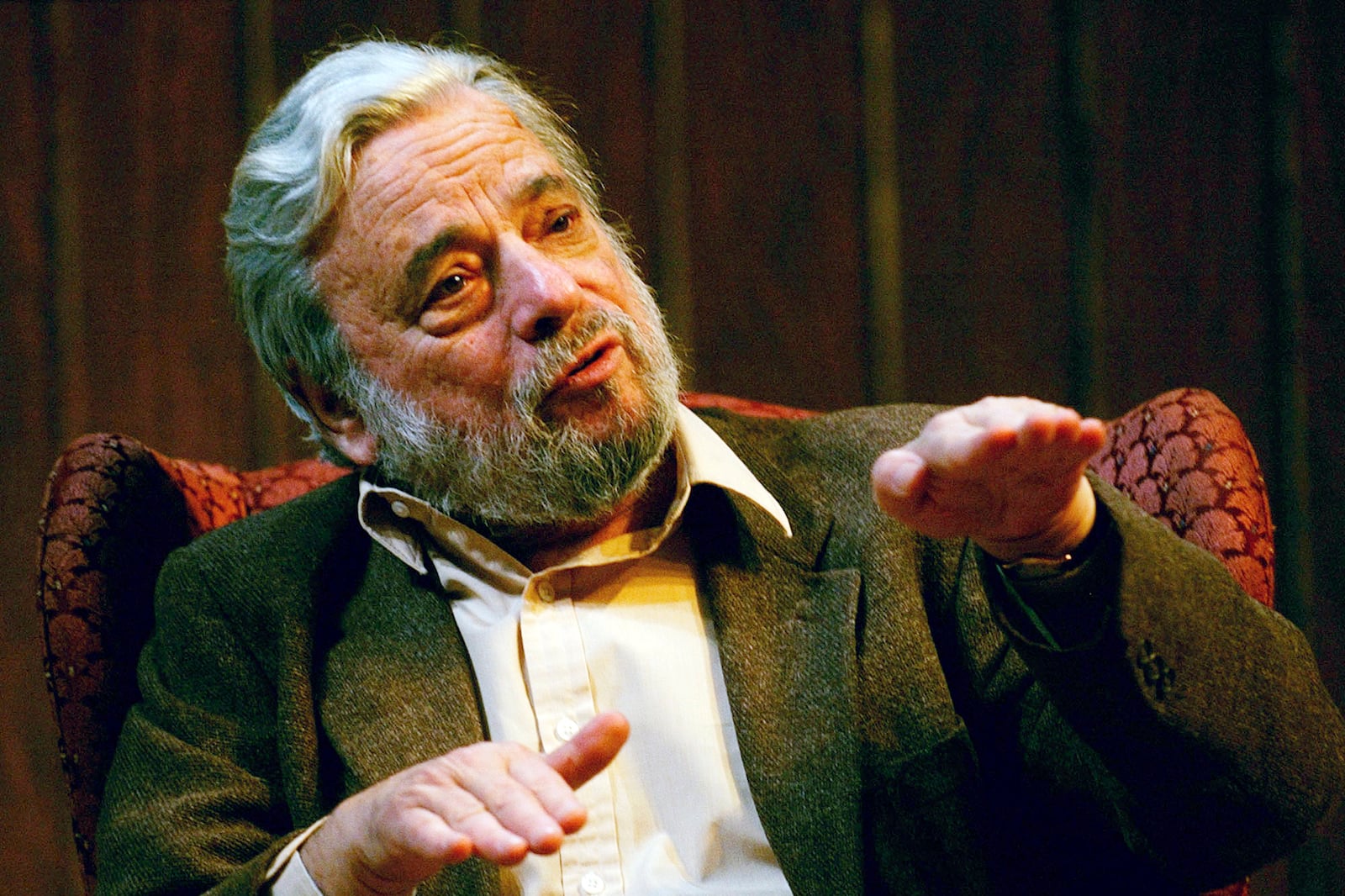
As Daniel Okrent sat in the audience of the original 1970 Broadway production of Stephen Sondheim’s “Company,” he knew he was experiencing something groundbreaking.
“It was like nothing I had ever seen before. I liked musicals, and I had seen many, but this was completely different. It was entirely ironic. It had no plot, and these incredibly raw yet amusing songs. There had never been songs like that on Broadway before. And the set was absolutely revolutionary,” Okrent said.
Okrent then saw Sondheim’s “Follies” in 1971, “A Little Night Music” in 1973, and “Pacific Overtures” in 1976.
“From that moment on, I would not miss a Sondheim production,” Okrent told The Times of Israel from his home in New York.
The late Sondheim was involved in creating 20 works of musical theater — sometimes as lyricist only, but usually as both composer and lyricist. He received numerous accolades, including eight Tony Awards, an Academy Award, eight Grammy Awards, and a Pulitzer Prize. A Broadway theater was named for him, and revivals of his shows are regularly produced.
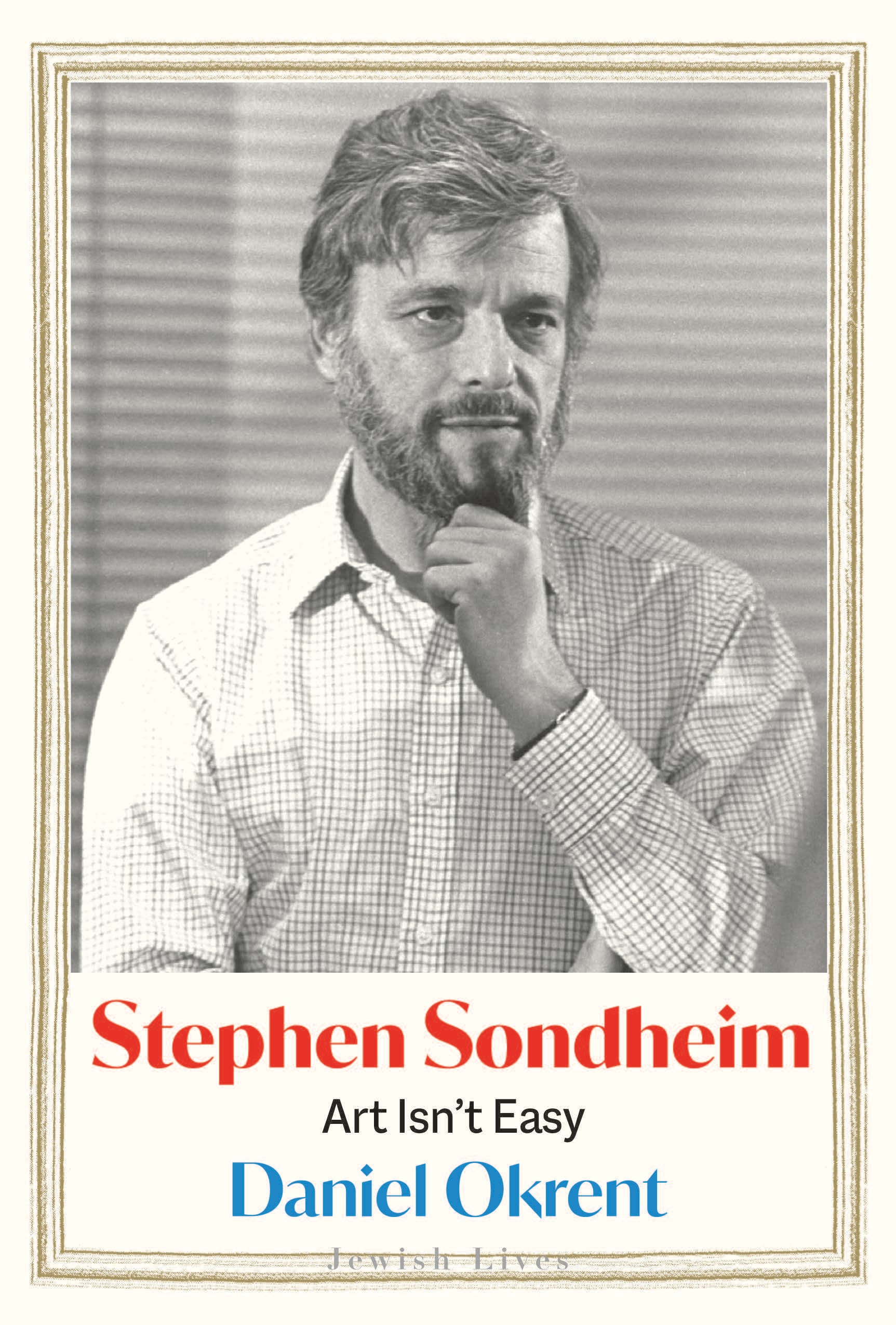
A self-proclaimed “enormous admirer and fan” of arguably the most important figure in American musical theater in the second half of the 20th century, Okrent was pleased to have the opportunity to write a new biography of Sondheim for the Jewish Lives Series published by Yale University Press. “Stephen Sondheim: Art Isn’t Easy” came out in March of this year.
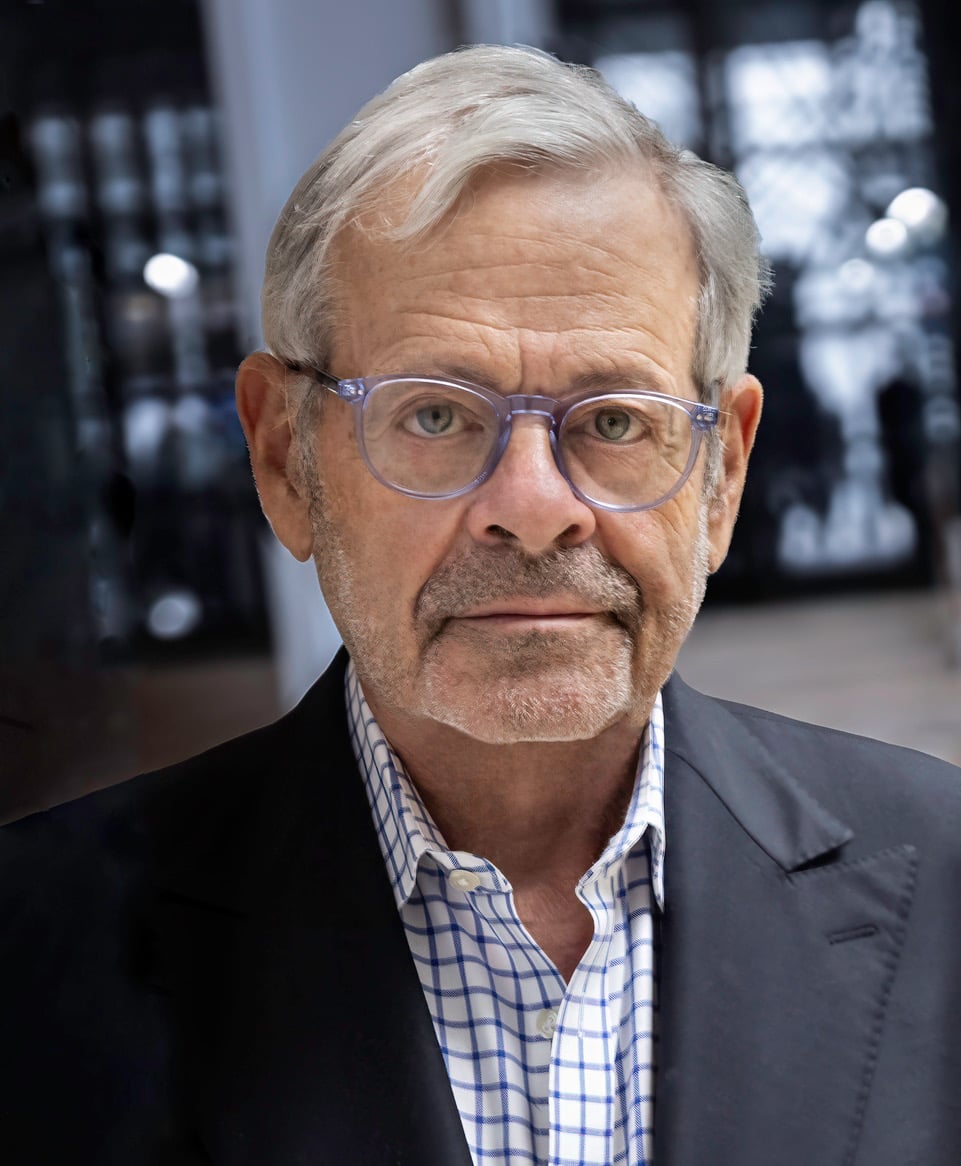
It is the first biography by Okrent, an award-winning author of seven books, a former editor of Life magazine, a corporate editor-at-large at Time Inc., and the first public editor of The New York Times.
The book covers Sondheim’s 91 years (1930-2021) chronologically, while weaving together the many strands that made up his work and life. Readers learn about his groundbreaking approaches to composing music and writing lyrics, his professional milieu, choices, and partnerships, and the business of Broadway. Okrent also delves into Sondheim’s complex personality and personal relationships, and his lifelong substance abuse.
In a bid to thoroughly know Sondheim, whom he never met in person, Okrent spent two years searching archives and interviewing 37 of Sondheim’s friends and associates. He also made use of extensive interviews that author Meryle Secrest conducted with Sondheim and others for her 2011 biography, “Stephen Sondheim: A Life,” and deposited at Yale for use by future scholars.
“[Sondheim’s] archival life is divided into everything that he had until 1995, which was destroyed in his [Manhattan] house fire — except for his scores, which were in a fireproof safe. Then, everything from 1995 onward had not yet been cataloged and submitted to the Library of Congress [when I was doing my research]. That just happened this past year,” Okrent said.
Although Sondheim was a prolific letter writer (to friends, colleagues, and fans), he did not save much of the correspondence he received. Fortunately for Okrent, archives of Sondheim’s close associates and friends were filled with long, rich letters from him.
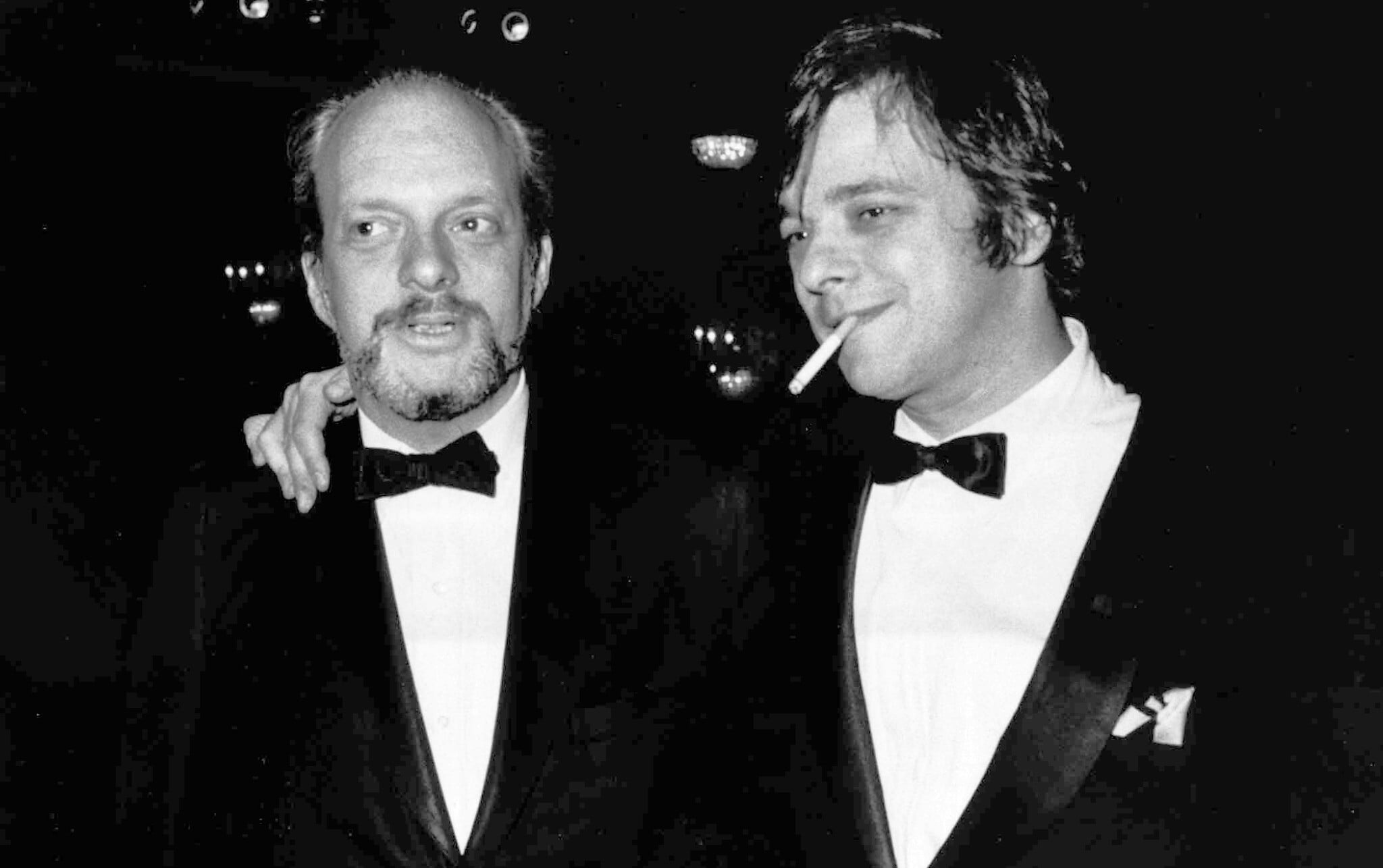
“The key archives were those of [director and producer] Hal Prince, [playwright and director] Arthur Laurents, [choreographer] Jerome Robbins, [composer, screenwriter, and author] Mary Rodgers, and [director, playwright, screenwriter, and librettist] James Lapine,” Okrent said.
Okrent also accessed the archives of Oscar Hammerstein II. The famous lyricist, librettist, producer, and director of the first half of the 20th century was Sondheim’s idol and earliest professional mentor. Sondheim met him as a boy and was enthralled by him and his illustrious musical theater career. Sondheim so admired Hammerstein that he always said, “If Oscar had been a geologist, I would have become a geologist.”
Hammerstein coached the teenage Sondheim in the fundamental principles of lyric writing. He gave blunt yet encouraging feedback, urging his student to write from his own life and emotions rather than trying to mimic him or anyone else.
Hammerstein was more than merely a teacher to Sondheim. He was the boy’s surrogate father after his New York-based, well-to-do parents divorced when he (an only child) was 10, and his mother took him with her to a small farm near Doylestown, Pennsylvania, during the summers. There, Sondheim became friends with Hammerstein’s son and was close with the entire family.
“All the Hammersteins, especially Oscar, …knew [Sondheim’s] virtues: intellectual power, unflagging loyalty, and a creative urge desperate to be expressed,” Okrent wrote.
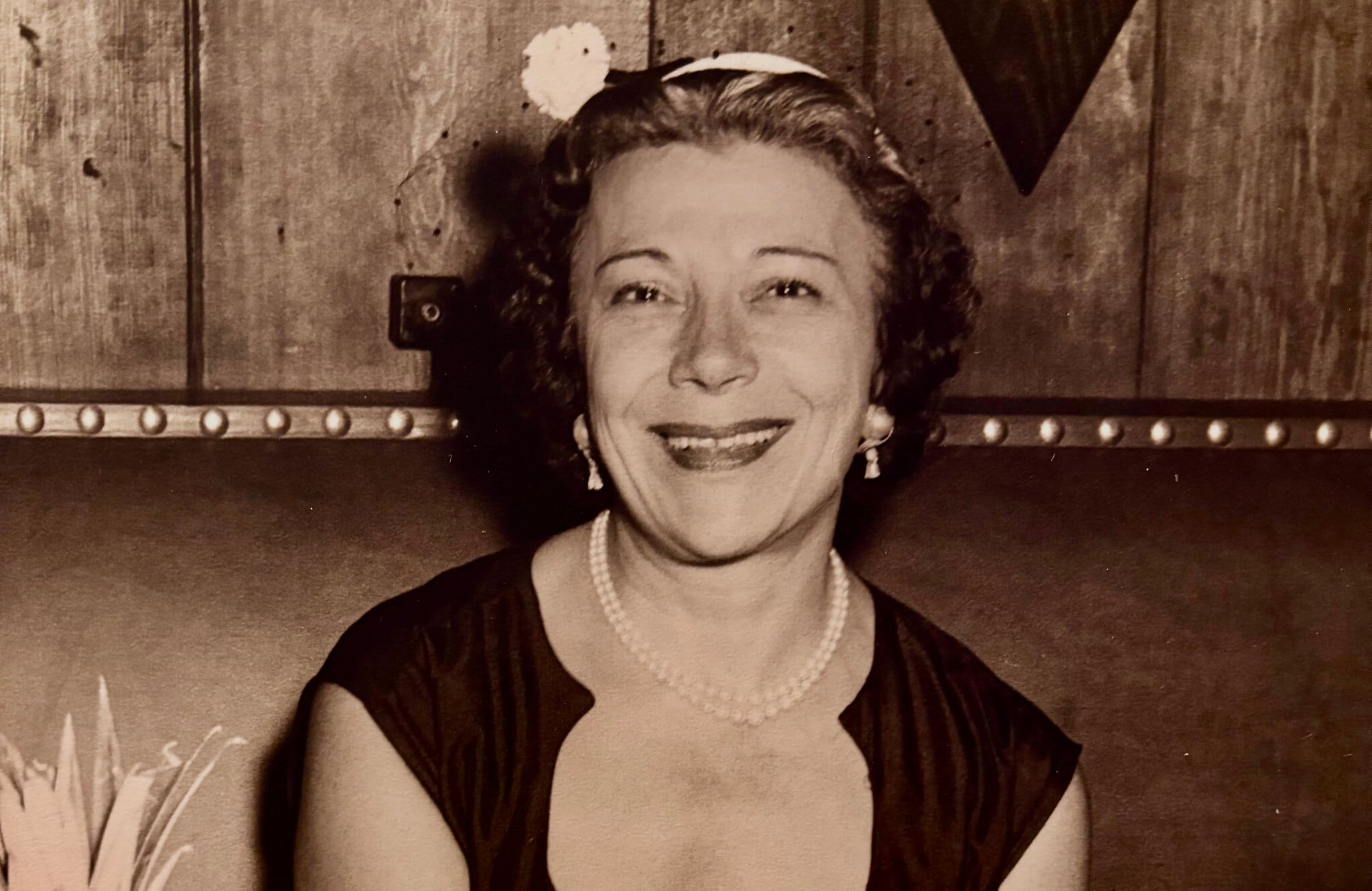
Had Sondheim’s mother, Etta Janet Fox Sondheim (known as Foxy), not taken her son to Pennsylvania, he may never have met Hammerstein. But Sondheim was not unable to appreciate this. He could not see beyond his extreme dislike of his mother, and his childhood rage against her remained unresolved.
“Half a century later, he would variably characterize his mother as ‘vindictive,’ ‘graspingly materialistic,’ ‘a monster,’ ‘creepy,’ and a ‘celebrity fucker’ [for having bought a home in Doylestown where the Hammersteins and other showbiz luminaries also lived],” Okrent wrote.
Sondheim rarely saw Foxy, although he financially supported her as she aged. He did not attend her funeral.
Okrent takes readers behind the scenes as Sondheim created each of his musicals, some of which were initially commercially unsuccessful. While he goes into detail, he does so in a way that is accessible to those without musical training.
“Lyrics are much easier to write about. I wondered if I could explain the music… without using extreme musical jargon. My mother happened to have been a music teacher, so there was music in our house, but I am the least musical person on the planet. I can carry a tune for about three feet, and then I drop it. And my sense of rhythm is ridiculous, but I worship music. It is a huge part of my life,” Okrent said.
“I sat down with Tony Tommasini, who was the classical music critic of The New York Times for 25 years, and knew Sondheim’s music extremely well. He was a very good friend of Sondheim’s, and he thought he was a genius. I sat next to him on the piano bench for a four-hour lesson in Sondheim’s music. I also turned to a composer and a musicologist I know and had many conversations with them. To the degree that I was able to explain any of the music in a way that was clear to the lay reader is a gigantic triumph that I’m very proud of,” he said.
Okrent describes in the book how Sondheim worked to produce unprecedented kinds of musicals with unusual inspirations, like a mass murderer from a gory penny dreadful (“Sweeney Todd: The Demon Barber of Fleet Street”), a painting by a French pointillist painter (“Sunday in the Park with George”), Brothers Grimm fairy tales (“Into the Woods”), and historical figures who attempted to assassinate American presidents (“Assassins”).
Sondheim’s creativity and productivity were regularly fueled by drugs and alcohol. He used marijuana, cocaine, and ecstasy, and regularly drank to excess. He had two heart attacks, yet never gave up his addictions, especially his constant alcohol consumption.
“[James] Lapine [librettist for “Sunday in the Park with George,” “Into the Woods,” and “Passion”] recounted how they’d start working at 10 in the morning, and there would be a glass of vodka next to [Sondheim]. He’d work 16-17 hours a day, drinking the whole time,” Okrent said.
“He was an alcoholic and was not interested in quitting. Sometimes it was bourbon, sometimes scotch, but vodka was his thing. When [singer and pianist] Michael Feinstein’s secretary asked him what he would like for dinner, he replied, ‘Vodka, vodka, and more vodka.'”
Okrent posited that the alcohol helped him break through his inhibitions.
“I think that he was able to combine the work with the drinking because it opened up his mind. It freed him from certain patterns… People use alcohol to make their work go more easily. The problem is knowing when to stop. How much can you use before you die? Somehow, Sondheim made it to 91,” he said.
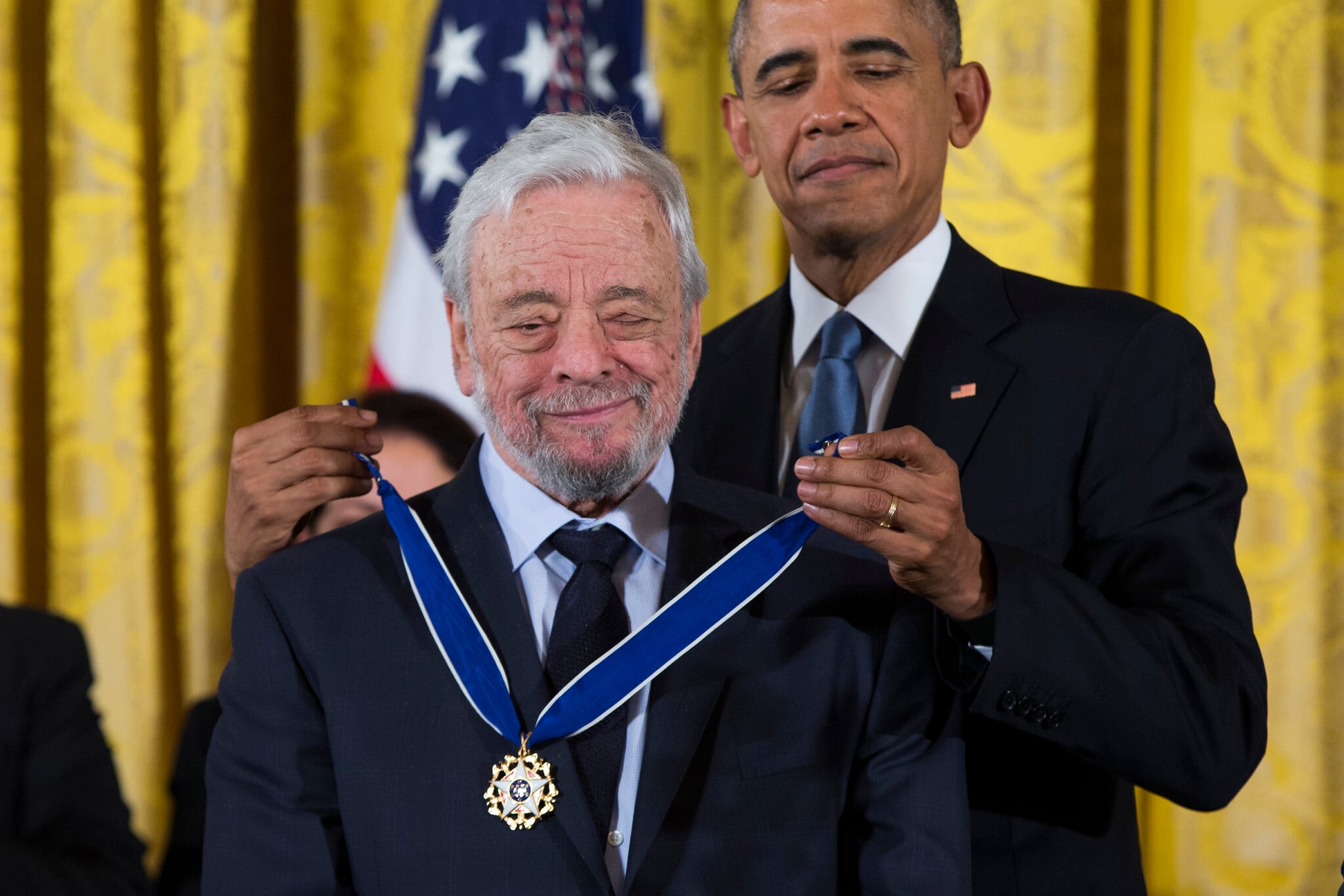
Sondheim’s complicated and often inconsistent character traits are front and center in the book. He lacked confidence, yet he was competitive with his colleagues. He was generous and kind to many people (friends, strangers, and mentees like Jonathan Larson and Lin-Manuel Miranda alike), but also had mean outbursts and held grudges. He was happy for feedback from collaborators while working on projects, but would not countenance criticism from audiences, professional theater critics, or even colleagues who were not involved in creating the particular show in question.
He was at the heart of Broadway’s creative community, but was an emotional loner who lacked a sense of connection with others. Sondheim, who was gay (and came out at age 40), finally found love and established a stable relationship with a man many decades younger than him, only in his 60s.
Okrent likened Sondheim to a puzzle to be solved. “I had this brilliant, clever guy in my head for the three years I worked on this book, but because of all these contradictions, some things just didn’t make sense. My feelings about him would swing, and they were hard to resolve because of these contradictions. I love the work. I was confused about the person,” he said.
Having studied Sondheim and his oeuvre in depth, it was clear to Okrent that being Jewish meant little, if anything, to him. He lived in an entirely Jewish milieu (his parents were in the garment industry, and he worked on Broadway), and he peppered his speech and correspondence with Yiddishisms. However, he had grown up without a Jewish education and had not had a bar mitzvah.
“He had his share of Yiddishkeit, but his cultural Jewish identity did not even extend to eating lox and bagels,” Okrent said.
“He certainly never denied that he was Jewish, but he never thought about it, and I think that’s evidenced in his work. Given the nature of Broadway, the fact that he didn’t use his Jewishness in any conscious way [in his work] is surprising. No Jewish subject matter, characters, or Yiddishisms [in his songs],” Okrent said.
According to Okrent, when the State of Israel was established in 1948, Sondheim had not given it a second thought.
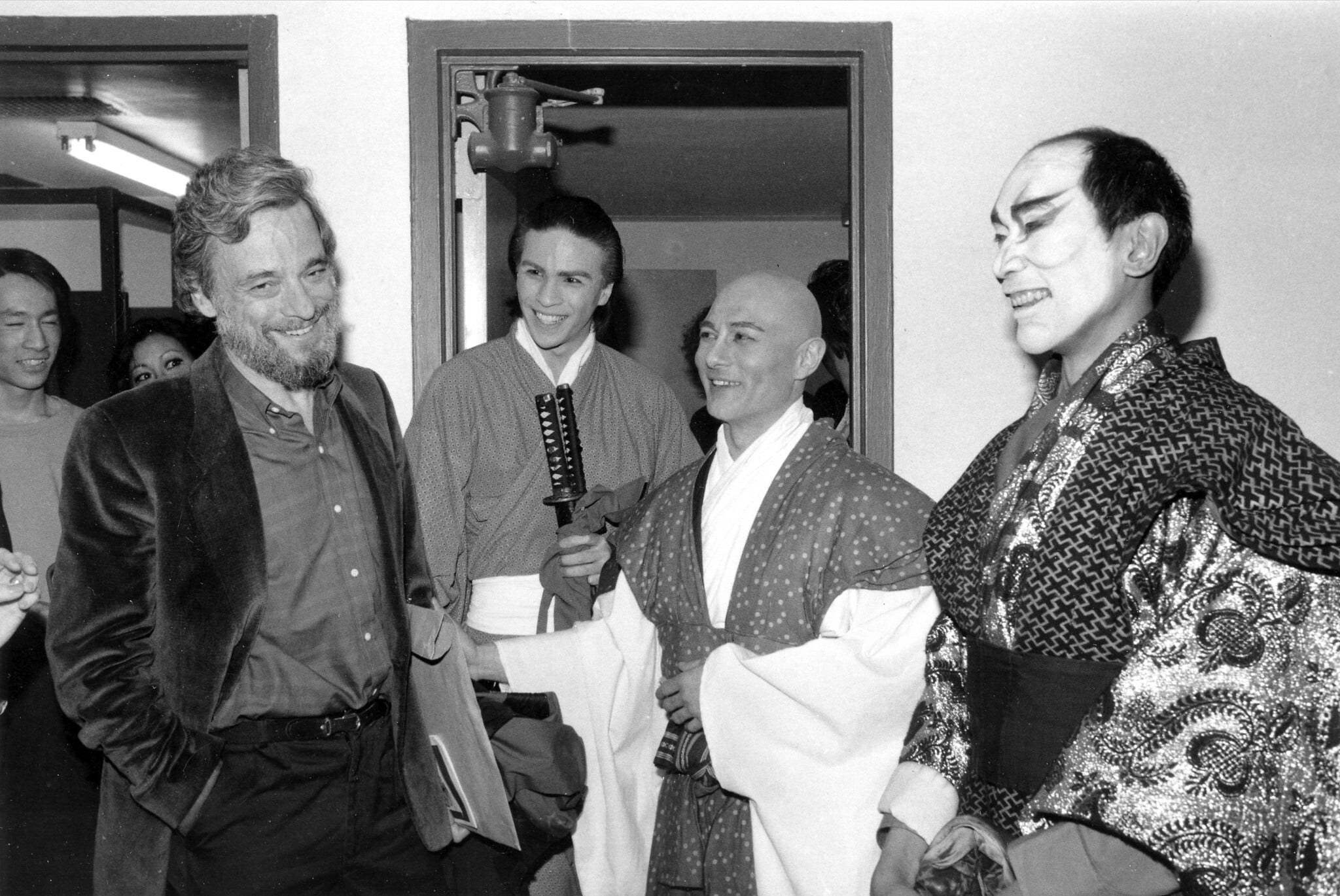
“It just meant nothing to him, and he knew nothing about it until he met [famed composer and conductor] Leonard Bernstein [with whom he collaborated on West Side Story] seven years later,” Okrent said.
Bernstein’s deep and enthusiastic four-decade relationship with Israel did not particularly move Sondheim. He never accompanied Bernstein on any of his many trips to perform, conduct, or teach there.
“My attitude toward Israel is the New York Times’s attitude toward Israel. Whatever they tell me about it is what I believe,” he once told an interviewer.










The Times of Israel Community.