

Opposition leaders slam ’embarrassing’ PM immunity bill
Lapid says Netanyahu won’t be spared giving testimony in submarines probe; Gabbay says coalition only concerned with political survival
 Add ToI as a Preferred Source on Google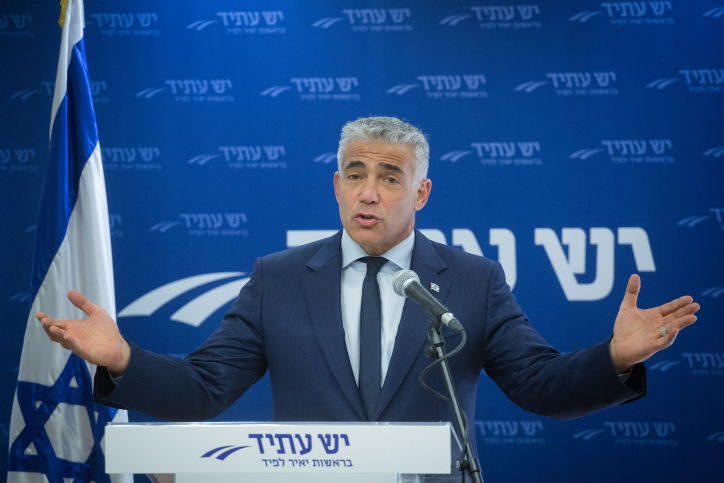
Opposition leaders on Monday denounced a proposed bill that would grant serving prime ministers immunity from criminal prosecution and excoriated the coalition for its contentious legislative agenda, as the Knesset reconvened after a three-month recess.
“It hasn’t been even a day since the Knesset has resumed, and we are already embarrassed,” said Yesh Atid leader Yair Lapid, slamming the political wheeling-dealing over Likud MK David Amsalem’s proposal during the past 24 hours.
“This is the law of Benjamin Netanyahu — call it by its real name — to stop the investigations,” said Lapid of the bill, rejecting comparisons to French laws on which it is said to be based.
Amid two ongoing criminal investigations into corruption allegations against Prime Minister Benjamin Netanyahu, Likud lawmakers are pushing for legislation that would prohibit police from probing a serving premier for fraud, bribery or breach of trust.
In its current form, the bill would likely not help Netanyahu in those instances as it specifies it would not apply to ongoing investigations, but it would prevent him being made a suspect in further criminal cases. Some MKs have also raised fears that the bill may later be amended to retroactively to shield Netanyahu from investigation.
Speaking at the start of the weekly Yesh Atid faction meeting, Lapid also predicted that Netanyahu will be forced to give testimony in the so-called Case 3000, which involves Germany’s sales of submarines to Israel, and in which the prime minister is not a suspect. But Lapid added he cannot offer any other information, as he had given his own testimony to police in the case.
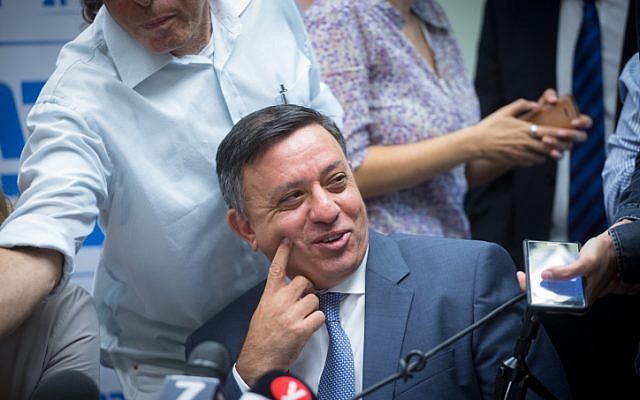
Meanwhile, Zionist Union leader Avi Gabbay accused the coalition of focusing on reelection instead of advancing laws to better the lives of Israeli citizens.
Speaking at the weekly Zionist Union faction meeting, Gabbay called the Knesset winter session “a crooked session that started with a series of laws and statements by the coalition, that have no connection to our real lives. Everything revolves around the ultimate goal of being reelected.”
He cited as examples of this trend the premier immunity law, attempts to lower the Knesset threshold, and a proposal to launch a parliamentary probe into left-wing NGOs.
“They are dealing with division and incitement,” said Gabbay of the coalition. The new party chairman, who is not a sitting lawmaker, also vowed to mount a political challenge to Netanyahu’s Likud, presenting the party as the viable “alternative” to run the country.
Earlier on Monday, in a rare public criticism of legislative efforts published in the form of Bible commentary, State Prosecutor Shai Nitzan came out against the premier immunity bill.
On Sunday, Justice Minister Ayelet Shaked (Jewish Home) postponed a vote on the bill in the powerful Ministerial Committee for Legislation. In response, coalition chair MK David Bitan, a staunch Netanyahu ally, reportedly threatened to freeze all government legislation until the bill is passed by the committee.
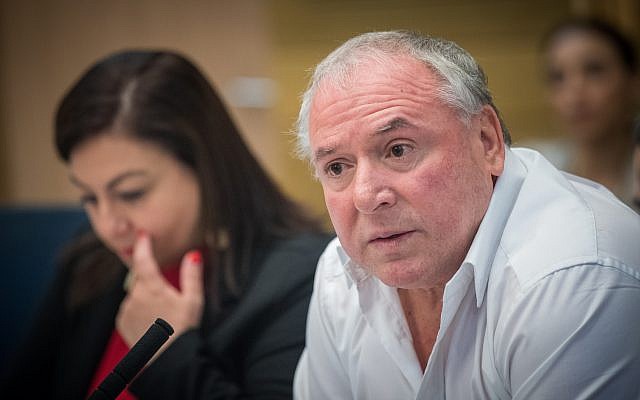
In an attempt to quash claims that the bill would put the prime minister above the law, Amsalem added a clause to the bill late last week that would place term limits on the prime minister. According to the language in that amendment, a prime minister who has served eight consecutive years in office would not be allowed to form a new government. The clause, however, would allow prime ministers to form a new government — which could potentially last nearly five years — in their eighth year in office, and makes no mention of preventing consecutive terms. And like the limits on police investigations, the law would not apply to the current prime minister.
Speaking on Army Radio Monday morning, Knesset Speaker Yuli Edelstein admitted he had reservations about the bill but said that with appropriate limitations he would support it.
“If the bill gives some kind of absolute immunity to whoever is serving as prime minister, without time limitations and from every crime, then certainly there is no place for it. If it is a personal law, against somebody or other, then certainly there is no room for it,” he said.
Responding to the criticism, Amsalem slammed Nitzan as “little more than a government bureaucrat,” saying he had overstepped his bounds by commenting on legislation in progress.
“Just as I don’t tell Shai Nitzan my opinion of the investigation that he is running, he shouldn’t tell me his opinion of the laws I am legislating. That’s not his job. This is not the way things should be done,” Amsalem said in a statement.
Some 30 minutes before the statement was released, however, and apparently before he was aware of Nitzan’s criticism, Amsalem spoke about the investigation and offered his opinion on the probe and how it was being run.
“This investigation could remove the prime minister for no reason whatsoever,” he told Israel Radio.
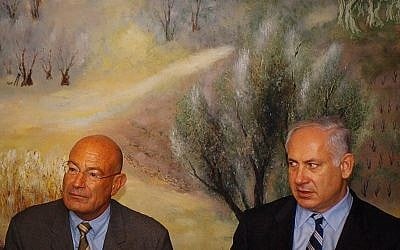
“What has Netanyahu done? Getting gifts from a friend of his he has known for many years? Between friends of so many years, it’s allowed,” he said, referring to Case 1000, which is investigating allegations that Netanyahu and his wife, Sara, received illicit gifts from billionaire benefactors, most notably hundreds of thousands of shekels’ worth of cigars and champagne from the Israeli-born Hollywood producer Arnon Milchan.
Netanyahu is also a criminal suspect in Case 2000 involving a suspected illicit quid pro quo deal between Netanyahu and Yedioth Ahronoth newspaper publisher Arnon Mozes. The deal, which was apparently not implemented, would have seen the prime minister hobble a rival daily, the Sheldon Adelson-backed Israel Hayom, in return for more favorable coverage from Yedioth.
In addition, Netanyahu has been linked to several suspects in Case 3000, which involves suspected corruption by several associates of the prime minister in the sale of German submarines to Israel. As Netanyahu is not currently a suspect in the submarines case, if Amsalem’s bill becomes law, police would be prevented from investigating him as one should he become implicated.
Last month, Nitzan responded to criticism that authorities were dragging their feet in the graft probes against the prime minister. He said that the investigations had been taking longer than police initially anticipated due to unforeseen developments in the cases, though he declined to provide specifics.







The Times of Israel Community.