

Oud festival gathers every kind of musician, with focus on the east
This year’s performers include Ehud Banai, Shalom Hanoch, Yehuda Poliker, alongside Dudu Tassa, Ravid Kahalani and others
 Add ToI as a Preferred Source on Google
Jessica Steinberg, The Times of Israel's culture and lifestyles editor, covers the Sabra scene from south to north and back to the center
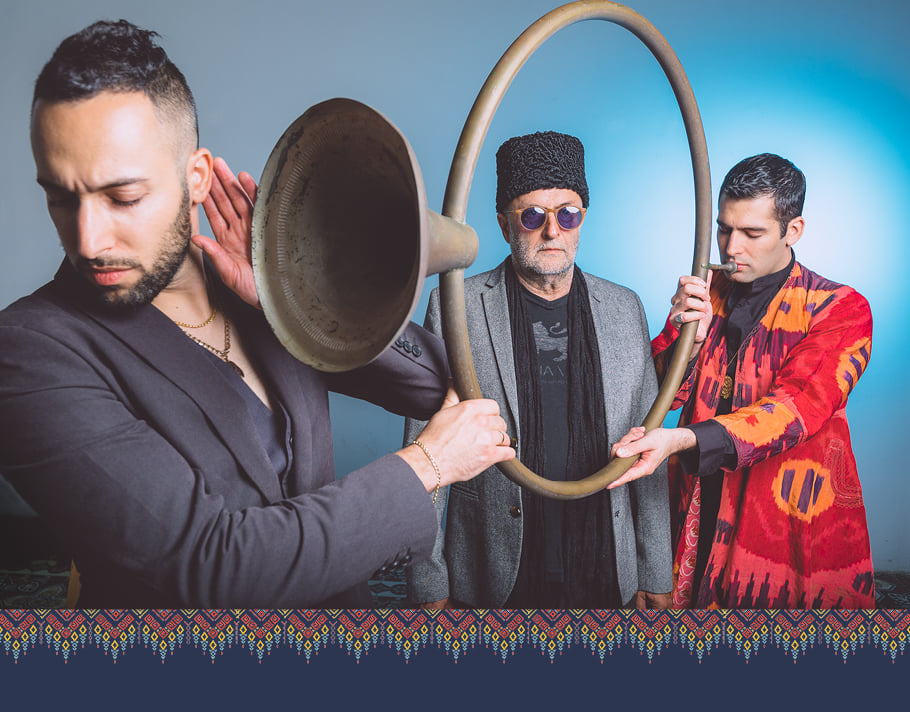
This year’s annual Jerusalem International Oud Festival will take place November 6-13, and includes well-known musical guests Ehud Banai, Shalom Hanoch, Ravid Kahalani, Dudu Tassa — and Yehuda Poliker performing with a 12-piece band for the final show.
Among the dozens of musicians performing at the festival is the Bustan Avraham band of Arab and Jewish musicians, reunited since 2012 and led by three of the founders, Zohar Fresco, Taiseer Elias, and Amir Milstein, now with Haggai Cohen-Milo.
The Komradin Project duo, oud player Onn Yosef Kadosh and saxophonist Asaf Harris, will perform muswashahat, an Arab-Andalusian musical and vocal art form that was well-known in Aleppo, Syria.
Renowned oud player Emad Dalal from Ma’alot-Tarshiha, a regular at the festival, will bring a new quintet to perform at the event.
“That’s what’s great about the Oud festival,” said Yair Harel, artistic director of the culture department at Jerusalem research institute Yad Ben-Zvi, which is collaborating with the festival this year. “It brings in every kind of musical project, as long as it’s somehow related to the oud,” the short-necked string instrument at the center of the annual festival.
The sole visiting guest this year is Maestro N. Ravikian, bringing classical music from South India on his first visit to Israel, and performing on November 9, at the Jerusalem Theater.
Pianist Sireen Elias Haddad, daughter of oud master Taiseer Elias — also from Bustan Avraham — will perform with her husband, Adeeb Haddad, a pianist and oud player, accompanied by her father.
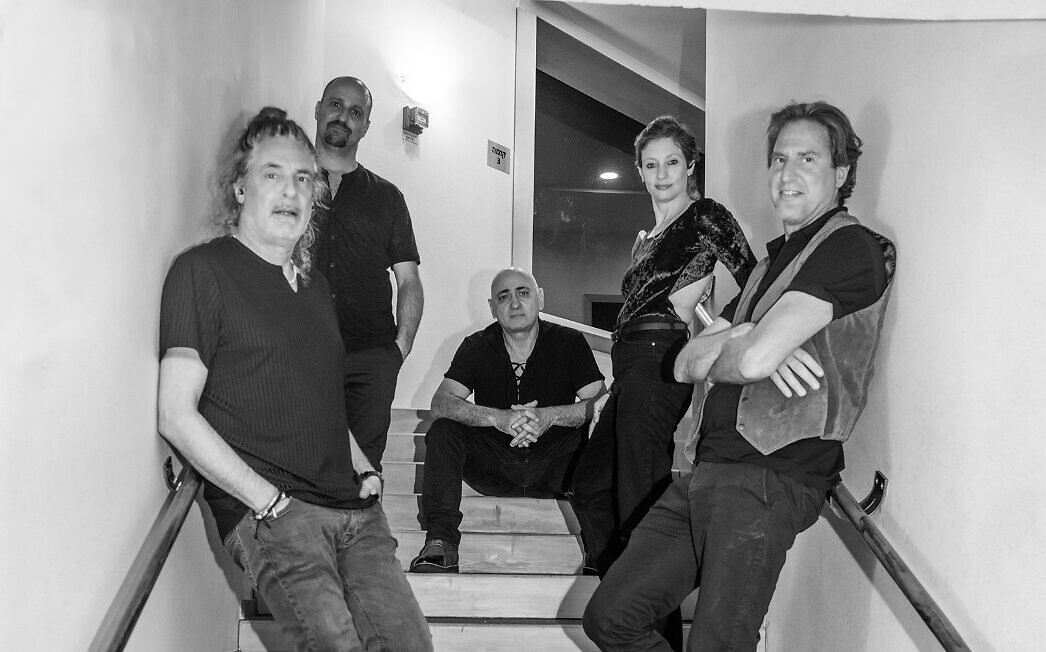
The rock band, The Tractor’s Revenge, will bring their tribute to Rabbi Moses ibn Ezra at the National Library.
One of Harel’s new projects for the festival is The Golden Chain, a group of music students performing tunes derived from ancient Jerusalem communities and premiering at the festival.
The project is a collaboration between the festival, Yad Yitzhak Ben Zvi’s Center for Music from the East, and a 100-year-old Jerusalem synagogue originally established by former residents of Barashe in Kurdistan.
A joint ensemble of teachers and students, musicians and singers, along with members of the Barashe community, will perform new arrangements of liturgical poems that have been preserved by generations of three Kurdish clans in Jerusalem.
The joint ensemble has worked together for several months, listening, singing, playing and recording the process, with the idea of creating meetups that felt natural, but do not usually happen, said Harel.
The plan is to eventually record an album of the arrangements.
“It’s 18 people working on this,” said Harel. “The students cross the street from the music school and go to the synagogue in Nachlaot, a 100-year-old synagogue.”
A second Yad Ben Zvi project references the ancient Jewish community of Damascus, with a performance led by the Saied Nahmias family of poets.
Singers Ziv Yehezkel and Rabbi Mordechai Ashkenazi will perform new arrangements for rare poems by Israel Najara, who lived in the area between Safed and Damascus.
“They have their own traditions that have almost disappeared, and Yad Ben Zvi student musicians are working with the project to give it new life,” said Harel. “It’s a spotlight on something that doesn’t exist as much any longer; there’s no chance you’ve heard this anywhere else.”
For more information about tickets, times and location, go to the Oud festival website.



The Times of Israel Community.