

Palestinians, Jordan reject Israeli offer to limit non-Muslims on Temple Mount
Netanyahu proposes to curb Jewish access in bid to help quell wave of terror and violence; Amman and Ramallah demand full Waqf oversight of all visits

 Add ToI as a Preferred Source on Google
An offer by Israel to reduce the number of Jewish and non-Muslim visitors to the Temple Mount in Jerusalem in an effort to calm tensions at the site and end a wave of terror attacks was rejected by Palestinian and Jordanian leaders as not going far enough to meet their demands, Arab diplomatic sources told The Times of Israel on Wednesday.
Prime Minister Benjamin Netanyahu made the suggestion during recent contacts between Israeli, Jordanian, and Palestinian officials, the sources said. It was rejected by King Abdullah II of Jordan and Palestinian Authority President Mahmoud Abbas.
The Prime Minister’s Office denied the report late Wednesday.
It was not clear what specific limits Israeli was prepared to place on non-Muslim visits to the contested holy site.
The Jordanian royal palace is very angry with Netanyahu over his handling of access to the Temple Mount, the sources said, and Abdullah has refused to meet with the Israeli leader.
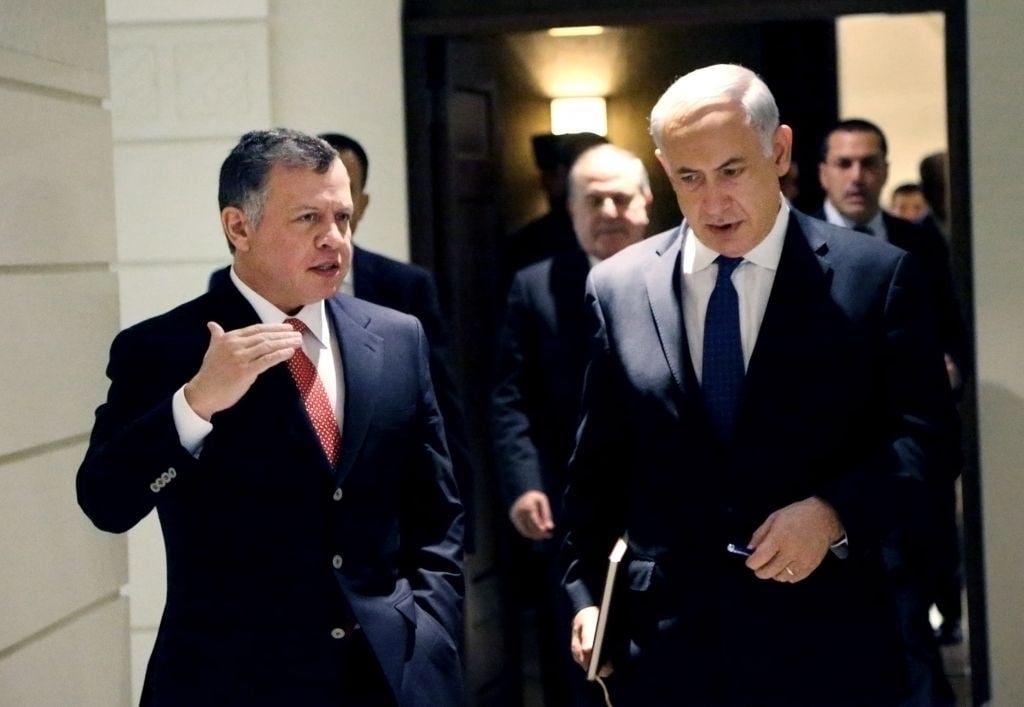
Netanyahu’s special envoy Yitzhak Molcho has been leading senior Israeli security officials in contacts between Israel, Jordan, and the PA to try to tamp down the escalation in violence, which started at the beginning of September on the Temple Mount and spread to terror attacks in Jerusalem and terror attacks and clashes in the West Bank. Eleven Israelis have been killed in attacks in the past month; some 40 Palestinians have been killed, almost half in the course of attacks on Israeli targets, and most of the rest in clashes in the West Bank and at the Gaza border.
Much of the recent flare-up of violence has centered around Palestinian claims that Israel is seeking to change the decades-old status quo on the Temple Mount in Jerusalem. The site, the holiest in Judaism as the place of the biblical Temples, and the third holiest in Islam, houses the al-Aqsa Mosque and is administered by the Muslim Waqf, which operates under the auspices of the Jordanian monarchy. Under rules set by Israel, Jews are allowed to visit but not to pray at the site. Israel has repeatedly denied that it is intending to make changes to the current rules, and says the accusations are incitement to violence.
The offer to reduce visits came amid Palestinian and Jordanian claims, based on Waqf data, that the number of non-Muslim visitors to Temple Mount has gone up by more than 100 percent in the past five years.
Waqf data shows that in 2011 there were some 5,000 non-Muslim visitors who entered the Temple Mount complex, while last year the number was 12,569.
A joint Palestinian-Jordanian demand seeks a return to the situation on the Temple Mount as it was before September 28, 2000, when then opposition leader Ariel Sharon made a controversial visit to the complex; this sparked protests by Palestinians, and was utilized as a trigger for the Palestinian terrorist onslaught against Israel of the Second Intifada.
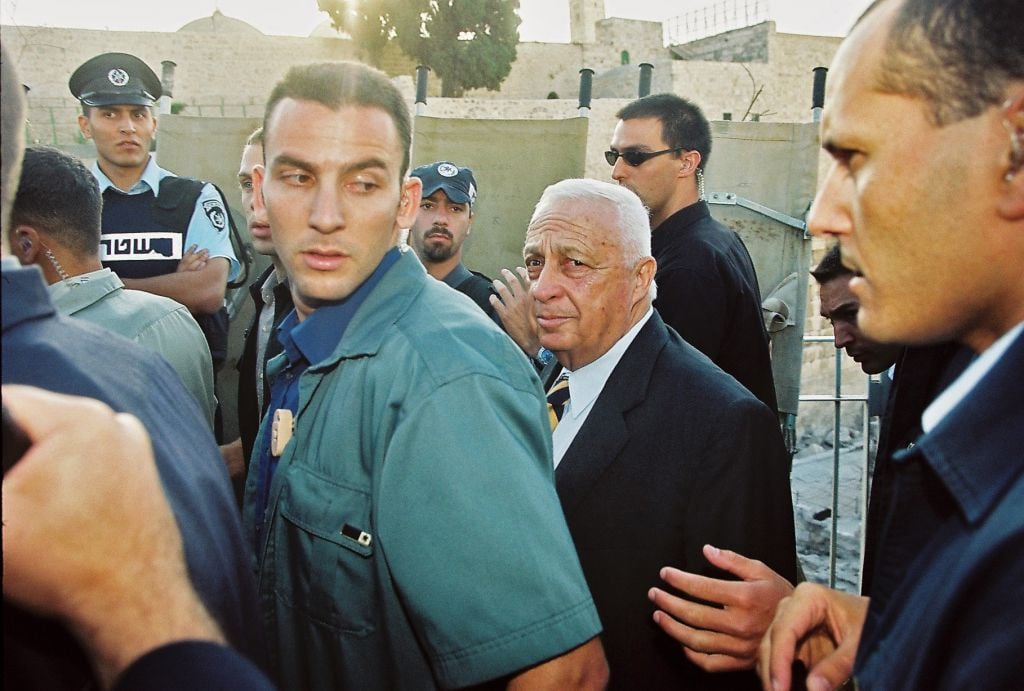
Sharon’s 2000 visit was met with Palestinian protests on the Temple Mount that rapidly swelled into what became known as the Second Intifada, a roughly five-year period of violence marked by multiple terror attacks against Israelis, alongside Palestinian clashes with security forces in which thousands of Israelis and Palestinians were killed.
Waqf officials want full responsibility for and administration for visits by non-Muslims to the complex, as was the case in 2000. Since 2003, it is the Israel police that has controlled the entry of non-Muslims and Jews to the Temple Mount.
The sources said that without Israeli agreement to the 2000 status quo, there will be no possibility for real quiet on the ground.
The past few weeks have seen almost daily shooting and stabbing attacks by Palestinian and Israeli-Arab terrorists against Israeli security forces and civilians across Israel and in the West Bank.



The Times of Israel Community.