

Passenger limits reimposed on outbound flights after private jets hit by missile debris
El Al cancels all non-repatriation flights until March 27, Israir through March 31, as US airlines Delta and United extend suspensions until May, June, as Iran war seems set to drag on
 Add ToI as a Preferred Source on Google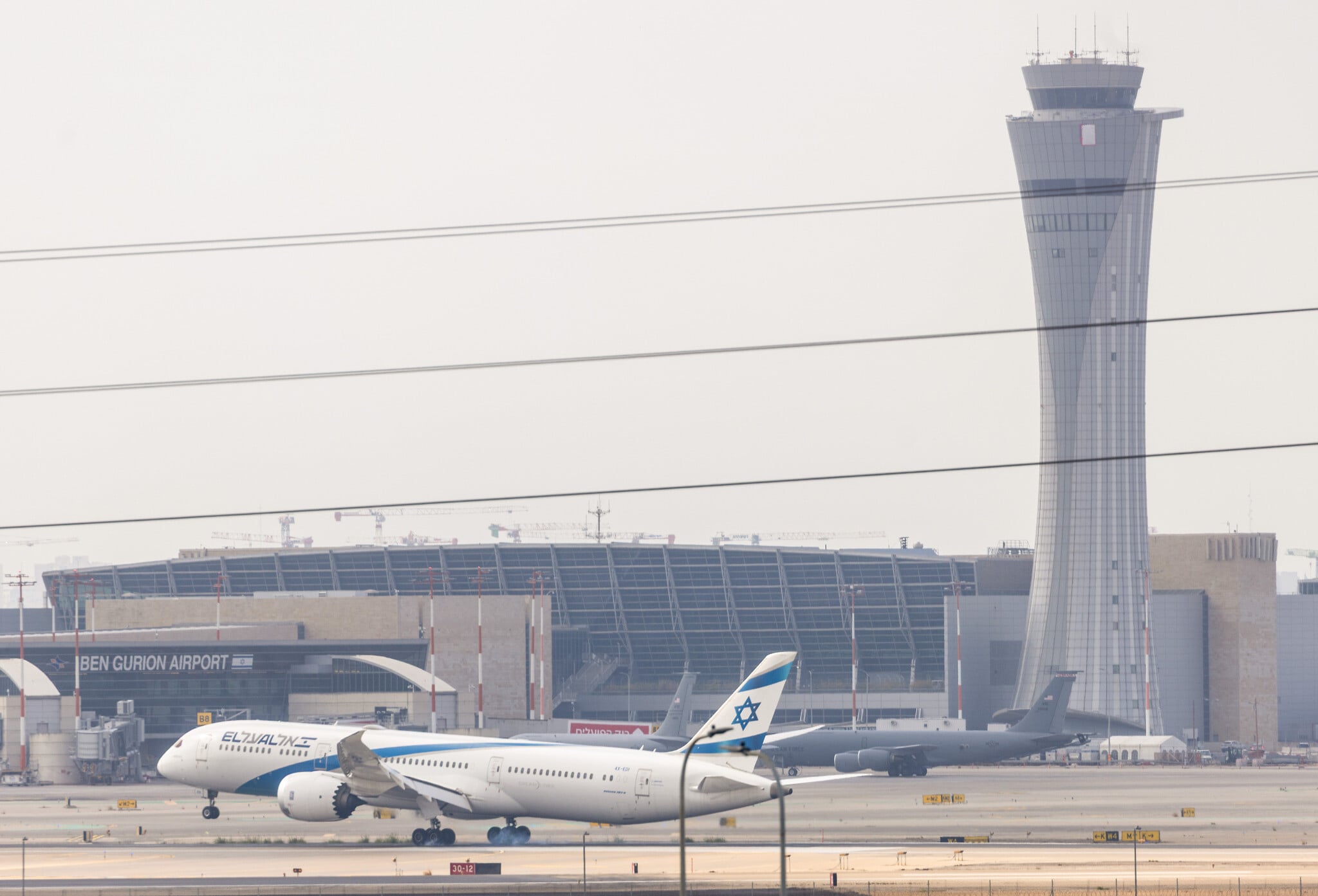
The Transportation Ministry on Wednesday reimposed passenger limits on outgoing flights from Israel after three private planes were damaged by falling debris following the interception of an Iranian ballistic missile. Local and US airlines also announced flight cancellations.
The Transportation Ministry, spooked by the damage at the airport, backtracked from a decision to raise the number of passengers permitted on each limited outbound flight still departing Israel, which had been announced two days prior.
The news that Israel’s skies would remain largely empty for the foreseeable future came after the Israel Airport Authorities announced that “three private aircraft were damaged this morning by interception debris” as a result of Iranian ballistic missile fire.
Images seen by The Times of Israel showed that one of the planes caught fire from the fragments, while others sustained minor damage.
Hours later, El Al announced that it had cancelled its regular scheduled flights planned through March 27, citing current restrictions on operations at Ben Gurion Airport and the Home Front Command guidelines.
The cancellations apply only to regularly scheduled flights and do not include repatriation flights that are currently operating.
הותר לפרסום: 3 מטוסים פרטיים נפגעו בנתב"ג בימים האחרונים
צילום: שימוש לפי סעיף 27 א' pic.twitter.com/QACuwuNAFB— מעריב | Maariv (@MaarivOnline) March 18, 2026
Scheduled flights to the following destinations were cancelled: Tbilisi, Budapest, Zurich, Barcelona, Belgrade, Berlin, Boston, Batumi, Fort Lauderdale, Frankfurt, Heraklion, Krakow, Larnaca, London Luton, Lyon, Marseille, Bucharest, Paphos, Prague, Chisinau, Thessaloniki, Sofia, Salzburg, Podgorica, Tirana, Tivat, Venice and Vienna.
“At this stage, due to current restrictions, we are unable to offer alternative flights for customers whose flights have been canceled,” El Al said, adding that affected customers can get a full refund or a credit voucher for future travel.
Israeli carrier Israir also cancelled its regular scheduled flights planned through the end of March, citing the airspace restrictions and limited operations at Ben Gurion.
Due to the security situation and Home Front Command guidelines, scheduled flights planned to depart through March 31 are canceled, the airline said.
The announcement was a blow to travelers ahead of the Passover holiday.
Israir noted that cancellations apply only to regularly scheduled flights and do not include repatriation flights that are currently continuing to operate to and from Ben Gurion Airport, according to the outline determined by the Transportation Ministry.
“In line with the Transportation Ministry’s outline which restricts the number of seats on each flight, Israir will do its best to accommodate some of the passengers whose flights were canceled on flights operating during the current period,” the airline said.
“The supply of seats is significantly lower than the demand and number of planned flights before the start of the war, and it may not be possible to accommodate all requests,” it added.
Customers whose flights were canceled will also be offered a full cash refund or a future credit voucher worth 130 percent of the cost of the original reservation made via the airline’s website or through the service center. Those who made their reservation through a travel agent are asked to contact the agent directly.
In addition, ticket sales for regular scheduled Israir flights are halted through April 30, unless the security situation changes. Once Israel’s airspace will be fully reopened and air operations will be expanded, Israir will be ready to reopen flight ticket sales, the airline said.
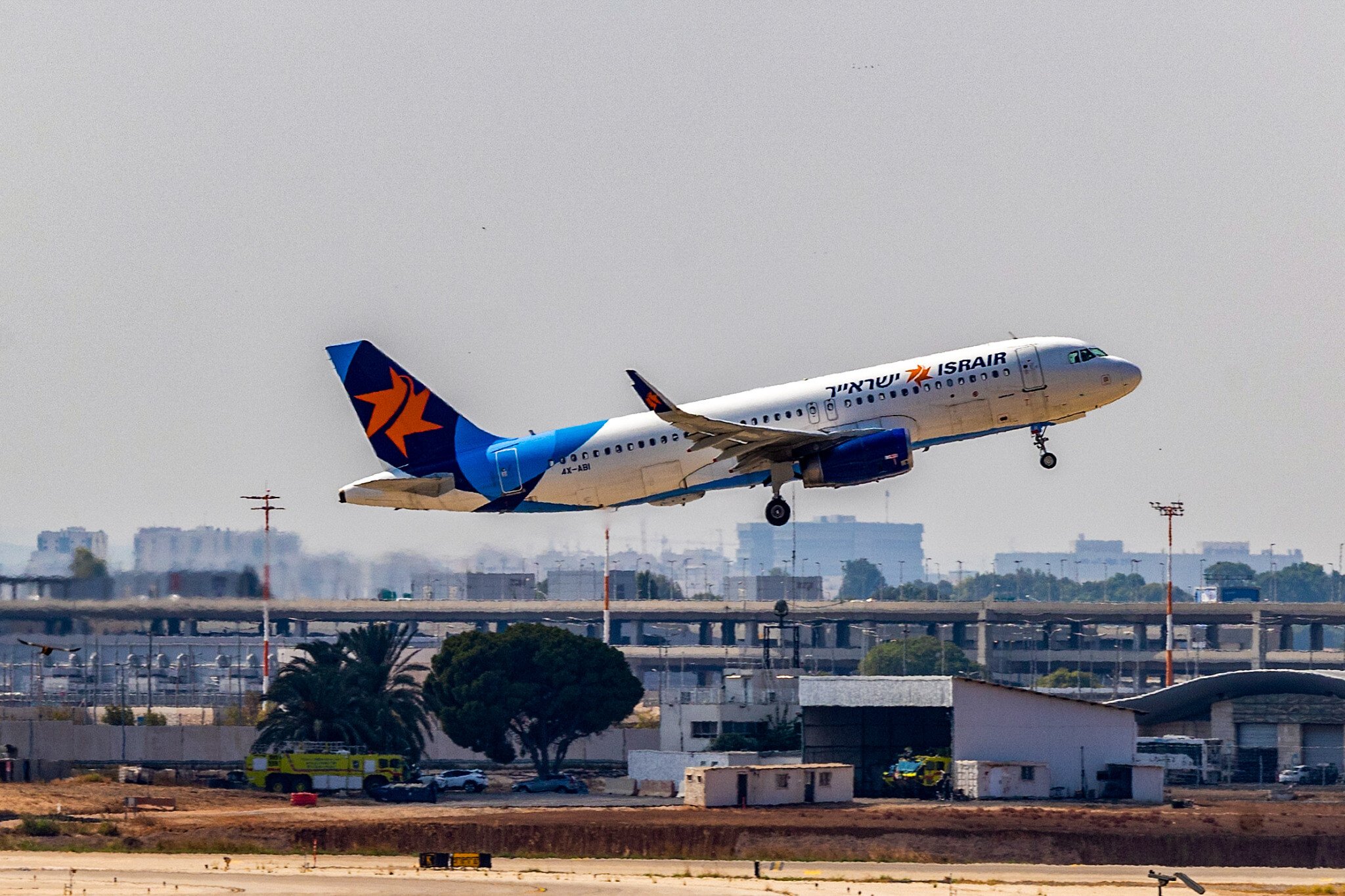
Israel’s airspace has been shut to almost all commercial traffic since fighting began on February 28, although earlier this month, Ben Gurion Airport gradually reopened for limited inbound flights operated by Israeli airlines El Al, Arkia, Israir and Air Haifa to repatriate more than 100,000 Israelis stuck abroad.
In recent days, the country’s main gateway has also partially reopened for outbound flights, albeit only by local carriers with strict limitations.
On Monday, Israeli airlines were permitted to operate flights to North America at full capacity until further notice, lifting the limit of 100 passengers per flight. And beginning Tuesday, the cap was raised to 120 for destinations in Europe.
But on Wednesday, just two days after the Transportation Ministry announced that it would begin passenger limits on outbound flights, Hebrew-language media reported that due to the risks highlighted by the damage to the private jets on Wednesday morning.
Instead of flights to North America being allowed to take off at full capacity, they would now be limited to 50% capacity, or between 160 and 170 passengers per flight, according to the reports.
The narrow-body aircraft flying to Europe would be allowed to continue operating with 120 passengers per flight, but it was reported that the possibility of increasing that limit to 170 passengers was no longer being discussed.
There was no official confirmation of the reports from the Transportation Ministry.
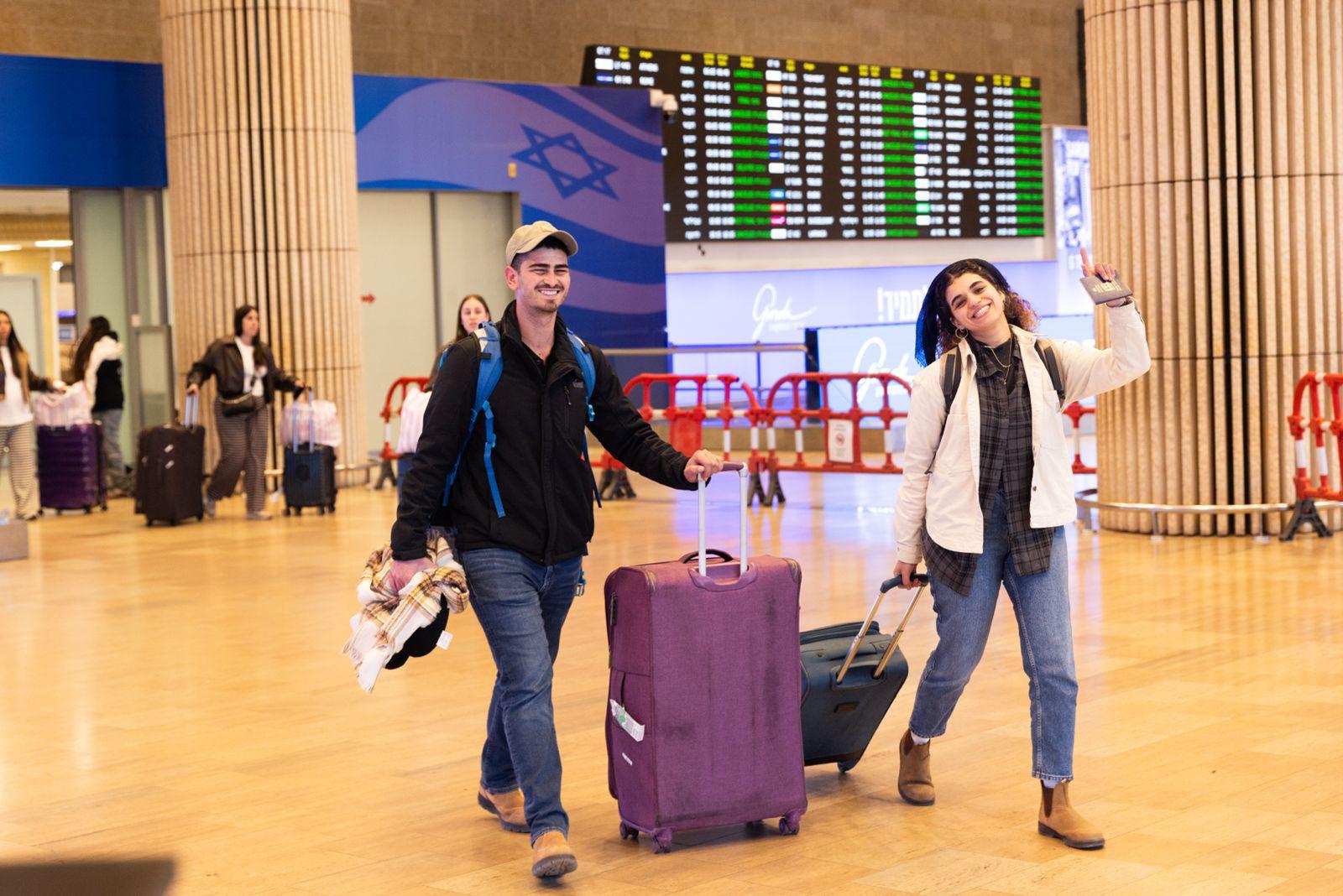
Meanwhile, US airline Delta said on Wednesday that it was extending the suspension of its Tel Aviv route through May 31, due to the “ongoing conflict in the region,” making it the latest in a string of foreign carriers to assess that the war with Iran would drag on for several more weeks.
Affected flights on the daily nonstop service to Tel Aviv from New York’s JFK airport would be “processed in Delta’s system on March 21, when customers will receive cancellation notifications,” the carrier announced.
Flights between Tel Aviv and Atlanta have been paused through August.
Delta previously put the Tel Aviv route on hold through April 1 following the closure of Israel’s airspace on February 28.
Fellow US carrier United Airlines also appeared to push off its return to Israel until at least mid-June, although it declined to confirm this outright.
According to Hebrew media reports and ticket availability on its website, United appeared to have suspended its Tel Aviv route until June 14, after previously placing the route under a travel waiver until April 19.
“Our flights to TLV remain suspended,” United EMEIA communications manager Samir Nador said in an e-mailed statement to The Times of Israel. The statement did not address the extension of the suspension through June 14.
Delta and United joined a host of foreign airlines, which have been nixing flight services to Tel Aviv after the Israel Defense Forces said this week that its campaign in the joint war with the US is preparing for at least three more weeks of operations in Iran.
On Tuesday, Hungarian low-cost airline giant Wizz Air said it would postpone its resumption of flight services to and from Israel at least into April. Its competitor easyJet had previously announced its decision to stay away from Ben Gurion Airport until the fall.
British Airways has postponed the resumption of its Tel Aviv flights to June 1, while the Lufthansa Group has delayed its return until at least mid-April.









The Times of Israel Community.