

Polls find extremist Otzma Yehudit edging toward Knesset threshold
Likud and rival Blue and White remain neck-and-neck; neither right nor center-left blocs predicted to have majority without Liberman’s Yisrael Beytenu party
 Add ToI as a Preferred Source on Google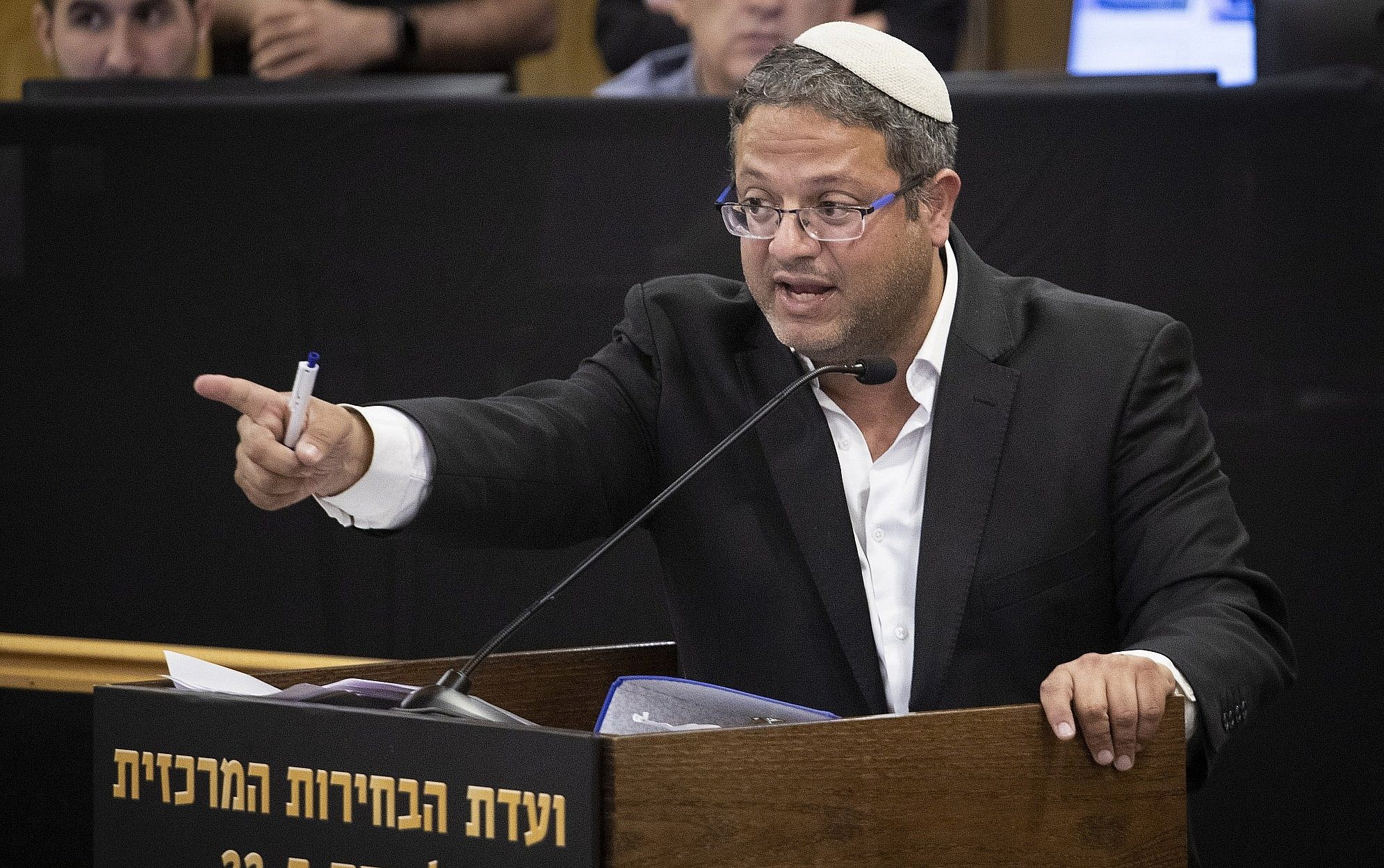
Polls published Sunday indicated that the extreme right-wing Otzma Yehudit party was edging closer to clearing the electoral threshold in the September 17 elections, but showed no change in the deadlock between the major blocs.
A poll by the Kan public broadcaster had Otzma Yehudit winning 2.9 percent of the vote, while a Channel 13 survey gave the Kahanist party 2.8%. Both are still shy of the 3.25% threshold for entering the Knesset, but are up from previous polls that had it hovering between 1.8% and 2.5% of the vote.
Part of that increased support likely comes from the supporters of the far-right Zehut party, which dropped out of the race last week in a deal between leader Moshe Feiglin and Prime Minister Benjamin Netanyahu.
Feiglin announced Thursday that his party will drop out of the running in exchange for a promise from Likud of a ministerial post and the liberalization of the medical marijuana market.
However, Kan said its survey indicated that votes of Zehut voters had been evenly distributed among several other parties and had not impacted the overall shape of the elections.
If Otzma Yehudit’s support has indeed increased — the poll’s sampling error are 4.3% and 4% respectively — it may be due to a sense on the far-right that Otzma Yehudit has been mistreated by allies and opponents alike. Three of the party’s four top leaders — Michael Ben-Ari, Baruch Marzel and Bentzi Gopstein — have been disqualified from standing in the election over their longstanding advocacy for racist policies and support for political violence.
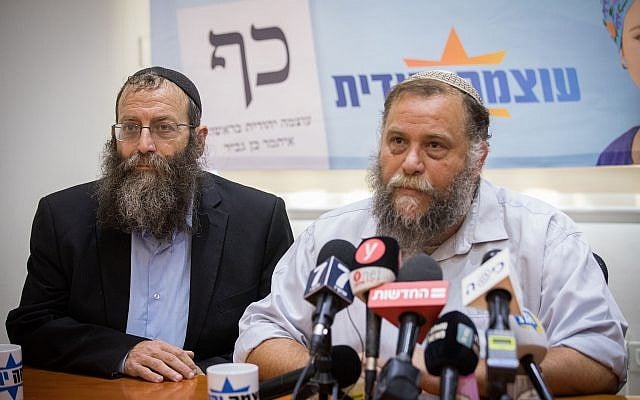
Netanyahu has also been putting intense pressure on the small right-wing factions to pull out of the election in September so that their votes don’t get “wasted” if they fail to clear the 3.25-percent threshold for entering the Knesset.
However, even without Zehut running in the September 17 election the political map was predicted to remain the same with neither a Netanyahu right-wing bloc nor a rival center-left bloc having a clear path to form a 61-seat majority in the 120-seat Knesset. The results were almost unchanged from previous surveys with no change in the balance between the two major blocs.
But those results could change dramatically if Otzma Yehudit clear the 3.25-percent vote threshold, and enters the Knesset with four seats, shrinking the seat totals of the other parties and swelling the right-wing bloc.
Otzma Yehudit’s past support at the ballot box is hard to gauge, as it ran in joint slates with other parties in the two most recent elections and failed to place any of its candidates in the Knesset in either race.
The Kan survey was made up of 500 respondents contacted online. It had a 4.3% margin of error and was carried out on Sunday.
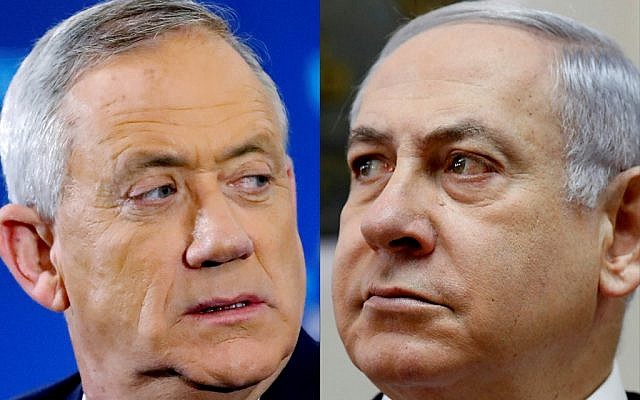
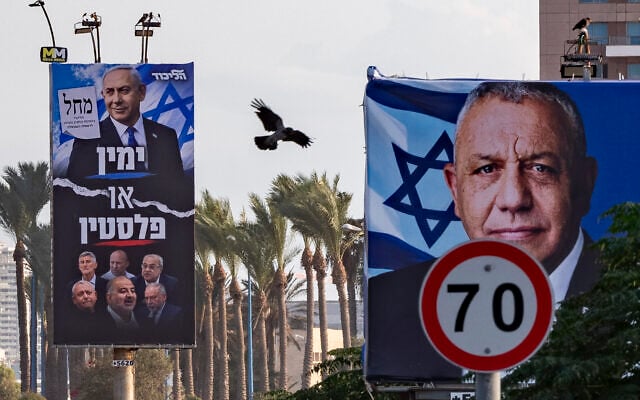
The poll gave Likud 32 seats and its main rival Blue and White, led by MK Benny Gantz, 31 seats.
The Joint List, an alliance of Arab parties, had 11, Yemina, an alliance of right-wing nationalist parties received 10 and MK Avigdor Liberman’s Yisrael Beytenu Party had 9 seats.
The ultra-Orthodox United Torah Judaism and Shas parties were next largest with seven seats each.
The Democratic Camp and the Labor-Gesher alliance, both left-wing parties, were predicted to win seven and six seats respectively.
Overall, a right-wing bloc led by Netanyahu would have 56 seats in the Knesset.
A center-left bloc helmed by Blue and White’s Gantz would muster 44 seats, and with the addition of the Joint List, have a total of 55 seats. However, Gantz has already declared he will not form a coalition with the Arab parties.
The results showed that Liberman, and his predicted 9 seats, would hold the balance of power to give either bloc a majority.
The Channel 13 poll had slightly different numbers for the parties, most notably with Blue and White just ahead of Likud, but also forecast a deadlock between the blocs with Liberman key.
According to Channel 13, Blue and White would get 32 seats to Likud’s 31. Liberman was next with 11, and Yemina and the Joint List both had 10 seats.
The Democratic Camp and UTJ both had 7, while Labor-Gesher and Shas both received 6.
Here, the right-wing bloc had 54, the center, left and Arabs had 55 and Liberman was on 11.
The Channel 13 poll was conducted among 601 respondents with a margin of error of 4 percent.
After previous elections in April, secular Liberman, refused to join a Netanyahu-led coalition due to an impasse with ultra-Orthodox parties.
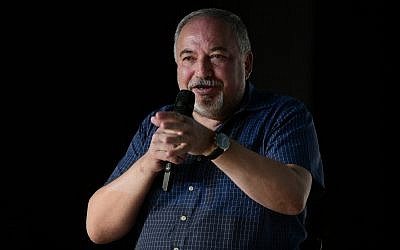
Likud accused Liberman of deliberately foiling Netanyahu’s efforts for his own political gain souring the relationship. Yisrael Beytenu, which won just five seats in that election has consistently been predicted by polls to roughly double its success in the coming vote.
Liberman has said he will use his position to try and force a secular unity government.





The Times of Israel Community.