

Touting improved ballistic missile, Iran vows preemptive action against threats
Top Iranian official says new missile was ‘tested’ against US warship; UN nuclear watchdog head urges Tehran to cooperate as Western nations seek to refer it to Security Council
 Add ToI as a Preferred Source on Google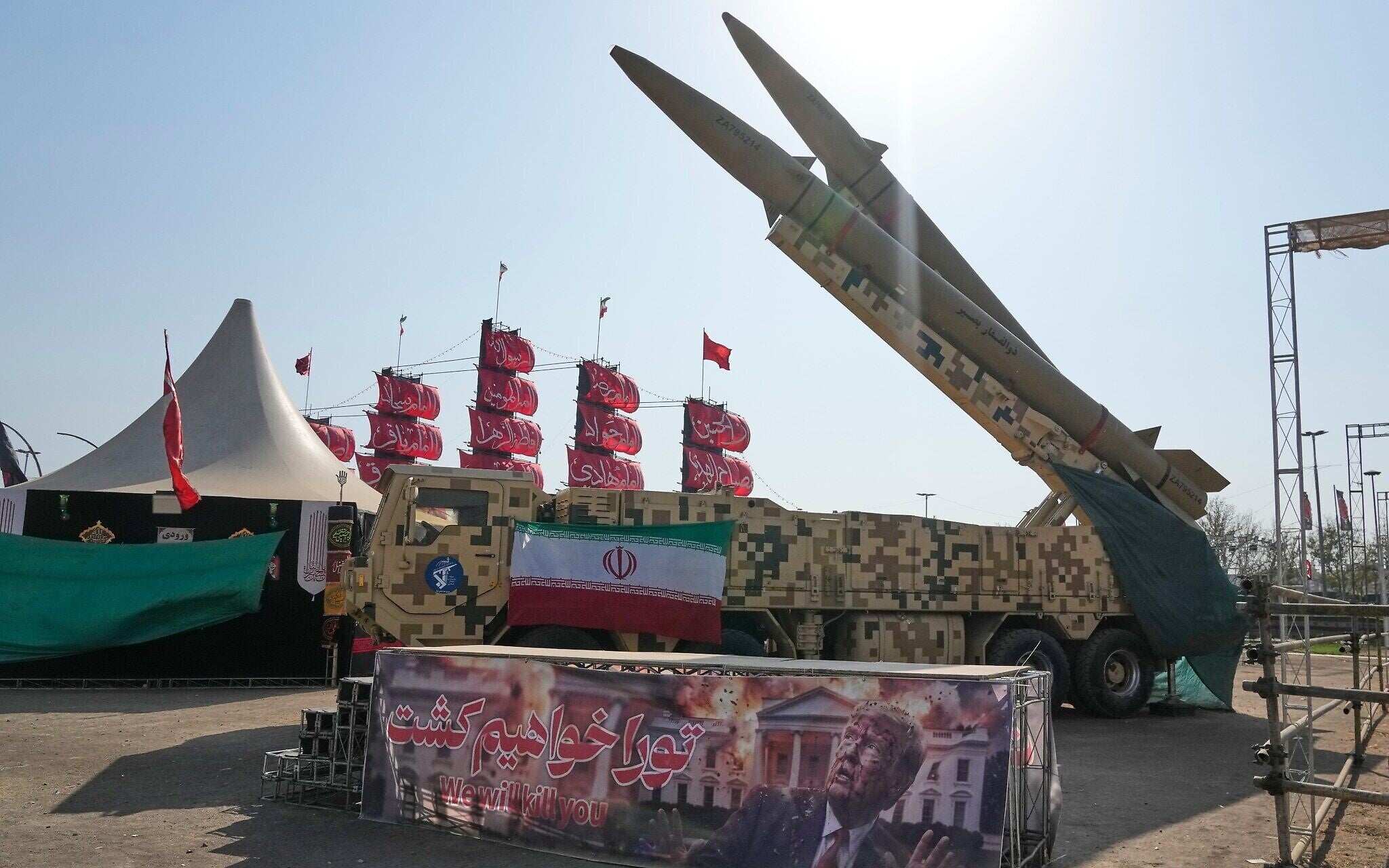
WASHINGTON — Iran state media on Monday said a ballistic missile with improved capabilities was demonstrating a new doctrine: Tehran “will take action against any threat, even before it is carried out.”
The report by Iran’s state news agency repeatedly cited comments aired on state TV the day before by the head of Iran’s Supreme National Security Council, Mohsen Rezaei, who boasted of new missile capability and claimed it had been “tested” against a US warship. But it was not clear whether what was tested was the missile the new report described, the solid-fueled Qassem Basir.
The US on Saturday said ballistic missiles were launched at US warships and that it struck three Iranian oil tankers in response. Experts called the launch a dangerous escalation, noting that until then Iran’s attacks at sea had targeted commercial shipping during six months of war. The US said the warships evaded the attacks.
Iran’s messaging in recent days has become more assertive, and Monday’s report said the Qassem Basir marks “a turning point in Iran’s defense strategy.” It described the missile as having greater range and accuracy and a half-ton warhead. The missile was unveiled last year, when it was described as having at least a 1,200-kilometer (745-mile) range.
Concerns about Iran’s ballistic missile program were one of the stated reasons the US and Israel attacked Iran early this year, sparking the war. Washington and Jerusalem also sought to create the conditions to topple the regime, and distance the threat posed by its nuclear program.
IAEA head Rafael Grossi on Monday said giving the UN nuclear agency access to key nuclear facilities in Iran would be beneficial for the Islamic Republic, as a draft resolution proposed referring Tehran to the UN Security Council.
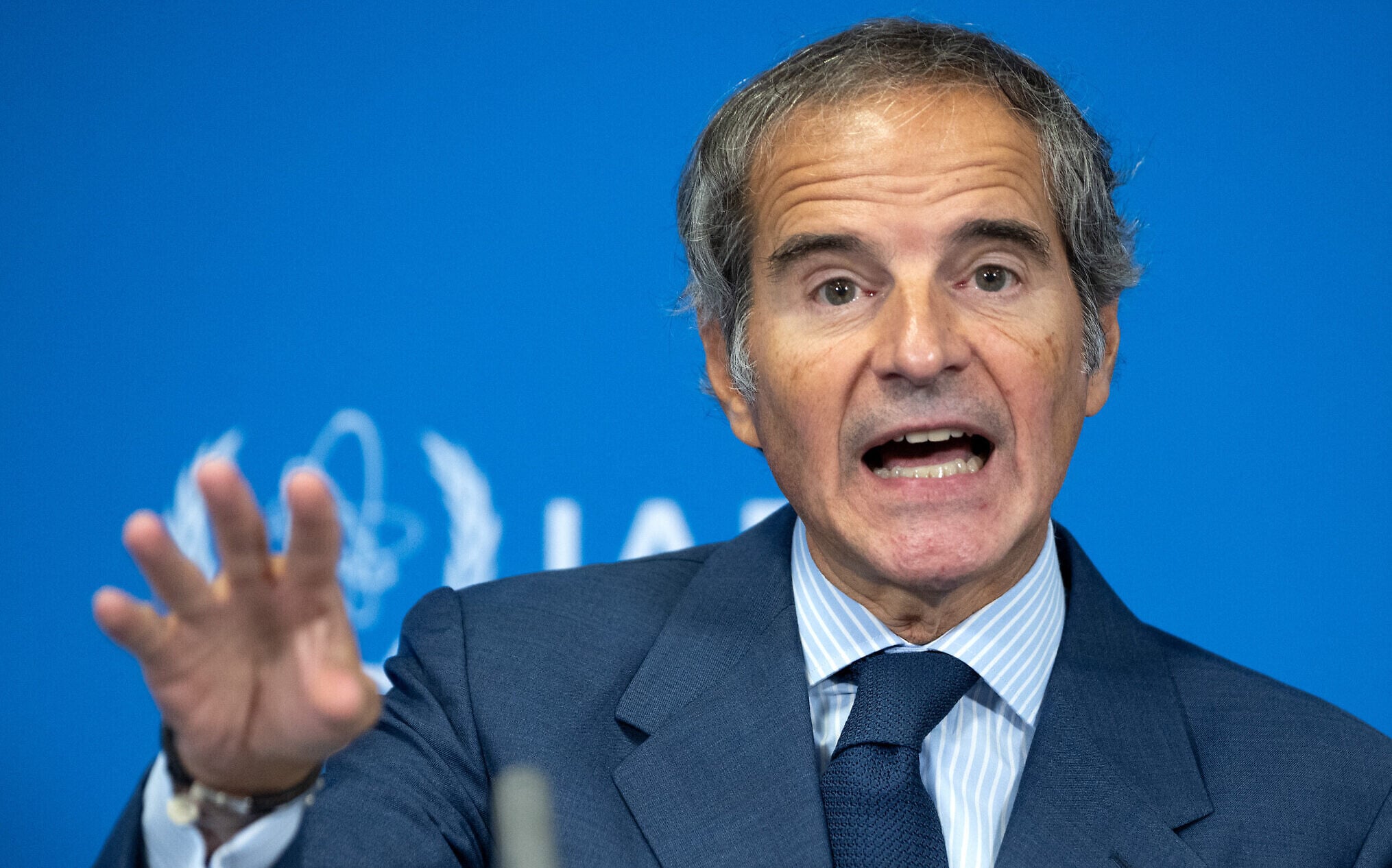
The International Atomic Energy Agency (IAEA) has not had access to key nuclear facilities in Iran since Israel, joined by the United States, launched a 12-day conflict in June 2025 that included strikes on nuclear sites.
Nuclear facilities have also been hit in the latest war, and the IAEA has repeatedly urged access.
“The best, shortest way for a positive outcome is for Iran to engage with us,” Grossi told a press conference after opening the quarterly meeting of the IAEA board of governors.
A resolution drafted by the United States, Britain, France and Germany expected to be submitted and voted on this week seeks to refer Iran to the UN Security Council for failing to comply with its nuclear reporting obligations.
The draft asks Grossi to “submit this resolution to all members of the agency and to the Security Council and the General Assembly of the United Nations.”
Asked whether such a referral was the right course of action, Grossi said that “my job with Iran continues, irrespective of the resolution.”
“If Iran engages with us in a serious dialogue, if we can start getting access… I can guarantee to you that this will have very, very positive repercussions,” he said.
Prior to the June 2025 strikes, the IAEA calculated that Iran possessed approximately 440 kilograms of uranium enriched to 60 percent, which is close to the 90 percent needed to make a bomb and well above the 3.67-percent limit set by a 2015 now-defunct agreement with Iran.
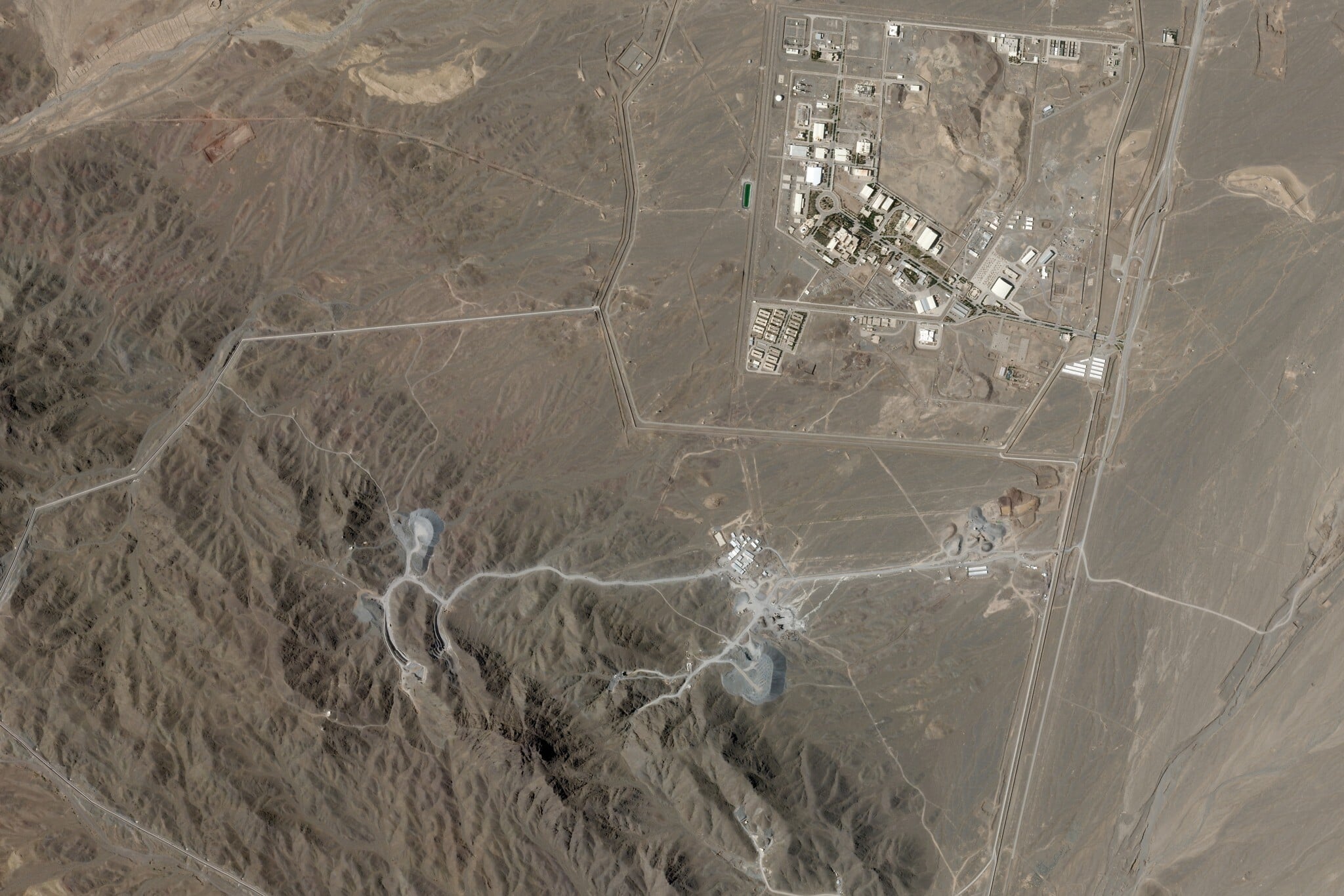
Reports have said the highly enriched uranium stored in the facilities was buried by the strikes, but Israel reportedly believes that Iran managed to transfer some of it to the nearby Pickaxe Mountain site following that conflict.
Pickaxe Mountain was not hit then or in the latest war, although US President Donald Trump has repeatedly threatened to bomb it.
In a statement ahead of the meeting on Monday, Grossi called the lack of contact with Iran “regrettable.”
“These issues are not going to disappear until we address them, until we have the necessary access, until we can return,” he said.
Iran’s mission to the UN on X called the draft resolution a “new desperate action” that would bring “no benefit.”
In June, the board approved a Western resolution demanding that Iran immediately provide information and give access to its uranium stockpile and production facilities.
US dismisses talk of Iran-imposed ‘exclusion zone’
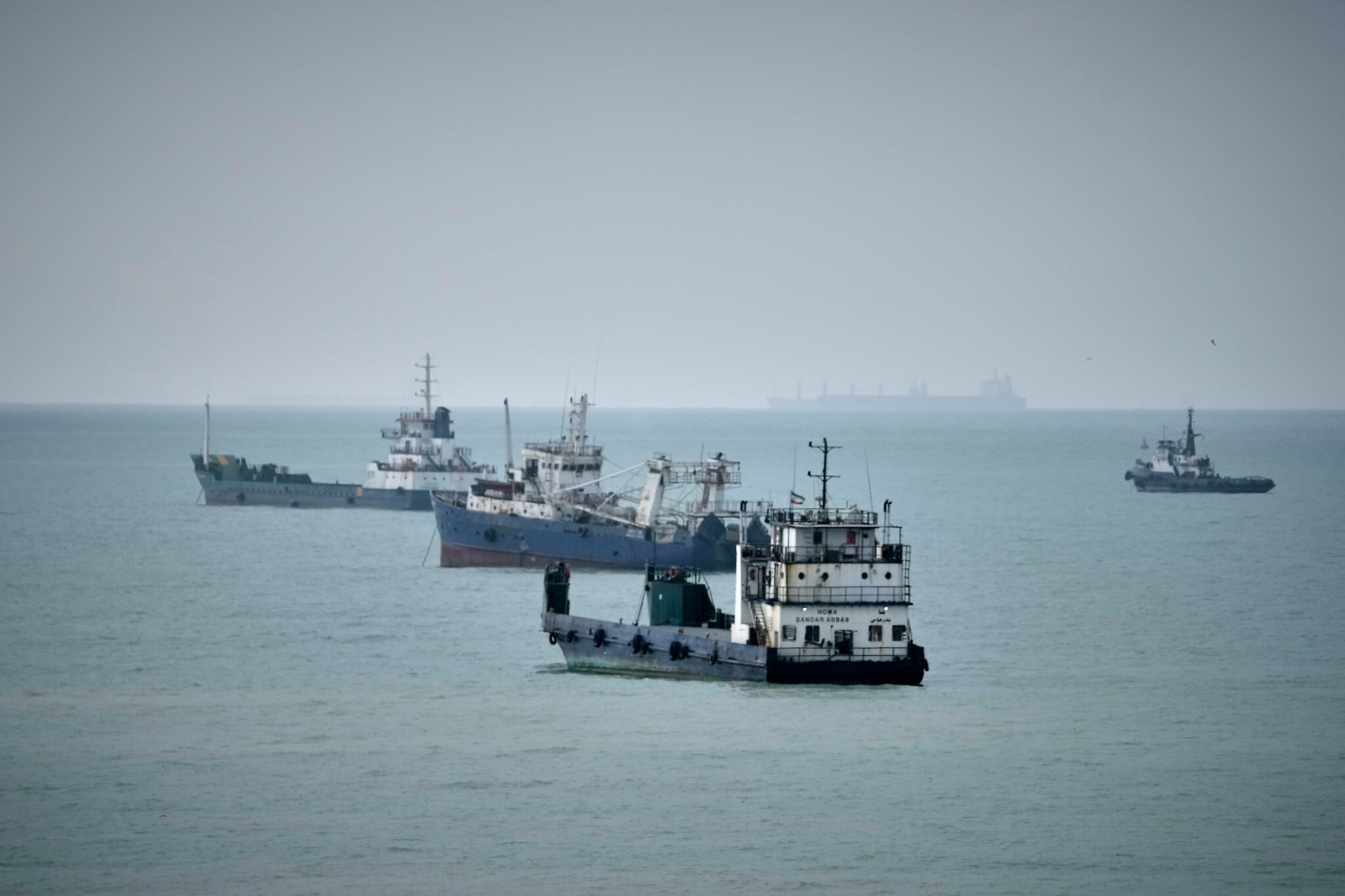
Meanwhile, the White House responded on Monday to plans announced by Rezaei to create an “exclusion zone” near the Strait of Hormuz that’s aimed at vessels trying to transit, saying the waterway is open and controlled by the US.
It also said the US Navy had cleared the strait of mines, and that tanker traffic to non-Iranian ports would increase. A US blockade on Iranian ports continues in an effort to increase Tehran’s economic pain by limiting its oil exports. The US military said that as of Monday, 94 commercial vessels had been redirected and three had been disabled.
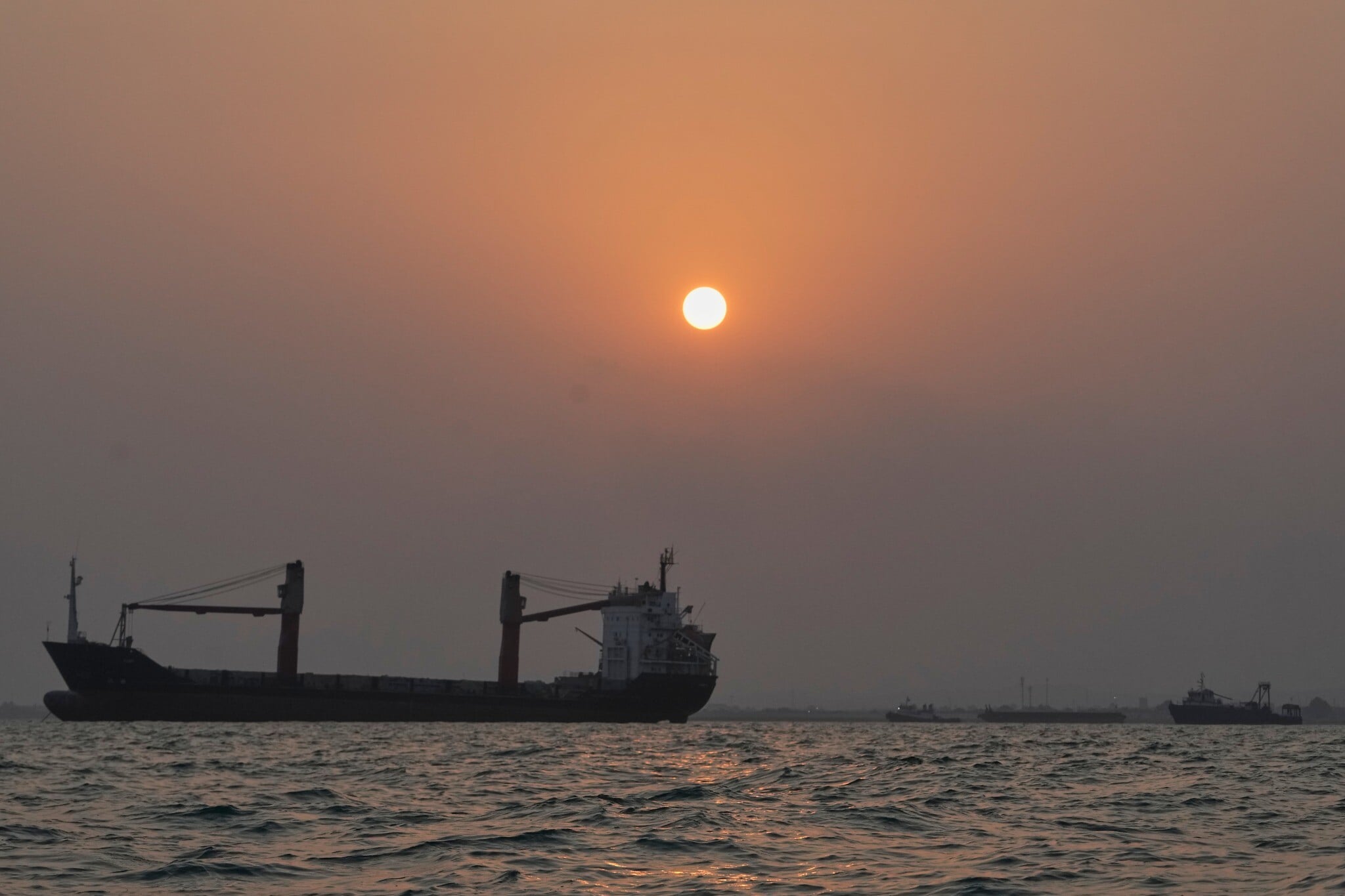
Tehran wants ships to follow a route it chooses through the strait, which was considered an international waterway before the war. Rezaei acknowledged that the US has been helping a limited number of ships transit on a route off Oman, and said Tehran isn’t sinking them because they carry oil, noting environmental concerns.
As both countries continue to assert claims about the strait and the flow of shipping, global commerce information firm Kpler noted on X that transits through the waterway dropped sharply last week.
A week ago, an attack on a Saudi-owned tanker killed two crew members and left seven unaccounted for. If they are confirmed dead, that would make the attack the deadliest on a commercial vessel since the war began on February 28 with US and Israeli strikes.
Regional countries express frustration
Frustration emerged again in the Gulf over the uncertainty around the waterway that’s crucial for shipping global supplies of oil, natural gas and related products like fertilizer.
“No single state” should control the strait, Anwar Gargash, a diplomatic adviser to the UAE president, said at a forum of world leaders in Abu Dhabi, adding: “Our energy exports will not be held hostage, nor will our trade and economic activity.”
The UAE, a close US ally, has repeatedly come under Iranian missile and drone fire in the war. Last month, the UAE suspended all trade with Iran after saying it had come under renewed fire.
Rebuilding trust between Iran and the Gulf countries could take decades, Gargash warned.
And Nabil Fahmy, secretary-general of the Arab League, told a ministerial-level meeting in Cairo that “we will not accept our maritime corridors to become a bargaining chip in the calculations of others” and condemned Iran’s attacks on Gulf nations.
Meanwhile, Iran’s Foreign Ministry warned South Korea on Monday against military deployment or involvement in US operations in the Strait of Hormuz.
On Friday, Seoul said it was considering “contributions” to US security efforts in the strategic Strait of Hormuz.
South Korea said it would consider the move provided that its own military readiness was not compromised, but added that no decision had been made.
Iran’s foreign ministry spokesperson Esmaeil Baghaei warned South Korea against succumbing to what he called “US pressure and intimidation.”
“Any military deployment or participation in operations by other countries in the Persian Gulf or the Strait of Hormuz can only be regarded as direct support for the party responsible for that aggression and will have serious consequences,” he said in a post on X.







The Times of Israel Community.