

Austria’s ban on headscarves for girls under 14 in schools goes into effect
Students who fail to comply can be charged up to $930; Muslim community group vows to fight ban in the court, which struck down a similar law in 2020 as discriminatory
 Add ToI as a Preferred Source on Google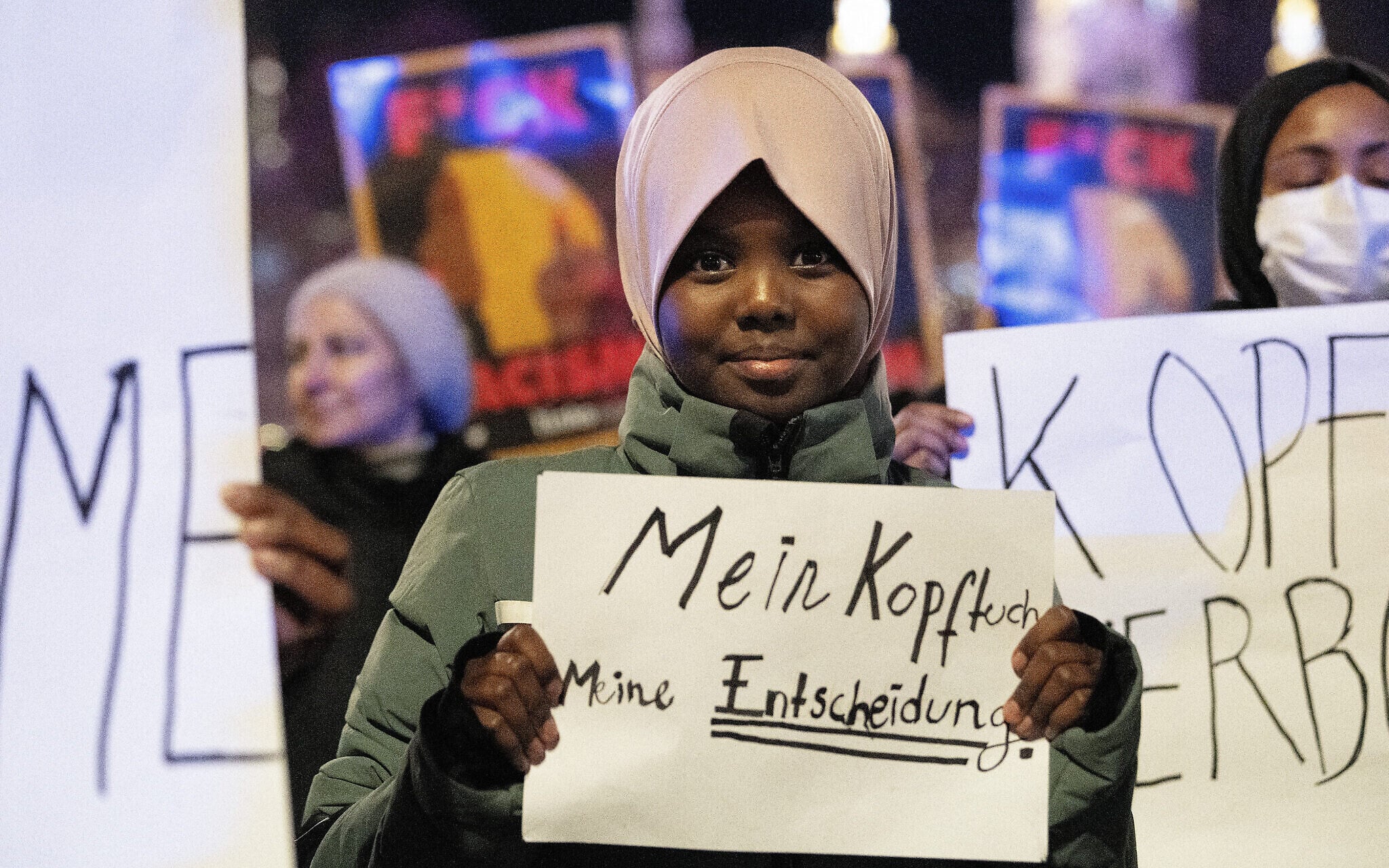
Austria’s ban on headscarves for girls under 14 in schools took effect Monday, the first day of the school year in part of the country, as Muslim citizens vowed to challenge the law, a version of which was struck down in court in 2020.
The government-backed legislation stipulates a school must hold discussions with any pupil defying the ban, after which a fine of between €150 and €800 ($175-$930) can be imposed.
Two sisters and their mother already filed suit against the new ban in Austria’s Constitutional Court on Monday, the Austrian Press Agency reported. The Islamic Religious Community in Austria (IGGO), the community’s official representative, has also pledged to fight the ban in court, arguing the law infringes on fundamental rights.
Left-wing pupils’ organizations have called for protests against the ban, and local media in Vienna reported that a small group of students, including girls in headscarves, demonstrated outside the Austrian Chancellery on Sunday, and accused the ban’s advocates of racism.
On Monday, students returned to school in three of Austria’s nine states — Vienna, the surrounding state of Lower Austria, and Burgenland, all in the east — with the rest following next week.
Despite the controversy about the headscarf ban, teachers’ union representatives who spoke with the APA described a largely peaceful start to the school year, with few violations of the new law.
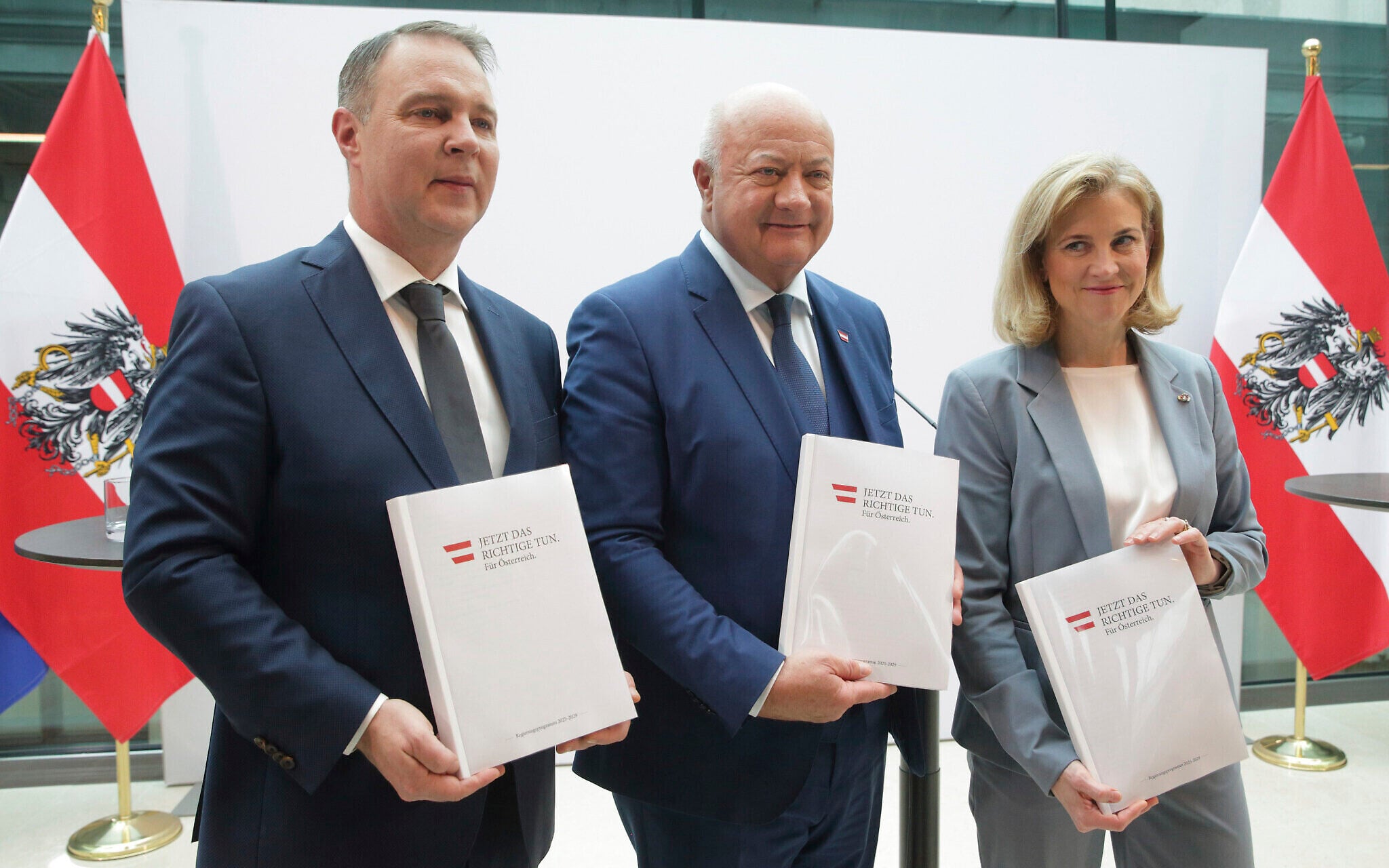
Austria’s ruling coalition of three centrist parties had proposed the ban, arguing it would protect girls’ freedom. The legislation passed in parliament in December with the support of the far-right Freedom Party. Only the smallest party in parliament, the left-wing Greens, opposed it.
The Constitutional Court in July rejected challenges against the ban because the legislation had not yet gone into force.
The court had ruled in 2020 that a previous ban, which applied to under-10s in schools, was illegal because it discriminated against Muslims and the state had a duty to be religiously neutral. Going against that principle requires special justification, the court held.
Asked by national broadcaster ORF if the court would overturn the new ban, Education Minister Christoph Wiederkehr said: “You can never be completely certain.”
“We in the government carried out very intensive consultations and we in the education ministry tried very hard to write a law that complies with the constitution,” Wiederkehr said in the interview broadcast on Monday.








The Times of Israel Community.